
How to Buy a Bed and Breakfast (2026 Buyer Guide)
Christoph Totter · Managing Partner, CT Acquisitions
M&A advisory across 500+ active capital partners · B&B acquisitions: SBA 7(a) + occupancy / ADR DD · Updated June 15, 2026
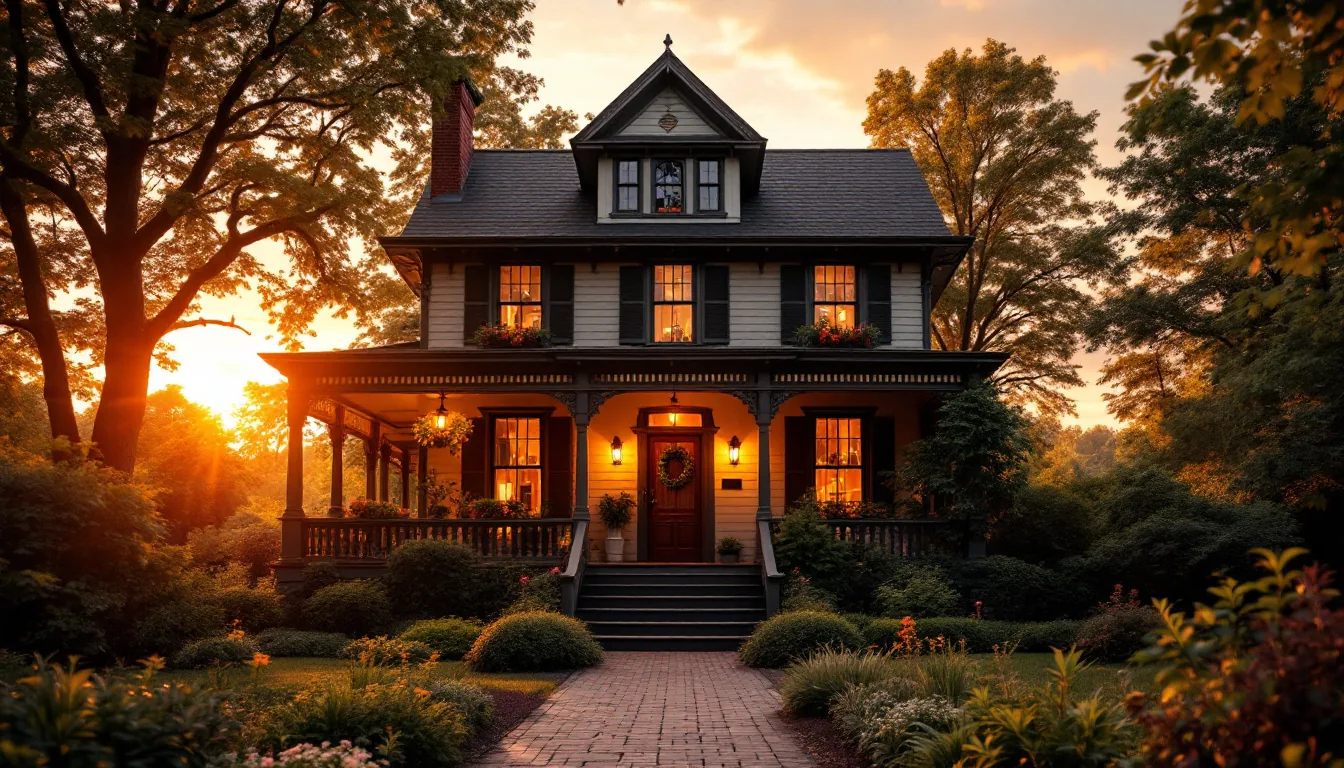
When you buy a bed and breakfast, you buy three things at once: a building, a small hospitality business, and a way of life. BizBuySell lists a median asking price of $1,200,000 for an established B&B, with asking prices from under $787,500 to well over $2,775,000. This guide covers what drives that price, how buyers finance it, and the diligence that separates a sound inn from an expensive house.
“A B&B is the rare acquisition where the lifestyle is part of the asset. The buyers who succeed go in with eyes open about what running one actually involves, and treat it as both a real business and a real life choice.”
TL;DR, the 90-second brief
- A bed and breakfast is real estate + hospitality business + lifestyle, and the buyer is acquiring all three.
- Capital requirements typically run $200K-$1M+ in equity, plus operating reserves; total deal sizes from $500K to $3M+.
- SBA 7(a) financing is common; specialty hospitality lenders exist for larger deals.
- Diligence focuses on real estate condition, room/booking economics, OTA mix, brand and reviews, permits, and the owner-operator reality.
- B&B ownership is typically owner-operator and full-time, passive ownership rarely works at this scale.
Key Takeaways
- A B&B is real estate + hospitality business + lifestyle, buyer acquires all three.
- Capital requirements: typically $200K-$1M+ equity for smaller B&Bs, $500K-$2M+ for larger inns, plus operating reserves.
- Total deal sizes typically $500K-$3M+, with real estate often the majority of value.
- SBA 7(a) financing common; specialty hospitality lenders exist for larger deals.
- Diligence focuses on real estate condition, room economics, OTA channel mix, brand and reviews, permits, and owner-operator commitment.
- B&B is typically owner-operator and full-time; passive ownership rarely works at this scale.
- Seasonal markets, weather dependence, and review-dependent demand are real risk factors to underwrite.
Bed and Breakfast Acquisition Snapshot (2026)
| Tier / Segment | Range (2026) |
|---|---|
| Typical down payment (SBA 7(a) RE + business) | 20%-30% of combined RE+business EV |
| Conventional commercial down payment | 35%-40% (no SBA structure) |
| Seller financing typical structure | 10%-20% down, 5-10 yr owner-carry at 6%-9% |
| Working capital reserve | 6 months operating expense baseline |
| Capex reserve | 10%-15% of purchase price (deferred maintenance) |
Ranges reflect 2026 buy-side observations across active capital partners and named industry consolidators. Specific transaction outcomes vary by geography, customer concentration, and deal structure.
What You’re Actually Buying
From the CT desk
What 2026 bed-and-breakfast acquisition activity reveals
- •SBA 7(a) is the primary B&B acquisition vehicle for sub-$5M combined RE+business deals, eligible for up to $5M (the SBA 7(a) program maximum) with 25-year amortization on the real estate component plus 10-year amortization on the business component. SBA 7(a) variable rates are capped at Prime + 3% on loans over $350,000 under SBA maximum allowable rate rules, with the exact spread set by lender risk grading.
- •B&B acquisition diligence covers operational metrics that hotel-acquisition diligence often skips: rolling 12-month occupancy rate segmented by season, average daily rate (ADR) by room type, online reputation across Booking.com / TripAdvisor / Google reviews, local zoning compliance, short-term-rental permit status, food-service licensing for on-premise breakfast.
- •Capex reserves often run 10-15% of purchase price because B&Bs frequently carry deferred maintenance (HVAC, plumbing, electrical, roof, exterior, room renovations) that the seller has under-funded. Phase I environmental + property condition assessment are buyer-side underwriting standards.
- •Operating realities matter: a B&B is not a passive real-estate investment, it requires daily owner / manager attention plus 24/7 guest availability. Buyer-side underwriting models owner-operator hours-per-week (typically 60-80) versus hired-GM model ($60K-$90K plus benefits). The structural difference materially changes pro-forma cash flow.
Related Cluster GuideFor the adjacent hospitality acquisition companion on how to buy a hotel, see our reference.
A B&B acquisition is multi-layered. Understanding what’s actually in the deal matters for how to evaluate it.
The real estate. The building, often a historic or character property, with the land and any outbuildings. Real estate value depends on location, condition, character, zoning for B&B operation, and underlying property value. For many B&B acquisitions, real estate is the majority of the purchase price.
The hospitality business. The operating B&B, rooms, breakfast service, common areas, hospitality staff (if any), reservations system, booking-channel relationships (Airbnb, Booking.com, Expedia, direct), brand and online presence, repeat guest relationships.
The brand. The B&B’s name, reputation, reviews (TripAdvisor, Google, Booking.com, Airbnb), website, and online presence. A B&B with strong reviews and brand recognition commands premium pricing and steady bookings; a weaker brand requires investment to build.
The lifestyle. Less tangible but very real: a B&B is typically the owner’s home, with all the implications. Owner-operators live where they work; visitors are in the building; daily rhythms revolve around guests; vacations and time off require planning around occupancy. This is part of what you’re acquiring whether you frame it that way or not.
What B&Bs Cost and How They’re Financed
Capital ranges vary widely with size, location, and property quality:
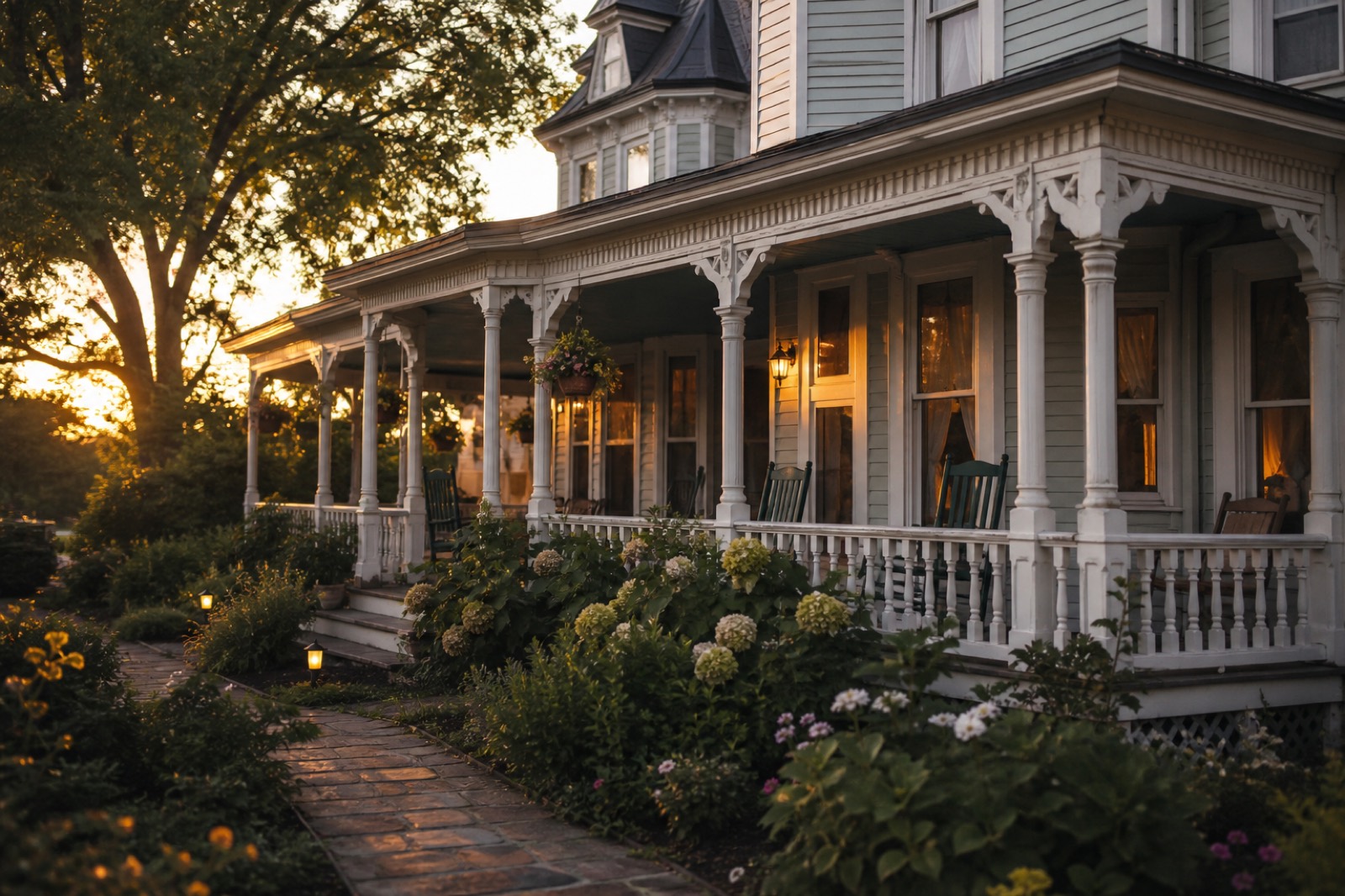
Smaller B&Bs (3-5 rooms): $500K-$1.5M total deal size; $200K-$500K equity typical with SBA financing covering the rest.
Mid-size B&Bs and inns (6-12 rooms): $1M-$3M total; $300K-$1M equity.
Larger inns (15+ rooms, premium locations): $2M-$5M+; $500K-$2M+ equity.
Financing: SBA 7(a) loans are very common, small hospitality businesses are a recognized SBA category and specialty SBA lenders familiar with B&B and inn deals are easier to work with than generalist banks. For larger deals, commercial real estate financing and specialty hospitality lenders participate. Seller financing is also more common in B&Bs than in many other small-business categories.
Beyond purchase price, plan for operating reserves: working capital for seasonal cash flow, deferred maintenance discovery, marketing investment if brand needs strengthening, and personal-living-cost reserves during ramp-up months.
Where to find a bed and breakfast for sale
Most B&Bs change hands through a small set of channels, and the best inns often sell before they reach the big marketplaces. Work all of them at once.
- B&B listing directories. Sites such as BedandBreakfastForSale.com focus only on inns and small lodging, so the listings are more relevant than a general marketplace.
- Inn brokers. Specialist firms such as The B&B Team and White Stone Brokers list inns for sale and often know about owners who plan to sell before a listing goes public. Ask each one to add you to its buyer list.
- Business-for-sale marketplaces. BizBuySell carries a dedicated bed and breakfast category, useful for price benchmarks and for inns sold without a specialist broker.
- Residential and land listings. Some owners list the property as a home or a historic building. Those listings often omit the operating numbers, so you will need to request them.
- Direct outreach. Innkeeper associations, local tourism boards, and a short letter to owners in your target town can surface sellers who have not listed yet.
Buy an existing inn or convert a house? Inns.forsale describes three paths to ownership: converting a non-inn property, buying an existing B&B, and, much less often, building new. An existing inn costs more up front but comes with permits, reviews, booking history, and revenue a lender can underwrite. A conversion can be cheaper to buy, but you take on zoning approval, food service and fire code work, and a year or more of building reviews before bookings are steady. Lenders also find it harder to finance a business with no operating history.
Whatever the channel, ask early for occupancy by month, ADR, booking source mix, and tax returns. A seller who cannot produce them is selling real estate, not a business, and you should price it that way. For larger properties, our guide on how to buy a hotel covers the next step up.
Diligence on a B&B Acquisition
Key diligence focus areas:
Real Estate Condition
Older B&B properties often have deferred maintenance, system condition issues (roof, HVAC, plumbing, electrical), and code/permit complications. Professional property inspection essential; for character properties, specialist inspections (historic, structural) may be warranted.
Room and Booking Economics
Pull historical booking data: occupancy rate by month, average daily rate (ADR), revenue per available room (RevPAR), booking source mix (direct vs. OTA), seasonal patterns, and length-of-stay trends. Compare to local-market benchmarks and recent trends. The booking story drives the deal economics.
OTA and Direct-Booking Mix
OTA dependence (Airbnb, Booking.com, Expedia) has economic implications, OTAs typically take 15-25% commission. Heavy OTA dependence reduces margin; strong direct-booking channels through the B&B’s own website and repeat guests improve economics meaningfully.
Reviews and Brand Strength
TripAdvisor, Google, Booking.com, Airbnb reviews. Volume, recent rating trend, response history. A B&B with consistently strong reviews has real brand equity; one with declining ratings or visible service issues is harder to rebuild.
Permits and Zoning
B&B operations are zoning-sensitive. Confirm the property is properly zoned/permitted for B&B use, food service permits are current (breakfast service often regulated), occupancy permits, fire safety compliance. Some markets have short-term-rental restrictions that affect operations.
Local Tourism and Demand Dynamics
What drives bookings to this specific area? Tourism trends, event calendars, drive-vs-fly market, business travel, seasonal patterns. Markets with diversified demand drivers are more resilient than single-driver markets.
Staff and Owner Involvement
Most B&Bs run with very lean staff, often the owner plus 1-2 part-time helpers. Understand the current arrangement and what the buyer’s involvement model will be. Owner-operator commitment is the norm for smaller B&Bs.
Want a specific read on your business?
CT Acquisitions advises buyers on hospitality acquisitions including B&Bs and small inns. We help structure deals across the real-estate + business + lifestyle stack. Book a confidential call.
Owner-Operator Reality
The single most important thing for prospective B&B buyers to understand honestly: B&B ownership at typical scales is an owner-operator commitment, often full-time, and the lifestyle implications are real.
Daily operations. Mornings are breakfast service. Days include check-out, room turnover, maintenance, guest communication, marketing, accounting, and the constant small problems of running a hospitality business. Evenings often include check-in and guest interaction. Weekends are the busiest time; vacations require planning around occupancy.
You live where you work. For most owner-operator B&Bs, the owner’s residence is the property, sometimes a private quarters within the building, sometimes a separate house on the property. Either way, your home and your business are co-located.
Time off requires coverage. Taking a week away means either closing the B&B (lost revenue), hiring substitute management (expensive and often hard to find), or just not going. Many B&B owners take their time off in shoulder seasons.
The right buyer for this. Someone who actively wants the lifestyle, hosting guests, being part of a specific community, owning a character property. Someone with realistic expectations about the operating intensity. Someone with enough capital to invest properly and weather seasonal cash flow.
The wrong buyer for this. Someone seeking passive investment income. Someone underestimating the daily commitment. Someone without hospitality temperament (hosting guests, handling complaints, smiling through busy weekends). Someone under-capitalized and unable to weather the operating reality.
The Buying Process
To buy a bed and breakfast, set your budget and lifestyle criteria, search inn brokers and B&B listing sites, and ask for three years of occupancy, ADR, and tax records. Then inspect the building and permits, sign an LOI with financing and inspection contingencies, line up SBA or commercial financing, and plan a seller handover so repeat guests stay.
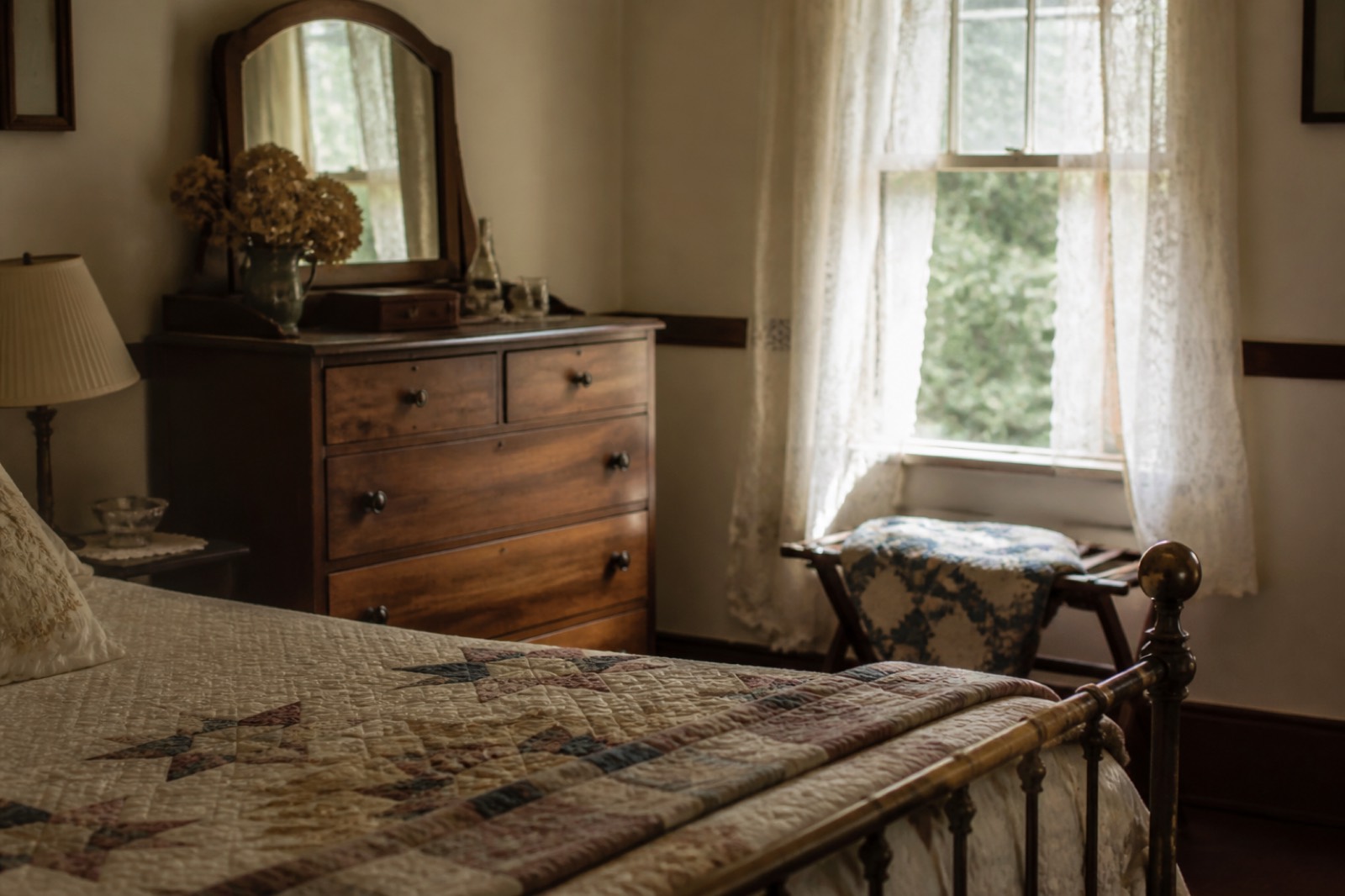
Typical flow: target identification (B&B brokers, business-for-sale marketplaces, direct seller outreach); preliminary review; LOI with contingencies (financing, inspection, zoning/permit verification, financial diligence); due diligence covering real estate, business operations, permits, and booking economics; SBA loan application (often in parallel with diligence); definitive purchase agreement; closing with property transfer, business asset transfer, and license/permit transitions; operations transition with typically a brief seller assist period.
Timeline runs 3-6 months from LOI to closing typically, SBA financing and license transfers are usually the longest critical-path items. Our walkthrough on how to buy a winery or vineyard covers land valuation, brand, and seasonal cash flow patterns.
Maximizing Success Post-Close
Patterns that distinguish successful B&B acquisitions:
Preserve what works while improving thoughtfully. Existing repeat guests, reviews, and reputation are valuable. Avoid radical changes in the first season; learn before changing.
Invest in direct booking. Reducing OTA dependence, through stronger website, repeat-guest program, owned email list, meaningfully improves margins over time. Our companion guide on how to buy a motel covers the unique unit economics of independent motel acquisition.
Maintain review quality. In hospitality, reviews drive bookings. Service consistency, quick response to negative reviews, and continuous improvement of the guest experience compound over years.
Plan capital improvements. B&B properties need ongoing investment. Plan for periodic refresh (rooms, common areas) and capital projects. Budget for it from day one.
Build a backup. Plan for time off. Identify trustworthy substitute help. Build a few weeks per year of break into your operating model, owner burnout is a real failure mode in B&B ownership.
Be patient with brand changes. Building a B&B brand and reputation takes years. Buyers who commit to multi-year strategies typically outperform those who expect quick repositioning to work.
Is a B&B Right for You?
Honest fit check:
B&Bs work for buyers who: actively want the lifestyle and community involvement; have realistic expectations about operating intensity; have capital for proper purchase plus reserves; have hospitality temperament; can commit to multi-year ownership without expecting quick exit.
B&Bs typically don’t work for buyers who: are seeking passive income; underestimate the lifestyle commitment; are under-capitalized; have no hospitality interest; are buying primarily because the property appeals as real estate without engaging with the business reality.
Done with proper capital, realistic expectations, and genuine commitment to both the business and the lifestyle, owning a B&B can be financially viable and personally rewarding. Done as a passive investment or lifestyle dream without operating commitment, it tends to disappoint. The successful owners respect the business for what it actually is and embrace the lifestyle it requires.
Conclusion
Frequently Asked Questions
How much does it cost to buy a B&B?
Widely variable. Small B&Bs (3-5 rooms): $500K-$1.5M total, $200K-$500K equity. Mid-size (6-12 rooms): $1M-$3M total, $300K-$1M equity. Larger inns (15+ rooms): $2M-$5M+ total. SBA 7(a) financing typically covers the balance. Add operating reserves.
Can I finance a B&B purchase with an SBA loan?
Yes, small hospitality businesses are a recognized SBA 7(a) category, and specialty SBA lenders familiar with B&B and inn acquisitions are commonly used. Generalist banks unfamiliar with the asset class are harder. Larger deals may use commercial real estate financing and specialty hospitality lenders.
Is buying a B&B a good investment?
Depends on the buyer. For an owner-operator who actively wants the lifestyle and commits to operating intensity, B&Bs can be financially viable and personally rewarding. For passive investors expecting hands-off returns, B&Bs typically disappoint, the operating model requires owner engagement.
What’s the diligence checklist for a B&B?
Real estate condition (professional inspection, often with specialist add-ons for historic properties), room and booking economics (occupancy, ADR, RevPAR, seasonality), OTA and direct booking mix, reviews and brand strength, permits and zoning (B&B use, food service, fire safety), local tourism and demand dynamics, and staff/owner-involvement model.
How do I know if a B&B’s revenue is sustainable?
Look at trended booking data over multiple years, not just trailing-12-month snapshots. Watch occupancy rates by month, ADR trends, source-of-booking mix, and review trajectory. Compare to local-market benchmarks. Sustainable revenue shows stable or growing occupancy with strong reviews and diversified booking sources.
Do I have to live at the B&B?
For most owner-operator B&Bs at smaller scales, yes, owner residence is on-property (either within the inn or a separate house on the property). Larger inns can support absentee ownership with general management, but the staffing costs change the economics. Either way, the lifestyle implications are real.
What permits do I need to operate a B&B?
Varies by location. Common requirements: zoning approval or B&B use permit, food service license (breakfast service is regulated), occupancy permits, fire safety compliance, sometimes short-term-rental registration, possibly alcohol license if serving beverages. Confirm specifics with local authorities and a lawyer familiar with the jurisdiction.
How does OTA dependence affect B&B economics?
OTAs (Airbnb, Booking.com, Expedia) typically take 15-25% commission. Heavy OTA dependence reduces margin substantially. Strong direct booking channels (B&B’s own website, repeat guest list, email marketing) improve economics meaningfully. Diversifying away from OTA dependence is a common strategic priority post-acquisition.
What are the biggest risks in buying a B&B?
Underestimating the owner-operator commitment (lifestyle mismatch), deferred property maintenance discovered post-close, seasonal cash flow without adequate reserves, OTA-dependent margin compression, review decline if service slips, and zoning/permit complications. Diligence and realistic expectations address most of these.
How long does it take to buy a B&B?
Typically 3-6 months from LOI to closing. SBA financing and license transfers are usually the longest critical-path items. Real estate diligence (inspection, environmental if warranted) also takes time. Build slack into expectations.
Where can I find a bed and breakfast for sale?
Start with inn-only directories such as BedandBreakfastForSale.com, specialist inn brokers such as The B&B Team and White Stone Brokers, and the bed and breakfast category on BizBuySell. Some owners list as a residential or historic property instead, and some sell quietly through innkeeper networks, so direct letters to owners in your target town can also find inns before they list.
Is owning a bed and breakfast profitable?
It can be, but profit depends on room count, occupancy, rates, and how much of the work the owner does. Small inns often pay the owner a modest income plus housing, while larger inns can support staff and still earn a return. Before buying, rebuild the profit from tax returns and booking data, and include a market wage for the work you will do yourself.
Related Guide: How to Buy a Motel,
Related Guide: How to Buy a Campground or RV Park,
Related Guide: SBA 7(a) Loan for Business Acquisition,
Related Guide: How to Evaluate a Small Business for Acquisition,
Want a Specific Read on Your Business?
30 minutes, confidential, no contract, no cost. You leave with a read on your local buyer market and a likely valuation range.
30 N Gould St, Ste N, Sheridan, WY 82801, USA · (307) 487-7149 · Contact