
How to Buy a Campground or RV Park (2026 Buyer’s Guide)
Christoph Totter · Managing Partner, CT Acquisitions
20+ home services M&A transactions across HVAC, plumbing, pest control, roofing · Updated April 27, 2026
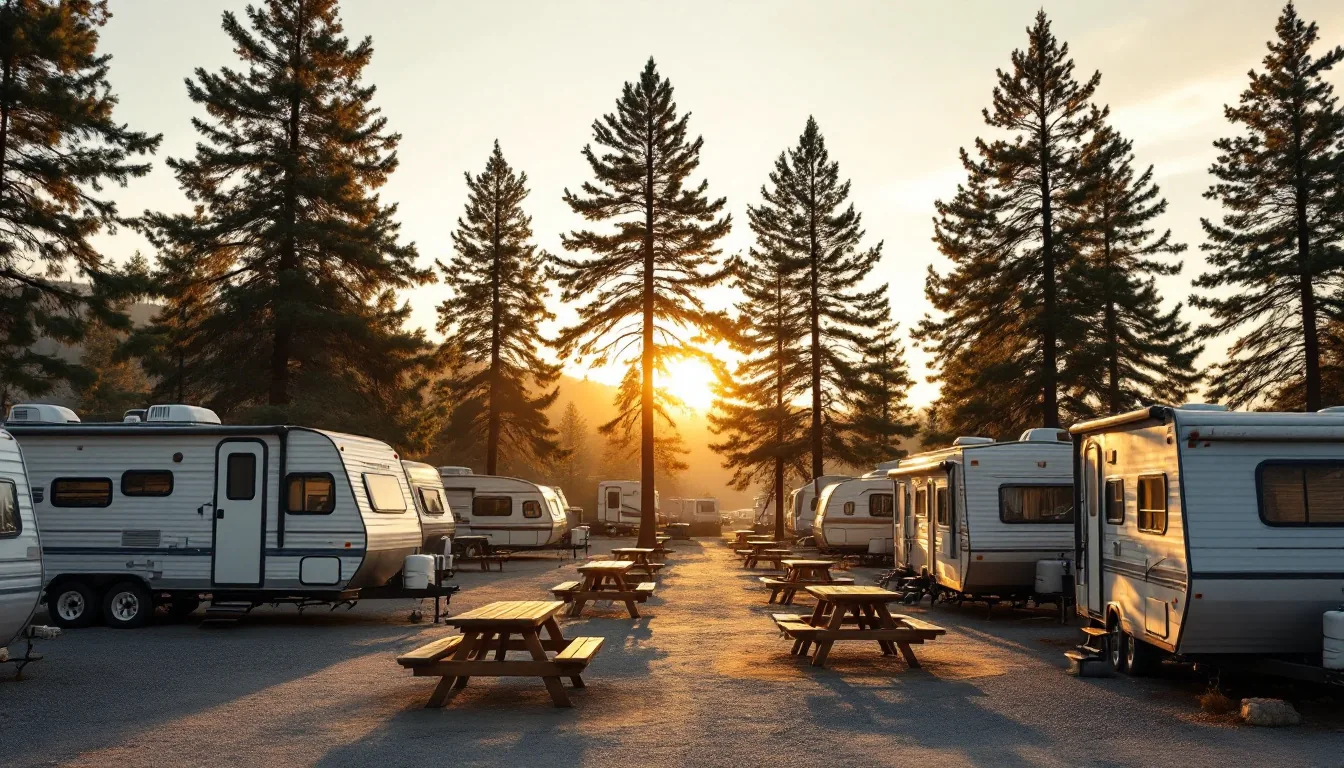
This guide covers how to buy a campground or RV park in 2026: what you are paying for, what parks cost, how to finance the deal, what to check in diligence, and what running one looks like after closing. Most of the value sits in the land and the sites, so buyers who treat the deal as both real estate and a hospitality business tend to price it right.
“Campgrounds and RV parks are quietly attractive small-business real estate plays, anchored by land, scaled by sites, and increasingly professionalized by larger operators consolidating the space.”
TL;DR, the 90-second brief
- Campgrounds and RV parks are real estate-anchored businesses combining hospitality, recreation, and (often) seasonal operations.
- Capital requirements typically run $500K-$3M+ in equity for smaller parks, $1M-$5M+ for larger and amenity-rich operations.
- Real estate is usually the majority of deal value; site count, utility infrastructure, and amenities drive valuation.
- Financing through SBA 7(a), commercial real estate loans, and specialty outdoor-hospitality lenders.
- Diligence focuses on real estate condition, utility/infrastructure adequacy, occupancy trends, amenities, permits, and seasonal vs. year-round economics.
Key Takeaways
- Campgrounds and RV parks are real estate-anchored hospitality businesses with growing demand.
- Capital requirements: $500K-$3M+ equity for smaller parks; $1M-$5M+ for larger destination resorts.
- Real estate is typically the majority of deal value; site count, utilities, amenities drive valuation.
- Financing: SBA 7(a), commercial real estate loans, specialty outdoor-hospitality lenders.
- Diligence covers real estate, utility infrastructure adequacy, occupancy trends, amenities, permits, and seasonality.
- Year-round operations economics differ meaningfully from seasonal-only properties.
- Industry consolidation by national operators is creating active acquirer competition for quality parks.
- Operating models range from owner-operator (smaller) through professional management (larger destination resorts).
What You’re Buying
For 2026 MHP acquisition playbook (2026) covering lot rent underwriting, cap rate analysis, infrastructure due diligence, financing, and first-time buyer mistakes, see our reference.
For 2026 how to buy an RV park with 7x-13x EBITDA multiples, cap rate math, and infrastructure diligence, see our reference guide.
A campground or RV park acquisition involves several stacked components:
The real estate. Substantial acreage, typically. Site count, site sizes, layout, infrastructure (utilities, roads, drainage), location attributes (proximity to attractions, scenic value, access). Real estate is often the majority of the deal value and the underlying long-term asset.
The site inventory. The number of sites (RV sites with utilities, tent sites, cabin rentals if present), categorized by type (back-in vs. pull-through, full hookup vs. partial, premium vs. standard). Each site is a revenue-producing unit; the count and mix drive the business economics.
The amenities. Pool, clubhouse, laundry, store, propane, dump station, playground, pickleball courts, dog parks, planned activities, wi-fi. Modern RV park guests increasingly expect amenities; properties with strong amenity stacks command premium pricing and higher occupancy.
The operations. Reservations system, staff (often seasonal), maintenance, housekeeping for cabins, hospitality service. Operational professionalism varies enormously across the industry, some parks run on spreadsheets and the owner’s personal management; others use sophisticated software and full operational teams.
The brand. Online reviews (Google, TripAdvisor, Campendium, RVParking.com, others), brand association if affiliated (KOA, Good Sam-rated, etc.), repeat guest base, website. Reviews drive bookings more than any other single factor in this category.
What They Cost
Capital ranges vary widely with size, location, amenities, and seasonality:
Smaller rustic campgrounds (30-60 sites, basic infrastructure): $500K-$1.5M total deal size; $200K-$500K equity typical.
Mid-size RV parks (60-150 sites, full hookups, basic amenities): $1.5M-$5M total; $500K-$1.5M equity.
Larger destination RV resorts (150+ sites, extensive amenities, premium locations): $5M-$25M+ total; $1.5M-$8M+ equity.
Premium destination resorts (luxury, beach/mountain locations, full amenity stacks): $15M-$50M+.
Beyond equity: working capital for seasonal cash flow patterns, deferred maintenance (very common in this category), infrastructure investments (utility upgrades, road maintenance), and amenity additions to support pricing.
Diligence on a Campground/RV Park
Key diligence focus areas:
Real Estate and Infrastructure
Acreage, site layout, roads (paved vs. gravel, drainage), utility systems (electric capacity, water source, septic or sewer, propane), buildings (office, store, bathhouses, clubhouse). Professional property inspection essential. Utility infrastructure deserves specialist attention, septic capacity, water system condition, electrical capacity for modern RVs with 50-amp service.
Site Inventory and Mix
Total sites, breakdown by type (RV full hookup, partial, tent, cabin), site sizes (modern Class A RVs need larger sites), pull-through vs. back-in ratio. The site mix drives the revenue profile and which guest segments the property serves.
Occupancy and Revenue Trends
Multi-year occupancy data by month, ADR (average daily rate) by site type, RevPAR-equivalent for the property, revenue from cabins/amenities/store. Watch for trend patterns, growing, stable, or declining.
Reviews and Brand
Google, Campendium, RVParking.com, TripAdvisor reviews. Trend in volume and rating. Reviews drive bookings in outdoor hospitality; strong consistent reviews are a real asset, declining trends are a problem.
Permits, Zoning, and Regulatory
Site permits and zoning compliance, environmental permits, water/septic permits, food service if applicable, alcohol if applicable, building permits for any cabin/amenity structures. Some parks have grandfathered permits that don’t transfer to new owners, confirm transferability.
Seasonal vs. Year-Round Economics
Seasonal parks have concentrated revenue windows and dormant months. Year-round parks (warm climates, snowbird markets) have more consistent revenue but typically different competitive dynamics. Understand which model the property operates and what the realistic operating year looks like.
Long-Term Guests / Seasonal Renters
Many parks have long-term seasonal guests who occupy sites for months. These provide revenue stability but at lower per-night rates. Mix between transient (higher rate, more turnover) and long-term seasonal (lower rate, occupancy stability) is a strategic question.
Want a specific read on your business?
CT Acquisitions advises buyers on outdoor hospitality acquisitions. We help structure deals across the real-estate + operating-business stack and navigate the diligence specific to campgrounds and RV parks. Book a confidential call.
Financing and the Buying Process
To buy a campground, line up cash and financing first, find listings through campground marketplaces and specialist brokers, and screen several years of occupancy and tax records. Then make an offer subject to financing, inspection and permit transfer, and verify the land, utilities, septic, water and reviews before closing. Plan to run it hands-on in the first season.
Financing options: SBA 7(a) loans are common for smaller and mid-size campground acquisitions; commercial real estate loans for larger deals; specialty outdoor-hospitality lenders (several active in this space) for sophisticated buyers. Real estate-heavy deals often blend commercial mortgage with operating financing.
Process flow: target identification (specialty brokers focused on outdoor hospitality, business-for-sale marketplaces, industry-association networks); preliminary review; LOI with contingencies (financing, inspection, environmental as warranted, license transfers); diligence covering real estate, infrastructure, operations, permits, and seasonality; financing finalization; definitive agreement; closing with title transfer and license transitions; operations transition.
Timeline typically 3-6 months from LOI to closing.
Tips for Buying an Established Campground
Buying an established campground gets you permits, sites, utilities and a guest list on day one, which is why most first-time buyers buy rather than build. The trade-off is that you also inherit the seller’s habits, deferred repairs and reviews. These tips come up again and again in campground deals.
- Treat it as a lifestyle decision first. Smaller parks usually need the owner on site through the season, often living there. The Campground Connection’s advice to first-time buyers puts lifestyle ahead of the business case, and that matches what buyers report after their first summer.
- Get cash-ready before you shop. Good parks sell to buyers who can move. Parks and Places, a campground brokerage, tells buyers to sell other property and line up funds early so they can act when the right listing appears.
- Look where campgrounds are listed. Campground-specific marketplaces such as The Campground Marketplace and The Campground Connection carry far more parks than general business-for-sale sites, and specialist brokers often hear about parks before they list.
- Ask about seller financing early. Many campground sellers are long-time owners who will carry part of the price. If you also use an SBA loan, the lender decides how much of that note counts toward your down payment, so get the structure approved before the LOI.
- Price the tent and RV sides separately. Tent sites, RV sites, cabins and glamping units earn very different nightly rates and carry different costs. Underwrite each site type on its own history rather than on a blended park average.
- Check the franchise option. KOA and Jellystone Park both offer conversion programs for existing independent parks. A brand can lift bookings, but it brings fees and standards, so model the park with and without it.
- Verify the off-season. Ask what the park earns and spends in its quiet months, and confirm you can carry insurance, taxes, utilities and key staff until the next season starts.
Operating Reality
Key operational considerations:
Seasonal labor. Most parks rely on seasonal staff, sometimes ‘workamper’ arrangements (RV-owning seasonal workers in exchange for site + modest pay), sometimes hired seasonal staff. Recruiting and managing seasonal workforce is a real ongoing task.
Maintenance. Outdoor properties demand continuous maintenance, utility systems, roads, buildings, sites, landscaping. Many parks suffer from accumulated deferred maintenance that the new owner inherits. For roadside and budget-hospitality buyers, see how to buy a motel.
Reservations technology. Modern reservations software (Campspot, Campground Manager, RMS, others) is increasingly standard. Older parks running on legacy systems or paper face migration projects post-acquisition.
Marketing and bookings. Direct booking through park website and reservations system, plus marketplace exposure (Campendium, RVParking.com, KOA system if affiliated). OTA dependence is less than B&Bs/motels but still meaningful.
Community and culture. Long-term seasonal guests often become a community; the culture of the park matters to retention. Buyers who respect existing culture while improving operations typically retain occupancy better than those who change everything quickly.
Putting It Together
Campgrounds and RV parks are real estate-anchored hospitality businesses with strong tailwinds: growing outdoor recreation demand, RV ownership trends, and an industry being professionalized by larger consolidators creating active acquirer competition. Capital requirements range widely from $200K-$500K equity for smaller properties through $1.5M-$8M+ for larger destination resorts.
Successful buyers pay attention to real estate and infrastructure (the underlying asset), site inventory and mix (the revenue units), occupancy and review trends (the demand picture), and the operational realities of seasonal labor, ongoing maintenance, and modern reservations technology. They distinguish between transient-heavy economics (higher ADR, more management) and long-term-seasonal-heavy economics (more stability, lower per-site rates). They understand whether the asset is seasonal or year-round and underwrite accordingly.
Done well, campground and RV park ownership combines real estate appreciation, growing demand fundamentals, and meaningful operating cash flow. Done casually, the deferred maintenance, infrastructure liabilities, and operating intensity surprise buyers who treated the acquisition as passive real estate. Treat it as the hospitality-and-real-estate stack it actually is, and the rewards across both dimensions can be substantial.
Conclusion
Frequently Asked Questions
How much does it cost to buy a campground?
Smaller rustic campgrounds: $500K-$1.5M total, $200K-$500K equity. Mid-size RV parks: $1.5M-$5M total, $500K-$1.5M equity. Larger destination RV resorts: $5M-$25M+ total. Premium destination resorts: $15M-$50M+. SBA 7(a) and commercial real estate financing typically cover the balance.
How are campgrounds and RV parks valued?
A combination of real estate value (acreage in the relevant market plus improvements) and operating business value (typically a multiple of EBITDA, with multiples reflecting occupancy, site mix, amenity quality, brand strength, and seasonality). For most deals real estate is the majority of value.
What’s the best way to finance an RV park acquisition?
SBA 7(a) for smaller and mid-size deals; commercial real estate financing for larger deals; specialty outdoor-hospitality lenders for sophisticated buyers. Many deals blend commercial mortgage (for the real estate) with operating financing. Specialty lenders familiar with outdoor hospitality are easier to work with than generalist banks.
What should I diligence on a campground?
Real estate and infrastructure (utilities, roads, drainage, often with deferred maintenance), site inventory and mix, multi-year occupancy and ADR trends, review trajectory (Google, Campendium, RVParking.com), permits and zoning, food service or alcohol licenses if applicable, transient vs. long-term-seasonal mix, and seasonal vs. year-round operating economics.
How important are amenities in campground value?
Increasingly important. Modern RV guests expect amenities, pool, clubhouse, wi-fi, laundry, dog parks, planned activities, pickleball courts. Properties with strong amenity stacks command premium pricing and higher occupancy; properties with minimal amenities are increasingly competing on price.
Should I buy a seasonal or year-round park?
Different economics. Seasonal parks have concentrated revenue windows and dormant months but often lower competition and price premium during peak. Year-round parks (warm climates, snowbird markets) have more consistent revenue but different competitive dynamics. Both can work; underwrite each on its specific operating year.
Who’s buying campgrounds these days?
Individual buyers (often first-time hospitality buyers), small operator groups, professional outdoor-hospitality operators, national consolidators (Sun RV Resorts, Equity LifeStyle, others), and increasingly PE-backed platforms building portfolios. The buyer mix has shifted meaningfully toward institutional/professional buyers in recent years.
What about long-term seasonal guests vs. transient guests?
Many parks blend the two. Long-term seasonal guests provide revenue stability and occupancy at lower per-night rates; transient guests command higher rates with more turnover. The mix is a strategic choice; many successful operators target a deliberate balance based on their property and market.
How long does it take to buy a campground?
Typically 3-6 months from LOI to closing. Real estate diligence, financing (especially SBA), and license transfers are usually the longest critical-path items. Larger or more complex deals can run longer.
What are the biggest risks in buying a campground?
Deferred maintenance discovered post-close (very common), utility infrastructure inadequacy (especially electrical capacity for modern RVs, septic capacity), occupancy decline if reviews slip, seasonal cash flow without adequate working capital reserves, and underestimating the operational intensity of running an outdoor hospitality property. Diligence and proper capital planning address most of these.
Can owning a campground be profitable?
Yes, when occupancy is steady and the owner controls costs, but profit in smaller parks often depends on the owner’s own unpaid labor. When you underwrite a park, pay yourself or a manager a market wage in the model, budget for deferred repairs to utilities and roads, and check that peak-season cash covers the slow months. A park that only works with free owner labor is a job, not an investment.
Can you buy a campground with no money down?
Rarely. Under SBA SOP 50 10 8, a change-of-ownership loan needs at least a 10% equity injection, and a seller note counts toward it only if it stays on full standby for the life of the loan. Without SBA debt, a seller who finances most of the price is the usual route to a very small down payment, and that seller will want proof you can run the park.
Related Guide: How to Buy a Bed and Breakfast,
Related Guide: How to Buy a Motel,
Related Guide: SBA 7(a) Loan for Business Acquisition,
Related Guide: How to Evaluate a Small Business for Acquisition,
Want a Specific Read on Your Business?
30 minutes, confidential, no contract, no cost. You leave with a read on your local buyer market and a likely valuation range.
30 N Gould St, Ste N, Sheridan, WY 82801, USA · (307) 522-0262 · Contact