
How to Buy a Winery or Vineyard (2026 Buyer Guide)
Christoph Totter · Managing Partner, CT Acquisitions
20+ home services M&A transactions across HVAC, plumbing, pest control, roofing · Updated April 27, 2026
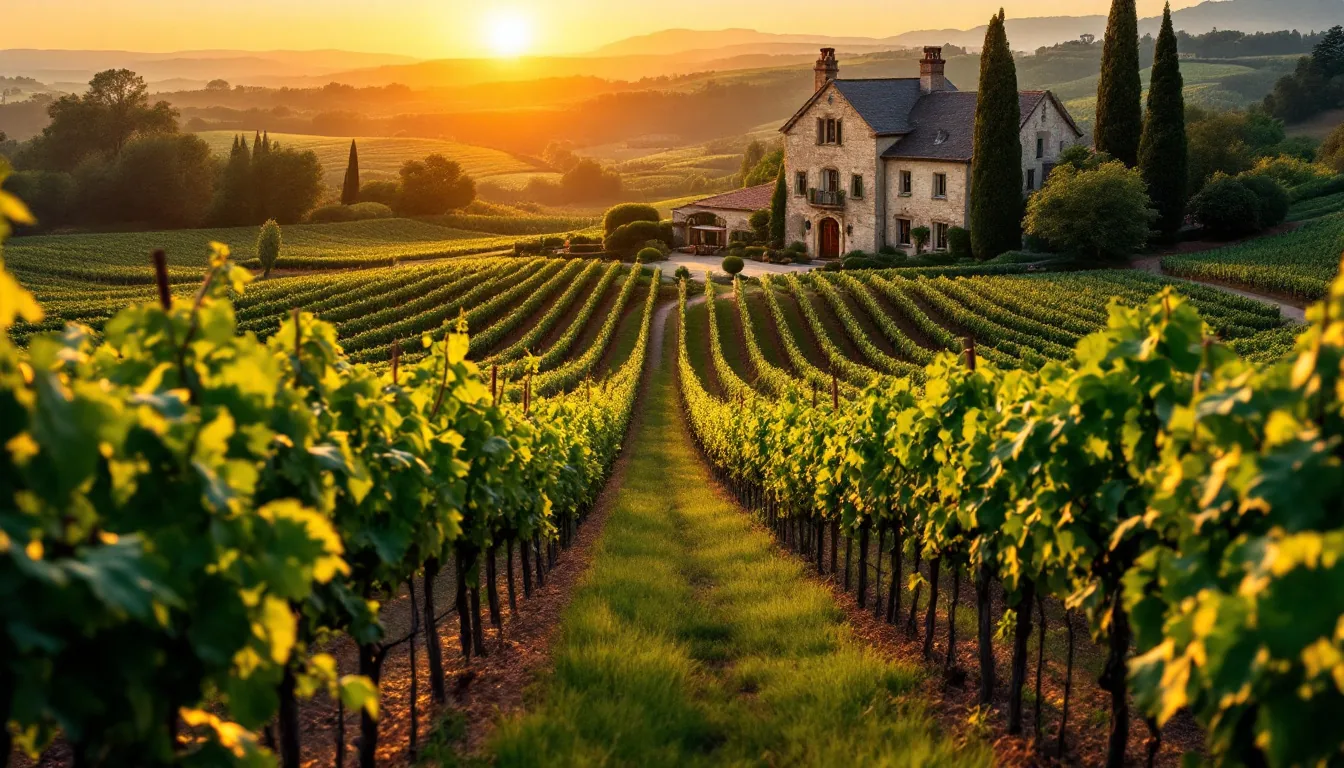
“A winery isn’t a romantic real estate purchase, it’s a five-business stack: a farm, a factory, a brand, a hospitality venue, and a DTC company. The buyers who do well are the ones who understand all five.”
TL;DR, the 90-second brief
- Buying a winery or vineyard is buying a complex business spanning agriculture, manufacturing, branded consumer goods, hospitality, and direct-to-consumer commerce.
- Three distinct asset stacks: the land/vineyard (agriculture), the winery (production), and the brand (DTC, wholesale, club).
- Capital requirements range widely, from $1M-$3M for a small estate winery up to $20M+ for a substantial brand with quality vineyard.
- Licensing is regulated at federal (TTB), state (ABC), and sometimes county level, and licenses don’t always transfer cleanly.
- Diligence covers vineyard health, wine inventory, brand strength, distribution agreements, club/DTC base, equipment, and operations.
Key Takeaways
- A winery/vineyard is multiple stacked businesses: agriculture (vineyard), manufacturing (winery), branded consumer products, hospitality, and DTC commerce.
- Buyers can acquire vineyard only, winery only, or a fully integrated estate operation, different complexity and capital at each level.
- Capital requirements range from $1M-$3M for small operations to $20M+ for substantial branded estates.
- Licensing is multi-layered: federal (TTB), state alcoholic beverage authorities, and sometimes county, and licenses do not always transfer automatically.
- Diligence is intensive across vineyard health, wine inventory value, brand and distribution, club/DTC, equipment, and operations.
- Wine inventory is a real balance-sheet item with vintage-specific valuation considerations.
- Working capital and operating capital needs are substantial, plan for cash flow beyond the purchase price.
Related: sell a winery. Our winery page covers who is buying, how a confidential process works, and what to prepare.
What You’re Actually Buying
The first thing a serious winery buyer needs to understand is that a winery is not one business but several stacked together. The shape and value of the deal depends on which of these the buyer is actually acquiring.
The vineyard (agriculture). Land planted to wine grapes, of specific varietals, on specific rootstocks and trellising, with specific soils, microclimate, and production history. Vineyards are productive agricultural assets whose value depends on appellation/region, vine age and health, varietal mix, yields, and the quality of grapes produced. Vineyards can be sold separately from wineries (grape-grower business) or as part of an integrated estate.
The winery (manufacturing). The physical facility, fermentation tanks, presses, crush pad, barrel storage, bottling line, lab, warehouse, plus the equipment and the operating systems. Wineries can be production-only operations (custom-crush, contract production) or part of a vertically integrated estate.
The brand and label. Branded wines marketed under a specific label, with their own positioning, pricing, distribution relationships, customer following, ratings/awards history, and DTC presence. Strong brands carry meaningful goodwill above the physical assets; weak brands carry little.
The hospitality operation. Tasting room, events venue, possibly accommodation. This is real hospitality business, staff, hours, customer experience, food/beverage compliance, possibly licensed for additional services. Hospitality revenue and DTC sales it drives can be substantial.
The DTC and wine club. Direct-to-consumer sales (tasting room, e-commerce, wine club shipments) is increasingly important to winery economics. A strong wine club with thousands of members generating recurring shipments is a major asset; building one from scratch takes years.
Different deals involve different combinations. Buying a vineyard with no winery is a different deal from buying a winery and brand with leased vineyards. Buying a fully integrated estate (vineyard + winery + brand + hospitality + DTC) is the most complex. The buyer should be clear on what they’re actually acquiring.
What Wineries and Vineyards Actually Cost
Capital requirements for winery acquisitions range widely. The reference points below are rough but help calibrate expectations:
Small estate winery ($1M-$3M). A small operation, perhaps 5-20 acres of vineyard, a modest winery facility, a small brand producing a few thousand cases per year, basic tasting room. Buyers at this scale are often individual buyers seeking lifestyle ownership combined with serious operating intent.
Mid-size winery ($3M-$10M). A more substantial operation, 20-80 acres of vineyard, full winery facility, established brand producing 5,000-25,000 cases, real tasting room and DTC presence. Buyers include private investors, smaller wine groups, and family-office strategies.
Larger branded winery ($10M-$30M+). Significant vineyards in quality appellations, substantial production (25,000-100,000+ cases), strong brand with national distribution, strong DTC and wine club. Buyers include strategic wine companies, larger family offices, and PE investors building wine portfolios.
Premium estates ($30M+). Top-quality appellations (Napa Valley, Sonoma, Willamette Valley, etc.), prestige brand, established critical reception, allocations-based distribution. Buyers are typically strategic wine industry players or ultra-high-net-worth individuals.
Beyond purchase price, working capital and operating capital are substantial. Wine inventory ties up significant cash for years (vintage, barrel-age, bottle-age). The annual operating cycle (harvest, crush, fermentation, aging, bottling, release) requires sustained funding. Capital improvements (replanting blocks, equipment upgrades, hospitality renovations) come up regularly. Buyers should plan for substantial reserves beyond the purchase price.
Licensing and Regulatory Landscape
Wineries are regulated businesses across multiple layers. Buyers need to plan for licensing, and crucially, understand that licenses don’t always transfer automatically with the business:
Federal: TTB
The Alcohol and Tobacco Tax and Trade Bureau (TTB) regulates alcohol production at the federal level. Wineries hold a TTB Basic Permit and Brewer’s/Distiller’s authorizations as applicable. New ownership generally triggers a new TTB application and approval process, with associated documentation, background checks, and processing time.
State: ABC and Equivalent
Each state has its own alcoholic beverage regulator (California ABC, etc.) governing winery licensing in that state. Requirements vary substantially by state. Some states require new ownership applications; others allow license transfers under defined conditions. State licensing is often the longest part of the timeline.
Direct-Shipping Compliance
DTC shipping across state lines is regulated state-by-state, with each state setting its own requirements for direct-to-consumer wine shipments (permits, taxes, volume limits, common-carrier requirements). Buyers inheriting a DTC operation inherit a state-by-state compliance footprint that must be maintained or rebuilt.
Distribution and Three-Tier
Wholesale distribution in most US states operates under the three-tier system (producer → distributor → retailer) with state-by-state regulation. Distribution agreements, wholesale relationships, and state franchise-law protections all come up in winery acquisitions.
County and Local
Many wine regions have county or local regulation on top of federal and state, particularly around tasting room operations, hospitality, food service, events, and land use. Local zoning and use permits matter, especially for buyers planning to expand hospitality.
Want a specific read on your business?
CT Acquisitions advises buyers on specialty acquisitions including wineries and vineyards. We help structure the deal, navigate licensing, and run the multi-dimensional diligence that protects the buyer. Book a confidential call.
Diligence on a Winery Acquisition
Winery diligence is intensive across the multiple business dimensions. Key focus areas:
Vineyard health and productivity. Walk the vineyards with an experienced viticulturalist. Assess vine health (disease pressure, virus status, vigor), age (years to replant), varietal mix (matches market demand?), yields (sustainable or pushed?), and farming history (organic/biodynamic certifications, pesticide use, soil health). Vineyard problems can take years and substantial capital to fix.
Wine inventory by vintage. The wine in tank, barrel, and bottle is a real balance-sheet asset. Inventory should be reviewed bottle by bottle (or barrel by barrel) with vintage-specific valuation, recent vintages, in-barrel wines, library wines, and any problem inventory all treated appropriately. An experienced wine industry advisor can value inventory realistically.
Brand strength and trajectory. Distribution presence, retail accounts, ratings and reviews (Wine Spectator, Wine Advocate, James Suckling, etc.), pricing power, allocations status, brand reputation. Look for trajectory: is the brand strengthening or weakening? Recent ratings vs. historical?
DTC and wine club. Member count, retention rates, average member value, shipping logistics, e-commerce platform, marketing pipeline. A strong wine club is one of the most valuable assets in modern winery economics; a weak one is a real gap to address.
Distribution agreements. Wholesale relationships, terms with key distributors, state-by-state distribution footprint, franchise-law protection in relevant states. Distribution can be the single biggest value or biggest constraint of a wine brand.
Equipment condition and capacity. Tanks, presses, barrels, bottling, refrigeration. Document age, condition, and remaining useful life. Equipment replacement is a substantial capital obligation that buyers shouldn’t be surprised by.
People and operations. Winemaker (often a key person), vineyard manager, hospitality manager, sales/distribution leadership. Who stays after the sale? Where is the operation dependent on specific individuals?
Hospitality and tasting room. Visitor counts, sales per visitor, club conversion rates, events business, special-event compliance. Hospitality is often a high-margin and growing revenue line if well-run.
Key Risks to Watch
Several specific risks recur in winery acquisitions and deserve focused attention:
Vineyard disease (especially virus). Grapevine viruses (leafroll, red blotch, others) can quietly degrade vineyard productivity and quality over years. Replanting is the typical remedy and is expensive and slow. Test before buying.
Vintage variability. Wine quality and yields vary by vintage. A single weak vintage shouldn’t be deal-breaking; a pattern of declining quality vintage-over-vintage is concerning.
Brand decay. Brands can decline quietly, fewer ratings, weakening distribution, lower pricing power. The DTC numbers may mask wholesale erosion. Look at trajectory carefully.
Distribution loss. Major distribution agreements can be lost, particularly during ownership changes. The buyer’s plan for retaining or replacing distribution matters.
Tasting room dependence. If the entire DTC operation runs through one tasting room location and that location is at risk (lease, zoning, hospitality permit), the DTC business is at risk too.
Owner dependence. Wineries are often built around a charismatic founder, winemaker, or family. Acquisitions need realistic plans for what happens when the founder leaves. Customer loyalty often follows people, not just labels.
Capital underestimate. Buyers consistently underestimate ongoing capital needs, vineyard replanting cycles, equipment replacement, hospitality refresh, inventory build. Plan generously.
The Acquisition Process
Here’s how a winery acquisition typically progresses:
Target identification. Through wine-industry M&A advisors, brokerage networks specializing in wineries, industry connections, or direct approaches to known sellers. Specialty wine M&A advisors are typically the most efficient channel, they know the industry, can pre-qualify both sides, and have valuation experience.
Initial review and LOI. Review preliminary financials, vineyard data, brand metrics, and DTC information. Sign an LOI that conditions closing on satisfactory diligence, license approvals, and other standard contingencies.
Diligence. The intensive multi-dimensional diligence outlined above. Engage specialist advisors, viticulturalist for vineyards, wine industry M&A advisor for brand/distribution, accountant for inventory accounting, deal lawyer experienced with alcohol licensing.
Definitive agreement. Negotiate the purchase agreement. Wine industry deals include specific provisions around inventory accounting, vintage-specific quality adjustments, license transfer cooperation, key-person retention, and ongoing relationships with the seller (consulting roles for departing winemakers are common).
Licensing applications. Federal TTB application, state ABC application, possibly county/local permits. These run on regulatory timelines and often extend the overall deal calendar.
Financing and closing. Wineries can be financed with bank debt (often agricultural credit, SBA in some cases, or specialty wine-industry lenders), seller financing, equity from co-investors. Closing usually waits on the licensing approvals.
Operations transition. Vintage transitions, winemaker transitions if applicable, DTC platform migrations, distribution communications, tasting room continuity. The first vintage under new ownership is the operational shake-out.
Is a Winery Right for You?
Honest framing on fit:
Wineries can be a good acquisition for buyers who: have substantial capital ($1M-$30M+ depending on level) plus operating reserves, are willing to run a complex multi-dimensional operating business, have or will develop wine industry expertise (winemaking, distribution, marketing), accept long capital cycles (wine inventory ages for years), value the lifestyle and quality-of-life dimensions alongside financial returns, and are comfortable with the regulatory complexity.
Wineries are typically not a fit for buyers who: are seeking primarily financial returns with quick payback, underestimate the capital requirements, expect to operate passively, have no wine industry background and no plan to develop one, can’t tolerate vintage variability and long inventory cycles, or are buying primarily because the romance appeals but the operational reality doesn’t.
Done with realistic capital, qualified advisors, and clear expectations, owning a winery or vineyard can be both financially rewarding and personally meaningful. Done casually or as a romantic indulgence, it’s a complex, capital-hungry operating business that humbles its owners fast. The buyers who succeed are the ones who respect the business for what it really is: a five-stack of operating businesses (farm + factory + brand + hospitality + DTC), each demanding real attention and capital. Run them well, and the rewards are real. Underestimate them, and the lessons are expensive.
Conclusion
Frequently Asked Questions
How much does it cost to buy a winery?
Widely variable. Small estate wineries run $1M-$3M, mid-size operations $3M-$10M, larger branded wineries $10M-$30M+, and premium estates in top appellations $30M and well beyond. Add substantial operating capital reserves for wine inventory cycles, vineyard reinvestment, and equipment replacement.
What am I actually buying when I buy a winery?
Up to five stacked businesses: the vineyard (agriculture/farming), the winery (manufacturing facility), the brand (branded wines with distribution and reputation), the hospitality operation (tasting room, events, possibly lodging), and the DTC/wine club operation (direct-to-consumer sales). Different deals include different combinations.
What licenses do I need to buy a winery?
Multi-layered: federal Alcohol and Tobacco Tax and Trade Bureau (TTB) basic permit; state alcoholic beverage regulator (California ABC, etc.); county/local permits for hospitality and operations; state-by-state DTC shipping permits for direct-to-consumer wine shipments. Licenses don’t always transfer automatically, new ownership often triggers new applications.
How long does it take to buy a winery?
Typically 4-12 months from LOI to closing, depending on deal complexity and licensing timelines. State alcohol licensing is often the longest single timeline component. Build slack into the deal calendar.
How are wineries valued in acquisitions?
Several reference points: real estate value of the vineyard land (regional benchmarks per acre), wine inventory at vintage-specific cost or net realizable value, equipment at replacement-adjusted value, brand goodwill (driven by recognition, distribution, ratings, DTC strength, club size), and earnings multiples for the overall going concern. Specialist wine M&A advisors triangulate these.
What’s the most important diligence in a winery acquisition?
Vineyard health (especially grapevine virus testing, leafroll, red blotch can quietly destroy vineyard value), wine inventory quality by vintage, brand strength and trajectory, distribution agreements and state-by-state footprint, DTC and wine club metrics, equipment condition, and the people the business depends on (especially winemaker).
Is a winery a passive investment?
No. A winery is an operating business that combines agriculture, manufacturing, branded consumer goods, hospitality, and DTC commerce. Passive owners typically see operations and brand deteriorate. Successful winery owners are actively engaged, themselves or through capable operating management they actively oversee.
Can I buy just a vineyard without a winery?
Yes. Vineyards (the land plus vines, without a production facility) can be acquired separately as agricultural assets. The economics are different, the buyer is in the grape-growing business, selling fruit to wineries or operating a custom-crush arrangement, rather than the integrated production and brand business.
What’s a wine club and why does it matter?
A wine club is a recurring-shipment program where members receive (and pay for) wines on a regular cadence. Strong wine clubs are major value drivers in modern winery economics, recurring revenue, high margins (DTC pricing), customer loyalty, marketing pipeline. Building one from scratch takes years; inheriting a strong one is a major asset.
What advisors do I need to buy a winery?
Specialists: a wine industry M&A advisor (brand/distribution/valuation), an experienced viticulturalist (vineyard health), alcohol-licensing counsel (federal TTB and state ABC), wine-industry-experienced accounting/tax, and possibly winemaking consulting for production diligence. Generalists usually miss specific industry issues.
Related Guide: How to Evaluate a Small Business for Acquisition,
Related Guide: Business Acquisition Due Diligence Process,
Related Guide: How to Buy a Bed and Breakfast,
Related Guide: SBA 7(a) Loan for Business Acquisition,
Want a Specific Read on Your Business?
30 minutes, confidential, no contract, no cost. You leave with a read on your local buyer market and a likely valuation range.
30 N Gould St, Ste N, Sheridan, WY 82801, USA · (307) 522-0262 · Contact