Selling a Generator Installation Company? Our Proven Approach
Quick Answer
Generator service and installation companies sell across tiers: sub-$2M residential install-only owner-operators trade at 3x to 5x SDE, integrated install-plus-service dealers at 5x to 8x EBITDA, and Generac Premier platform dealers at 7x to 10x EBITDA (CT Acquisitions analysis). Valuations are driven by recurring service revenue, dealer authorization, operational maturity, and customer retention rather than one-time installation fees alone. SDE and EBITDA multiples measure different things and are not interchangeable; buyers price sub-$1M-earnings operators on SDE. Buyers prioritize firms with steady maintenance contracts and predictable cash flow, since the standby generator market benefits from structural demand driven by aging grid infrastructure and increasing severe weather events. We help founders transition from transactional installation work to scalable service-based models that command premium valuations in an off-market process where qualified buyers compete for thesis-aligned opportunities.
Thinking about selling your business?
A 15-minute confidential call gives you a real valuation range and the buyers most likely to compete for your business. No cost, no obligation.
We guide founders through the complex process behind one clear goal: package your firm as a high-value asset that attracts the right buyer. Our focus is operational maturity, recurring revenue, and clean financials that translate into premium offers.
Your company matters. Demand for standby generators is rising as homes face unpredictable power outages. That trend makes your service a critical piece of infrastructure and a thesis-aligned opportunity for acquirers.
We help transition founder-led teams from transactional work into sustainable, high-growth enterprises. Our tools and solutions simplify operations, strengthen recurring revenue, and clarify strategic value for buyers.
If you’re actively acquiring or raising capital for high-quality opportunities, schedule a confidential call or reach out through the contact form to get started today.
Key Takeaways
- We optimize operational maturity and recurring revenue to boost value.
- Your firm serves homes facing power outages; that is strategic demand.
- We package deals so the right buyer sees long-term upside.
- Our approach moves firms from transactional work to scalable growth.
- Schedule a confidential call if you are acquiring or raising capital today.
Understanding the Current Generator Market Landscape
An aging grid and severe weather are reshaping demand for backup power across U.S. neighborhoods.
Installations for residential standby units now range from $12,000 to over $20,000. That price triggers sticker shock. Homeowners worry about cost, ongoing engine maintenance, fuel handling, and reliability during outages.
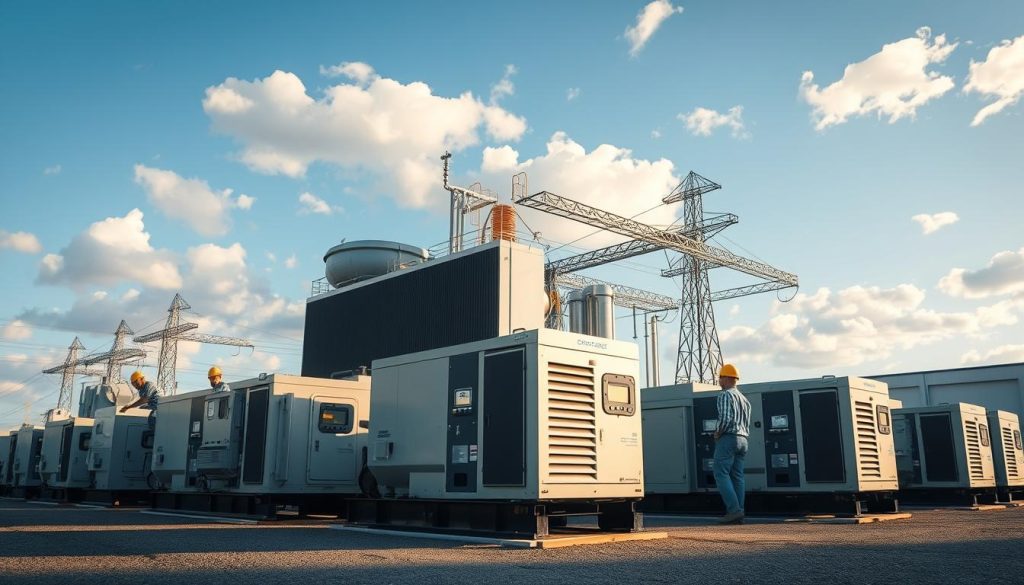
We see two persistent patterns. First, interest grows each year as outages become more frequent. Second, many deals stall because sales focus only on the initial product sale and ignore long-term support.
Market Demand Drivers
- Deferred grid investment and extreme weather increase urgency for backup power.
- Higher-priced equipment often requires clear value communication around uptime and fuel options.
- Dealers face boom-and-bust cycles tied to storm events; steady service contracts break that pattern.
Overcoming Customer Hesitation
Address practical questions early. Explain maintenance plans, warranty terms, and real-world engine performance data. Show cost over time, not just the sticker price.
“Buyers need proof that the unit will run when the lights go out.”
| Issue | Why it stalls deals | Action |
|---|---|---|
| Upfront price | Perceived as unaffordable | Present financing and lifetime cost comparisons |
| Maintenance & fuel | Fear of complexity and downtime | Offer service plans and clear fuel guidance |
| Seasonal demand | Revenue spikes are unpredictable | Build recurring revenue through contracts |
How to Sell a Generator Installation Business for Maximum Value

Make your operation verifiable and repeatable. Buyers pay for predictable sales, loyal customers, and clean records.
Christopher Daurio at SSB Tractor proves the point. He moves 50-60 units yearly by focusing on quality, competitive price, and follow-through on parts and service.
Document everything. Create a listing with high-quality images, full service history, and inventory details. That documentation answers buyer questions and reduces due-diligence friction.
- Show steady sales and customer retention.
- Highlight turnkey processes for installation, parts, and ongoing support.
- Demonstrate clear cost comparisons and warranty practices.
“A well-documented inventory and service record converts curiosity into confident offers.”
| Sell Point | Buyer Value | Action |
|---|---|---|
| Consistent sales | Revenue predictability | Provide 3 years of sales reports |
| Service history | Lower operational risk | Upload maintenance logs and photos |
| Curated inventory | Turnkey offering | Share equipment details and market price |
Investing time now raises your multiple later. We evaluate each part of your operation so every process adds valuation.
Transitioning from Transactional Sales to Recurring Revenue Models
Shifting revenue from one-off installs into predictable contracts is the single best lever for higher valuation.

The Shift to Home Comfort as a Service
We encourage dealers to present standby options as ongoing comfort, not just equipment. That repositions the product as a service for the home.
Subscription thinking reduces purchase friction and aligns your offering with long-term homeowner needs.
Benefits of Maintenance Contracts
Bundling maintenance raises average ticket value. Data shows HCaaS bundles push ticket averages up 10-20%.
Contractors using the Premier Program report 5-10% higher close rates. And retention often sits near 95%.
Improving Customer Retention
Recurring contracts smooth revenue across the year and lower reliance on weather-driven outages. That consistency is attractive to buyers.
- Convert one sale into recurring income. This increases lifetime value per customer.
- Use simple pricing and clear terms. Homeowners buy predictability, not complexity.
- We provide tools and training. Your team sells service-led solutions with confidence.
“A business that guarantees 95% retention through consistent service is far more valuable.”
Preparing Your Operational Infrastructure for Acquisition
When service histories are searchable, due diligence moves faster and offers rise.
Document every field record and technical manual. Keep logs for each generator and every engine repair. Note fuel system work and part replacements.

Organize with clarity. We help you build a parts and equipment database that buyers can query. That database shows the dealer-level care behind recurring power solutions.
- Demonstrate capacity for complex engine and fuel maintenance.
- Catalog parts, warranties, and the technical skills of your team.
- Audit sales and service records so customer data is clean and accessible.
Consistent service to each home proves low risk. A well-documented company is easier to value and transition.
“Buyers buy certainty. Clear records turn operational strength into purchase value.”
For a practical checklist and next steps, see our acquisition guide.
Leveraging Strategic Partnerships to Boost Company Valuation
Strategic partners supply not just equipment, but repeatable channels and tools. Alignments with distributors widen product catalogs and speed access to parts and engines when demand spikes.

Echo Group retailed 400-500 units per year by mixing direct sales and dealer networks. That scale matters. It gives dealers priority access and predictable inventory during major power outages.
Richard Ogawa at Gardenland Power Equipment sells 300-400 Honda generators yearly by leaning on service value rather than low price. Service events and maintenance programs create steady revenue and deepen customer trust.
We help you identify partners that bring marketing, tools, and regional reach. That support raises your sales and makes your dealer proposition more attractive to buyers.
- Priority parts access reduces downtime for engines and repairs.
- Co-marketing and events expand local customers without heavy ad spend.
- Service-led offerings shift revenue from one-off product sales into recurring contracts.
“A well-connected dealer that pairs product, parts, and service commands higher market value.”
Conclusion: Taking the Next Step in Your Exit Strategy
A disciplined exit plan converts recurring revenue into measurable multiples.
Prioritize operational clarity, steady service revenue, and clean records. That way buyers see reliable generators and ongoing value, not one-off deals.
Focus on customers, retention, and partnerships with dealers. Small changes in contracts and parts tracking raise offers materially.
We guide founders through each step and provide an exit strategy checklist and market context. For off-cycle opportunities, review our piece on off-market opportunities.
Ready to act? Schedule a confidential call today and let us help you capture the full value of your generator and power operation.

About the Author
Christoph Totter is the founder of CT Acquisitions, an M&A advisory firm working both sides of the table, headquartered in Sheridan, Wyoming. We work directly with 500+ buyers, search funders, family offices, lower middle-market PE, and strategic consolidators, including direct mandates with the largest consolidators that other intermediaries cannot access. No fee to you on buy-side introductions; sell-side mandates are paid on success at closing. Connect on LinkedIn · Get in touch
FAQ
What market signals indicate now is a good time to pursue a sale?
Look for steady regional demand, repeat service revenue, and rising residential standby installations. Strong local utility outages, increased storm frequency, and favorable financing for homeowners all raise buyer interest. We evaluate backlog, dealer relationships with brands like Generac and Kohler, and recurring maintenance income to time a market approach.
How do buyers value a company that sells standby equipment and service?
Buyers focus on predictable cash flow and customer lifetime value. They apply multiples to adjusted EBITDA and add value for service contracts, parts margins, and proprietary installation processes. Documented technician certifications, curated supplier agreements, and a loyal customer base push valuations higher.
What operational records should I clean up before engaging sponsors or private equity?
Prepare two sets: financial and technical. Financials need clean P&Ls, tax returns, and normalized owner compensation. Technical records should include service logs, parts inventory, warranty transfers, and site installation files. Clear SOPs for dispatch, warranty claims, and engine maintenance reduce buyer diligence friction.
Which revenue streams make a company more attractive to strategic buyers?
Recurring maintenance contracts, parts sales, and emergency dispatch revenue. Subscription models for home comfort services, bundled inspections, fuel checks, battery replacements, stabilize cash flow. Buyers prize predictable retention over one-off installations.
How can we demonstrate growth potential to increase offers?
Show repeatable acquisition channels, like dealer referrals, digital ads, and community events. Present scalable processes: standardized site surveys, technician training programs, and margin-improving procurement deals with manufacturers such as Generac, Briggs & Stratton, or Cummins. A clear expansion plan into adjacent markets or service territories helps, too.
What common customer objections derail sales, and how do we overcome them?
Cost, perceived complexity, and fuel concerns top the list. Tackle them with transparent pricing, financing options, and comparative operating-cost analyses. Educate buyers about transferability of warranties, low-maintenance engine designs, and the value of standby power during outages.
Should we include maintenance contracts in the sale or retain them?
Most buyers value bundled recurring revenue. Transferring contracts increases immediate cash flow and reduces integration risk. If retention provides strategic tax or transition benefits, negotiate an earnout or conversion incentive rather than walking away.
How important are manufacturer relationships and certified technicians in diligence?
Critical. Long-term dealer status, preferred pricing, and certified techs reduce post-close execution risk. Buyers look for documented training records, warranty claim history, and supplier terms that protect margins and parts availability.
What role do pricing and parts margins play in valuation?
Parts margin drives service profitability. Healthy markup on genset components and straightforward pricing for labor reflect operational discipline. Buyers model margins conservatively; clean pricing history and justified markups support higher offers.
How do we present service retention metrics concisely?
Use simple KPIs: annual churn rate, average contract length, technician-to-customer ratio, and average revenue per maintenance account. Provide cohort retention curves and renewal rates for the past three years to demonstrate stability.
Can strategic partnerships improve sale terms?
Yes. Partnering with HVAC dealers, electricians, homebuilders, and fuel suppliers broadens referral pipelines and supports cross-selling. Documented co-marketing agreements and referral revenue lift buyer confidence and can enhance purchase price.
What due diligence red flags should owners preemptively address?
Incomplete service records, inconsistent billing, unclear warranty transfers, and undocumented cash adjustments. Fix these early. Standardize invoices, reconcile inventory, and formalize employment and subcontractor agreements before buyer audits.
How can we transition owners out without disrupting operations?
Build a short, defined transition plan: training for the incoming management team, phased owner involvement, and performance-based earnouts. Keep key technicians and salespeople incentivized through retention bonuses tied to post-close KPIs.
What marketing tools most effectively drive qualified leads for installation and service?
Local SEO, targeted social ads, trade shows, utility-community outreach, and partnerships with home warranty providers. Educational content about standby power ROI and outage case studies converts wary homeowners into buyers.
Which regulatory or permitting issues often surface in deals?
Building permits, unique local electrical codes, and fuel-storage regulations. Buyers expect documented permitting workflows and a list of common permit timelines per county. Having that knowledge reduces closing delays.
How should pricing be positioned when presenting the company to investors?
Present price with supporting multiples, recurring revenue breakdown, and an itemized list of value drivers: service contracts, parts margins, supplier relationships, and growth channels. Keep assumptions conservative and transparent.
What post-sale integration risks do buyers care about most?
Customer churn, technician turnover, and supplier contract continuity. Mitigate these by committing to short transition periods, retaining key personnel, and ensuring supplier agreements are assignable or replaceable without margin loss.
Which KPIs buyers monitor after acquisition?
Monthly recurring revenue, contract renewal rate, average response time for emergency calls, parts fill rate, and technician utilization. Clear reporting on these KPIs simplifies post-close management.
What is a realistic timeline from engagement to close?
Small, founder-led deals typically close in 60-120 days with prepared records. Complexity in contracts, permits, or earnouts can extend timelines. Preparation shortens the window.
Are there niche exit strategies for companies focused on residential standby systems?
Yes. Options include roll-up buyers, regional electrical contractors expanding service lines, or private equity seeking recurring revenue platforms. Each route values different strengths, scale, processes, or contract stability.
Related Guide: How to Sell Your Home Services Business, A step-by-step guide to selling your home services company to a private equity buyer.
Related Guide: Who Buys Home Services Companies?, Discover the types of buyers acquiring home services businesses today.
Curious what your business is actually worth?
A 15-minute confidential call gives you a real valuation range and tells you which buyers would compete for your business. No cost, no obligation, no pressure to sell.
Want to Know What Your Business Is Worth?
Start with a free, confidential conversation.