Maximize Value When Selling Your Tree Service Firm
Quick Answer
Tree service firms typically sell for 3x to 5x seller’s discretionary earnings (SDE), with multiples climbing toward 5x to 6x when the business demonstrates recurring contracts, documented safety records, strong client retention, and transferable operations systems. Value maximization requires 12 to 24 months of preparation, including clean financials with disciplined add-backs, verified safety metrics and loss runs that buyers closely vet, and documented standard operating procedures that prove the business runs without total reliance on the owner. Strategic and PE buyers will pay premium multiples for firms showing repeatable revenue, professional fleet maintenance, and a clear local market position, making operational polish and earnings transparency the biggest value drivers at exit.
We guide founder-led owners through a pragmatic path that secures real value at exit. This is about more than trucks and gear. It is about systems, recurring work, and documented care that buyers respect.
We know a well-prepared business wins attention from qualified acquirers. Clean financials. Verified safety records. Repeat clients. Those translate into higher multiples and smoother diligence.
Start by optimizing operational workflows and framing earnings with standard add-backs. That positions your firm for a disciplined business sale and stronger negotiating power.
For targeted guidance on exit planning and buyer matching, see our practical checklist at sell-my-tree-service-business and insights on valuation from private equity perspectives at getting acquired by private equity.
Key Takeaways
- Document systems and client workflows to demonstrate transferability.
- Frame earnings with disciplined add-backs for clearer SDE.
- Maintain fleet and safety records; buyers closely vet EMR and loss runs.
- Targeted marketing attracts strategic and PE acquirers.
- Plan early so you can exit on your terms and capture maximum value.
Preparing Your Tree Care Business for Sale
For the founder quick-answer on how much a landscaping business is worth with 2026 multiples, see our guide.
For a deeper breakdown of multiples by operator type and the value drivers buyers pay premiums for, see our 2026 guide to landscaping business valuation.
Plan a 1-2 year runway before listing; disciplined preparation converts operations into transferrable value.
We recommend a staged timeline. Year one focuses on housekeeping: clean financials, verified safety records, and documented processes. Year two is for tightening client relationships and proving recurring revenue.
Assess your market position. An experienced arborist should map local competitors, pricing bands, and niche services. That shows potential buyers where your business fits and why it will keep growing.

Strategic Timeline
- 12-24 months: document SOPs, verify safety metrics, and stabilize cash flow.
- 6-12 months: formalize growth strategies and client retention programs.
- 0-6 months: finalize diligence folders and present a turnkey operations packet.
Assessing Market Position
Document your service history and customer mix. Show recurring contracts and reliable referrals. That turns a collection of assets into a care business buyers value as a going concern.
| Readiness Area | What We Look For | Action |
|---|---|---|
| Financials | Clean books, adjusted SDE | Standardize accounting, add-backs |
| Operations | Documented SOPs, fleet records | Create manuals and checklists |
| Client Base | Recurring contracts, strong referrals | Segment accounts and renewals |
| Market Fit | Clear niche and growth plan | Benchmark pricing and services |
How to Sell a Tree Service Company for Maximum Value
Buyers prize businesses that run cleanly without the founder in the cab. That starts with qualifying leads and focusing on the highest-margin care offerings. Not every inquiry matters. Prioritize clients and contracts that show recurring revenue and predictable margins.
Make your operations replicable. A clear playbook, crew schedules, and a documented estimating process show buyers the firm can scale. That reduces perceived owner risk and raises valuation multiples.
Prepare concise financials and diligence packs. Provide adjusted earnings, client concentration details, and documented safety records. Transparency speeds diligence and attracts strategic and PE buyers.
Positioning matters. Showcase growth channels, profitable services, and client retention metrics. For dedicated guidance on packaging your deal and maximizing exit value, review our sell-side advisory approach at sell-side advisory, maximize exit value.

Strengthening Financial Health and Operational Efficiency
Transparent numbers and repeatable processes sell confidence. We focus on two axes: clear financials and dependable operations. Both make your business more attractive to buyers.
Optimizing Profit and Loss Statements
Standardize reporting. Use adjusted earnings and consistent add-backs so profitability reads clearly. Clean P&L statements highlight stability and make valuation quicker.
Implementing Standard Operating Procedures
Document crew workflows, estimating, and client handoffs. SOPs turn tacit knowledge into an asset. They show an owner that the team can run without constant oversight.
Leveraging Technology for Growth

Adopt platforms like Arborgold Software for scheduling, dispatch, and inventory. Software features improve margins and produce reports buyers expect.
- Use software to track training and certifications for the team.
- Prepare tidy financial records to support a care business sale.
- Prioritize operational efficiency as proof of future growth.
Nurturing Client Relationships and Brand Identity
Client loyalty and a clear brand make your business a safer bet for potential buyers.
Reputation drives value. Buyers favor firms with steady customer flow and visible proof of care. That proof can be long-term contracts, repeat work, or documented positive feedback you’ve built over years. Our companion piece on Maximize Value When Selling Your Pool Service Firm dives deeper into this topic. Our companion piece on How Service Agreements Increase Your Business Value dives deeper into this topic.
Fast, consistent outreach matters. Follow guidelines like Joshua Tree Experts’ 0-7 hour contact window to demonstrate responsiveness. Quick follow-up is a simple, measurable feature that signals operational stability.
Building a Reputation for Reliability
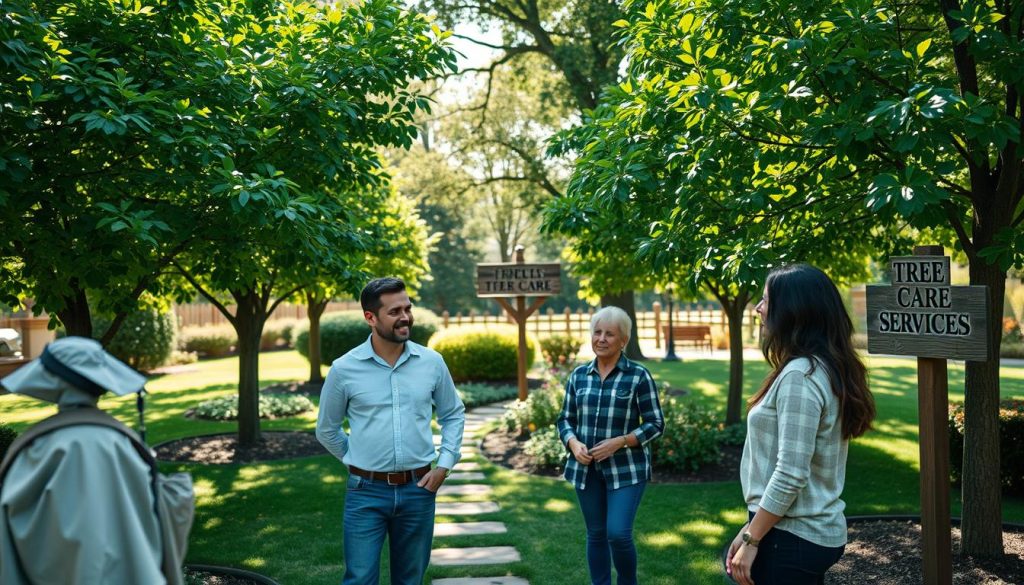
Use CRM tools to log interactions, schedule renewals, and collect testimonials. That creates a digital ledger of client relationships and a track record you can present in diligence.
- Documented wins: preserved contracts and positive reviews are assets in any sale.
- Brand clarity: a professional website and consistent messaging set you apart in the market.
- Team practices: response protocols and service standards reduce buyer risk.
We help package these elements so potential buyers see clear value. That raises multiples and shortens the path to a successful transition.
Navigating Legal Compliance and Employee Retention
Compliance is the foundation that lets your business close without surprises. We treat permits, certifications, and training records as sale-grade assets. Buyers scan these first.
Document everything. That means permits, insurance, safety logs, and up-to-date certifications for each arborist and crew member. Clear files speed diligence.
We lean on industry experience, Joshua Malik’s 20 years informs our retention playbook. We help you keep skilled staff and preserve client relationships through transition.

| Area | What Buyers Expect | Action |
|---|---|---|
| Permits & Insurance | Current, searchable records | Centralize files and renewals |
| Training & Certifications | Individual logs per team member | Create a training ledger |
| Retention | Low turnover, incentive plans | Offer contracts and career paths |
Address compliance early and you remove barriers to a smooth care business sale. For guidance on record retention, review our recommended retention policy.
Conclusion and Next Steps for Your Exit Strategy
An orderly exit starts with disciplined preparation across finance, operations, and client relationships. Clear records and repeatable processes lift perceived value and shorten diligence. We focus on pragmatic moves that make your business attractive and transferable.
Use purpose-built tools where they matter most. A curated Arborgold Growth website can be live in 48 hours and improve lead flow, margins, and buyer confidence. Small, targeted changes create measurable growth ahead of any sale.
- Clean financials, documented SOPs, and loyal client lists form the baseline for value.
- Deploy the Arborgold website quickly to showcase operations, certifications, and results.
- Make every area ready for the future and for a smooth business sale.
If you’re actively acquiring or raising capital for high-quality opportunities, schedule a confidential call or reach out via our contact form. We will guide you through the process and protect the outcome of your hard work.
FAQ
What timeline should we expect when preparing a tree care business for sale?
Expect 6-18 months for a thorough exit. Early months focus on clean financials, operational documentation, and addressing compliance gaps. Mid-phase centers on stabilizing recurring revenue, solidifying key client relationships, and documenting SOPs. Final months prioritize buyer diligence, employee retention plans, and deal packaging. We recommend running parallel tasks to shorten the calendar without sacrificing value.
Which financial metrics buyers prioritize in arboriculture and tree care transactions?
Buyers look at adjusted EBITDA, gross margin by service line (removals, pruning, emergency work), recurring contract revenue, customer retention, and fleet utilization. Clean cash-flow records and normalized owner compensation matter. Present trending KPIs over 24-36 months for credibility.
What operational changes most reliably increase valuation?
Standardize SOPs, implement route and job management software, document pricing and estimating methods, and train crews to consistent productivity benchmarks. Reduce owner-dependency by delegating estimating, sales, and operations to trained leads. Buyers pay up for repeatable, scalable operations.
How do we present client relationships and contracts to appeal to buyers?
Segment clients by recurring contracts, commercial vs. residential, and lifetime value. Provide renewal histories, churn rates, and signed service agreements. Highlight long-term municipal or commercial accounts and bundled service contracts, these demonstrate defensible revenue.
What legal and regulatory items must be cleaned up pre-sale?
Update licensing and insurance certificates, OSHA and EPA compliance records, lien and permit histories, and commercial vehicle registrations. Resolve outstanding claims and ensure employment classifications comply with federal and state rules. Buyers expect a clean legal trail.
How important are certifications and professional affiliations?
Certifications, ISA Certified Arborist, tree risk assessment credentials, and local contractor licenses, boost credibility and rates. Memberships in the International Society of Arboriculture or state associations signal professionalism and can reduce buyer perceived risk.
What pricing multiple can sellers typically expect in this market?
Multiples vary with scale, margin, and growth profile. Lower-middle-market arboriculture firms commonly trade between 3-6x adjusted EBITDA, with premium deals for strong recurring revenue, municipal contracts, or strategic geographic positions. Each deal is unique; deliverables and risk drive valuation.
How should owner compensation and related-party transactions be handled?
Normalize owner pay to market levels and document any related-party expenses. Eliminate non-essential personal benefits disguised as business costs. Buyers adjust valuation for excess owner perks; transparent normalization avoids surprises during diligence.
What role does marketing and digital presence play in a sale?
A modern website, verified Google Business profile, online reviews, and clear service pages demonstrate market reach. Digital lead channels reduce customer concentration risk. Buyers value scalable marketing playbooks that feed trained sales or estimating teams.
How do we retain key employees through the transaction?
Offer clear retention bonuses, define transitional roles, and document career paths. Present training records and certifications for crew leads and foremen. Buyers prefer companies where operational knowledge sits with a stable management layer, not solely the founder.
Which technology investments deliver the best ROI before a sale?
Job management and CRM systems, GPS fleet tracking, estimating software, and digitized invoicing provide immediate clarity and efficiencies. These tools improve margins and data quality, making performance easier to verify in diligence.
What information should be included in a data room for buyers?
Include three years of financials, customer contracts and churn reports, equipment lists and maintenance logs, employee rosters with credentials, SOPs, safety records, insurance policies, and material supplier agreements. Organized documentation speeds due diligence and reduces buyer discounts.
How do we approach environmental and safety compliance issues during due diligence?
Proactively audit safety programs, incident logs, pesticide and herbicide handling records, and disposal practices. Address gaps before buyers uncover them. A documented, enforced safety culture reduces liability and increases buyer confidence.
What exit structures are common for founder-led tree care businesses?
Common structures include full sale, majority recap with rollover equity, or an earn-out tied to performance milestones. Private equity and strategic buyers may offer earn-outs to bridge valuation gaps. Choose structure based on your liquidity needs and willingness to stay involved.
How do we identify the right buyers for a niche tree care firm?
Target strategic acquirers such as landscaping groups, commercial grounds management firms, or regional consolidators. Also approach private equity firms focused on lower-middle-market facilities services. A buyer aligned with your growth thesis will value your assets and client base more accurately.
What are common value detractors we should fix before marketing the business?
High customer concentration, undocumented processes, aging fleet without maintenance records, inconsistent estimating, and unresolved compliance issues. Each elevates perceived risk and lowers offers. Fix these to convert goodwill into tangible value.
How should recurring revenue be structured and documented?
Use written service agreements with clear scopes, renewal terms, and pricing schedules. Track renewal rates and upsell history. Annualized recurring revenue (ARR) and contract term lengths are key inputs for valuation models.
What role does vendor and supplier stability play in buyer decisions?
Stable supplier relationships for equipment, chipping, and disposal reduce operational risk. Provide supplier agreements, pricing histories, and alternate sourcing plans. Buyers discount deals with single-source dependencies.
How do we prepare management presentations for prospective acquirers?
Create concise decks covering market position, service mix, growth initiatives, margin drivers, customer segmentation, and post-close integration opportunities. Keep slides factual and data-driven. We favor clarity over marketing fluff.
When is the right time in the year to market a care business?
Market activity peaks when financials are fresh and seasonality is clear, typically late winter to spring for temperate regions. Buyers like to model annual cycles. Align marketing timing with your clean financial close and readiness checklist.
Related Guide: How to Sell Your Home Services Business, A step-by-step guide to selling your home services company to a private equity buyer.
Related Guide: How to Increase Your Business’s Value, Proven strategies to grow your company’s value before a sale.
Want to Know What Your Business Is Worth?
Start with a free, confidential conversation.

About the Author
Christoph Totter is the founder of CT Acquisitions, an M&A advisory firm working both sides of the table, headquartered in Sheridan, Wyoming. We work directly with 500+ buyers, search funders, family offices, lower middle-market PE, and strategic consolidators, including direct mandates with the largest home services consolidators that other intermediaries can’t access. No fee to you on buy-side introductions; sell-side mandates are paid on success at closing. Connect on LinkedIn · Get in touch
Related reading: how to sell a tree service business, a deeper look at this topic for owners and buyers thinking through the same questions.