What Is Due Diligence? The 2026 Founder’s Guide to M&A Due Diligence
Christoph Totter · Managing Partner, CT Acquisitions
20+ home services M&A transactions across HVAC, plumbing, pest control, roofing · Updated April 27, 2026
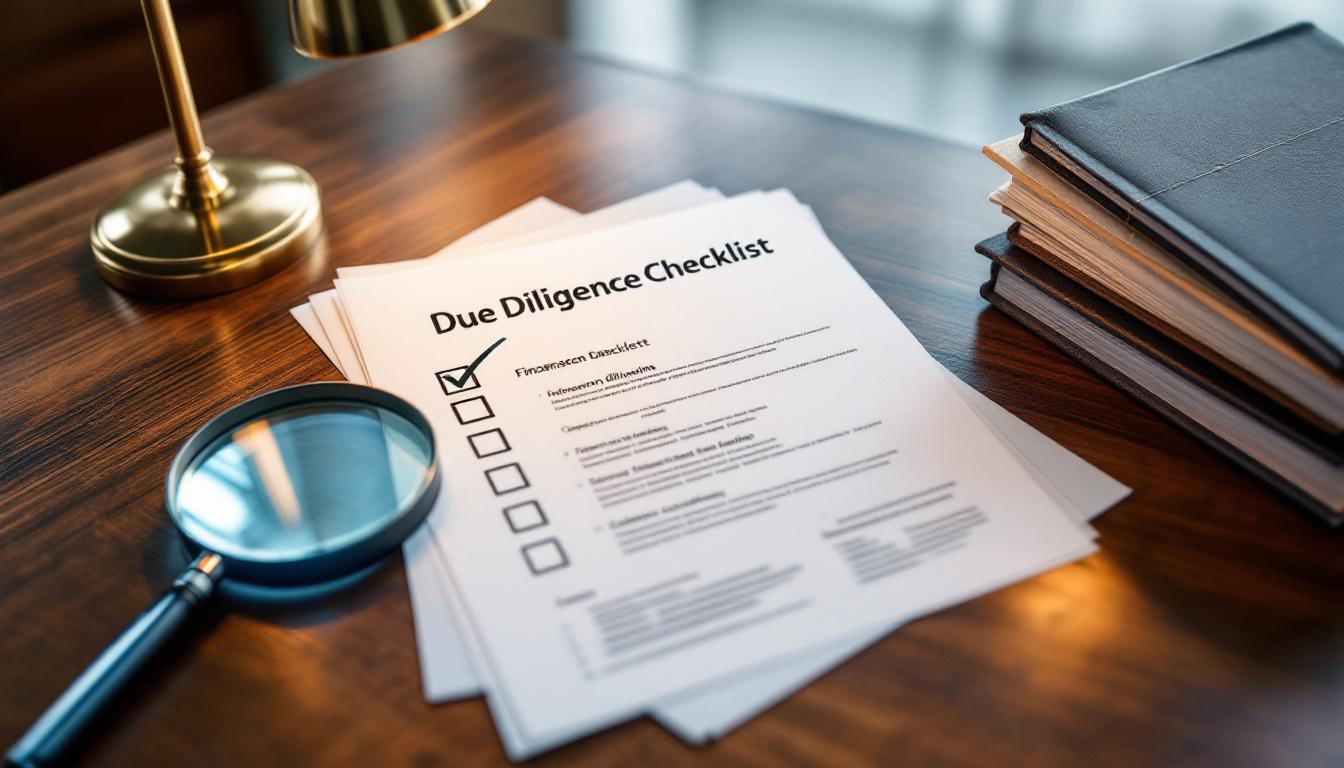
“Due diligence is where the deal is really won or lost. The price is agreed at the LOI, but diligence is where the buyer decides whether that price holds. A seller who prepares for it controls the outcome; a seller who doesn’t gets controlled by it.”
TL;DR, the 90-second brief
- Due diligence is the buyer’s systematic investigation of a target business before closing an acquisition.
- It covers financial, legal, commercial, operational, tax, and HR areas, verifying that the business is what the seller represented.
- Due diligence usually runs 30-90 days, after the LOI is signed and during the exclusivity period.
- It is the stage where most retrades and broken deals happen, surprises in diligence cost sellers price and certainty.
- Sellers who prepare a clean data room and commission a sell-side quality-of-earnings report sail through diligence far more smoothly.
Key Takeaways
- Due diligence is the buyer’s systematic investigation of a target business before closing.
- It covers financial, legal, commercial, operational, tax, IT, and HR areas.
- Diligence typically runs 30-90 days, after the LOI and during the exclusivity period.
- It’s the stage where most retrades and broken deals occur.
- A clean, well-organized data room dramatically speeds diligence and builds buyer confidence.
- A sell-side quality-of-earnings report eliminates much of the financial-diligence retrade risk.
- Preparing for diligence before going to market is one of the highest-return moves a seller can make.
Due Diligence Defined
Due diligence is the comprehensive investigation a buyer conducts on a target business before completing an acquisition. The buyer, with its accountants, lawyers, and advisors, examines the company in detail to verify the seller’s representations and to uncover any risks, liabilities, or surprises.
The phrase ‘due diligence’ captures the idea of a reasonable, careful investigation, the diligence a prudent buyer is expected to perform before committing capital. A buyer doesn’t simply take the seller’s word for the state of the business; it verifies.
Due diligence happens after the letter of intent is signed (the price and key terms are agreed) but before the purchase agreement is finalized and the deal closes. It’s the bridge between an agreement in principle and a binding, completed transaction.
Why Due Diligence Exists
Due diligence exists because acquiring a business is a large, mostly irreversible commitment made under information asymmetry, the seller knows the business intimately, the buyer does not.
The buyer needs to confirm three things: that the business performs as represented (the financials are real and reliable), that there are no hidden liabilities (undisclosed lawsuits, tax exposures, contract problems), and that the business is sustainable (customers will stay, key people will stay, the market is durable).
Diligence is the buyer’s protection, and, done well by a prepared seller, it’s also the seller’s opportunity to build the buyer’s confidence and lock in the deal. The same process that can erode a price can also confirm it.
The Major Areas of Due Diligence
Due diligence is not one investigation but several parallel workstreams, each examining a different dimension of the business.
Financial Due Diligence
The core. The buyer verifies revenue, examines EBITDA and its adjustments, scrutinizes working capital and cash flow, and confirms the financials are accurate and reliable. This is where a quality-of-earnings analysis lives.
Legal Due Diligence
The buyer’s lawyers review corporate structure, contracts, litigation, regulatory compliance, permits, and legal risks. They confirm the company has clear title to its assets and no undisclosed legal exposures.
Commercial Due Diligence
An assessment of the market, competitive position, customer relationships, customer concentration, and growth prospects. It answers whether the business is durable and well-positioned.
Operational Due Diligence
A review of how the business actually runs, systems, processes, supply chain, capacity, equipment, and operational risks.
Tax Due Diligence
An examination of the company’s tax position, filing history, compliance, and any tax exposures or structuring considerations that affect the deal.
HR and Employee Due Diligence
A review of the workforce, key employees, compensation, benefit plans, employment agreements, labor issues, and retention risk.
IT and Technology Due Diligence
For technology-dependent businesses, a review of systems, software, data security, and technology risk.
Environmental Due Diligence
For businesses with property or physical operations, an assessment of environmental compliance and any contamination risk.
Want a specific read on your business?
CT Acquisitions is an M&A advisory firm working sell side, buy side and exit planning, with 500+ active lower-middle-market buyer relationships. We help founders prepare for diligence so it confirms their price instead of eroding it. Book a confidential call.
How Long Due Diligence Takes
For a typical lower-middle-market deal, due diligence runs 30 to 90 days. The length depends on the size and complexity of the business, the quality of the seller’s preparation, and how many workstreams are involved.
Diligence happens during the exclusivity period granted in the LOI, a window (often 45-60 days) when the seller agrees not to negotiate with other buyers while the chosen buyer completes its investigation.
A well-prepared seller, with a clean, organized data room and a sell-side quality-of-earnings report ready, can compress diligence significantly. A poorly prepared seller, scrambling to assemble documents and answer questions, can stretch it out, increasing the risk that something goes wrong before closing.
Where Due Diligence Fits in the Deal Timeline
Due diligence sits at a specific point in the M&A process:
- The seller markets the business and receives indications of interest
- Management presentations are held; the seller selects a lead buyer
- The letter of intent is signed, price and key terms agreed, exclusivity begins
- Due diligence begins, the buyer investigates the business across all workstreams
- Issues surfaced in diligence are negotiated; the purchase agreement is drafted and negotiated in parallel
- Diligence concludes; the purchase agreement is finalized
- The deal closes, funds transfer, ownership changes hands
Why Due Diligence Is the Riskiest Stage for a Seller
Due diligence is the single most dangerous stage of a sale for a seller, for a simple reason: it’s where surprises surface, and surprises cost money.
The price was agreed at the LOI based on the information the seller presented. Due diligence tests that information. If diligence uncovers something the buyer didn’t price in, a working-capital shortfall, customer concentration, an accounting weakness, a legal exposure, a soft quarter, the buyer has grounds to renegotiate. That renegotiation is the retrade, and it’s the most common way a seller loses value between LOI and close.
Diligence is also where deals die outright. If the buyer finds something serious enough, or the seller’s disorganization erodes the buyer’s confidence, the buyer may simply walk. The seller is then back to square one, with a business that’s been off the market and now looks ‘shopped.’
The seller’s leverage is lowest during diligence: exclusivity prevents other buyers, momentum and costs are sunk, and the buyer holds the information advantage. That’s exactly why preparation matters so much.
How Sellers Prepare for Due Diligence
The good news: due diligence risk is largely controllable, and the controls are exercised before going to market, not during diligence. The key preparations:
Build a Clean, Organized Data Room
Assemble all the documents a buyer will request, financials, contracts, corporate records, customer data, employee records, into an organized virtual data room before launch. A clean data room speeds diligence and signals professionalism.
Commission a Sell-Side Quality-of-Earnings Report
A sell-side QoE, an independent analysis of your earnings quality, done before going to market, eliminates much of the financial-diligence retrade risk. When the buyer’s QoE matches yours, there’s little to argue about.
Surface and Fix Issues Early
Find your own problems, customer concentration, accounting weaknesses, legal exposures, before buyers do, and fix or mitigate what you can. A problem disclosed and explained is far less damaging than one discovered.
Clean Up the Financials
Ensure financial statements are accurate and well-documented, owner add-backs are supportable, and the books would withstand scrutiny. Consider a multi-year P&L cleanup before going to market.
Prepare Management to Answer Questions
Diligence involves extensive Q&A. Make sure leadership can answer buyer questions clearly and consistently, confusion erodes confidence.
Buyer-Side vs Seller-Side Due Diligence
Most people think of due diligence as something buyers do. But there’s also seller-side (or ‘vendor’) due diligence, and understanding both clarifies the picture.
| Feature | Buyer-Side Due Diligence | Seller-Side (Vendor) Due Diligence |
|---|---|---|
| Who conducts it | The buyer and its advisors | The seller, before going to market |
| When | After the LOI, during exclusivity | Before the business is marketed |
| Purpose | Verify the business, find risks | Surface issues early, control the narrative |
| Effect on the deal | Can trigger retrades | Reduces retrade risk |
| Who sees the output | Internal to the buyer | Shared with prospective buyers |
The Two Work Together
A seller who does vendor due diligence first walks into buyer-side diligence prepared, the issues are already surfaced, explained, and often fixed. Buyer-side diligence then becomes confirmation rather than discovery.
The Due Diligence Checklist: What Buyers Request
While every deal differs, buyers typically request documents across these categories:
- Financial statements (3-5 years), tax returns, and management accounts
- Detailed revenue, customer, and contract data
- Corporate records, formation documents, cap table, board minutes
- Material contracts, customer, supplier, lease, and partnership agreements
- Employee records, org chart, compensation, agreements, benefit plans
- Litigation and legal records, pending and past disputes, regulatory matters
- Intellectual property, registrations, ownership documentation
- Insurance policies and claims history
- Permits, licenses, and regulatory compliance documentation
- Asset registers, equipment, inventory, real estate
Common Due Diligence Findings That Cause Problems
Knowing what tends to go wrong helps a seller prepare. The findings that most commonly cause retrades or broken deals:
- Working-capital levels below what the deal assumed
- Quality-of-earnings adjustments that lower trailing EBITDA
- Customer concentration, a top customer representing too much revenue
- Accounting weaknesses or inconsistencies in the financials
- Undisclosed or understated liabilities
- Legal exposures, pending litigation, contract problems, compliance gaps
- Key-employee retention risk
- A soft recent quarter that suggests the business is decelerating
- Owner add-backs that can’t be properly supported
Conclusion
Frequently Asked Questions
What is due diligence?
Due diligence is the buyer’s comprehensive, systematic investigation of a target business before completing an acquisition. The buyer and its advisors examine the company in detail to verify the seller’s representations and uncover any risks or liabilities.
What does due diligence cover?
Due diligence covers financial, legal, commercial, operational, tax, HR, IT, and environmental areas, verifying the financials, confirming there are no hidden liabilities, and assessing whether the business is durable and sustainable.
How long does due diligence take?
For a typical lower-middle-market deal, due diligence runs 30 to 90 days. The length depends on the size and complexity of the business and the quality of the seller’s preparation. It happens during the exclusivity period granted in the LOI.
When does due diligence happen in a deal?
Due diligence happens after the letter of intent is signed, when the price and key terms are agreed, and before the purchase agreement is finalized and the deal closes. It’s the bridge between an agreement in principle and a completed transaction.
Why is due diligence risky for sellers?
Due diligence is where surprises surface, and surprises cost money. If diligence uncovers something the buyer didn’t price in, the buyer can renegotiate (a retrade). It’s also where deals die outright. The seller’s leverage is lowest during diligence because exclusivity removes other buyers.
What is a data room in due diligence?
A data room is the organized repository, usually a secure virtual data room, where the seller assembles all the documents buyers request: financials, contracts, corporate records, employee data, and more. A clean data room speeds diligence and builds buyer confidence.
What’s the difference between buyer-side and seller-side due diligence?
Buyer-side due diligence is the buyer’s investigation after the LOI. Seller-side (vendor) due diligence is the seller’s own investigation done before going to market, to surface issues early and reduce retrade risk. The two work together.
How can a seller prepare for due diligence?
Build a clean, organized data room before launch; commission a sell-side quality-of-earnings report; surface and fix issues early; clean up the financials; and prepare management to answer buyer questions clearly. Preparation is done before going to market.
What is financial due diligence?
Financial due diligence is the core workstream, the buyer verifies revenue, examines EBITDA and its adjustments, scrutinizes working capital and cash flow, and confirms the financials are accurate and reliable. A quality-of-earnings analysis is part of it.
What commonly goes wrong in due diligence?
Common problem findings: working capital below what the deal assumed, EBITDA adjustments from quality-of-earnings analysis, customer concentration, accounting weaknesses, undisclosed liabilities, legal exposures, key-employee retention risk, and a soft recent quarter.
Can a deal fall through during due diligence?
Yes. Due diligence is where deals most often die. If the buyer finds something serious, or the seller’s disorganization erodes confidence, the buyer may walk away, leaving the seller back at square one with a business that now looks ‘shopped.’
Does a quality-of-earnings report help with due diligence?
Significantly. A sell-side quality-of-earnings report, an independent analysis of earnings quality done before going to market, eliminates much of the financial-diligence retrade risk. When the buyer’s QoE matches the seller’s, there’s little to argue about.
Related Guide: What Is Vendor Due Diligence?,
Related Guide: Quality of Earnings Report Guide,
Related Guide: Data Room Checklist for Business Sale,
Related Guide: What Is a Retrade?,
Want a Specific Read on Your Business?
30 minutes, confidential, no contract, no cost. You leave with a read on your local buyer market and a likely valuation range.
30 N Gould St, Ste N, Sheridan, WY 82801, USA · (307) 522-0262 · Contact