
What Is Dry Powder in Private Equity?
Dry powder in private equity is the capital investors have committed to a fund that the fund has not yet invested. It is the money a buyout firm still has to spend, and because most funds must put it to work within a fixed investment period, it turns into pressure to buy companies. This guide explains how dry powder works, how much of it there is, and what it means for an owner thinking about a sale.
Christoph Totter · Managing Partner, CT Acquisitions
20+ lower middle market M&A transactions · Updated April 27, 2026

“Dry powder is a clock as much as a number. Every dollar of committed-but-uninvested capital is a dollar a fund is under pressure to deploy before its investment period runs out, and that pressure flows straight to business owners as buyer demand.”
TL;DR, the 90-second brief
- Dry powder is committed capital that private-equity (and other investment) funds have raised but not yet invested.
- The term comes from gunpowder, capital kept ‘dry’ and ready to be deployed when the right opportunity appears.
- Private equity dry powder remains historically high even after easing from its December 2023 peak, per S&P Global Market Intelligence, creating strong pressure to do deals.
- Funds have a limited investment period; once it ends, a fund generally cannot call its remaining commitments for new deals.
- For business owners, high dry powder means more buyers competing for quality companies, often a favorable selling environment.
Key Takeaways
- Dry powder is committed capital that investment funds have raised but not yet invested.
- The term comes from gunpowder, capital kept ‘dry’ and ready to deploy.
- Private equity dry powder peaked in December 2023 and remains historically high, per S&P Global Market Intelligence.
- Funds have a limited investment period, typically around five years, to deploy committed capital.
- Commitments still uncalled when the investment period ends generally cannot fund new deals, creating deployment pressure.
- High dry powder means more buyers with capital competing for deals.
- For business owners, abundant dry powder generally creates a favorable selling environment.
Dry Powder Defined
Dry powder in private equity is committed but uninvested capital: money limited partners have pledged to a fund that the manager has not yet called and spent on deals. Funds usually have to invest it within a set investment period of several years, so a large pile of dry powder means buyers under pressure to close acquisitions.
Dry powder is capital that an investment fund, most often a private-equity fund, has raised and committed but has not yet invested. It is money that is available, ready to be deployed, and waiting for the right opportunity.
When a private-equity firm raises a fund, its investors (the limited partners) commit a total amount of capital. But that capital isn’t all wired upfront. The firm ‘calls’ the capital over time, drawing it down as it finds and closes deals. The committed-but-not-yet-called, or called-but-not-yet-invested, capital is the dry powder.
The metaphor comes from the age of gunpowder firearms: powder had to be kept dry to be usable. ‘Keep your powder dry’ meant stay ready to act. Applied to finance, dry powder is capital kept ready to fire when an attractive deal appears.
Why Funds Hold Dry Powder
Dry powder isn’t a sign of inactivity, it’s a structural feature of how funds work. Several reasons funds hold uninvested capital:
Capital Is Committed, Not Pre-Invested
A fund raises a commitment from investors, then deploys it gradually as deals are sourced. At any moment, a chunk of the committed capital hasn’t been invested yet, that’s normal. A freshly raised fund is almost entirely dry powder.
Discipline Requires Patience
A disciplined firm won’t deploy capital just to deploy it. It waits for deals that meet its return criteria. Holding dry powder while waiting for the right opportunity is good investing, not idleness.
Reserves for Follow-On Investment
Funds hold back capital to support existing portfolio companies, funding bolt-on acquisitions, growth initiatives, or rescues. Some dry powder is earmarked as reserve.
Fundraising Outpaced Deployment
When investors pour capital into private equity faster than firms can find good deals, dry powder builds up. Strong fundraising plus a competitive deal market is the classic recipe for record dry powder.
Want a specific read on your business?
CT Acquisitions is a buy-side M&A firm with 200+ active lower-middle-market buyer relationships. We help founders run competitive processes that capture the demand created by record private-equity dry powder. Book a confidential call.
Book a 30-Min CallWhy Record Dry Powder Matters
Private equity has been sitting on historically high levels of dry powder, and the size of that pile matters because of what it does to the deal market.
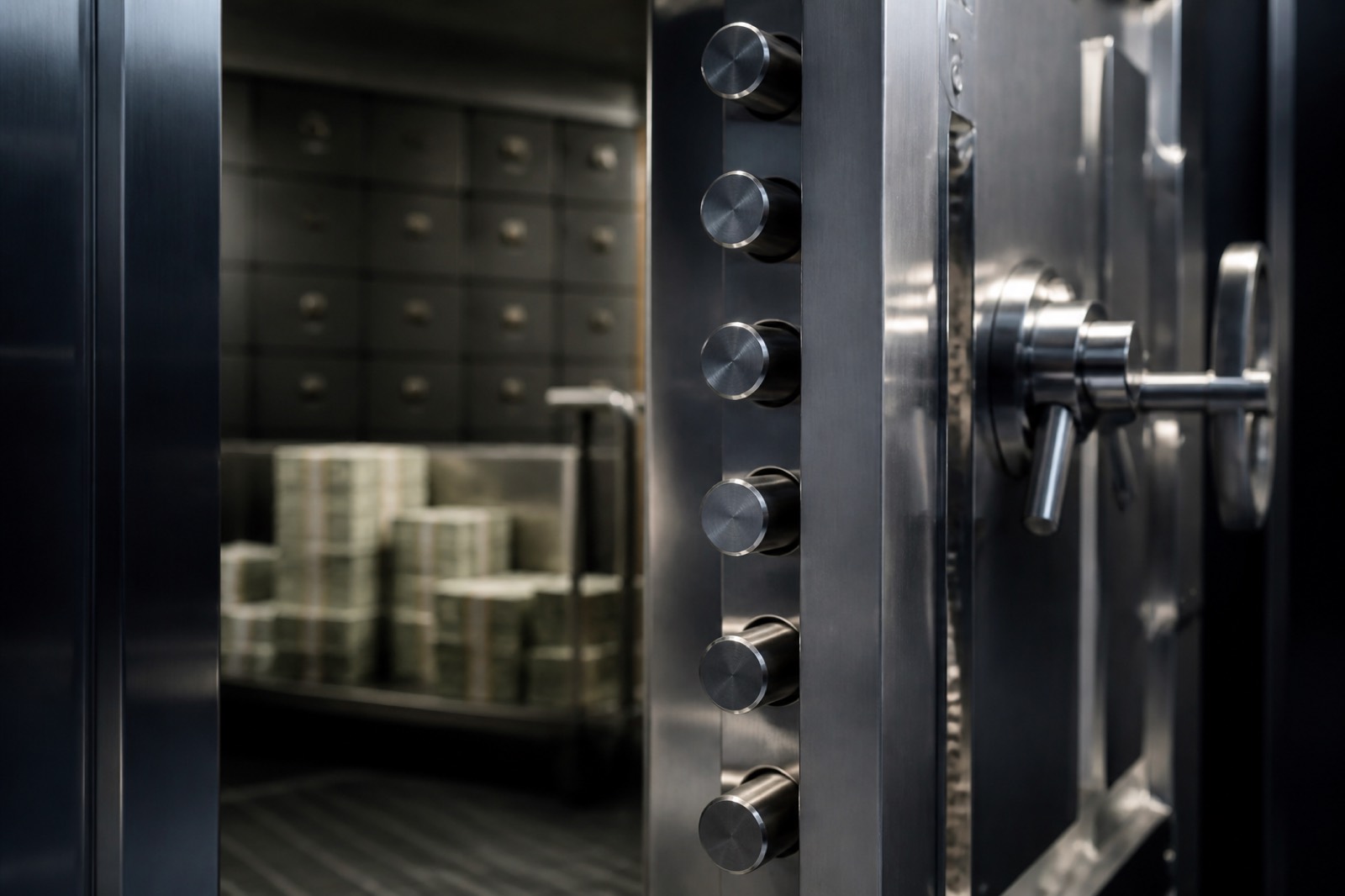
Each dollar of dry powder is a dollar a fund intends, and is under pressure, to invest. When the industry collectively holds an enormous amount of uninvested capital, an enormous amount of buying demand is waiting to be unleashed on the supply of acquirable companies.
More buying demand chasing a limited supply of quality businesses tends to push valuations up and make the environment more competitive for buyers, and more favorable for sellers. Record dry powder is one of the most-cited reasons the M&A market for good companies has stayed competitive even through periods of economic uncertainty.
How much dry powder does private equity have?
The answer depends on what is being counted. In a December 2025 report, S&P Global Market Intelligence put global private equity dry powder at $2.184 trillion and said the total had receded from its all-time high because fundraising slowed. PitchBook counts more broadly: closed-end private capital funds of all types held $4.63 trillion in dry powder at the end of Q2 2025, per PitchBook data. That wider figure includes private credit, real estate, infrastructure, and venture funds, not just buyout funds.
Three points matter more to a seller than the headline total:
- The pile is aging. When fundraising slows and deals take longer, more of the remaining dry powder sits in older funds whose investment periods are running out. Those managers have the most pressure to close.
- It is not spread evenly. The largest funds hold a big share of the total, and they buy large companies. A lower middle market business competes for capital from smaller funds, family offices, and add-on budgets at existing portfolio companies.
- Buyers are selective. EdgePoint notes that abundant dry powder has shifted negotiating power toward owners of high-quality middle-market companies, while buyers no longer pursue assets indiscriminately. Plenty of capital does not mean every business gets a premium.
For an owner, the practical reading is simple. Dry powder raises the ceiling on what a well-prepared, recurring-revenue business can get, because several funds may need the deal. It does little for a business with weak records, customer concentration, or an owner who runs everything.
The Deployment Clock: Why Dry Powder Creates Pressure
Dry powder isn’t capital a fund can hold forever. It comes with a clock, and that clock is what turns dry powder into deal pressure.
A private-equity fund has a defined ‘investment period’, typically around five years from the fund’s launch, during which it must deploy its committed capital into new investments. Capital not invested by the end of the investment period can, depending on the fund’s terms, be released from commitment, reducing the fund’s deployed capital and the firm’s fee base.
This creates real pressure. A firm holding significant dry powder as its investment period winds down has a strong incentive to do deals. It has raised the capital, charged its investors on it, and built a team to deploy it. Returning uninvested capital is a poor outcome.
That deployment pressure is exactly why dry powder is a force in the M&A market. It’s not passive cash, it’s capital on a deadline, actively hunting for acquisitions.
Dry Powder Across the Investor Landscape
Dry powder isn’t only a private-equity term, it applies across the buyer landscape, with different dynamics by buyer type.
| Buyer Type | Dry Powder Dynamic | Deployment Pressure |
|---|---|---|
| Private Equity Funds | Committed LP capital with an investment period | High, clock-driven |
| Search Funds | Committed investor capital for one acquisition | Very high, single-deal mandate |
| Independent Sponsors | No pre-committed fund, raise per deal | Variable, capital assembled deal-by-deal |
| Family Offices | Permanent capital, no fixed deployment clock | Low, patient, opportunistic |
| Strategic Acquirers | Balance sheet cash, not fund capital | Low, deploy when strategy dictates |
Why Search Funds Feel It Most
A search fund raises capital to make a single acquisition. Its entire purpose is to deploy that capital. The deployment pressure on a search fund is intense, it must find and close one good deal or the whole effort fails.
Why Family Offices Feel It Least
A family office invests permanent capital with no fixed investment period and no fee clock. It can wait years for the right deal. Family offices hold the equivalent of dry powder but feel little pressure to deploy it on any schedule.
What High Dry Powder Means for Business Owners
If you own a business and might sell, the level of dry powder in the market matters directly to you. Here’s how to think about it:

High dry powder generally favors sellers. When funds collectively hold a large amount of capital they’re under pressure to deploy, there are more buyers actively hunting for acquisitions. More buyers competing for a quality business means more competitive bidding, and a better outcome for the seller.
It widens your buyer pool. Abundant dry powder means more private-equity firms, more search funders, and more independent sponsors are all looking. A business that runs a competitive process is likely to attract more genuine interest.
It rewards quality and process. Dry powder doesn’t mean every business gets a great price, it means good businesses, marketed well, attract competition. Funds with deployment pressure are still disciplined; they want quality companies. A well-prepared business with clean financials, low customer concentration, and a capable team is what dry powder chases.
The practical takeaway: in a high-dry-powder environment, the way to capture the favorable conditions is to make your business buyer-ready and to run a genuinely competitive process. The capital is there and looking, your job is to give multiple buyers a clear, compelling reason to compete for your company.
Dry Powder and Deal Discipline
One nuance worth understanding: dry powder pressure can cut both ways for a seller.
On the positive side, deployment pressure means motivated buyers and competitive processes. On the cautionary side, capital under pressure can sometimes lead buyers to overpay at signing and then look to retrade during diligence, or to stretch on terms in ways that create closing risk.
For a seller, the lesson is to use the favorable demand environment while still choosing carefully. A buyer driven purely by deployment pressure may not be the best long-term home for your company or the most reliable to close. Run the competitive process to capture the price benefit of high dry powder, but evaluate buyers on credibility and fit, not just on the number, because the most motivated buyer isn’t always the best one.
Conclusion
Frequently Asked Questions
What is dry powder?
Dry powder is capital that an investment fund, most often a private-equity fund, has raised and committed but has not yet invested. It’s money available and ready to be deployed into acquisitions when the right opportunity appears.
Why is it called dry powder?
The term comes from the era of gunpowder firearms, when powder had to be kept dry to be usable. ‘Keep your powder dry’ meant stay ready to act. In finance, dry powder is capital kept ready to deploy when an attractive deal appears.
Why do private-equity funds hold dry powder?
Because committed capital is deployed gradually as deals are found, not all at once. Funds also hold dry powder for discipline (waiting for good deals), follow-on reserves for portfolio companies, and because fundraising can outpace deal availability.
Why does record dry powder matter?
Each dollar of dry powder is a dollar a fund is under pressure to invest. Record dry powder means a large amount of buying demand waiting to be deployed, which tends to make the deal market more competitive and valuations stronger, favoring sellers.
What is a fund’s investment period?
The investment period is the window, typically around five years from a fund’s launch, during which the fund must deploy its committed capital into new investments. Capital not invested by the end of the period can be released, reducing the fund’s deployed capital.
Why does dry powder create deal pressure?
Because of the investment-period clock. A firm holding significant dry powder as its investment period winds down has strong incentive to do deals, it has raised the capital, charged investors on it, and built a team to deploy it.
Does high dry powder help business sellers?
Generally yes. High dry powder means more buyers with capital actively hunting for acquisitions. More buyers competing for a quality business means more competitive bidding, typically a favorable environment for sellers.
Which buyers feel dry-powder pressure most?
Search funds feel it most intensely, they raise capital to make a single acquisition, so deploying it is their entire purpose. Private-equity funds feel clock-driven pressure. Family offices, with permanent capital and no fixed deployment clock, feel it least.
Does dry powder mean every business gets a great price?
No. Dry powder creates demand, but funds remain disciplined, they want quality. Good businesses, marketed well through a competitive process, attract the competition. A poorly prepared business won’t capture the benefit just because capital is abundant.
Can dry powder pressure be a risk for sellers?
It can. Capital under deployment pressure can sometimes lead buyers to overpay at signing and retrade during diligence, or stretch on terms in ways that create closing risk. Sellers should capture the demand benefit but still evaluate buyers on credibility and fit.
How should a business owner respond to high dry powder?
Use the favorable environment by making your business buyer-ready, clean financials, low customer concentration, a capable team, and running a genuinely competitive process so multiple motivated buyers compete for your company.
Is dry powder only a private-equity term?
No. Dry powder applies across the investor landscape, search funds, independent sponsors, family offices, and even strategic acquirers’ balance-sheet cash. The deployment pressure varies: clock-driven for PE and search funds, low for permanent-capital family offices.
How much dry powder does private equity have?
In a December 2025 report, S&P Global Market Intelligence put global private equity dry powder at about $2.184 trillion, down from its all-time high as fundraising slowed. Broader counts are higher: PitchBook data showed $4.63 trillion across all closed-end private capital funds at the end of Q2 2025, a figure that also includes private credit, real estate, infrastructure, and venture funds.
Why is there so much dry powder in private equity?
Fundraising ran ahead of deal-making. Investors committed large amounts to private equity funds, while higher interest rates, valuation gaps between buyers and sellers, and slower exits made it harder for managers to invest that capital at prices they liked. Committed money that is not yet invested stays on the books as dry powder until a deal closes or the fund’s investment period ends.
Related Guide: Seller’s Market vs Buyer’s Market,
Related Guide: Private Equity Fund Structure,
Related Guide: What Is a Club Deal?,
Related Guide: What Is Your Business Worth in 2026?,
Want a Specific Read on Your Business?
30 minutes, confidential, no contract, no cost. You leave with a read on your local buyer market and a likely valuation range.
30 N Gould St, Ste N, Sheridan, WY 82801, USA · (307) 487-7149 · Contact