
What Is an Escrow Agent? The 2026 Guide to Escrow Agents in a Business Sale
Christoph Totter · Managing Partner, CT Acquisitions
20+ home services M&A transactions across HVAC, plumbing, pest control, roofing · Updated April 27, 2026
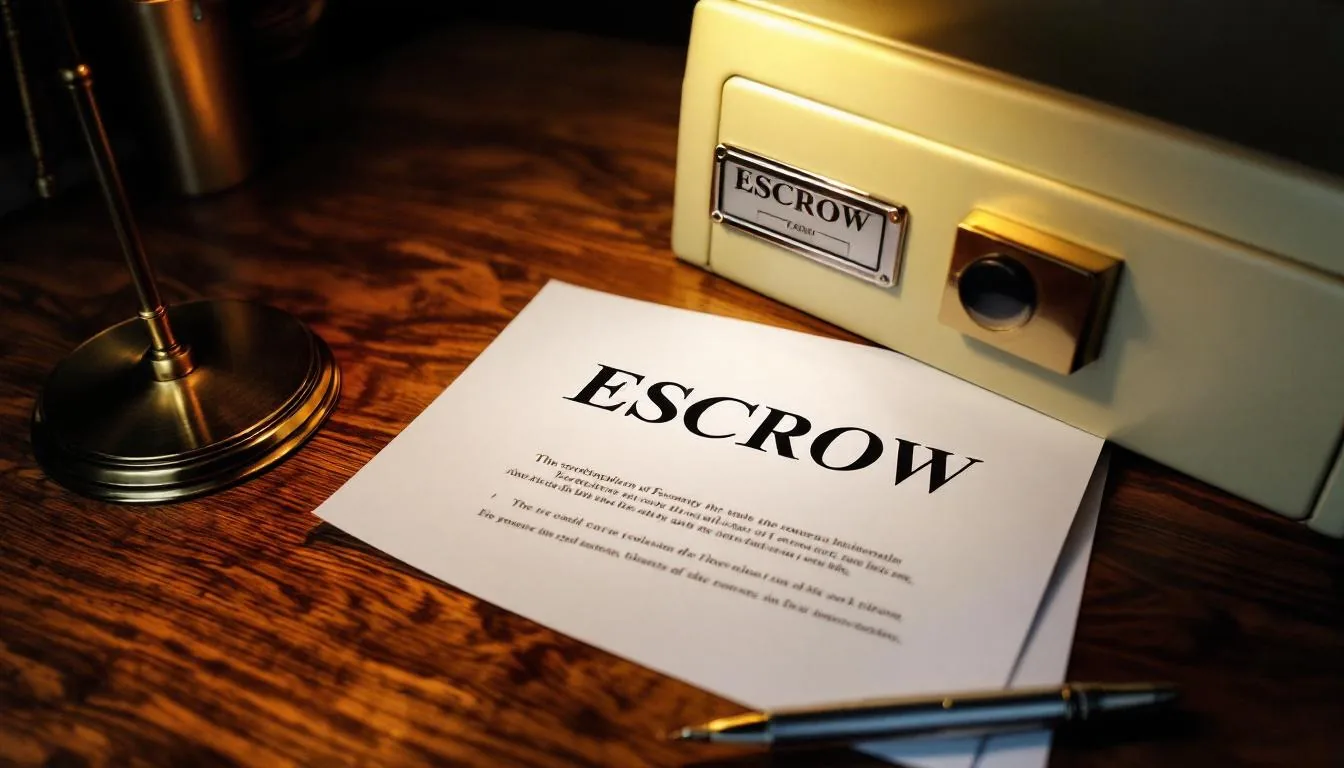
“An escrow agent is the trusted middle. Neither the buyer nor the seller holds the money, a neutral third party does, releasing it only when the agreed conditions are met. That neutrality is what lets both sides proceed with confidence.”
TL;DR, the 90-second brief
- An escrow agent is a neutral third party that holds funds or documents on behalf of a buyer and seller in a transaction.
- The escrow agent releases what it holds only when the agreed conditions are met, protecting both sides.
- In a business sale, an escrow agent typically holds the escrow holdback, a portion of the purchase price set aside after closing.
- The escrow agent acts strictly per the escrow agreement, neutrally, favoring neither party.
- The escrow agent gives both buyer and seller confidence that the held funds are safe and will be released fairly.
Key Takeaways
- An escrow agent is a neutral third party that holds funds or documents on behalf of a buyer and seller.
- The escrow agent releases what it holds only when the agreed conditions are met.
- The escrow agent’s role is governed by an escrow agreement that both parties sign.
- In a business sale, the escrow agent typically holds the escrow holdback set aside after closing.
- The escrow agent acts strictly and neutrally per the agreement, favoring neither side.
- The escrow agent’s neutrality is what gives both buyer and seller confidence in the held funds.
- Common escrow agents include banks, trust companies, law firms, and specialized escrow firms.
Escrow Agent Defined
An escrow agent is a neutral, independent third party that holds funds, documents, or other assets on behalf of two parties to a transaction, typically a buyer and a seller, and releases what it holds only when specified conditions are met.
The defining feature of an escrow agent is neutrality. The escrow agent doesn’t belong to either side. It’s not the buyer’s representative, not the seller’s representative. It’s an independent middle party that both sides trust precisely because it serves neither of them exclusively.
The word ‘escrow’ refers to something held by a third party on behalf of the transacting parties. The escrow agent is the party doing that holding. It safeguards what’s been placed in escrow and is responsible for releasing it correctly, only to the right party, only when the right conditions are satisfied.
What an Escrow Agent Does in a Business Sale
In a business sale, the escrow agent performs a specific and important function. The core responsibilities:
Holding the Funds
The escrow agent securely holds the funds placed in escrow, keeping them safe, separate, and outside the control of either the buyer or the seller, for the duration of the escrow.
Acting on the Escrow Agreement
The escrow agent acts strictly according to the escrow agreement, the contract that defines exactly what the escrow agent holds, under what conditions it releases, and to whom. The escrow agent doesn’t improvise; it follows the agreement.
Releasing on Conditions
The escrow agent releases the held funds only when the conditions set out in the escrow agreement are met. It pays out the right amount, to the right party, at the right time, as the agreement directs.
Staying Neutral
Throughout, the escrow agent remains neutral. It doesn’t take the buyer’s side or the seller’s side. It simply administers the escrow per the agreement, fairly, for both parties.
Handling the Process
The escrow agent manages the administration of the escrow, receiving the funds, holding them, processing release instructions, and documenting the process, so both parties have a clean, professional handling of the money at stake.
Want a specific read on your business?
CT Acquisitions is an M&A advisory firm working sell side, buy side and exit planning, with 500+ active lower-middle-market buyer relationships. We help founders understand and negotiate the escrow terms that govern their held-back proceeds. Book a confidential call.
The Escrow Agreement
An escrow agent never acts on its own judgment about who deserves the money. It acts according to the escrow agreement, and understanding that document is key to understanding the escrow agent’s role.
The escrow agreement is the contract that governs the escrow. It’s signed by the buyer, the seller, and typically the escrow agent. It defines, precisely, the rules the escrow agent must follow.
A well-drafted escrow agreement specifies: what the escrow agent holds (the amount of funds), how long it holds it (the escrow period), the exact conditions under which funds are released, who they’re released to, how release instructions are given, and how any dispute over the funds is to be handled.
This is what makes escrow work. The escrow agent isn’t deciding anything, it’s executing the agreement. Both the buyer and the seller agreed, in advance, to the rules in the escrow agreement, and the escrow agent simply follows those rules neutrally. The agreement removes discretion and substitutes clear, pre-agreed instructions.
The Escrow Agent and the Escrow Holdback
In a business sale, the most common reason an escrow agent is involved is to hold the escrow holdback, and understanding the connection clarifies the escrow agent’s role.
An escrow holdback is a portion of the purchase price that isn’t paid to the seller at closing. Instead, it’s set aside, held back, for a defined period after the deal closes. The holdback exists to protect the buyer: if the seller’s representations about the business turn out to be inaccurate, the buyer may have a claim, and the holdback is a source of funds to cover it.
The escrow agent is the party that holds that holdback. Rather than the buyer keeping the held-back money (which would worry the seller) or the seller keeping it (which would worry the buyer), the neutral escrow agent holds it. It sits safely in escrow for the holdback period.
When the holdback period ends, the escrow agent releases the funds according to the escrow agreement, to the seller if there have been no valid claims, or partly to the buyer if a valid claim was made and agreed. The escrow agent is the trusted custodian that makes the holdback mechanism work for both sides: the seller knows the money is safe and will come to them if no claims arise; the buyer knows the funds are available if a legitimate claim does.
Why the Escrow Agent’s Neutrality Matters
The single most important quality of an escrow agent is neutrality, and it’s worth understanding why it matters so much.
Consider the alternative. If the held-back funds were kept by the buyer, the seller would be uneasy, the buyer would be holding money the seller hopes to receive, with an incentive to find reasons not to release it. If the funds were kept by the seller, the buyer would be uneasy, the protection the holdback is supposed to provide would be in the hands of the very party it protects against.
The neutral escrow agent resolves this. Because the escrow agent serves neither side and simply follows the escrow agreement, both parties can trust that the funds are safe and will be released fairly. The seller is confident the money isn’t being unfairly withheld; the buyer is confident the protection is genuinely there.
This neutrality is what makes the whole arrangement work. Escrow allows a deal to proceed with a holdback, a real protection for the buyer, without that holdback becoming a source of distrust. The escrow agent’s independence is the foundation of that confidence on both sides.
Who Acts as an Escrow Agent
Escrow agents are professional, trustworthy parties suited to the responsibility of holding and releasing funds neutrally. Common types:
- Banks, which have the infrastructure, trust, and regulatory standing to hold funds securely
- Trust companies, institutions specialized in holding assets on behalf of others
- Law firms, which sometimes act as escrow agents in transactions
- Specialized escrow firms, companies that focus specifically on providing escrow services
- Other established financial institutions with the standing and systems to hold escrow funds
What the Escrow Agent Means for a Business Seller
For a business owner selling their company, the escrow agent is a reassuring presence, and understanding the role helps a seller approach the escrow part of a deal with confidence.
A portion of your sale proceeds will, in most deals, sit in escrow as a holdback for a period after closing. That can sound concerning, money you’ve earned, not yet in your hands. The escrow agent is what makes it safe. Your held-back proceeds aren’t with the buyer, where they’d be exposed; they’re with a neutral, professional third party, held under an agreement you signed.
The seller’s protection is the escrow agreement. The escrow agent will do exactly what that agreement says, no more, no less. So a seller’s attention should go to negotiating the escrow agreement well: the amount held, the length of the holdback period, and especially the precise conditions and process for release, including how any dispute is resolved. A clear, fair escrow agreement, administered by a neutral escrow agent, means a seller can be confident the held-back proceeds will come to them as agreed.
The practical takeaway: the escrow agent isn’t something to worry about, it’s a protection. Worth understanding, worth getting the escrow agreement right with experienced counsel, but fundamentally a structure that lets a deal close with a holdback while keeping the seller’s money safe.
Conclusion
Frequently Asked Questions
What is an escrow agent?
An escrow agent is a neutral, independent third party that holds funds, documents, or assets on behalf of two parties to a transaction, typically a buyer and seller, and releases what it holds only when specified conditions are met. Its defining feature is neutrality.
What does an escrow agent do in a business sale?
The escrow agent holds the funds placed in escrow securely, acts strictly according to the escrow agreement, releases the held funds only when the agreed conditions are met, stays neutral throughout, and manages the administration of the escrow process.
What is the escrow agreement?
The escrow agreement is the contract that governs the escrow, signed by the buyer, seller, and typically the escrow agent. It defines exactly what the escrow agent holds, how long, under what conditions funds are released, to whom, and how any dispute is handled.
What does an escrow agent hold in a business sale?
Most commonly, the escrow agent holds the escrow holdback, a portion of the purchase price set aside after closing to protect the buyer if the seller’s representations turn out to be inaccurate. The escrow agent holds it neutrally for the holdback period.
Why does an escrow agent need to be neutral?
Because if the held funds were kept by the buyer, the seller would worry the buyer would unfairly withhold them; if kept by the seller, the buyer would worry the protection isn’t real. A neutral escrow agent, serving neither side, lets both parties trust the funds are safe and released fairly.
How does an escrow agent decide when to release funds?
The escrow agent doesn’t decide based on its own judgment. It releases funds strictly according to the conditions set out in the escrow agreement, the rules both the buyer and seller agreed to in advance. The escrow agent executes the agreement, neutrally.
Who can be an escrow agent?
Escrow agents are professional, trustworthy parties, commonly banks, trust companies, law firms, specialized escrow firms, and other established financial institutions with the standing and systems to hold escrow funds securely.
How does the escrow agent relate to the escrow holdback?
The escrow holdback is the held-back portion of the purchase price; the escrow agent is the neutral party that holds it. Rather than the buyer or seller keeping the holdback, the escrow agent holds it in escrow and releases it per the escrow agreement when the holdback period ends.
Is my money safe with an escrow agent?
Yes, that’s the purpose of the escrow agent. Your held-back proceeds sit with a neutral, professional third party under an agreement you signed, separate from and outside the control of the buyer. The escrow agent releases the funds to you as the escrow agreement directs.
What should a seller focus on regarding escrow?
The escrow agreement. The escrow agent will do exactly what that agreement says, so a seller should negotiate it carefully, the amount held, the length of the holdback period, the precise release conditions and process, and how any dispute over the funds is resolved.
Does the escrow agent favor the buyer or the seller?
Neither. The escrow agent is strictly neutral. It serves neither the buyer nor the seller exclusively, it simply administers the escrow according to the escrow agreement, fairly, for both parties. That neutrality is its defining quality.
What happens to escrow funds at the end of the holdback period?
When the holdback period ends, the escrow agent releases the funds according to the escrow agreement, to the seller if there have been no valid claims, or partly to the buyer if a valid claim was made and agreed under the agreement’s terms.
Related Guide: How Escrow Works in a Business Sale,
Related Guide: What Is a Purchase Price Adjustment?,
Related Guide: What Is a Disclosure Schedule?,
Related Guide: What Is Deal Structure?,
Want a Specific Read on Your Business?
30 minutes, confidential, no contract, no cost. You leave with a read on your local buyer market and a likely valuation range.
These mechanics come with a transaction-cost stack laid out in our sell-side fee comparison.
30 N Gould St, Ste N, Sheridan, WY 82801, USA · (307) 522-0262 · Contact
