
Leading PE Firms Acquiring HVAC Businesses in 2026
Quick Answer
Private equity is actively acquiring HVAC businesses in 2026, targeting founder-led service providers with recurring revenue and specialized capabilities in data-center cooling, commercial systems, and high-efficiency controls. The sector is consolidating rapidly as the global HVAC market grows from $216 billion to an estimated $390 billion by 2033, with over 29,000 private companies available as potential targets. Buyers prize businesses with integrated cooling solutions, smart controls, and strong EBITDA growth trajectories, particularly those positioned to serve new construction and industrial infrastructure projects. Geographic hotspots include New York, California, and Texas, where climate demands and population density fuel consistent equipment replacement and upgrade activity.
We track how deal activity is shifting toward high-efficiency infrastructure and specialized service providers. The global market was about $216B last year and could reach $390B by 2033. That growth is fueling focused acquisitions and platform builds across cooling, controls, and service networks.
More than 29,053 private companies sit on the market as potential targets. We see buyers prize businesses with advanced capabilities for data centers and commercial cooling systems.
We cut through the noise. We source founder-led, thesis-aligned opportunities that offer recurring service revenue and clear paths to EBITDA growth.
If you are actively acquiring or raising capital for high-quality opportunities, schedule a confidential call or reach out through the contact form to get started.
For context on sector drivers and consolidation trends, read the analysis of the new market dynamics and data-center demand on the new HVAC gold rush.
Key Takeaways
- Demand for efficient cooling and integrated systems is accelerating platform-style acquisitions.
- Over 29,053 private targets make the sector fertile for curated deal flow.
- Founder-led service providers with recurring revenue attract premium valuations.
- Data-center and new construction activity favors specialists in high-capacity cooling.
- We help buyers source, diligence, and scale opportunities that match their thesis.
State of the HVAC Market in 2026
For 2026 HVAC multiples by size and recurring service mix, see our HVAC business value range guide.
Climate pressure and efficiency mandates are rewiring demand across the sector. The global market is on a clear growth path, rising from $216B to an estimated $390B by 2033 as customers prioritize decarbonization and lower operating costs.
Commercial systems now capture outsized revenue. Complex installations and long-term maintenance agreements push value toward providers that offer integrated cooling and smart controls.
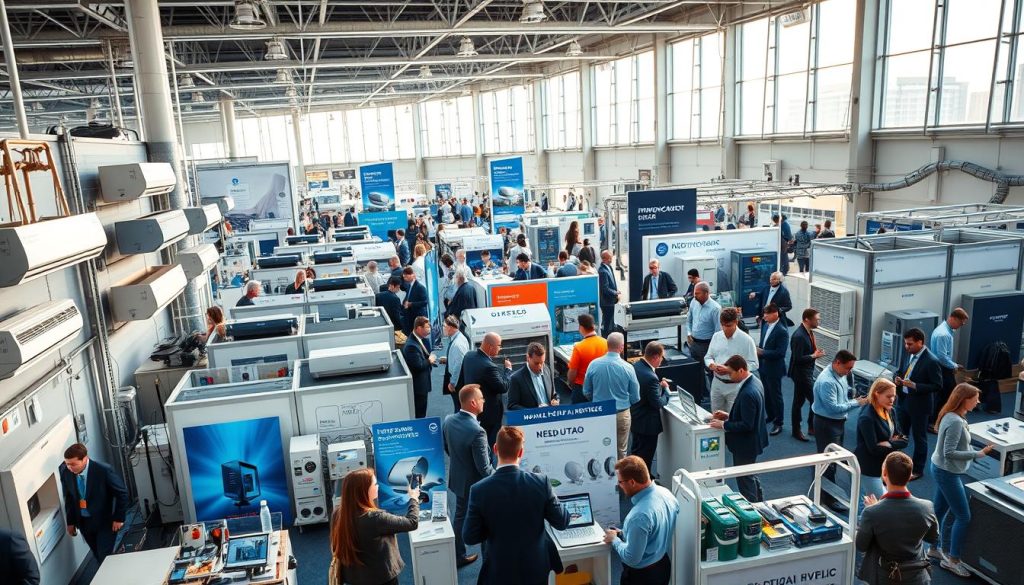
Market Growth Projections
We track stronger growth in industrial and data-driven projects. Residential services still lead on EBITDA margins, but industrial work posts higher average annual growth due to infrastructure investment.
Geographic Concentration
Density is highest in states with big populations and wide weather swings, New York, California, and Texas top the list. Even moderate climates show steady demand for hvac equipment and routine service.
“Investors should expect durable baseline demand, equipment replacement and efficiency upgrades keep deal flow steady.”
For a deeper read on regional dynamics and M&A implications, see our sector outlook.
Top private equity firms buying HVAC companies in 2026
For the sponsor-by-sponsor view of HVAC acquisitions, with each platform tied to a public press release, see our 2026 HVAC PE tracker.
We see consolidation led by large roll-ups and a few landmark platform deals. Apex Service Partners has built scale through aggressive add-ons, completing 107 acquisitions to date. That roll-up approach proves repeatable when combined with tight operations and recurring service contracts.

The scale of investor interest is clear. Goldman Sachs Group completed a $1.7B acquisition of Sila Services last November. That deal signals institutional appetite for providers that deliver maintenance, installation, and advanced monitoring.
“Buyers now use proprietary data and deal platforms to surface targets with stable revenue and clear EBITDA uplift.”
We track how leading buyers deploy data to vet systems-level capabilities. The current M&A activity favors selective acquisitions that improve operational efficiency rather than just adding revenue. Investors want companies with integrated solutions and measurable service economics.
| Investor | Activity | Primary Focus |
|---|---|---|
| Apex Service Partners | 107 acquisitions (roll-up) | Field services, recurring maintenance, platform scale |
| Goldman Sachs Group | $1.7B acquisition of Sila Services | Large platform buy, systems integration, national reach |
| Other strategic investors | Selective add-ons and bolt-ons | Data-center cooling, smart monitoring, efficiency upgrades |
Bottom line: M&A activity now rewards disciplined buyers. The winners combine deal platforms, operational playbooks, and investments in service capabilities to hit sustained growth and EBITDA targets.
The Shift Toward Data Center Cooling Infrastructure
Data-center growth has rewritten cooling priorities, pushing high-capacity systems to the top of infrastructure plans.

High-density compute creates sustained demand for strong hvac equipment and specialized cooling solutions. AI and cloud workloads drive heat loads that ordinary systems cannot handle.
Blackstone’s $14B Copeland acquisition underscored this. Buyers now value compressors, sensors, and monitoring that keep centers within strict limits.
The Infrastructure Investment Profile
These assets offer attractive economics. Recurring services and monitoring upgrades create reliable aftermarket revenue. That profile appeals to investors focused on long-term growth and efficiency.
We source targets with proven reliability and technical capabilities. Our platform helps you spot companies that deliver high-reliability cooling systems and measurable service margins.
“Specialized cooling now ranks alongside power and network as a core data-center investment.”
Evolving Dynamics in Residential and Commercial Acquisitions
Residential deals still anchor deal flow, but buyers now demand clearer EBITDA pathways before closing. Margins on home services remain attractive, yet underwriters insist on repeatable economics and pro forma clarity.

Commercial hvac targets trade at premiums when they carry long-term maintenance contracts. Those contracts deliver predictable revenue and improve valuation multiples.
We note strategic moves like Airtron Heating & Air Conditioning’s purchase of Sierra Air Conditioning. That play expands presence in the single-family new construction market and adds integrated heating air conditioning and cooling capabilities.
- Residential acquisitions still matter, but transaction scrutiny is higher.
- Commercial service agreements create stable aftermarket revenue.
- New construction specialists are in demand for integrated systems and hvac equipment scale.
The takeaway: Buyers should mix high-margin home services with commercial scale to balance growth and stability. We source thesis-aligned targets that show strong service management, loyal customers, and clear paths to EBITDA uplift.
Supply Chain Disruption and Vertical Integration
Supply chain strain is forcing contractors to rethink procurement and control more of the build process.
We see this across the sector. Large trade groups buy prefab shops and specialty trades to self-perform critical work. That reduces delays and tightens quality control.
Prefabrication and Self-Performance
Prefabrication speeds schedules. Offsite assembly lowers site labor and error. For data centers, splitting field installation from offsite production improves pace and predictability.
Companies that self-perform keep closer control of costs, timelines, and equipment sourcing. That translates into steadier service revenue and clearer project margins.
Cutting Out Traditional Distributors
Many buyers now source directly from factories to avoid distributor markups. This approach secures better rates and faster deliveries for essential cooling equipment.
Venture-backed startups are redesigning procurement channels, challenging long-standing distributor relationships. Investors should favor platforms that integrate trades and own critical supply points.
“Vertical integration reduces timing risk and makes platform scale more credible.”
- Vertical integration reduces cost and improves quality control.
- Prefabrication boosts installation speed on large construction and data centers projects.
- Direct sourcing of equipment improves margins and procurement certainty.
| Strategy | Benefit | Investor Signal |
|---|---|---|
| Owned prefabrication | Faster installs; lower onsite labor | Higher EBITDA visibility |
| Self-performance of trades | Stronger quality and schedule control | Reduced subcontractor risk |
| Direct factory sourcing | Lower equipment cost; shorter lead times | Improved gross margins |
| Integrated service platform | Bundled offerings for large clients | Recurring revenue and stickiness |
Actionable insight: We advise buyers to prioritize targets that already execute vertical integration. Those platforms manage costs better, move faster on projects, and present clearer paths to scalable growth.
Emerging Trends in Small Consolidator Activity
We are seeing a new wave of small consolidators change regional M&A activity.

Many buyers are former PE professionals. They use SBA financing to acquire two to four shops at a time. This approach builds portfolios without the overhead of large roll-ups.
Operational quality is the differentiator. These groups focus on service execution, technician training, and efficient equipment procurement rather than growth for growth’s sake.
Patrick Lange of Business Modification Group notes rising deal volume as these acquirers compete with larger platforms. Sellers benefit when culture fit and local knowledge matter.
- Acquisitions are smaller and more deliberate.
- Regional platforms prioritize consistent service revenue and EBITDA uplift.
- Operators bring hands-on expertise in cooling, heating air, and equipment sourcing.
Bottom line: This trend creates attractive exits for owner-operators and adds durable activity to the market. We track these buyers and curate targets that match both operational standards and growth objectives.
Strategic Next Steps for Capital Raising
Position your deal narrative around concrete operational upgrades and repeatable service economics. Spell out how modern hvac systems and upgraded hvac equipment will drive margin gains and steady revenue.
Show a concise management plan. Explain integration steps for add-ons and how you will improve technician productivity, controls, and cooling reliability. Outline expected investment returns and the investor protections and terms you offer.
Use a curated platform to simplify fundraise and source the right targets. Describe how each acquisition boosts capabilities across air conditioning and service lines. Highlight operational wins that appeal to partners and companies focused on scale.
If you’re actively acquiring or raising capital for high-quality opportunities, schedule a confidential call or reach out through the contact form to get started.
FAQ
What is driving buy-side interest in HVAC businesses this year?
Investors are focused on predictable service revenue, recurring maintenance contracts, and retrofit demand tied to energy-efficiency upgrades. Growth is amplified by corporate and data center cooling needs, which push predictable, higher-margin installations. We see deal activity where firms can roll up founder‑led service platforms and add technical scale quickly.
How is the commercial market performing compared with residential?
Commercial remains attractive because projects are larger and often tied to construction and facilities budgets. Residential offers volume and recurring service but thinner ticket sizes. Many sponsors prefer platform plays that combine both to smooth seasonality and increase cross‑sell opportunities.
Where are the most active geographic markets for acquisitions?
Growth corridors include Texas, Florida, the Southeast, and parts of the Mountain West. These regions combine construction activity, favorable climate for cooling demand, and supportive labor markets. Northeastern metros still matter for retrofit and service density.
Why are data center cooling systems a strategic priority?
Data centers demand resilient, efficient cooling at scale. Owners prioritize systems that lower PUE and reduce downtime risk. That creates a niche for businesses with controls expertise, modular chillers, and fast‑response service capabilities, all of which command premium multiples.
What capabilities make an HVAC business an attractive platform acquisition?
Repeatable service contracts, strong technician productivity metrics, proven sales channels for new construction and retrofit, and controls/commissioning expertise. Institutional buyers also favor companies with scalable operations, clean financials, and a clear path to margin improvement.
How are buyers valuing service revenue versus project revenue?
Buyers value recurring service revenue higher because it reduces cyclicality and supports predictable cash flow. One‑time project revenue is assessed for profitability and its ability to feed service pipelines. Valuation models weight recurring revenue in earn‑out and multiple calculations.
What role does prefabrication and self‑performance play in M&A theses?
Prefabrication and self‑performance reduce costs and shorten cycle times. Consolidators acquire these capabilities to improve margins and control delivery. Those competencies also mitigate supply chain risk by cutting dependency on third‑party distributors.
Are firms integrating upstream to manage supply chain disruption?
Yes. Vertical integration, stocking, prefabrication, and selective manufacturing partnerships, is becoming common. Buyers look for teams that can standardize parts, secure OEM relationships, and simplify procurement to protect margins during supply volatility.
What multiples are active acquirers paying today?
Multiples vary by mix of recurring revenue, technical capability, and growth profile. Service‑heavy platforms with strong controls or data center exposure command premium valuations. Exact terms depend on EBIDTA margins, retention rates, and covenant structures.
How should founder‑owners prepare for a sale?
Clean up financials, document customer contracts and technician productivity, and standardize processes. Showable KPIs: recurring revenue percent, gross margin by service line, and churn. Demonstrating a clear growth playbook shortens diligence and raises offers.
What risks should investors watch when buying consolidators?
Integration risk, technician retention, uneven service quality, and legacy contract liabilities. Also watch concentration with a few large customers or reliance on a single OEM. Successful deals mitigate risk with retention incentives and operational playbooks.
How important are controls and digital services to deal theses?
Very important. Controls expertise improves energy efficiency outcomes and opens higher‑margin service contracts. Digital monitoring and remote diagnostics reduce truck rolls and provide recurring analytics revenue, a clear value driver for buyers.
Which buyer types are most active: institutional investors, family offices, or independent sponsors?
All three are active. Institutional capital pursues larger rollups; family offices target steady cash flow businesses; independent sponsors chase niche platforms they can scale operationally. Each brings different hold periods and growth expectations.
How do climate and regulation affect acquisition strategies?
Stricter efficiency standards and electrification incentives push demand for retrofits and heat‑pump conversions. Buyers prize companies that can execute compliance projects and capture incentive programs tied to decarbonization.
What operational improvements open up the most value post‑acquisition?
Standardizing parts and pricing, improving dispatch and scheduling, training and certifying technicians, and adding digital field tools. Cross‑selling services and centralizing procurement also accelerate margin gains.
How should sellers price earn‑outs and retention terms?
Align earn‑outs with measurable KPIs like revenue retention, service gross margin, and customer churn. Retention packages for key technicians and managers should balance short‑term incentives with long‑term equity or deferred compensation.
What exit pathways do buyers expect after building HVAC platforms?
Strategic sale to a larger industrial player, carve‑outs to trade buyers, or secondary buyouts by larger investment firms. A platform with strong recurring revenue and data center or controls capability attracts the broadest buyer pool.
Which market segments offer the fastest near‑term growth?
Data center cooling, mission‑critical facilities, and retrofit markets driven by efficiency mandates. New‑construction activity in growth states also adds near‑term project volume for capable installers.
How do we evaluate cultural fit during diligence?
Assess leadership stability, technician turnover, and customer service reputation. Cultural fit shows in documented training programs, clear safety protocols, and transparent compensation models. Those predict retention after a sale.
Related Guide: How PE Roll-Ups Work, Understand how private equity roll-up strategies work in home services.
Related Guide: Who Buys Home Services Companies?, Discover the types of buyers acquiring home services businesses today.
Want to Know What Your Business Is Worth?
Start with a free, confidential conversation.

About the Author
Christoph Totter is the founder of CT Acquisitions, an M&A advisory firm working both sides of the table, headquartered in Sheridan, Wyoming. We work directly with 500+ buyers, search funders, family offices, lower middle-market PE, and strategic consolidators, including direct mandates with the largest home services consolidators that other intermediaries can’t access. No fee to you on buy-side introductions; sell-side mandates are paid on success at closing. Connect on LinkedIn · Get in touch