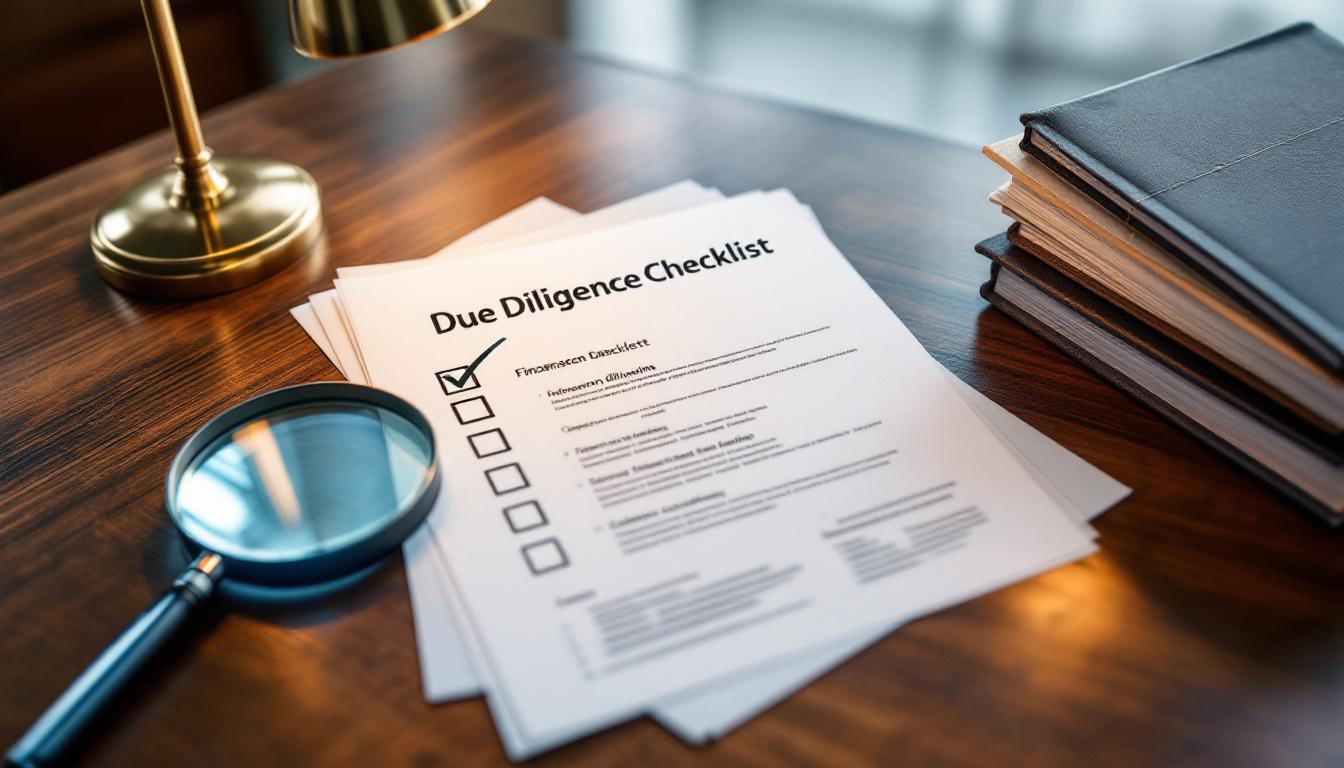
We cut through deal noise. M&A is unforgiving. Ben Drellishak of Business Screen notes that 70% to 90% of deals fail. That statistic drives our focus.
Preparation wins. A structured due diligence process usually takes one to two months for small firms and can stretch beyond six months for complex transactions. Time matters.
We offer a curated template that organizes the critical information buyers expect. Use it to gather documents, track sensitive data, and present a clear narrative to prospective buyer teams.
This tool saves time and reduces risk. Early organization signals readiness and strengthens your market position. It’s the pragmatic way to manage a high-stakes M&A transaction.
Key Takeaways
- Most M&A deals fail without a disciplined process; rigorous preparation matters.
- Plan for one to two months for smaller transactions; allow more time for complex ones.
- Our template curates critical information for buyers and protects sensitive data.
- Early organization improves your position in negotiation and speeds the process.
- Use the checklist as a roadmap to reduce surprises during the transaction.
Understanding the Role of Due Diligence in Business Sales
Investigating a target company is the moment facts replace assumptions. We treat this review as a systematic investigation, an investigator’s toolkit for uncovering hidden problems before a transaction moves forward.
This process provides an objective view. In an m&a context, our team gathers crucial, non-public information to reveal liabilities, contract issues, and operational gaps that simple summaries miss.
The failure rate for planned acquisitions, often cited at 70% to 90%, shows what happens when warnings get overlooked. Thorough diligence reduces that risk and protects buyer confidence.
- We treat the review like checking under the hood. Nothing is taken at face value.
- Proper scrutiny clarifies assets, liabilities, and contingent exposures.
- The quality of information directly affects valuation and deal momentum.
Preparation matters. If you want a practical primer on steps and documentation, see our detailed guide for a structured approach that buyers trust.

Essential Components of a Sell Business Due Diligence Checklist Excel
A focused template captures the records buyers expect and speeds the review. We group items into clear pillars so teams can act fast.
Financial Documentation
Start with audited records. Audited financial statements covering 3-5 years are essential. Tax returns for the last five years belong in the file set. Include IRS Form 5500 for 401(k) plans.
Legal and Corporate Records
Review articles of incorporation, shareholder agreements, and board minutes. These documents show governance and ownership. Confirm contracts, leases, and material agreements are current.
| Category | Key Documents | Why It Matters |
|---|---|---|
| Financial | Audited statements, tax returns, payroll reports | Validates performance and tax exposure |
| Legal | Articles, shareholder pacts, material agreements | Shows legal standing and liabilities |
| Operational / HR | Customer lists, supplier agreements, employment contracts | Reveals concentration and people risk |
Operational and HR Assets
Operational review looks at key customers, supplier agreements, and internal processes. That helps assess concentration risk and supply stability.
Employment contracts, benefits documents, and a tidy customer list let management evaluate continuity. We recommend using the template to track every agreement and intellectual property item during the review process.
Identifying and Mitigating Common Transaction Red Flags
Red flags in a transaction rarely announce themselves, you find them by comparing numbers, contracts, and stories.
Financial discrepancies hide in plain sight. We compare audited financial statements with tax returns to find unexplained gaps in the data. Small timing differences can signal revenue recognition or expense issues.
Legal liabilities can end a deal. Pending litigation or regulatory inquiries are deal-killers. Our teams scan filings and material agreements to flag exposures early.
- Use the template to map customer concentration, product risks, and operational bottlenecks.
- Review every contract and intellectual property record for encumbrances.
- Ask pointed questions of management to verify information and uncover inconsistencies.
Early identification protects value. Spotting red flags lets you adjust price, add protections, or walk away. That pragmatic approach reduces risk and keeps the transaction on firmer ground.

Strategic Preparation for a Smoother Exit
Preparing the right records ahead of time converts last-minute chaos into a competitive advantage. We help teams organize documents so management keeps control of the timeline.
Proactive work pays off. Owners who fix operational and tax issues early avoid pressure during a live transaction. That freedom preserves value and prevents rushed concessions.
Organizing materials with our template signals professionalism to buyers. It shortens review time and builds confidence. A tidy process also helps teams answer questions faster.
- Resolve customer concentration and supplier agreements before a review.
- Use the template to track documents and remediate risks on your schedule.
- Keep management focused on operations while we guide the review flow.
The result: a smoother m&a path, fewer surprises, and a better outcome at closing. Prepare early. Move with clarity. Keep the buyer engaged.

Managing Documentation and Data Room Security
Centralizing records in a protected platform reduces friction and speeds question resolution. We treat document control as a security and workflow problem. Good habits cut review time and lower leak risk.
Version Control Best Practices
Keep a single source of truth. Use cloud platforms like SharePoint or Office 365 so teams can open, edit, and save the same file simultaneously. That prevents conflicting copies and stale numbers.
Label versions clearly. Add dates and editor initials in filenames. Archive prior versions rather than overwriting them. Short audit trails make review faster and defend valuation positions.
Utilizing Virtual Data Rooms
A virtual data room offers bank-grade security and granular access controls. Use it to house sensitive documents, run Q&A, and track activity. Grant viewer, download, and watermark permissions by role.
- We recommend a virtual data room to manage high volumes of documents and protect sensitive information.
- Let the diligence checklist act as the roadmap while the platform stores files and logs progress.
- Centralized communication speeds answers between seller, buyer, and the deal team.

Customizing Your Framework for Industry Specifics
Different sectors invite different scrutiny, IP for tech, environmental for manufacturing, titles for real estate.
We advise you to tailor the diligence checklist to those risks. Tech reviews focus on intellectual property, cybersecurity, and data privacy. Manufacturing emphasizes environmental compliance and equipment condition. Real estate requires title searches, zoning clearance, and environmental assessments.
One size does not fit all. Our template lets you add sections for property, plant, and equipment. It also supports custom lists for customer contracts, tax records, and licensing agreements.
- Map sector-specific documents and assign owners.
- Question each line item so the framework matches your company’s exposure.
- Flag expiring patents, unfavorable agreements, and regulatory gaps early.
| Sector | Primary Focus | Sample Documents |
|---|---|---|
| Technology | IP, cybersecurity, data privacy | Patent lists, source code licenses, security audits |
| Manufacturing | Environmental, equipment, safety | Environmental reports, maintenance logs, permits |
| Real Estate | Titles, zoning, site risk | Title reports, zoning letters, Phase I/II assessments |

Use our curated template to build a targeted list and link it to the review workflow. For a practical, ready-made resource see the ultimate checklist template.
Moving Beyond the Spreadsheet with Expert Analysis
Spreadsheets start the file; expert analysis finishes the story. We pair a curated list of documents with platform-grade workflow and experienced investigators.
One platform, one source of truth. DealRoom centralizes data and communication in a secure virtual data room and saves deal teams more than 20 hours per transaction.
Our investigators do more than scan files. They cross-reference statements, verify financial statements, and interview key personnel to surface cultural and operational signals.
“We verify the facts behind the numbers and connect them to product, customer, and operational risk.”
What this delivers:
- Earlier visibility into the deal thesis for management and buyers.
- Faster answers to questions via centralized communication and tracked activity.
- A clearer view of gaps in the seller’s information so teams can act.
| Capability | What It Does | Benefit |
|---|---|---|
| Platform centralization | Houses documents, messages, and Q&A | Saves time and reduces version confusion |
| Expert verification | Cross-checks statements and interviews staff | Uncovers hidden risks and validates claims |
| Early thesis visibility | Aligns management and buyer teams on priorities | Increases likelihood of a successful transaction |
Move beyond a static list. Combine a structured process with human expertise and a secure platform. For a real-estate focused review, see our real-estate due diligence guide.
Conclusion
A clear, organized framework turns chaotic files into a defensible narrative for buyers.
Your sell business due diligence checklist excel is a strategic tool. It organizes documents, data, and information so your team answers questions fast.
Structure matters. But the real value comes when that structure pairs with expert verification and secure access on a professional platform.
We help teams address tax, property, and compliance issues early. That builds buyer confidence and protects value during the transaction.
Use our vetted template to simplify the process. For a practical founder-focused guide, see our founder’s checklist resource.
Start now. Control access, centralize communication, and let experienced reviewers surface the issues that a list alone can miss.
FAQ
What’s included in the Sell Your Business: Download Our Due Diligence Checklist?
The checklist bundles curated items across financial statements, tax filings, material contracts, corporate records, IP documentation, customer metrics, and HR files. It’s structured for owner-led companies and built to speed buyer review in a secure data room.
The advisor-cost side of running your own diligence is covered in sell-side commission math.
Why is understanding the role of due diligence important in a sale?
Due diligence exposes risks and validates value. It aligns buyer expectations with seller reality, reduces surprises during negotiation, and shortens time to close by surfacing questions early.
What financial documentation should we prioritize?
Prioritize audited or reviewed financial statements, cash-flow forecasts, tax returns, cap tables, and accounts receivable aging. Clear, consistent figures prevent valuation drag and buyer pushback.
Which legal and corporate records matter most?
Articles of incorporation, shareholder agreements, material contracts, litigation history, and regulatory filings. These items prove title, obligations, and any contingent liabilities.
What operational and HR assets should sellers prepare?
Employee contracts, benefit plans, org charts, SOPs, supplier agreements, and inventory records. Buyers want to understand continuity risk and operational leverage.
How do we spot financial discrepancies and legal liabilities early?
Run reconciliations, compare reported EBITDA to tax filings, and audit significant contracts. Flag related-party transactions and contingent liabilities before they surface in buyer review.
What strategic steps smooth an exit for founder-led firms?
Clean governance, documented processes, a transition plan for management, and stabilized key-customer arrangements. A clear narrative reduces deal friction and preserves valuation.
How should we manage documentation and data room security?
Use a virtual data room with role-based access, watermarking, and audit trails. Tag documents consistently and maintain version control to keep reviewers aligned.
What are version control best practices?
Date-stamp files, use a single authoritative source, and log every update with a short change note. That prevents duplicate drafts and speeds buyer review.
Why use a virtual data room vs. email or shared drives?
Virtual platforms centralize access, protect sensitive files, and give you granular permissions and activity logs. They reduce leakage risk and make Q&A management tractable.
How do we tailor the checklist for industry specifics?
Add sector-specific documents such as regulatory permits, product safety data, supplier concentration metrics, or software licenses. We recommend a gap analysis against the baseline checklist.
When should we move beyond the spreadsheet and bring in expert analysis?
Engage advisors when valuation, tax structuring, intellectual property issues, or complex customer contracts could materially affect the deal. Experts translate documents into actionable risk items.
How does this checklist help buyers and their teams?
It standardizes requests, shortens review cycles, and highlights negotiation leverage. Buyers save time; advisors focus on material issues rather than chasing paperwork.
Can the checklist be used for both in-house and third-party review?
Yes. It’s designed for flexible use, internal prep, virtual data-room upload, or handing to legal and financial advisors to accelerate transaction timelines.
What common transaction risks does the checklist address?
Revenue recognition gaps, undisclosed liabilities, IP ownership lapses, customer concentration, and regulatory noncompliance. The checklist is a first line of defense against these issues.

About the Author
Christoph Totter is the founder of CT Acquisitions, an M&A advisory firm working both sides of the table, headquartered in Sheridan, Wyoming. We work directly with 500+ buyers, search funders, family offices, lower middle-market PE, and strategic consolidators, including direct mandates with the largest home services consolidators that other intermediaries can’t access. No fee to you on buy-side introductions; sell-side mandates are paid on success at closing. Connect on LinkedIn · Get in touch