
How to Sell a Foundry Business in 2026: 3-5x EBITDA, Foundries for Sale, and the EPA-Compliance Reality
Quick Answer
A foundry for sale in 2026 typically trades at 3-5x EBITDA, structurally lower than broader manufacturing because of high capital intensity (a $5M EBITDA foundry may have $25-50M equipment replacement value) and EPA RCRA hazardous waste compliance burden. Active buyers include foundry-focused PE platforms like Wynnchurch and Atlas Holdings, plus strategics like CIRCOR, Watts Water, and Mueller Industries. Realistic valuations depend on foundry sub-vertical (investment, sand, die, permanent mold), skilled labor retention, and environmental diligence readiness, which buyers run intensively given NESHAP air emissions and OSHA silica standards.
Christoph Totter · Managing Partner, CT Acquisitions
20+ lower middle market M&A transactions · Updated May 5, 2026
Selling a foundry business is structurally different from selling a typical manufacturing business. Capital intensity is higher (a $5M EBITDA foundry might have $25-50M of equipment replacement value), environmental compliance burden is heavier (EPA RCRA hazardous waste generator status, NESHAP air emissions, OSHA silica and lead standards), skilled labor is scarcer (pattern makers, melt deck operators, mold makers all aging out), and the buyer pool is narrower (foundry-specific PE platforms and strategic consolidators dominate).
This guide is for owners of foundries with $1M-$25M of EBITDA evaluating a sale or recap. We’ll walk through realistic multiples by foundry sub-vertical (investment, sand, die, permanent mold), the named buyers actively acquiring (CIRCOR, Watts Water, Mueller Industries, Wynnchurch, Atlas Holdings), the specific environmental and operational diligence buyers run, and the preparation steps that materially shift outcome. The data below comes from observed casting industry transactions, not industry trade press.
The framework draws on direct work with 76+ active U.S. lower middle market buyers including 38 manufacturing-focused capital partners. We’re a buy-side partner. The buyers pay us when a deal closes, not you. That includes industrial PE platforms like Wynnchurch Capital and Atlas Holdings, foundry-specific roll-ups, family offices targeting industrial consolidation, and strategics like CIRCOR (taken private by KKR in 2023), Watts Water Technologies (NYSE: WTS), and Mueller Industries (NYSE: MLI). The goal isn’t to convince you to sell, it’s to give you an honest read on what your foundry is actually worth.
One realistic note before you start. Foundries trade at a structural discount to pure manufacturing. If you’ve seen articles about manufacturing businesses selling at 6-8x EBITDA, that’s typically describing precision machining, contract manufacturing, or specialty fabrication, not foundries. The 3-5x EBITDA range for foundries reflects real underlying economics, not buyer ignorance. Anchor on foundry-specific data.
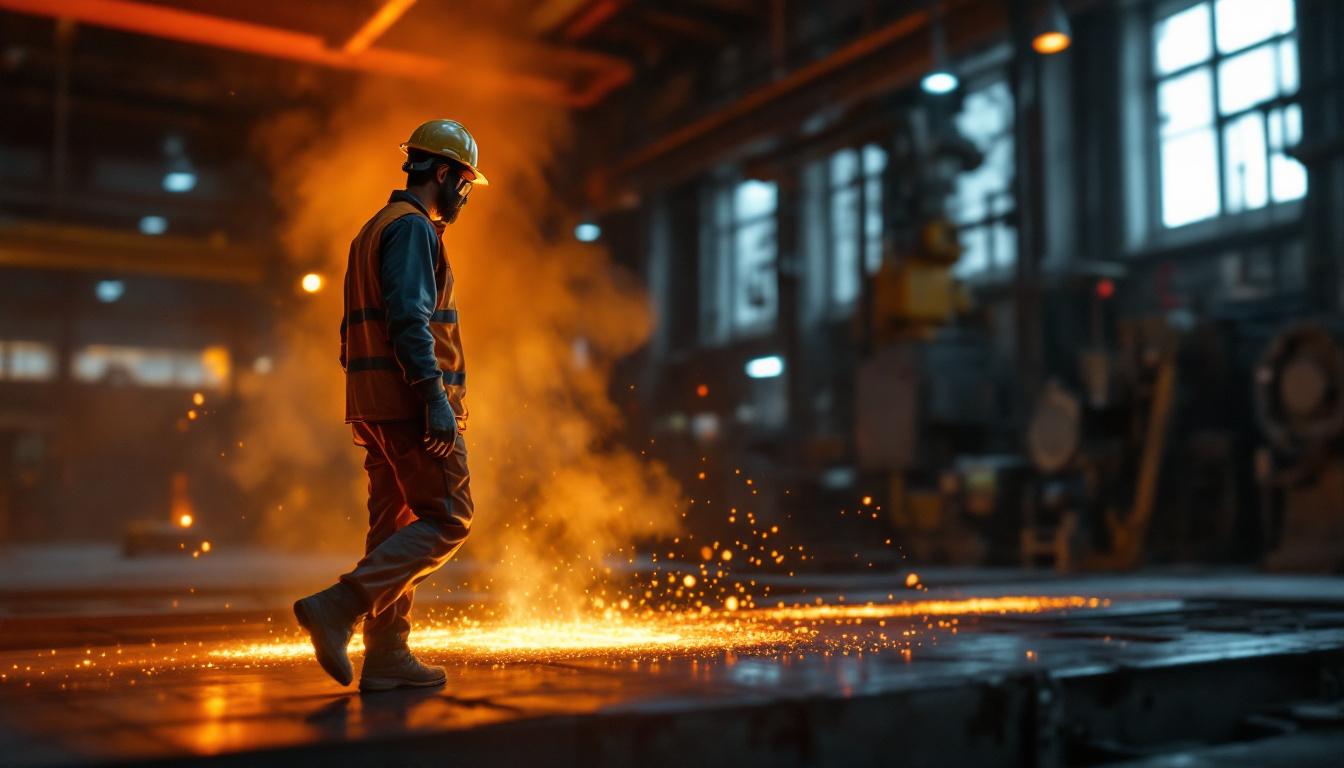
“Foundries face a structural multiple discount that has nothing to do with quality and everything to do with capital intensity, environmental complexity, and labor scarcity. The owners who realize the top of the foundry range are the ones who systematically address EPA exposure pre-market, document AFS-standard quality systems, and target buyers who understand the casting business, not generalist brokers who treat foundries like any other manufacturer. The right answer is a buy-side partner who already knows the foundry buyers, not a broker selling them a process.”
TL;DR, the 90-second brief
- Foundry businesses sell for 3-5x EBITDA in 2026, below the 4-7x average for pure manufacturing. The discount reflects three structural realities: capital intensity (replacement value of equipment often exceeds enterprise value), EPA RCRA hazardous waste compliance burden, and skilled labor shortage in pattern-making, melting, and casting roles.
- Sub-vertical mix matters more than overall foundry classification. Investment casting (precision aerospace) trades at 5-7x. Sand casting (heavy industrial) at 3-4.5x. Die casting (high-volume aluminum/zinc) at 4-5.5x. Permanent mold and centrifugal casting at 4-5x. Pure ferrous (iron/steel) typically below pure non-ferrous (aluminum/copper) due to environmental and energy intensity.
- Buyer pool is dominated by industrial PE and strategic consolidators. Active foundry acquirers include CIRCOR, Watts Water, Mueller Industries, plus PE platforms like Wynnchurch Capital, Atlas Holdings, Industrial Growth Partners, and Trive Capital. Public consolidators (CIRCOR, Watts) typically pay 5-7x EBITDA for category-leading targets.
- EPA and OSHA exposure must be quantified before going to market. RCRA hazardous waste generator status, NESHAP air emissions compliance, OSHA silica and lead exposure standards, Phase II environmental assessment of casting sand disposal areas. Unaddressed environmental liability typically compresses multiples 0.5-1.5x EBITDA at diligence.
- We work directly with 76+ active U.S. lower middle market buyers including 38 manufacturing-focused capital partners. Buyers pay us, not you. No retainer, no exclusivity, no contract until a buyer is at the closing table.
Key Takeaways
- Foundry multiples by sub-vertical: investment casting 5-7x; die casting 4-5.5x; permanent mold 4-5x; sand casting 3-4.5x. Aerospace/medical end markets command top-of-range pricing.
- Active buyers include CIRCOR (NYSE: CIR), Watts Water (NYSE: WTS), Mueller Industries (NYSE: MLI), plus PE platforms Wynnchurch Capital, Atlas Holdings, Industrial Growth Partners, Trive Capital.
- EPA RCRA hazardous waste generator status is gating diligence. Most foundries operate as Large Quantity Generators (LQG); some qualify as Small Quantity Generators (SQG). Compliance documentation must be current.
- AFS (American Foundry Society) participation, NADCA (North American Die Casting Association) for die casters, and ASTM/ISO certifications signal quality systems maturity to buyers.
- OSHA silica (29 CFR 1910.1053) and lead (29 CFR 1910.1025) standards drive operational compliance burden. Phase II environmental assessments are typical pre-close.
- Customer concentration above 25% with automotive OEMs (Ford, GM, Stellantis) or single defense primes (Lockheed, Raytheon, GD) triggers 0.5-1x EBITDA discount and customer-retention earnouts.
Why foundries trade at a structural discount to pure manufacturing
The 3-5x EBITDA multiple range for foundries reflects three structural economic realities that buyers price into every transaction. First, capital intensity: a foundry generating $5M EBITDA might have $25-50M of equipment replacement value (induction furnaces, automatic molding lines, pouring systems, sand reclamation, dust collection). The buyer’s leverage is constrained by the asset base, and exit multiples in 5 years are constrained by the same dynamics that affect today’s buyer.
Second, environmental compliance burden. Foundries are EPA-regulated under RCRA (hazardous waste from spent sand, baghouse dust, slag), CAA NESHAP (air emissions from cupolas, induction furnaces), CWA (storm water management), and OSHA silica and lead standards. Annual compliance costs run 1-3% of revenue. A buyer who acquires a foundry with deferred environmental compliance inherits the catch-up cost, which is why Phase II environmental assessment is gating diligence.
Third, skilled labor scarcity. Pattern makers (5-10 year journeyman progression), melt deck operators (5+ year experience for ferrous), mold makers, and finish-room technicians are all aging workforces with limited apprenticeship pipelines. AFS workforce surveys consistently show median age above 50 and replacement risk in the 5-10 year horizon. Buyers price the workforce risk explicitly.
Where the structural discount can be partially overcome. Foundries serving aerospace, medical, or specialty defense end-markets, where precision investment casting earns AS9100, NADCAP, or ISO 13485 certifications, trade above the 5x ceiling. Foundries serving automotive Tier 1 supply chains with long-tenured Ford/GM/Stellantis programs trade at the high end of sand and die casting ranges. The sub-vertical mix and end-market exposure can shift the multiple meaningfully.
Foundry sub-vertical multiples: investment vs sand vs die casting
Foundry valuations vary 1.5-2x EBITDA across sub-verticals because the underlying economics, end-markets, and capital structures differ materially. Anchoring on a generic “foundry multiple” misses the dispersion. A $5M EBITDA investment casting business serving aerospace can sell for $30M; a $5M EBITDA gray iron sand foundry serving heavy industrial customers might sell for $17M. Same EBITDA, different multiple.
Investment casting (lost-wax, precision casting): 5-7x EBITDA. Highest-multiple foundry sub-vertical. End-markets: aerospace (LEAP engine components, GE Aviation, Pratt & Whitney), medical devices (orthopedic implants), defense (precision aerospace components), gas turbine power generation (Siemens Energy, Mitsubishi Power). AS9100 certification, NADCAP accreditation for special processes. PE platforms include Industrial Growth Partners and Atlas Holdings precision components platforms.
Die casting (aluminum, zinc, magnesium): 4-5.5x EBITDA. Mid-range multiple. End-markets: automotive (powertrain, body components, EV battery housings), industrial (pump/motor housings), consumer electronics, lighting. NADCA certifications. Active buyers: PE platforms targeting Tier 1 automotive supply chains (Wynnchurch, Trive Capital), strategic consolidators. Pure die casters with strong EV battery enclosure programs trade at 5.5x; commodity zinc die casters at 4x.
Sand casting (gray iron, ductile iron, steel): 3-4.5x EBITDA. Lower-multiple sub-vertical due to capital intensity, environmental burden, and commoditized end-markets. End-markets: heavy industrial (compressors, valves, pumps), construction equipment (Caterpillar, Deere supply chains), municipal water (manhole covers, water utility components, Mueller Industries is a buyer here). Multiples improve with high-mix, high-margin specialty work; compress with commodity, low-margin volume.
Permanent mold and centrifugal casting: 4-5x EBITDA. Niche sub-verticals. Permanent mold (typically aluminum) for medium-volume specialty applications. Centrifugal casting for pipe, rolls, and rotating components. Multiples reflect mid-range capital intensity. End-markets: power generation, oil and gas, specialty industrial. Buyer pool narrower than die casting or sand casting.
| Foundry sub-vertical | Multiple range | Top end-markets | Active buyers |
|---|---|---|---|
| Investment casting | 5-7x EBITDA | Aerospace, medical, defense, power gen | Industrial Growth Partners, Atlas Holdings, strategics |
| Die casting (Al/Zn/Mg) | 4-5.5x EBITDA | Automotive, EV batteries, industrial | Wynnchurch, Trive Capital, Tier 1 strategics |
| Sand casting (iron/steel) | 3-4.5x EBITDA | Heavy industrial, construction equip, municipal | Mueller Industries, Watts Water, regional PE |
| Permanent mold | 4-5x EBITDA | Medium-volume specialty, power gen | Industrial PE, niche strategics |
| Centrifugal casting | 4-5x EBITDA | Pipe, rolls, rotating components | Specialty industrial PE, strategics |
Who actually buys foundry businesses in 2026
The 2026 foundry buyer pool divides into four archetypes with different deal economics and target profiles. The pool is narrower than for general manufacturing because of the operational complexity of running a foundry. Generalist PE platforms typically don’t pursue foundries unless they have prior casting industry experience. The buyers who do pursue foundries are foundry-experienced, and they pay reasonable multiples within the structural constraints.
Archetype 1: Public strategic consolidators. CIRCOR International (NYSE: CIR) acquires precision flow control and casting businesses. Watts Water Technologies (NYSE: WTS) acquires foundry/casting capabilities for water infrastructure products. Mueller Industries (NYSE: MLI) acquires copper and brass casting businesses. Multiples: 5-7x EBITDA for category-leading targets, often all-cash structures, shorter earnouts. Best outcome if you can position to the right one.
Archetype 2: Industrial PE platforms with foundry experience. Wynnchurch Capital has invested across industrial manufacturing including casting. Atlas Holdings owns multiple industrial platforms with casting components. Industrial Growth Partners targets precision components including investment casting. Trive Capital and KPS Capital Partners pursue industrial roll-ups with casting capabilities. Multiples: 4-6x EBITDA with rollover equity opportunity.
Archetype 3: Foundry-specific roll-up platforms. Several PE-backed casting platforms actively acquire as add-ons. Examples have included precision casting roll-ups under Industrial Growth Partners, sand casting consolidations under regional industrial PE, and die casting platforms under Tier 1 automotive supplier ownership. Multiples: 4-5.5x EBITDA depending on sub-vertical fit. Best for $2-10M EBITDA targets that complement existing platform geography or capability.
Archetype 4: Tier 1 automotive and aerospace strategic acquirers. Major Tier 1 suppliers (Magna International, BorgWarner, Aptiv) and aerospace primes occasionally acquire foundry businesses for vertical integration. Multiples: 4-6x EBITDA depending on strategic fit. Often pursue foundries with single-customer concentration (Tier 1 supplier acquiring its supplier to lock in supply). Limited buyer pool but premium pricing when fit aligns.
Looking for a foundry for sale? Where foundries come up for sale and what to check
Most foundries for sale never appear on a public listing. Small job shops and equipment-heavy plants show up on marketplaces such as BizBuySell, DealStream, and BusinessNation, while profitable foundries with certified quality systems usually sell privately through M&A advisors to strategic buyers and foundry-experienced private equity firms. Buyers who want those deals need direct outreach to owners.
Public listings are a thin slice of the market. BizBuySell shows 222 metal product manufacturers for sale, a category that mixes foundries with fabrication and machine shops, and SMERGERS lists 33 foundries for sale and investment worldwide. DealStream and BusinessNation run dedicated smelting, casting, and foundry categories. Many listings are equipment sales or distressed plants rather than going concerns.
Before you make an offer on any foundry, check these items, most of which this guide covers in depth below:
- Environmental status. Order a Phase I environmental site assessment, confirm the plant’s RCRA hazardous waste generator status, and check compliance with the EPA’s area source NESHAP for foundries (40 CFR Part 63, Subpart ZZZZZ for iron and steel, Subpart ZZZZZZ for aluminum, copper, and other nonferrous foundries).
- Silica and lead exposure. Ask for air monitoring records under the OSHA respirable silica rule at 29 CFR 1910.1053 and for any open citations.
- Pattern and tooling ownership. Many patterns and dies belong to customers, not the foundry. Get a written list of who owns what.
- Equipment condition. Melt furnaces, molding lines, and sand systems drive capex. Get an independent equipment appraisal and a deferred maintenance list.
- Customer and workforce concentration. Confirm how much revenue the top customers represent and whether the pattern makers, melt supervisors, and metallurgist will stay.
If you are searching for an aluminum foundry for sale, most aluminum work happens in die casting and permanent mold shops, which price above sand casting per the sub-vertical ranges in this guide. For buyers who want off-market foundry deal flow, CT Acquisitions approaches owners directly; see how we find off-market businesses for sale.
EPA RCRA, NESHAP, and OSHA compliance: the diligence reality
Environmental and OSHA compliance is the gating diligence area in every foundry transaction. Buyers conduct Phase I environmental assessments before LOI signing, Phase II assessments (test pits, soil sampling, groundwater wells) during diligence on most deals, and operational compliance audits to verify RCRA, NESHAP, and OSHA compliance. Issues found at Phase II typically compress multiples 0.5-1.5x EBITDA or kill deals entirely.
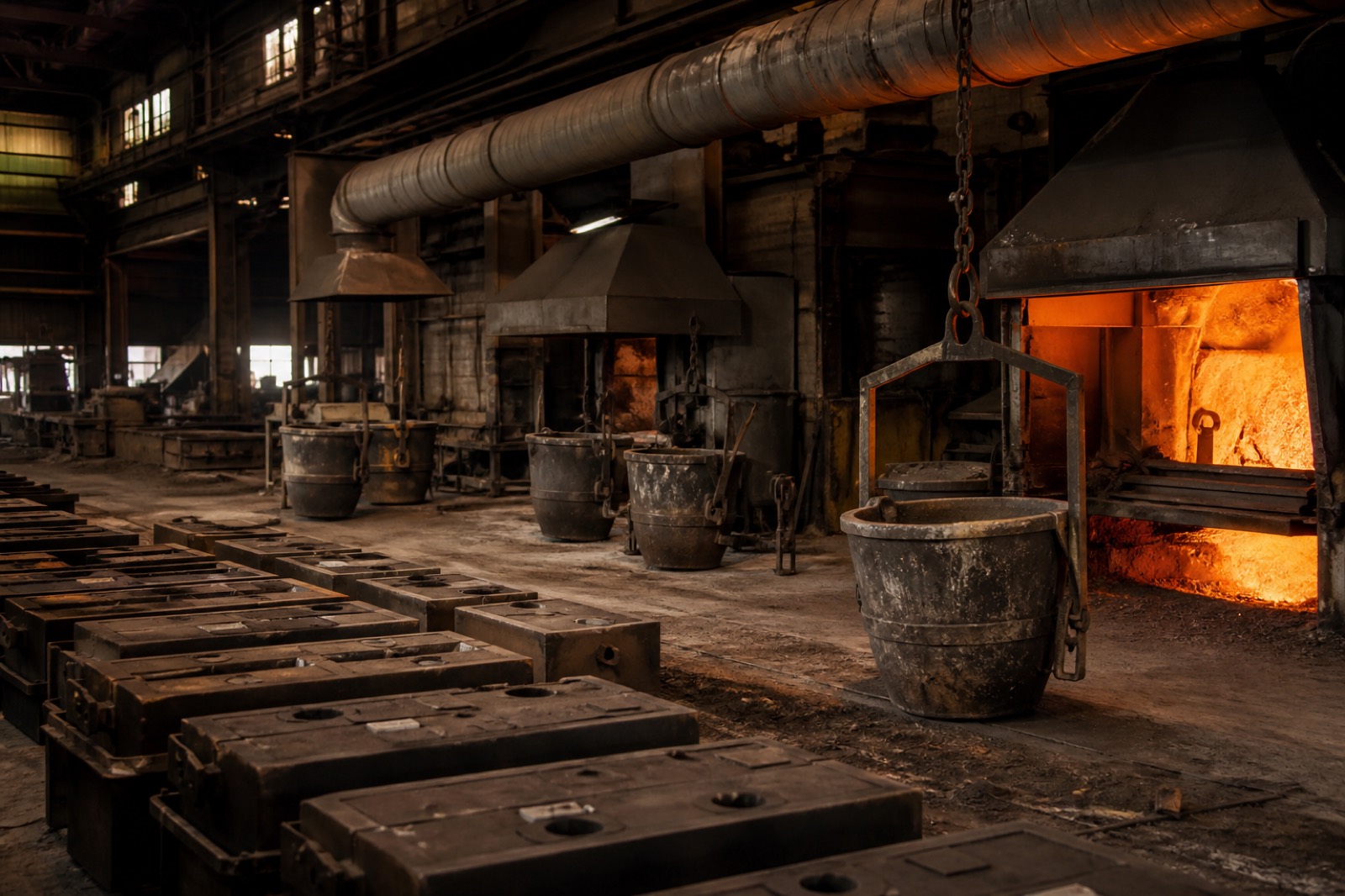
EPA RCRA hazardous waste generator status. Foundries generate hazardous waste from spent foundry sand (sometimes), baghouse dust (often, due to lead, cadmium, chromium content), slag, and waste oils. Most foundries operate as Large Quantity Generators (LQG, more than 1,000 kg hazardous waste/month) or Small Quantity Generators (SQG, 100-1,000 kg/month). Documentation requirements: hazardous waste manifests, biennial reports, contingency plans, training records. Lapsed compliance triggers enforcement action that the buyer inherits.
Clean Air Act NESHAP requirements. 40 CFR 63 Subpart EEEEE applies to iron and steel foundries. 40 CFR 63 Subpart EEEEEE applies to aluminum, copper, and other non-ferrous foundries. Compliance includes baghouse and dust collector performance testing, opacity monitoring, work practice standards. Buyers verify continuous compliance through Title V or synthetic minor permit records.
OSHA silica and lead standards. 29 CFR 1910.1053 (respirable crystalline silica) requires exposure assessment, engineering controls, respiratory protection program, medical surveillance for sand foundry operations. 29 CFR 1910.1025 (lead) applies to brass, bronze, and lead-containing alloy foundries. Documentation: exposure assessments, medical surveillance records, training records, respirator fit testing. OSHA citations during diligence trigger multiple compression.
Phase II environmental assessment scope. Typical Phase II investigates historical sand disposal areas, fuel oil tank locations (current or removed), historical solvent storage and degreaser areas, baghouse dust storage areas, and stormwater discharge points. Soil and groundwater testing for VOCs, metals (lead, chromium, cadmium), and PFAS (emerging concern). Cost: $25-100K depending on site complexity. Findings drive specific deal protections (escrow, indemnification, environmental insurance).
AFS, NADCA, and quality system certifications that drive premiums
Industry association membership and quality system certifications signal operational maturity to buyers. Active participation in AFS (American Foundry Society) for general foundries, NADCA (North American Die Casting Association) for die casters, SFSA (Steel Founders’ Society of America) for steel casters, and ICA (Investment Casting Institute) for investment casters all signal industry engagement. Quality system certifications produce more measurable premiums.
Quality certifications that materially drive multiples. ISO 9001:2015 (general quality management) is now table stakes for serious foundries. AS9100 Rev D (aerospace quality management) for foundries serving aerospace primes adds 0.5-1x EBITDA. NADCAP accreditation for special processes (heat treating, NDT, chemical processing, materials testing) adds 0.25-0.5x. ISO 13485 (medical devices) for foundries supplying medical OEMs adds 0.5-1x for the certification + customer mix premium.
IATF 16949 for automotive supply chains. Foundries supplying automotive Tier 1 (BorgWarner, Magna, Aptiv, Lear) or OEMs (Ford, GM, Stellantis) typically need IATF 16949 certification. The certification itself doesn’t drive a large multiple premium, but its absence is disqualifying for the highest-multiple automotive supply chain customers. Multiples for automotive-supply foundries range 4-5.5x EBITDA depending on customer programs and contract length.
PPAP (Production Part Approval Process) and APQP documentation. Foundries supplying automotive or aerospace customers maintain PPAP (Production Part Approval Process) submissions for each part number, with detailed APQP (Advanced Product Quality Planning) documentation. Buyers’ quality diligence reviews PPAP package completeness, control plan adequacy, and process capability data (Cpk above 1.33 typical requirement). Strong PPAP discipline signals operational maturity.
Capital intensity and the equipment-replacement-value problem
Foundries carry high equipment replacement values relative to enterprise value, which constrains buyer leverage and exit multiples. A $5M EBITDA foundry typically has $25-50M of equipment replacement value (induction furnaces $2-8M, automatic molding lines $3-12M, sand reclamation systems $1-4M, dust collection $0.5-2M, finishing equipment $1-5M, building $5-15M). At a 5x EBITDA multiple, enterprise value is $25M, less than equipment replacement cost.
Why this matters for buyer leverage. Senior lenders (typically asset-based or unitranche facilities) lend against the lower of enterprise value, EBITDA-based leverage multiples, and asset-based collateral. Foundry equipment is specialized and has limited liquidation value (auction recovery typically 20-40% of replacement cost). Lenders apply low advance rates against foundry equipment, limiting leverage available to the buyer, which constrains the multiple the buyer can pay.
The deferred maintenance discount. Foundries with deferred capex (aging induction furnaces, undercapacity dust collection, aging molding lines) face explicit multiple discounts. Buyers calculate “maintenance capex” required over 3-5 years post-close and reduce purchase price by the present value of that capex. Common scenario: $5M EBITDA business with $5-8M of deferred capex experiences 0.5-1x EBITDA multiple discount, effectively the buyer paying for the deferred maintenance.
Real estate ownership as a value preserver. Many foundries own their facility (50,000-300,000+ sq ft industrial buildings on 5-50 acres). The real estate often appreciates while equipment depreciates, providing a value floor. Buyers may sale-leaseback the real estate to recover capital, or include real estate in the deal at appraised value. Pre-market: get a current commercial real estate appraisal to understand the floor value.
Customer concentration in foundry businesses
Customer concentration is common in foundries because customer programs are sticky, once a foundry tools up for a part number with PPAP-approved processes, the customer rarely re-sources. But concentration also drives valuation discount. Foundries with 40-70% of revenue from one automotive OEM, one defense prime, or one industrial customer face 0.5-1.5x EBITDA multiple compression vs diversified foundries.
Concentration risk by end-market. Automotive OEM concentration (Ford, GM, Stellantis): 30-50% concentration is typical and discounted moderately because programs are multi-year and re-sourcing is rare. Defense prime concentration (Lockheed Martin, Raytheon, GD, Northrop): heavily discounted because program funding is congressional/political and contract terms vary. Industrial OEM concentration (Caterpillar, Deere, Komatsu): moderately discounted, tied to specific equipment programs.
Concentration mitigation strategies pre-market. Add new customer programs with 12-24 months of qualification work (PPAP submissions take 6-18 months; AS9100 customer qualification 12-24 months). Diversify across customer programs within a single customer (e.g., 3-5 part numbers across multiple Ford programs reduces program-specific risk). Document customer relationship history (how long customer has been with you, how many programs migrated successfully).
Structural deal protections for unavoidable concentration. Customer-retention earnout: 15-25% of price tied to keeping the concentrated customer 24-36 months post-close. Key program retention bonus: incentivizes selling owner to support customer relationship through transition. Larger escrow with environmental and customer concentration carve-outs. Reps and warranties insurance tail extension. Done well, structural protections preserve 80-90% of the “clean-deal” multiple.
Workforce and pattern-maker scarcity
Skilled foundry labor scarcity is a real and growing diligence issue. Pattern makers, melt deck operators, mold makers, and finish-room technicians are aging workforces with limited apprenticeship pipelines. AFS workforce data consistently shows median age in skilled foundry trades above 50, with 30-40% of skilled workforce eligible to retire within 10 years. Buyers price the workforce risk explicitly.
What buyers diligence in foundry workforce. Average tenure by skill category (target: pattern shop 8+ years, melt deck 5+ years, finish room 3+ years). Voluntary turnover rate (target below 15% annually for skilled trades). Apprenticeship program documentation (DOL-registered pattern-maker or molder apprenticeships, partnerships with technical colleges). Cross-training matrix (multiple operators trained on each critical workstation). Succession planning for key skilled positions.
Workforce premium drivers. DOL-registered apprenticeship program: 0.1-0.25x EBITDA premium. Partnership with regional technical college (Mott Community College, Pellissippi State, etc.): 0.05-0.1x premium. Internal management bench promoted from skilled trades: 0.1-0.2x premium. Cross-training matrix documented: 0.05-0.1x premium. Cumulative workforce premium can reach 0.5x EBITDA on a category-leading foundry workforce.
Owner retention agreements at close. Buyers often require selling owner to remain 12-36 months post-close in foundries because of the depth of operational knowledge in patternmaking decisions, alloy specifications, and customer relationship history. Retention compensation typically $200-500K depending on EBITDA size, structured as base salary plus bonus tied to performance metrics. Plan for this in your post-close life planning.
Sale process timeline for foundry businesses in 2026
A well-prepared foundry sale runs 9-14 months from market launch to close at typical LMM size. Longer than general manufacturing (6-9 months) because of environmental diligence complexity, equipment appraisal requirements, and narrower buyer pool requiring more targeted outreach. Add 12-24 months on the front for proper preparation if environmental compliance and operational documentation aren’t already buyer-ready.
Months 1-3: positioning and outreach. Build CIM (35-55 pages with technical detail). Position around right buyer archetype (public strategic, industrial PE, foundry roll-up, Tier 1 strategic). Outreach to 20-40 potential buyers depending on size and sub-vertical fit. Sign NDAs with serious prospects. Narrow to 6-12 management meetings.
Months 3-5: management meetings and IOIs. In-person facility tours (foundry meetings always require physical visits given equipment and process complexity). Customer reference calls late-stage, selectively. Receive 3-6 indications of interest with non-binding price ranges. Negotiate exclusivity. Sign LOI.
Months 5-9: diligence. Quality of Earnings ($75-150K, 6-8 weeks). Phase II environmental assessment ($25-100K, 8-12 weeks). Equipment condition appraisal ($25-75K, 4-6 weeks). Customer-level revenue verification. PPAP package review for automotive/aerospace customers. RCRA compliance review with specialized environmental counsel. OSHA compliance audit (silica, lead, respiratory protection).
Months 9-14: documentation and close. Purchase agreement negotiation (asset vs stock, working capital peg, indemnification, environmental indemnification carve-out, escrow). Reps and warranties insurance procurement (typical for $10M+ deals, often required given environmental exposure). Environmental insurance procurement (separately from R&W). Employee notification 24-72 hours pre-close. Customer notification per contractual requirements. Master operating permit transfer (NESHAP, RCRA).
Working capital, capex, and the foundry-specific deal mechanics
Foundries carry meaningful working capital tied to inventory (sand, raw metal, finished goods), AR (60-90 day B2B terms typical for industrial customers), and AP. Net working capital typically runs 12-22% of TTM revenue for foundries, higher than general manufacturing. The working capital peg negotiation in the purchase agreement materially affects net proceeds. On a $30M revenue foundry at 18% NWC ratio, a 30-day swing in AR collection vs target is roughly $250-350K of value.
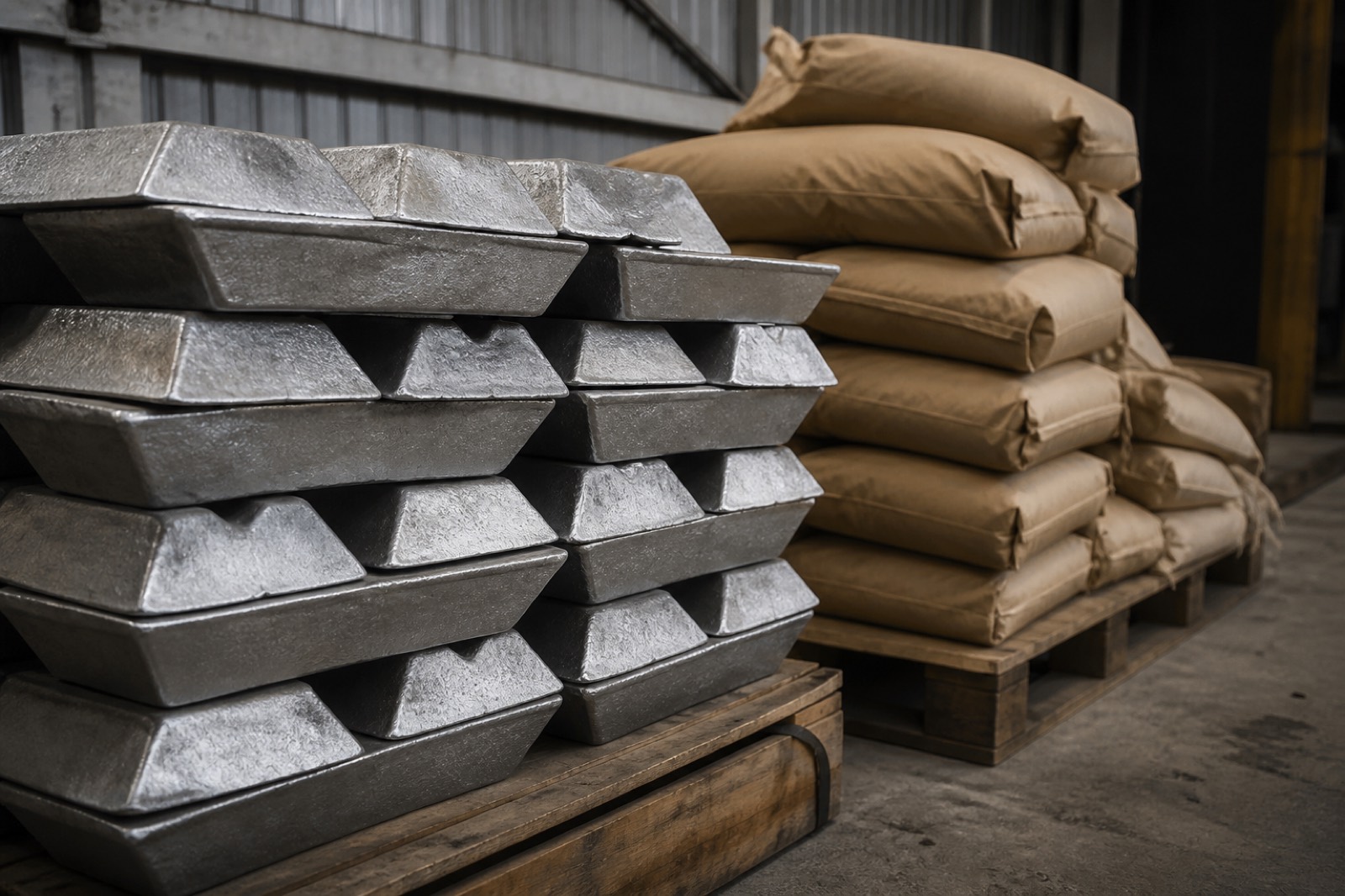
Inventory accounting treatment. Foundry inventory includes raw materials (pig iron, scrap, alloying elements, sand), WIP (poured castings awaiting heat treat or finishing), finished goods. Raw material inventory often LIFO-accounted; commodity scrap pricing volatility complicates valuation. Buyers’ QoE providers normalize inventory to current-cost replacement basis. Inventory accounting differences can swing reported EBITDA $50-300K.
Capex normalization in EBITDA calculations. Foundry capex includes both maintenance capex (replacement of worn equipment) and growth capex (new programs, capacity expansion). Buyers normalize EBITDA by subtracting maintenance capex (typically 4-8% of revenue for foundries) before applying multiples. Owners who don’t separate maintenance from growth capex see their effective EBITDA understated. Document capex by category for last 5 years.
Environmental indemnification carve-outs. Foundry transactions typically carve out environmental indemnification from the general indemnification cap. Common structure: 10-15% of purchase price escrow held 18-36 months for general indemnification, plus separate environmental indemnification of 10-20% of price held 5-10 years (sometimes backed by environmental insurance). Carve-outs reflect that environmental claims have long discovery tails compared to general business claims.
Common mistakes foundry owners make in sale preparation
Mistake 1: deferring environmental compliance investment. Letting RCRA documentation lapse, deferring NESHAP testing, ignoring OSHA silica compliance. Phase II findings and compliance gaps trigger 0.5-1.5x EBITDA discounts. The compliance investment ($100-500K over 12-18 months pre-market) typically returns 5-10x at exit.
Mistake 2: ignoring deferred capex. Going to market with aging induction furnaces, undercapacity dust collection, and worn molding lines. Buyers calculate maintenance capex required and deduct from price. Better to invest $1-3M in equipment refresh 12-24 months pre-market and capture the EBITDA improvement plus multiple uplift than to let buyer price the deferred maintenance against you.
Mistake 3: weak quality system documentation. Operating without ISO 9001, AS9100, or NADCAP when the customer mix would support it. Quality certifications signal operational maturity and open up higher-multiple end-markets (aerospace, medical, automotive Tier 1). The 12-24 month investment in certification typically returns 0.5-1x EBITDA.
Mistake 4: hiring a generalist business broker. Generalist brokers don’t have relationships with CIRCOR, Watts Water, Wynnchurch, or Atlas Holdings industrial platforms. They run a generic auction and the named foundry buyers never participate. Sub-optimal: 3-3.5x EBITDA from regional bidders when 4.5-5x was available from the right industrial buyer.
Mistake 5: aggressive add-backs in QoE-heavy industry. Foundry QoE engagements are more rigorous than general manufacturing because environmental, capex, and inventory issues require more documentation. Aggressive add-backs without invoice support face 50-70% haircuts in foundry QoE. Document add-backs rigorously.
Mistake 6: ignoring workforce succession. Going to market with a pattern shop where the lead pattern maker is 67 and there’s no apprentice. Buyer prices retirement risk explicitly. 24-36 months pre-market: hire and train apprentices, document tribal knowledge in pattern shop SOPs, cross-train operators.
Selling a foundry business? Talk to a buy-side partner first.
We’re a buy-side partner working with 200+ buyers including 38 manufacturing-focused capital partners. Active foundry acquirers in our network include strategic consolidators (CIRCOR, now KKR-owned, plus public Watts Water Technologies and Mueller Industries), industrial PE platforms with foundry experience (Wynnchurch Capital, Atlas Holdings, Industrial Growth Partners, Trive Capital, KPS Capital Partners), and Tier 1 automotive/aerospace strategics. The buyers pay us, not you. No retainer, no exclusivity, no contract until a buyer is at the closing table. A 30-minute discovery call gets you three things: a real read on what your foundry is worth in 2026, a sense of which buyer types fit your goals, and the option to meet one of them. Try our free valuation calculator first if you prefer.
Maximizing valuation: the 18-36 month foundry preparation playbook
Foundries benefit from longer preparation windows than general manufacturing because environmental and quality system improvements take time. Owners who prepare 18-36 months before going to market consistently see 30-50% better outcomes than reactive sellers. The preparation isn’t cosmetic, it’s structural improvement to environmental compliance, quality systems, workforce pipeline, and operational documentation.
Months 36-24: environmental and capex foundation. Phase II environmental assessment of facility (proactive, not reactive). Address findings through remediation, no-further-action determination, or environmental insurance. Equipment refresh planning: identify $1-3M of priority capex investments. Investigate and renew Title V or synthetic minor air permits.
Months 24-12: quality systems and workforce. ISO 9001:2015 certification if not in place. AS9100 or IATF 16949 if customer mix supports. NADCAP accreditation for special processes. PPAP package review and update for automotive/aerospace customers. DOL-registered apprenticeship program for patternmaking and molding. Hire and onboard 2-4 apprentices to build workforce pipeline.
Months 12-6: financial reporting and operational documentation. Move to monthly closes within 15 days. CPA-prepared annual financials (reviewed level for $5M+ EBITDA businesses). Document add-backs with line-item invoice support. Separate maintenance capex from growth capex in financial reporting. Document SOPs for pattern shop, melt deck, molding, finishing, quality.
Months 6-0: diligence package preparation. 36 months of tax returns, P&Ls, balance sheets, bank statements. Customer revenue by part number indexed by program. Equipment list with maintenance and replacement schedules. PPAP package indexed by customer/part. Quality certifications current and posted. RCRA, NESHAP, OSHA documentation current. Workforce roster with tenure, comp, and skill matrix. Phase I environmental update.
Conclusion
Selling a foundry business is structurally different from selling a typical manufacturing business. Capital intensity is higher, environmental compliance burden is heavier, skilled labor scarcity is more acute, and the buyer pool is narrower. The 3-5x EBITDA multiple range reflects real underlying economics, not buyer ignorance. The owners who realize the top of the foundry range are the ones who systematically addressed EPA RCRA and NESHAP compliance pre-market, invested in quality system certifications (ISO 9001, AS9100, NADCAP, IATF 16949 as customer mix supports), built workforce pipelines through DOL-registered apprenticeships, and went to market with rigorously documented financials. The owners who let environmental compliance lapse, defer capex investment, and rely on generalist business brokers typically realize 30-50% less than they could have. If you want to talk to someone who knows the foundry buyers personally instead of running an auction, we’re a buy-side partner, the buyers pay us, not you, no contract required.
Frequently Asked Questions
What is a foundry business worth in 2026?
Foundry businesses sell for 3-5x EBITDA in 2026, below the 4-7x average for pure manufacturing. By sub-vertical: investment casting 5-7x; die casting 4-5.5x; permanent mold 4-5x; sand casting 3-4.5x. End-markets matter (aerospace and medical premium; commodity industrial discount), as do quality certifications and environmental compliance status.
Why do foundries trade at a discount to general manufacturing?
Three structural reasons: capital intensity (equipment replacement value often exceeds enterprise value, constraining buyer leverage), environmental compliance burden (EPA RCRA hazardous waste, NESHAP air emissions, OSHA silica and lead standards add 1-3% of revenue in compliance costs), and skilled labor scarcity (pattern makers, melt deck operators aging out with limited apprenticeship pipelines).
Who buys foundry businesses?
Four archetypes: strategic consolidators (CIRCOR, now KKR-owned, plus public Watts Water Technologies and Mueller Industries), industrial PE platforms with foundry experience (Wynnchurch Capital, Atlas Holdings, Industrial Growth Partners, Trive Capital, KPS Capital Partners), foundry-specific roll-up platforms, and Tier 1 automotive/aerospace strategic acquirers (Magna, BorgWarner, aerospace primes) for vertical integration.
What environmental issues kill foundry deals?
Phase II environmental assessment findings: historical sand disposal areas with metals contamination, fuel oil tank exposure, baghouse dust storage area soil impacts, stormwater discharge issues. RCRA non-compliance (lapsed manifests, missing biennial reports, untrained personnel). NESHAP non-compliance (failed performance tests, opacity violations). OSHA silica or lead violations. Findings typically trigger 0.5-1.5x EBITDA discount or kill deals.
How does AFS, NADCA, or AS9100 certification affect valuation?
ISO 9001:2015 is table stakes. AS9100 (aerospace) adds 0.5-1x EBITDA for foundries serving aerospace primes. NADCAP accreditation adds 0.25-0.5x for foundries with NDT, heat treat, chemical processing operations. ISO 13485 (medical) adds 0.5-1x for medical-supply foundries. IATF 16949 (automotive) is required for Tier 1 supply but doesn’t drive a large incremental premium, its absence is disqualifying.
How long does selling a foundry business take?
9-14 months from market launch to close at typical LMM size. Longer than general manufacturing (6-9 months) because of environmental diligence (Phase II 8-12 weeks), equipment appraisal (4-6 weeks), and narrower buyer pool requiring targeted outreach. Add 18-36 months on the front for proper preparation.
How do buyers handle environmental indemnification?
Foundry transactions typically carve out environmental indemnification from general indemnification cap. Common structure: 10-15% of price escrow for 18-36 months for general indemnification; separate environmental indemnification of 10-20% held 5-10 years (sometimes backed by environmental insurance). Reflects that environmental claims have long discovery tails compared to general business claims.
What customer concentration is acceptable in foundry deals?
Concentration is more common in foundries than general manufacturing because programs are sticky. Top customer below 25% = clean deal. 25-40% with automotive OEM or industrial customer = moderate discount, often customer-retention earnout. 40-60% = 0.5-1x discount plus structural protections. Defense prime concentration heavily discounted because contract funding is congressional/political.
What’s the deferred capex issue in foundry valuations?
Buyers calculate maintenance capex required over 3-5 years post-close and deduct from price. Common scenario: $5M EBITDA business with $5-8M of deferred capex (aging induction furnaces, undercapacity dust collection, worn molding lines) experiences 0.5-1x EBITDA discount. Better to invest $1-3M in equipment refresh 12-24 months pre-market than let buyer price deferred maintenance against you.
How important is real estate ownership in foundry deals?
Significant. Many foundries own 50,000-300,000+ sq ft industrial buildings on 5-50 acres. Real estate often appreciates while equipment depreciates, providing a value floor. Buyers may sale-leaseback to recover capital, or include real estate at appraised value. Pre-market: get current commercial real estate appraisal to understand the floor value, can support overall deal structure.
What workforce metrics do buyers diligence?
Average tenure by skill (pattern shop 8+ years, melt deck 5+ years). Voluntary turnover (target below 15% for skilled trades). DOL-registered apprenticeship programs. Partnership with regional technical college. Cross-training matrix. Succession planning for key skilled positions. Workforce premium can reach 0.5x EBITDA for category-leading workforce.
Asset sale or stock sale for foundry transactions?
Most foundry transactions are asset sales for buyer liability protection (especially environmental) and depreciation step-up. Stock sales (or 338(h)(10) elections) are common at $10M+ EBITDA when permits, contracts, and licenses make stock structure cleaner operationally. Environmental indemnification structure typically dominates the asset-vs-stock discussion.
How is CT Acquisitions different from a sell-side broker or M&A advisor?
We’re a buy-side partner, not a sell-side broker. Sell-side brokers represent you and charge 8-12% of the deal (often $300K-$1M+) plus monthly retainers, run a 9-12 month auction process, and require 12-month exclusivity. We work directly with 200+ buyers including 38 manufacturing-focused capital partners, public strategics, industrial PE platforms, family offices, and strategic consolidators, who pay us when a deal closes. You pay nothing. No retainer, no exclusivity, no contract until a buyer is at the closing table. We move faster (60-120 days from intro to close) because we already know who the right buyer is rather than running an auction to find one.
Where can I find a foundry for sale?
Start with marketplaces such as BizBuySell, DealStream, BusinessNation, and SMERGERS, which list foundries, casting shops, and related metal manufacturers. Expect many listings to be small job shops, equipment sales, or distressed plants. Profitable foundries with certified quality systems usually sell privately, so serious buyers also work with M&A advisors, industry contacts through the American Foundry Society, and direct outreach to owners.
What should I check before buying a foundry?
Start with environmental risk: a Phase I site assessment, RCRA hazardous waste generator status, and EPA air permit compliance. Then review OSHA silica monitoring records, who owns the patterns and tooling, the age of melt and molding equipment, customer concentration, and whether key pattern makers and melt supervisors will stay. Environmental indemnities and escrow terms in the purchase agreement matter more in foundry deals than in most manufacturing purchases.
Sources & References
All claims and figures in this analysis are sourced from the publicly available references below.
- https://www.afsinc.org/
- https://www.epa.gov/rcra
- https://www.epa.gov/stationary-sources-air-pollution/iron-and-steel-foundries-national-emission-standards-hazardous-air
- https://www.osha.gov/silica-crystalline
- https://www.diecasting.org/
- https://www.sec.gov/cgi-bin/browse-edgar?action=getcompany&CIK=0001091883&type=10-K
- https://www.sec.gov/cgi-bin/browse-edgar?action=getcompany&CIK=0000876437&type=10-K
- https://www.sfsa.org/
Related Guide: How to Sell a Manufacturing Business, Full sale process for manufacturers across sub-verticals.
Related Guide: How to Sell a Metal Fabrication Business, Metal fabrication valuation, buyers, and sale process.
Related Guide: Manufacturing Business Multiples by Sub-Vertical, Compare valuation ranges across manufacturing categories.
Related Guide: Private Equity Firms Buying Manufacturing in 2026, Active PE platforms across manufacturing sub-verticals.
Related Guide: 2026 LMM Buyer Demand Report, Aggregated buy-box data from 76 active U.S. lower middle market buyers.
Want a Specific Read on Your Business?
30 minutes, confidential, no contract, no cost. You leave with a read on your local buyer market and a likely valuation range.