
How to Buy a Route-Based Business (2026): Tips for Buying an Established Route
Buying an established route gets you customers, a schedule, and cash flow on day one, instead of the slow grind of building a route from nothing. What you pay for is the customer list and the right to serve it, so the work is proving those customers will stay after the owner leaves. This playbook covers what routes cost, how they are valued, what to check before you sign, and the mistakes that sink first-time route buyers.
Christoph Totter · Managing Partner, CT Acquisitions
M&A advisory across 500+ active capital partners · Route-based business acquisitions: concentration + churn DD · Updated June 16, 2026
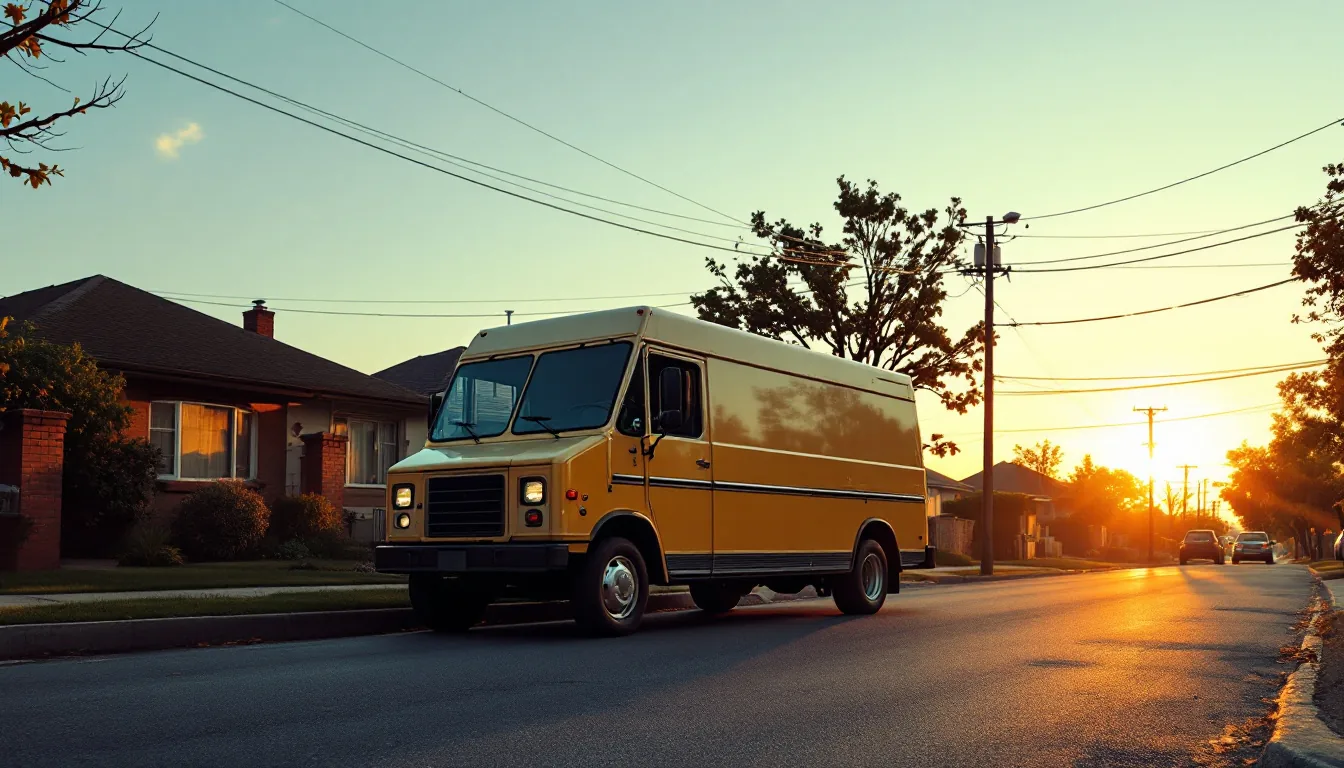
Tips for Buying a Route in 2026: “Route businesses share the same DNA: a portfolio of customers, served on schedule, with equipment and people in the field. The buyer who understands all four layers, and which one drives value in this specific business, is the buyer who picks well.”
TL;DR, the 90-second brief
- Route-based businesses span vending, delivery, distribution, courier, lawn care, pest control, mobile services, and many more categories.
- What you’re really buying: a portfolio of customer relationships (often under contract) plus the equipment and team to serve them on a route schedule.
- Capital requirements vary enormously by category and scale, from under $100K equity for small owner-operator routes through millions for large multi-route operations.
- Diligence focuses on customer contracts/recurring relationships, route economics, equipment condition, employee/driver situation, and customer concentration.
- Route businesses can be owner-operator (smaller) through full operating businesses with employees, fleet, and management infrastructure.
Key Takeaways
- Route businesses share common DNA: customer portfolio + schedule-based service + equipment + team.
- Categories include vending, delivery (FedEx, food distribution), courier, lawn care, pest control, mobile services, commercial cleaning, ATM, and many more.
- Capital requirements vary enormously by category and scale.
- Customer portfolio (contracts, recurring relationships) is typically the central asset.
- Diligence: customer contracts and concentration, route economics, equipment, employees, competitive position.
- Owner-operator models common at smaller scales; full operating businesses at larger.
- Financing through SBA 7(a), seller financing, and specialty lenders familiar with the category.
- Customer concentration is a recurring risk, diversified routes are far more resilient than concentrated ones.
Route-Based Business Acquisition Snapshot (2026)
| Tier / Segment | Range (2026) |
|---|---|
| SBA 7(a) down payment (combined business + equipment) | 10% minimum equity injection (SBA SOP 50 10 8) |
| Working capital reserve | 6 months operating expense |
| Equipment-replacement reserve | 5%-15% of purchase price (fleet-heavy routes) |
| Single-customer concentration discount trigger | Above 20% (deal-killer above 35%) |
| Seller financing typical structure | 10%-20% down, 5-10 yr owner-carry at 6%-9% |
Ranges reflect 2026 buy-side observations across active capital partners and named industry consolidators. Specific transaction outcomes vary by geography, customer concentration, and deal structure.
The Common DNA of Route Businesses
From the CT desk
What 2026 route-based business acquisition activity reveals
- •Route value depends on six core drivers: (1) customer concentration (single-customer above 20% triggers discount, above 35% is deal-killer), (2) contract terms (multi-year auto-renewal commands premium), (3) equipment quality (modern fleet with maintenance records), (4) geographic density (route miles per stop, stops per day), (5) revenue per stop, (6) churn / attrition rate.
- •2026 route business acquisition capital stack: a 10% minimum equity injection under SBA SOP 50 10 8 (lenders may ask for more) on an SBA 7(a) loan covering business + equipment, plus 6-month working capital reserve, plus equipment-replacement reserve (5-15% of purchase price for fleet-heavy routes).
- •SBA 7(a) is primary for sub-$5M deals; equipment financing (4-6 year terms, equipment as collateral) supplements for newer-fleet acquisitions. Seller financing 10-20% down with owner-carry 5-10 years at 6-9% is common for established routes where the seller has route-density data to underwrite.
- •Key-employee retention plan (driver / operator retention is critical for route preservation) is the buyer-side underwriting requirement. Routes are inherently relationship-dependent, losing the driver / operator often loses the customer. Structured retention bonuses, equity participation, or earnouts tied to retention are common.
Despite the wide variety of categories, route-based businesses share a common operating structure that shapes how to evaluate and buy them:
A portfolio of customers. Whether commercial accounts (lawn care for businesses, vending in offices, FedEx delivery routes), residential customers (lawn care, pest control), or end consumers at point of service (ATM users), the customer base is the central asset. Customer count, concentration, contract status, and stickiness all drive value.
Schedule-based service. Customers are served on a defined schedule, weekly lawn cuts, monthly pest control, daily delivery routes, biweekly vending restocks. The schedule defines the operational rhythm and capacity requirements.
Equipment and tools. Vehicles (trucks, vans, equipment trailers), specialized equipment (vending machines, lawn equipment, pest control sprayers, cleaning equipment), and supporting infrastructure (warehouse, storage, dispatch systems). Equipment age and condition matter.
Team and labor. Route drivers, technicians, service personnel. For smaller route businesses, the owner is the route operator; for larger businesses, employees do the routes and the owner manages operations.
Geographic territory. Many route businesses have geographic concentration (a metropolitan area, a county, multiple states for larger). Geography affects competitive dynamics, customer density, and operational efficiency.
Want a specific read on your business?
CT Acquisitions advises buyers on route-based business acquisitions across many categories. We help structure deals and run the diligence that protects buyer value. Book a confidential call.
Become a Vetted Partner & Get Deal FlowWhat Route Businesses Cost
Capital varies enormously by category and scale: small owner-operator routes (small vending route, single-person lawn care, single mobile service): $25K-$150K. Mid-size routes with employees (small FedEx ISP, established pest control route, mid-size commercial cleaning): $200K-$1M+. Large multi-route operations (multi-route delivery, regional pest control, large food distribution): $1M-$10M+.
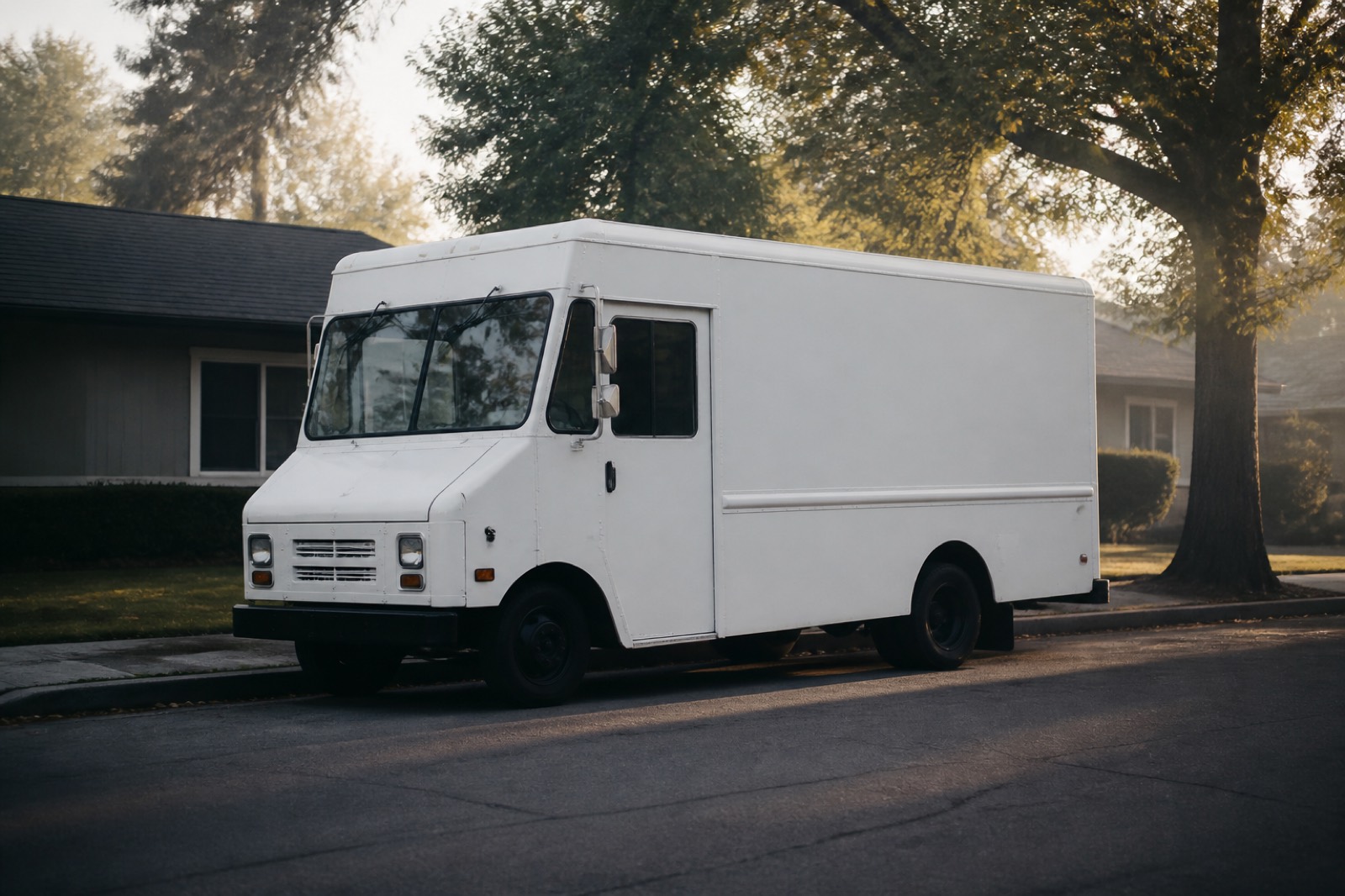
Financing: SBA 7(a) common across categories, seller financing frequent (particularly in smaller deals), specialty lenders for specific categories (FedEx route specialty lenders, food distribution specialty financing). Working capital matters for inventory-heavy categories (food distribution) and less for service-only categories (lawn care).
How Route Businesses Are Valued
Propane delivery is a route business too; see how to sell a propane distribution business for its multiples by size.
Typical valuation uses SDE/EBITDA multiples (multiples vary by category, with mature recurring service categories often higher than transactional categories). Customer contract quality is the big multiplier, businesses with long-term contracts and high renewal rates command higher multiples than transactional or short-contract businesses.
Recurring revenue is gold. Categories with strong recurring revenue (pest control with annual contracts, commercial cleaning with monthly contracts, vending with multi-year location contracts) tend to support higher multiples than categories with more transactional revenue.
Diligence
Key focus areas across categories: customer base (count, contract status, concentration, typically the biggest risk is a few customers being a major share of revenue), revenue history by customer (trended, identify declining accounts), equipment condition (vehicles, specialty equipment, age, replacement timing), employee/driver situation (turnover, pay, retention plans, manager arrangement), route logistics efficiency (drive time, stops per route, time per stop, geographic density), competitive position (other operators in the territory), permits and licenses (varies by category, pesticide license for pest control, food permits for food distribution, motor carrier authority for some delivery), insurance and liability (commercial auto, general liability, workers comp), customer churn history (have customers been leaving recently?).
Customer concentration is typically the single biggest risk to size up. A route with one customer that’s 40% of revenue is a different deal from a route with no customer over 10% of revenue. Concentration affects valuation, deal structure (earn-outs and retention provisions), and post-close risk.
Buying an Established Route: The Checklist
Buying an established route means paying for an existing customer list, the right to serve a territory, and usually a truck or equipment. Verify the earnings with distributor statements or bank deposits, confirm the territory agreement transfers to you, inspect the vehicle, and ride along with the seller before you close.
Where routes come up for sale. BizBuySell‘s routes listings page reports a median asking price of $209,500 for an established route, with asking prices from under $109,000 to over $741,000. Route brokers, distributor and manufacturer resale lists, and owner groups for bread, snack, and delivery routes carry many more that never reach a public site. On distributor routes such as bread, snack, and FedEx routes, the parent company usually has to approve the buyer, so ask about its approval steps before you make an offer.
Tips for buying a route, in the order you need them:
- Get at least a year of distributor settlement statements, invoices, or bank deposits. Do not rely on a seller’s spreadsheet.
- List every stop or account with its revenue, and flag any that the seller added or lost recently.
- Read the territory or distribution agreement for transfer rights, term, and what the company can change after you buy.
- Ride the route for several days, and meet the largest accounts with the seller.
- Have a mechanic inspect the truck or van, and price the replacement into your offer.
- Ask why the seller is leaving and what they will do next. A seller who plans to compete nearby needs a non-compete.
- Agree on a paid training period and a holdback or earnout tied to account retention.
- Line up financing early. For vending routes, see our guide to buying a vending machine route.
A route that passes every item on this list is worth paying a fair price for. A seller who will not provide statements or a ride-along is telling you something about the numbers.
Operating Reality by Scale
Small owner-operator routes. The owner is in the field daily. Operational intensity is high; the business is the owner’s daily activity. Scaling requires hiring drivers/technicians, building admin infrastructure, and shifting the owner’s role.
Mid-size routes with employees. Owner shifts from doing the routes to managing the people doing them. Hiring, training, retention of route drivers becomes a central activity. Administrative infrastructure (scheduling, dispatch, billing) grows.
Large multi-route operations. Real operating company with management infrastructure: dispatchers, fleet management, route managers, customer service, billing, marketing. The owner’s role is general management or executive leadership.
Each scale has its own challenges. Small routes risk owner burnout and limited scalability. Mid-size routes face the operational challenge of building infrastructure while maintaining service quality. Large operations face the standard challenges of running an operating business, people management, processes, financial discipline, growth strategy.
Common Pitfalls
Underestimating customer concentration risk. Diligence the top customers carefully; deal structure should address concentration with earn-outs or retention provisions.
Skipping equipment inspection. Vehicles and specialty equipment need real evaluation, replacement timing is a real capital obligation post-close. For a vertical-specific application, our guide on how to buy a FedEx route walks through the unit economics.
Underestimating driver/technician labor reality. Route businesses live or die on the field team. Wage levels, turnover, recruitment difficulty all matter.
Treating recurring revenue as guaranteed. Recurring customer relationships can churn. Real diligence on churn history and retention dynamics matters.
Wrong scale fit. Buyers shouldn’t acquire a scale they aren’t equipped to operate. Smaller routes for owner-operators; larger routes for buyers with operational management capability or willing to develop it.
Putting It Together
Route-based businesses are a diverse and often attractive small-business acquisition category. The common DNA (customer portfolio + schedule-based service + equipment + team) shapes how to evaluate them across the wide range of specific categories. Customer portfolio is typically the central asset; recurring revenue and contract terms drive value; equipment and employees are the operational backbone.
Diligence focuses on customer contracts and concentration (the typical biggest risk), revenue trends, equipment condition, labor situation, and competitive position. Operating model needs to match buyer expectations and scale, owner-operator for smaller routes, real operating-business management for larger.
Done well, route businesses combine recurring revenue, route-density operational leverage, and (for many categories) growth-by-acquisition potential. Done casually, without proper customer diligence, equipment evaluation, or operational fit, they consistently disappoint. The successful buyers respect the category’s specifics, diligence the customer portfolio carefully, and match their operating commitment to the scale and complexity.
Frequently Asked Questions
What is a route-based business?
A business that serves customers on a defined schedule across a geographic territory, vending, FedEx and other delivery routes, food distribution, courier services, lawn care, pest control, mobile services (mobile detailing, mobile grooming), commercial cleaning, ATM operations, and many more. The common DNA is customer portfolio + schedule + equipment + team.
How much does it cost to buy a route business?
Varies enormously by category and scale. Small owner-operator routes: $25K-$150K. Mid-size routes with employees: $200K-$1M+. Large multi-route operations: $1M-$10M+. SBA 7(a) and seller financing typically support most acquisitions.
How are route businesses valued?
Typically SDE/EBITDA multiples, varying widely by category. Recurring revenue businesses (pest control, commercial cleaning, vending with long contracts) tend to support higher multiples than transactional categories. Customer contract quality, concentration, and renewal rates drive multiples significantly.
What’s the biggest risk in buying a route business?
Customer concentration is typically the central risk. A route with one customer that’s 40% of revenue is a different deal from one with no customer over 10%. Concentration affects valuation, deal structure (earn-outs, retention provisions), and post-close stability. Diligence the top customers carefully.
Can I operate a route business myself or do I need employees?
Depends on scale. Small owner-operator routes (lawn care, mobile services, small vending) are designed to be run by the owner directly. Mid-size and larger routes typically have employees, drivers, technicians, service personnel, and the owner’s role shifts to management. Match scale to your operating model.
What kinds of route businesses are most popular for acquisition?
FedEx routes (active aggregator and individual buyer market), vending routes (broad buyer interest from semi-passive operators), commercial cleaning routes, pest control routes, lawn care routes, food distribution routes. The popular categories share recurring revenue, route-density economics, and clear playbooks.
How do I finance a route business acquisition?
SBA 7(a) is the dominant path across most route categories. Seller financing is common, particularly for smaller deals. Specialty lenders exist for specific categories (FedEx route specialty financing, food distribution specialty lenders). Working capital needs vary by category.
What should I diligence on a route business?
Customer contracts and concentration (the typical biggest risk), revenue history trended by customer, equipment condition (vehicles, specialty equipment, replacement timing), employee/driver situation (turnover, pay, retention), permits and licenses, insurance and liability, customer churn history, and competitive position in the territory.
What’s the operating reality day-to-day?
Depends on scale. Small routes are owner-in-the-field daily. Mid-size routes are owner managing a small team of drivers/technicians. Large routes are real operating businesses with dispatchers, fleet management, customer service, and standard people-management challenges.
What are the most common mistakes route business buyers make?
Underestimating customer concentration risk, skipping equipment inspection, underestimating driver/technician labor reality, treating recurring revenue as guaranteed without diligence on churn, and wrong scale fit (acquiring a scale the buyer isn’t equipped to operate).
Is buying an established route a good idea?
It can be, if the earnings are verified and the customers will stay with a new owner. Established routes give you cash flow from day one, but many are physically demanding and depend on one distributor or a few accounts. Check distributor statements, ride the route, and read the territory agreement before you commit. Price the truck and your own labor into the return.
Where can I buy a route?
Start with listing sites such as BizBuySell, then talk to route brokers who specialize in bread, snack, vending, or delivery routes. Many distributors and manufacturers keep their own resale lists, and owner groups often hear about routes before they are listed. On distributor routes, contact the parent company early, because it usually must approve you as the buyer.
Can you really buy a FedEx route?
Yes. FedEx Ground contracts with independent service providers, and those contractors sell their businesses, including the routes and trucks, to new owners. FedEx has to approve the buyer before the contract transfers, so plan for its review in your timeline. Diligence the settlement statements, truck fleet, driver team, and contract term the same way you would any route.
Related Guide: How to Buy a FedEx Route,
Related Guide: How to Buy a Vending Machine Route,
Related Guide: SBA 7(a) Loan for Business Acquisition,
Related Guide: How to Evaluate a Small Business for Acquisition,
Want a Specific Read on Your Business?
30 minutes, confidential, no contract, no cost. You leave with a read on your local buyer market and a likely valuation range.
30 N Gould St, Ste N, Sheridan, WY 82801, USA · (307) 522-0262 · Contact