
How to Buy a Gas Station in 2026: Complete Buying Guide

Christoph Totter · Managing Partner, CT Acquisitions
M&A advisory across 500+ active capital partners · Gas station / C-store acquisitions & fuel-margin underwriting · Updated June 6, 2026
When buying a gas station in 2026, expect to pay $750K to $3M for owner-operator single sites (including real estate, fuel contract, convenience store, and any car wash); multi-site operators trade at 5x-8x EBITDA. The acquisition is really 4 separate components: real estate (land + building, often 50-60% of total price), fuel contract (major brand supply agreement with rebates), c-store inventory and operations, and any car wash. SBA 7(a) financing under $5M typical. Critical diligence: environmental site assessment (Phase I + Phase II if any contamination history), underground storage tank (UST) compliance, fuel contract terms, and lease structure.
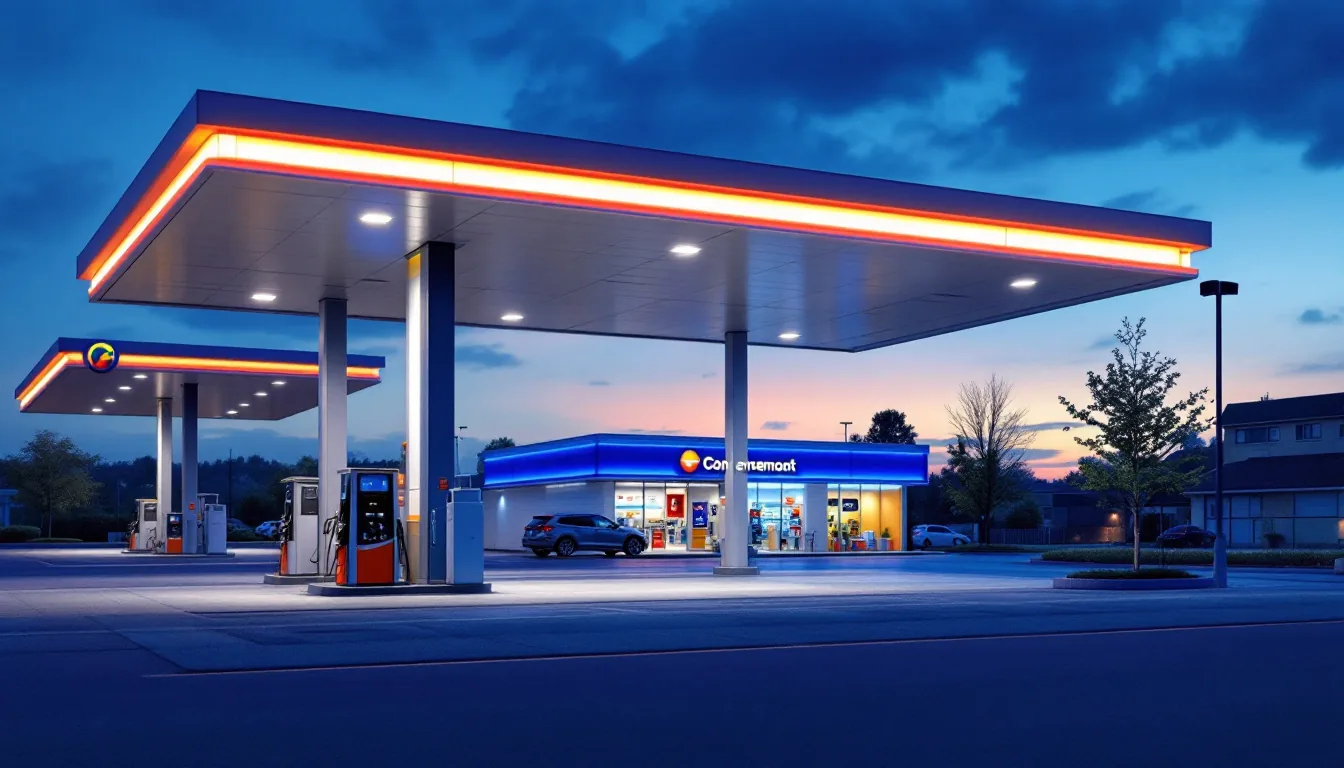
“A gas station isn’t really one business. It’s real estate, a fuel distribution contract, a convenience store, and sometimes a car wash and quick-serve restaurant, all stacked on a site with environmental risk most buyers don’t fully diligence. The successful buyers understand each layer.”
TL;DR, the 90-second brief
- A gas station is multiple stacked businesses: real estate, fuel sales (with brand contract), convenience store, often car wash and food service.
- Capital requirements run from $300K-$1M+ in equity for smaller independent stations, $500K-$2M+ for branded stations, more for c-store/quick-serve combos.
- Real estate is often the most valuable asset, buying with land vs. lease changes the deal economics dramatically.
- Fuel brand contracts (Shell, Exxon, BP, Chevron, etc.) come with supply agreements, branding requirements, and approval rights over change of ownership.
- Environmental due diligence is non-negotiable, Phase I and often Phase II ESAs are required to identify potential underground tank contamination liability.
Key Takeaways
- A gas station is multiple stacked businesses: real estate, fuel (often branded), c-store, often car wash and food service.
- Real estate is often the most valuable asset; owning the land changes the deal economics significantly vs. leased sites.
- Capital requirements range from $300K-$1M+ in equity for independents to $500K-$2M+ for branded stations.
- Fuel brand contracts (Shell, Exxon, BP, Chevron) include supply agreements, branding standards, and approval rights for ownership changes.
- Environmental due diligence is critical: Phase I ESA standard, Phase II often required to test for tank contamination.
- Profit comes more from c-store and ancillary (car wash, food) than from fuel margin alone, fuel is often a traffic driver.
- SBA 7(a) financing is common; specialty lenders familiar with gas stations are easier to work with than generalist banks.
- Owner-operator models common at smaller scales; multi-site operators and small chains common at larger.
What You’re Actually Buying
CT Acquisitions · 2026 Gas Station Acquisition Signal
What Gas Station Buyers Find Out in Diligence
Across our buy-side conversations with gas station / C-store acquirers in 2026:
- UST (underground storage tank) compliance is the deal-cliff issue. Phase I/II environmental, tank age, leak detection equipment compliance, discovered tank issues trigger price haircuts or kill the deal.
- C-store revenue mix drives the operating multiple. C-store + food + lottery + tobacco mix above 50% of EBITDA separates platform-grade operators from fuel-only single-sites.
- Branded supply agreement terms gate exit options. Remaining supply contract years, minimum purchase requirements, image refresh capex requirements all materially shift the buyer-side math.
Multiple at a Glance · 2026
Gas Station / C-Store Acquisition Multiples · 2026
By scale and C-store / food mix.
Source: CT Acquisitions analysis. SBA 7(a) for owner-occupied; conventional CRE for portfolio. Diligence: UST compliance, Phase I/II environmental, branded supply agreement terms, lottery contracts.
Related Cluster GuideAdjacent retail acquisition playbook: see how how to buy a convenience store works in 2026.
The first thing a gas station buyer needs to understand is what’s actually in the deal. Different gas station acquisitions involve different combinations of stacked businesses, and the value (and the diligence) shifts with each.
The real estate. The land and improvements (pumps, canopy, building, car wash, signage). For owned-real-estate stations, this is often the single most valuable component, and a meaningful share of buyer equity goes into the real estate itself. For leased sites, real estate isn’t in the deal but the lease becomes a critical contract to diligence.
The fuel business. The fuel-selling operation: underground tanks, pumps, dispensers, point-of-sale, supply contracts. Often operates under a brand contract (Shell, Exxon, BP, Chevron, Marathon, Sunoco, others) with branding requirements, supply agreements, pricing structures, and credit-card processing. Independent (unbranded) stations exist too with their own dynamics.
The convenience store. The c-store inside or attached to the station. Often the highest-margin revenue line, tobacco, beverages, snacks, lottery, beer/wine where licensed. Sophisticated c-store operations include foodservice (pizza, subs, fried chicken, coffee programs).
The car wash (if present). Self-serve, in-bay automatic, or tunnel car wash. Real revenue contributor and capital-intensive to operate and maintain. Increasingly significant for gas station economics.
Quick-serve restaurant / food (if present). Branded QSR franchise (Subway, Dunkin, etc.) or proprietary food. High-margin revenue but adds operational complexity and brand commitments.
Different deals include different combinations. A small independent gas station + small c-store is very different from a branded station + sophisticated c-store + car wash + QSR. The buyer must be clear about what’s in the deal.
How Gas Stations Make Money
Understanding profitability is essential to evaluating any gas station acquisition. The naive assumption is that gas stations make their money on gasoline. They mostly don’t.
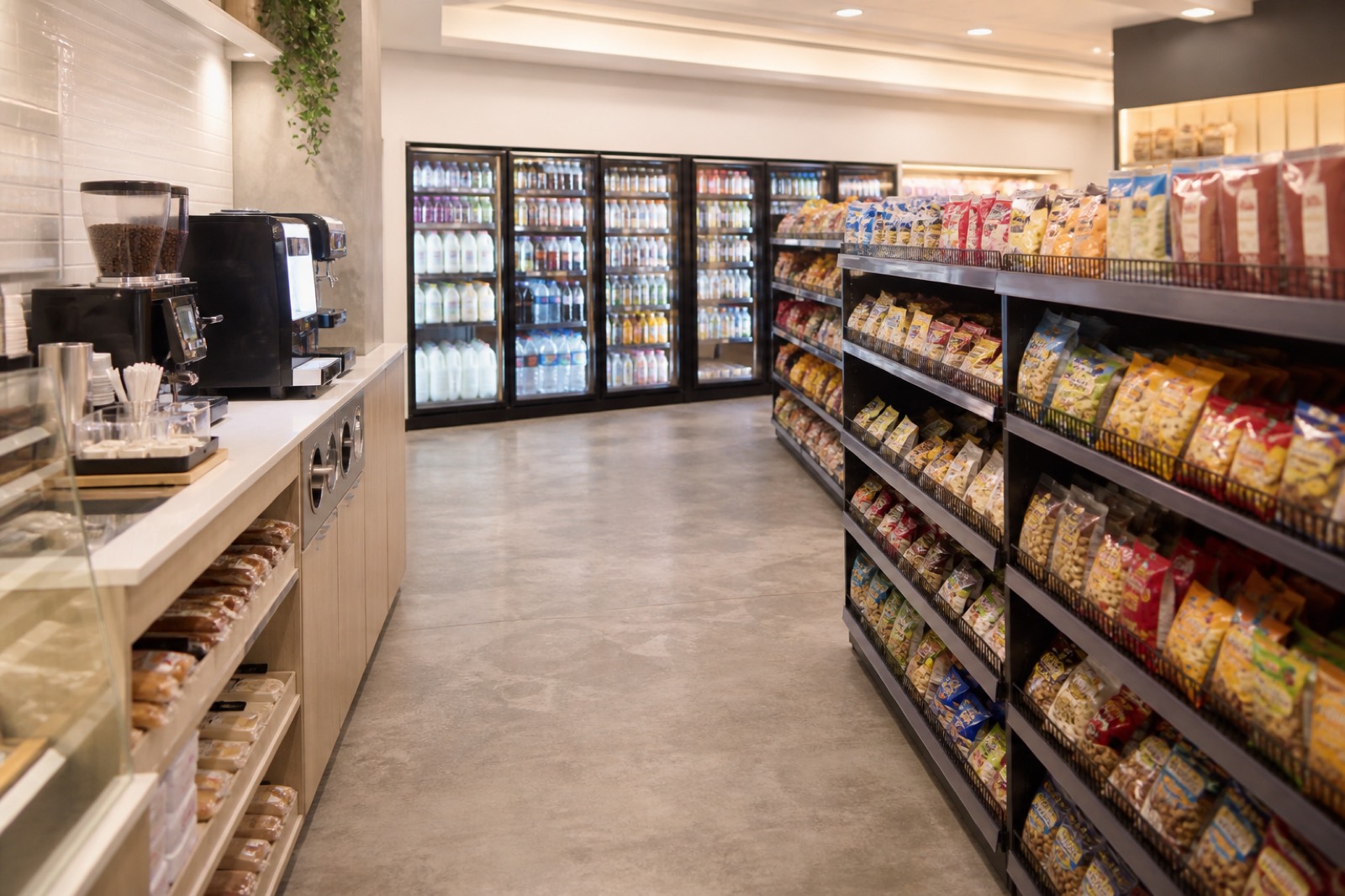
Fuel margins are thin. Retail fuel margins typically run only a few cents per gallon, and they vary substantially with wholesale prices, supply contracts, and competitive dynamics. Volume matters enormously: high-volume stations on busy corridors can be profitable on fuel; low-volume stations often break even or worse on fuel alone.
C-store margins are where the money is. Inside sales, snacks, beverages, tobacco, lottery, beer/wine, carry much higher margins than fuel. A station’s c-store performance often determines whether the overall business is profitable. Strong c-store operations with disciplined merchandising, foodservice, and tobacco/lottery sales can be very profitable.
Car wash and food add real margin. Where present, car washes are typically high-margin contributors. QSR/foodservice can add significant revenue and decent margins, with the trade-off of operational complexity.
Real estate value (for owned-land stations) is the underlying asset. Even if operating margins are modest, the real estate appreciation and the option value of the corner can be substantial. Many gas station investments are partly real estate plays.
The implication for buyers: don’t underwrite the deal as a fuel business. Underwrite it as the full stack, fuel + c-store + ancillary + real estate. A station with weak c-store performance and no car wash may struggle even with high fuel volume; a station with strong c-store, modern car wash, and QSR can thrive even on modest fuel volume. The mix matters far more than the headline.
Buying an Independent or Established Gas Station: What Changes
Buying a gas station splits into two practical decisions: whether you take on an independent (unbranded) site or a branded one, and whether you buy an established operator with a trading history or a turnaround. Each path changes your diligence, your financing, and how quickly you can run the store your way.
An independent gas station sources fuel on a more transactional basis rather than under a long fuel-brand supply agreement. That gives you pricing and sourcing flexibility, and it removes the brand-approval step that branded acquisitions require when ownership changes hands. The tradeoff is that an independent leans more heavily on operator-driven volume, so the location, the convenience store mix, and your own pricing discipline carry more of the result. If you want speed and control, an independent is the cleaner path; if you want built-in volume and marketing support, a branded site earns its supply agreement.
Buying an established gas station is usually the lower-risk move because you inherit a trading history you can underwrite. The single most important buyer tip: underwrite the full stack, fuel plus convenience store plus any car wash plus the real estate, not fuel margin alone. Confirm the tank age and compliance status, order a Phase I environmental site assessment before you get attached to the deal, and verify the fuel-brand approval timeline early if the site is branded. Established does not mean clean, so treat the environmental review as the gate it is.
The last tip separates buyers who close from buyers who stall: plan real working capital beyond the purchase price. Fuel inventory turns fast and ties up cash, and an established site with steady traffic still needs runway on day one. Match the ownership structure, independent or branded, to how hands-on you plan to be, then let the environmental and contract diligence decide the price.
What Gas Stations Cost
How much it costs to buy a gas station depends mostly on whether the land is included. BizBuySell’s gas station marketplace listed a median asking price of $450,000 for an established gas station in October 2026, which largely reflects leased-site business sales. Owned-land stations cost far more: BizBuySell’s California median was $2,245,000.
Capital requirements vary widely based on size, branding, location, real estate ownership, and ancillary businesses:
Small Independent (Leased)
$200K-$500K equity for a smaller independent station on leased land, modest c-store, no car wash. Buyer is taking over operations including the lease but not the real estate. Lower capital but lower upside (no real estate appreciation) and tighter economics.
Branded Station (Leased)
$400K-$1M equity for a branded station (Shell, Exxon, BP, etc.) on leased land with established c-store. Brand standards and contracts add complexity but established brand drives volume.
Independent or Branded with Owned Land
$700K-$2M+ equity for stations with real estate included. The real estate is the major share, and often justifies the higher equity given long-term value. SBA 7(a) financing is common for the operating portion; commercial real estate financing for the land/building.
Multi-Profit-Center Stations (C-Store + Car Wash + QSR)
$1M-$5M+ equity for sophisticated multi-profit-center operations. Larger c-stores, branded QSR (Subway, Dunkin, others), modern car wash. More capital but more revenue diversification and stronger overall economics.
Beyond Equity
Working capital matters, inventory turns, payroll, fuel deliveries (often weekly), card processing timing. Plan for substantial working capital beyond purchase price.
Want a specific read on your business?
CT Acquisitions advises buyers on specialty operating businesses including gas stations and c-store operations. We help structure the deal, manage environmental diligence, and navigate brand-contract approvals. Book a confidential call.
Environmental Due Diligence: The Single Biggest Risk
If there is one thing gas station buyers consistently underestimate, it’s environmental risk. Underground storage tanks (USTs) holding gasoline and diesel create real contamination liability, and that liability follows the property, often the buyer. Skipping environmental due diligence is one of the most expensive mistakes a buyer can make.
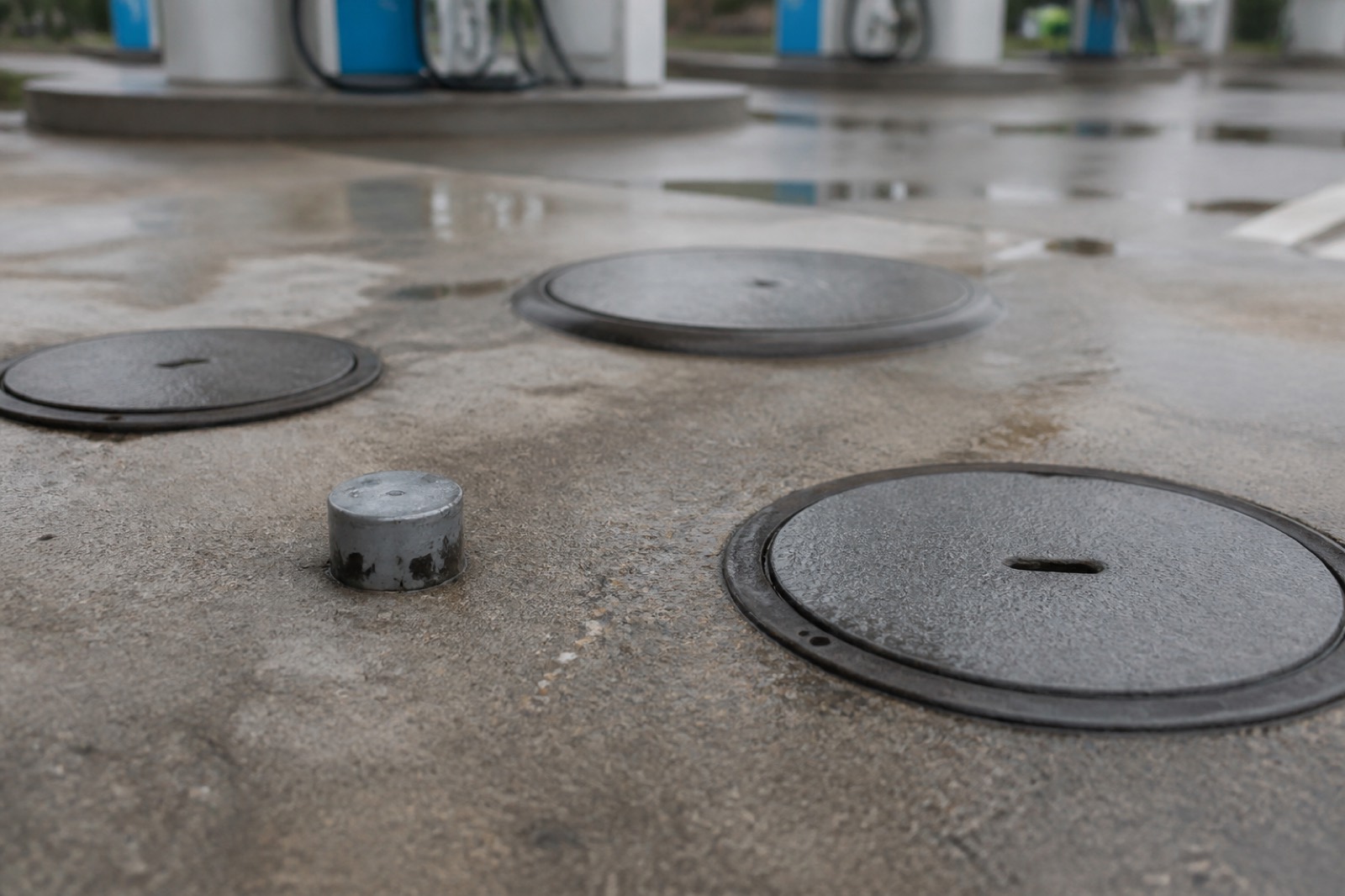
Phase I Environmental Site Assessment (ESA). The standard initial environmental investigation. Includes historical use review, site inspection, regulatory database search, and assessment of recognized environmental conditions (RECs). Non-negotiable for any gas station acquisition. Costs $2,500-$5,000 typically.
Phase II ESA. If Phase I identifies potential contamination concerns, Phase II involves actual sampling, soil borings, groundwater monitoring wells, tank-tightness testing. Costs $10,000-$50,000+ depending on scope. For many gas stations with older tanks or any contamination history, Phase II is warranted.
Tank age and compliance. Federal and state regulations have tightened over decades. Older single-walled steel tanks are a real liability risk; modern double-walled fiberglass tanks with leak detection are the current standard. Compliance with current regulations and remaining tank life are critical diligence items.
State cleanup funds. Many states have funds (financed by per-gallon fees) that help cover cleanup costs for qualifying contamination from regulated tanks. Eligibility varies by state and circumstance. Don’t rely on these as your only protection, confirm specifics with environmental counsel.
Indemnification and insurance. Purchase agreements should address environmental liability allocation. Pollution legal liability insurance can help, but the structure of indemnities and the seller’s continuing obligations are negotiation points. Environmental counsel is essential.
The bottom line: every gas station acquisition needs environmental due diligence, every buyer needs to understand the tank situation and any historical contamination, and every deal structure needs to address how environmental risk is allocated. Buyers who skip this find out about contamination liability after closing, and it can run into hundreds of thousands or millions of dollars.
Fuel Brand Contracts and Approval
For branded stations (Shell, Exxon, BP, Chevron, Marathon, etc.), the fuel brand contract is a major piece of the deal. Brands have specific requirements and approval rights:
Brand approval of ownership change. Most major fuel brands require approval of any change in station ownership. The brand evaluates the buyer, operating experience, financial capacity, plans for the site, alignment with brand standards. Buyers without prior fuel retailing experience may face additional scrutiny or be required to partner with experienced operators.
Supply agreements and minimum volumes. Branded stations operate under fuel supply agreements that often specify minimum volume commitments, pricing structures, payment terms, and brand exclusivity (you can sell only that brand’s fuel). Buyers need to understand the supply agreement terms, what they’re committing to and what flexibility they have.
Branding and image requirements. Brands enforce signage, building image, c-store offering, and operational standards. Stations failing to meet standards face brand action including image-upgrade requirements (often capital-intensive) or contract termination. Buyers should understand the current station’s compliance and any upcoming upgrade requirements.
Contract duration and renewal. Brand contracts have specific durations and renewal mechanics. Acquiring a station with a contract about to expire is different from acquiring one mid-contract, renewal isn’t guaranteed and renewal terms can change.
Independent (unbranded) alternative. Some operators run independent stations sourcing fuel on a more transactional basis. Lower brand-driven volume but more flexibility. The buyer should evaluate whether the station’s economics support branded or independent operation going forward.
Diligence Beyond Environmental
Standard diligence areas for gas station acquisitions:
Real estate. Title, surveys, zoning, easements, access, planned roadwork that could affect traffic, real estate appraisal. For owned-land deals, the real estate diligence is substantial.
Fuel volumes and trends. Historical fuel sales by month, trended over multiple years. Watch for declining trends (which can signal traffic loss, EV adoption impact, competitive intrusion) vs. stable or growing.
C-store performance. Inside sales by category, gross margin percentages, inventory turns, tobacco and lottery licenses, foodservice performance. Strong c-store operations are central to profitability.
Equipment condition. Pumps, dispensers, canopy, tank monitoring systems, point-of-sale, refrigeration, car wash equipment, foodservice equipment. Document age and replacement timing.
Permits and licenses. Operating permits, alcohol licenses (where applicable), tobacco licenses, lottery licenses, food service permits, environmental permits. Confirm transferability or new-application requirements.
Employees. Staffing, payroll, manager arrangement, employee retention plans. Many gas stations operate with thin staff; key employees (managers, food service leads) matter.
Competition. Other stations within reasonable radius, recent openings or closings, new construction or zoning that could change competitive dynamics.
Financing and the Acquisition Process
Most gas station acquisitions use a mix of equity and debt. SBA 7(a) is common for the operating portion; commercial real estate loans (often through specialty lenders) for the land/building. Specialty lenders familiar with gas station deals, there are several active in this space, are easier to work with than generalist banks unfamiliar with the asset class.
Individual gas station buyers typically use the SBA 7(a) loan program for gas stations to cover the majority of the purchase price and reserve equity for the working-capital peg.
Acquisition process flow: identify target through brokers (gas-station-focused brokers exist) or direct seller approach; preliminary review of financials, real estate, brand contract; LOI with contingencies including environmental, brand approval, financing, license transfers; due diligence including environmental, financial, operational, and legal; brand approval process for branded stations; financing finalization; definitive purchase agreement; closing with environmental indemnification structures and license transfers. Operations transition follows.
Timeline typically runs 3-6 months from LOI to closing, with environmental diligence and brand approval often being the longest critical-path items. Build slack into expectations.
Buying a gas station checklist: 10 steps from search to close
Buying a gas station follows ten steps: set your budget and structure, find listings, screen the financials by profit center, sign an LOI with an environmental contingency, run the Phase I and tank compliance review, read the fuel supply agreement, confirm permits, lock financing, get brand approval, then close with environmental indemnities in place.
- Budget and structure. SBA 7(a) loans go up to $5 million (SBA), and SBA SOP 50 10 8 requires at least a 10% equity injection on a change of ownership. Fuel inventory and working capital come on top of that.
- Find listings. Check the gas station category on BizBuySell, LoopNet and Crexi for sites sold with land, and brokers who specialize in fuel and c-store deals. Fuel jobbers, the wholesale distributors that supply independent stations, often hear first when an owner wants out.
- Screen the financials by profit center. Ask for fuel gallons and cents-per-gallon margin by month, inside sales by category, car wash revenue and rent, matched to tax returns.
- Sign an LOI with contingencies. Make the deal contingent on environmental results, financing, brand approval and license transfers. The environmental contingency clause is the one you cannot skip.
- Run the Phase I. Order a Phase I Environmental Site Assessment under the ASTM E1527-21 standard, and a Phase II if it flags recognized environmental conditions.
- Check tank compliance records. The EPA’s 2015 UST rule requires walkthrough inspections every 30 days and spill prevention equipment testing at least every three years, so ask for those logs, release detection records, tank install dates and your state cleanup fund eligibility.
- Read the fuel supply agreement. Note the remaining term, volume minimums, and whether any brand incentive or image money must be repaid if the contract ends early.
- Confirm permits and licenses. Tank registration, tobacco, lottery, alcohol and food permits each have their own transfer rules. Some require a new application in your name.
- Lock financing and brand approval. Use a lender that has closed gas station loans before, and start the brand approval file as soon as the LOI is signed.
- Close. Put environmental indemnities and any escrow in the purchase agreement, count fuel and merchandise inventory on closing day, and switch POS and card processing to your entity.
For the price side of the decision, our gas station cost and cash flow guide breaks down what each station format costs to buy and run.
Operating Reality and Common Pitfalls
Realistic expectations for buyers:
Operating intensity. Gas stations are 7-day, often 24-hour operations with thin staff and meaningful management oversight needed. Owner-operators commit substantial personal time. Multi-site operators need professional management infrastructure.
Margin pressure. Fuel margins are volatile (wholesale price swings affect retail margins meaningfully). C-store category margins shift with competitive and supply dynamics. Operators must manage merchandising, pricing, and category mix continuously.
Equipment failures. Pumps fail, refrigeration breaks, tank monitoring trips alarms, car wash equipment needs service. Plan for ongoing maintenance and unexpected repairs.
Compliance burden. EPA tank regulations, state environmental compliance, OSHA, fuel quality standards, c-store regulations, alcohol licensing where applicable. Compliance failures get expensive fast.
Common pitfalls: skipping environmental diligence and inheriting contamination liability; underestimating capital needs for tank upgrades, equipment replacement, brand image upgrades; under-staffing the operations; treating fuel as the profit center while neglecting c-store and ancillary; failing to anticipate fuel-brand approval requirements; relying on optimistic projections rather than trended historical data.
Done with proper diligence, capital, brand-approval planning, and operational commitment, gas stations can be solid acquisitions. Done casually, without environmental work, without c-store understanding, without realistic operating expectations, they often disappoint. The successful operators respect the multi-business stack and run each layer deliberately.
Conclusion
Buying a gas station works when you price the whole stack, not the fuel. Underwrite inside sales, any car wash or food, and the real estate on their own numbers. Treat the Phase I, the tank records and the fuel supply agreement as gates, not paperwork. Buyers who clear those three with a fair price and enough working capital tend to close well and keep the site running.
Frequently Asked Questions
Is buying an independent gas station better than a branded one?
Neither is better outright. An independent gas station sources fuel transactionally, which gives you pricing flexibility and skips the brand-approval step on a change of ownership, but volume rests more on your operation. A branded site brings supply-agreement volume and marketing support in exchange for image and branding requirements. Choose based on how hands-on you plan to be.
How much does it cost to buy a gas station?
Widely variable. Small independent stations on leased land: $200K-$500K equity. Branded stations on leased land: $400K-$1M. Stations with owned real estate: $700K-$2M+ equity. Sophisticated multi-profit-center stations (c-store + car wash + QSR): $1M-$5M+ equity. SBA 7(a) and specialty commercial real estate financing typically cover much of the total purchase price.
How do gas stations make money?
Mostly NOT from fuel. Fuel margins are thin (typically just a few cents per gallon) and volatile. Convenience store sales, tobacco, beverages, snacks, lottery, beer/wine, carry much higher margins and often drive overall profitability. Car wash and QSR/foodservice add real margin where present. Real estate is the underlying long-term asset.
What is environmental due diligence for a gas station?
Phase I Environmental Site Assessment (ESA), historical use review, site inspection, regulatory database search, is standard for any gas station acquisition. If Phase I identifies concerns, Phase II ESA involves actual soil and groundwater sampling. Underground storage tank (UST) contamination liability is the single biggest risk most buyers underestimate.
Do I need fuel brand approval to buy a gas station?
For branded stations (Shell, Exxon, BP, Chevron, etc.), yes. Major fuel brands require approval of any change in station ownership, evaluating the buyer’s operating experience, financial capacity, plans, and alignment with brand standards. The approval process is a real step in the deal timeline.
Should I buy a branded or independent gas station?
Trade-offs. Branded stations benefit from established brand-driven volume, brand marketing support, and credit-card processing programs, but come with supply agreements, branding requirements, image upgrade capital obligations, and brand approval requirements. Independents have more flexibility but rely more on operator-driven volume and pricing.
How do I finance a gas station purchase?
SBA 7(a) loans are common for the operating portion. Commercial real estate financing (often through specialty lenders familiar with gas stations) covers the land and building when owned. Specialty lenders experienced in gas station deals, several active in this space, are easier to work with than generalist banks unfamiliar with the asset class.
What permits and licenses does a gas station need?
Operating permits, environmental permits and tank registrations, fuel and tank inspections compliance, tobacco licenses, lottery licenses (where applicable), alcohol licenses for beer/wine (where applicable), foodservice permits (if food sold), and zoning compliance. Confirm transferability or new-application requirements for each in your diligence.
How long does it take to buy a gas station?
Typically 3-6 months from LOI to closing. Environmental diligence (Phase I, possibly Phase II) and brand approval for branded stations are often the longest critical-path items. License transfers also add time. Build slack into the timeline.
What are the biggest risks in buying a gas station?
Environmental contamination (the single biggest risk and most underestimated), tank age and replacement obligations, brand contract complexity and image-upgrade requirements, fuel volume decline (corridor changes, EV adoption), c-store competition, and operational under-staffing. Diligence and proper capital planning address most of these.
Should I operate the gas station myself or hire a manager?
Depends on scale and your involvement level. Owner-operator models are common at smaller scales (single station, especially with attached c-store). Larger operations and multi-site portfolios typically require professional management infrastructure. Either model needs strong day-to-day operations leadership, gas stations don’t run themselves well from a distance.
Is buying a gas station a good investment?
It can be, if you underwrite the full site and not the fuel alone. Inside sales, any car wash or food service, and owned land carry most of the value. The deals that go wrong usually skipped the Phase I, missed tank compliance problems, or signed a fuel supply agreement without reading the volume minimums.
Will gas stations still exist after 2035?
Very likely, though fewer may depend on fuel alone. S&P Global Mobility put the average age of US light vehicles at 12.8 years in 2025, so the fleet turns over slowly. The 2035 date comes from California’s Advanced Clean Cars II rule, whose federal waiver Congress voted to revoke in 2025. Underwrite inside sales and land as the hedge.
Is it difficult to own a gas station?
It is demanding. Most stations run seven days a week with thin staff, fuel margins move with wholesale prices, and tank compliance is constant: the EPA’s 2015 UST rule requires walkthrough inspections every 30 days. Owners who do well hire a reliable manager, watch inside sales daily, and keep compliance logs current.
Related Guide: How to Evaluate a Small Business for Acquisition,
Related Guide: SBA 7(a) Loan for Business Acquisition,
Related Guide: Due Diligence Questions When Buying a Business,
Related Guide: How to Buy a Bed and Breakfast,
Want a Specific Read on Your Business?
30 minutes, confidential, no contract, no cost. You leave with a read on your local buyer market and a likely valuation range.
30 N Gould St, Ste N, Sheridan, WY 82801, USA · (307) 487-7149 · Contact
2 Responses