
Home / Sell Your Business / Generator Service
Sell Your Generator Service Business: Broker vs. Confidential M&A Process (2026)
Whether you are weighing a generator business broker or an M&A advisor, know the timelines: selling a generator service business in 2026 typically closes in 60-120 days with an M&A advisor running a confidential process, vs 9-12 months with a traditional broker. Below: the exact process, who is buying, and what they pay.
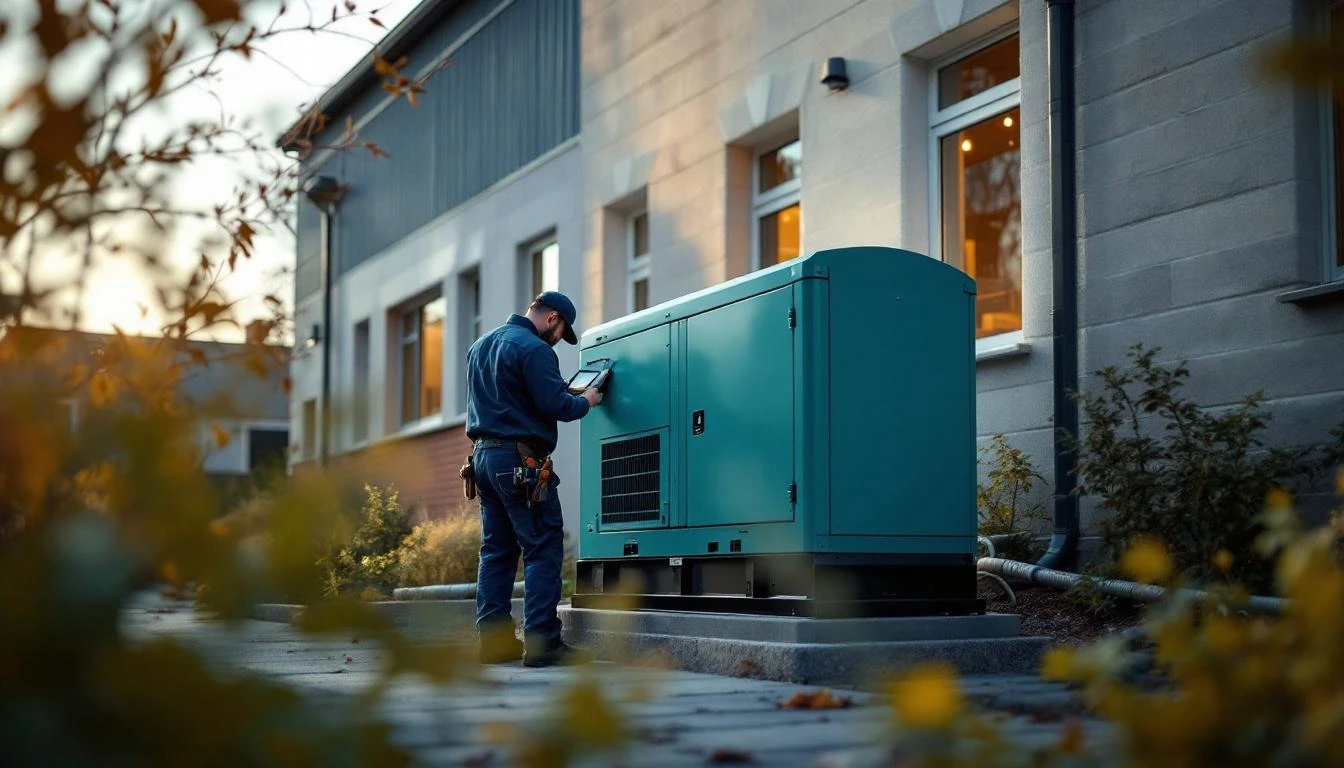
Sell Your Generator Service Business
We make direct introductions to 500+ active buyers, including PE platforms, family offices, and search funders. Complete confidentiality. No fee to you on buy-side introductions; sell-side mandates are paid on success at closing.
Quick Answer
If you are looking to sell your generator service business, the range runs from 3x to 5x SDE for sub-$2M residential install-only operators up to 7x to 10x EBITDA for Generac Premier platform dealers, with the tier set by dealer authorization and planned-maintenance attach rate (CT Acquisitions analysis; Generac NYSE: GNRC and Cummins NYSE: CMI public comps anchor the upper tiers). The single biggest driver is recurring service and maintenance agreements, standby generators require ongoing testing and service, which creates predictable repeat revenue. Demand for backup and standby power is rising, and PE-backed electrical and power-services platforms actively acquire generator installation and service businesses.
Updated May 2026 · 11 min read
Key Takeaways
- Generator installation and service is a growing power-services niche, and valuations reward recurring service revenue.
- Demand for backup and standby power is rising as grid reliability concerns grow.
- Recurring service and maintenance agreements are the number one driver.
- The same issues come up in nearly every generator service deal that stalls or trades low: Install-only revenue.
- Most generator service acquisitions follow a similar shape.
What Is My Generator Service Business Worth, and How Do I Sell It?
Generator installation and service is a growing power-services niche, and valuations reward recurring service revenue. Generator service businesses sell across four tiers: 3x to 5x SDE for sub-$2M residential install-only owner-operators, 5x to 8x EBITDA for integrated install-plus-service dealers, and 7x to 10x EBITDA for Generac Premier platform dealers with $5M-plus EBITDA (CT Acquisitions analysis). SDE and EBITDA multiples measure different things and are not interchangeable; buyers price sub-$1M-earnings operators on SDE. Standby generators need ongoing testing and service, which creates predictable repeat revenue, the biggest multiple driver. Use our valuation calculator to see where your numbers land. What Is Your Generator Service.
Generator installation and service is a growing power-services niche, and valuations reward recurring service revenue. A well-run generator service business typically sells within a tiered range: 3x to 5x SDE for sub-$2M residential install-only operators, 5x to 8x EBITDA for integrated dealers, and 7x to 10x EBITDA for Generac Premier platform dealers, set by dealer authorization and planned-maintenance attach rate (CT Acquisitions analysis).
Standby generators need ongoing testing and service, which creates predictable repeat revenue, the biggest multiple driver. Use our valuation calculator to see where your numbers land.

What Is Your Generator Service Business Actually Worth?
Recurring maintenance contracts, commercial mix, service coverage, and technician retention all move your multiple. Run the calculator for a quick valuation range, or send us a note for a personalized response.
2-minute calculator. No email required to see your range.
Why Buyers Compete for Generator Service Businesses
Demand for backup and standby power is rising as grid reliability concerns grow. Generator service is essential, recurring, and high-margin, which is why PE-backed electrical and power-services platforms actively acquire generator installation and service businesses. Buyers are not just buying revenue; they are buying recurring maintenance contracts, service coverage, and skilled technicians. A generator service business with a strong maintenance-contract base is exactly what the most active acquirers target.
Demand for backup and standby power is rising as grid reliability concerns grow. Generator service is essential, recurring, and high-margin, which is why PE-backed electrical and power-services platforms actively acquire generator installation and service businesses.
Buyers are not just buying revenue; they are buying recurring maintenance contracts, service coverage, and skilled technicians. A generator service business with a strong maintenance-contract base is exactly what the most active acquirers target.

What Separates a 4x Generator Service Business From a 7x Business
Recurring service and maintenance agreements are the number one driver. Standby generators require periodic testing and service, an operator with a strong maintenance-contract base trades well above an install-only company. Maintenance-contract base. Recurring service agreements are the core value driver. Commercial and institutional mix. Commercial and critical-facility accounts are larger and stickier. Technician retention. Skilled generator technicians are a scarce asset. Service coverage. Geographic reach and response capability matter to.
Recurring service and maintenance agreements are the number one driver. Standby generators require periodic testing and service, an operator with a strong maintenance-contract base trades well above an install-only company.
- Maintenance-contract base. Recurring service agreements are the core value driver.
- Commercial and institutional mix. Commercial and critical-facility accounts are larger and stickier.
- Technician retention. Skilled generator technicians are a scarce asset.
- Service coverage. Geographic reach and response capability matter to buyers.
- Clean financials. Documented contracts and clear add-backs speed diligence.

Red Flags That Lower Generator Service Business Valuations
The same issues come up in nearly every generator service deal that stalls or trades low: Install-only revenue. Little recurring service income makes the business harder to underwrite. Owner dependence. If the owner holds the technical knowledge or key accounts, buyers price in transition risk. Customer concentration. Heavy reliance on one account triggers a haircut. Technician turnover. A revolving crew undermines service. Messy financials. Unclear add-backs slow diligence.
The same issues come up in nearly every generator service deal that stalls or trades low:
- Install-only revenue. Little recurring service income makes the business harder to underwrite.
- Owner dependence. If the owner holds the technical knowledge or key accounts, buyers price in transition risk.
- Customer concentration. Heavy reliance on one account triggers a haircut.
- Technician turnover. A revolving crew undermines service.
- Messy financials. Unclear add-backs slow diligence.

Typical Generator Service Business Deal Structure
Most generator service acquisitions follow a similar shape. Expect 60% to 80% of the purchase price as cash at close, with the balance in an earnout, a seller note, and, with platform buyers, rollover equity . Cash at close: 60% to 80%, higher for recurring-revenue operators. Earnout: 10% to 25%, tied to revenue retention over 12 to 24 months. Rollover equity: 10% to 20% is common with PE.
Most generator service acquisitions follow a similar shape. Expect 60% to 80% of the purchase price as cash at close, with the balance in an earnout, a seller note, and, with platform buyers, rollover equity.
- Cash at close: 60% to 80%, higher for recurring-revenue operators.
- Earnout: 10% to 25%, tied to revenue retention over 12 to 24 months.
- Rollover equity: 10% to 20% is common with PE platforms.
Who Is Actually Buying Generator Service Businesses?
The generator service buyer universe includes:
PE-Backed Electrical and Power-Services Platforms
Platforms acquiring generator service operators for recurring maintenance revenue.
Strategic Acquirers
Larger electrical and power companies expanding service capability.
Regional Consolidators
Mid-size operators rolling up a single region.
Search Funds and Independent Sponsors
Individual buyers acquiring a generator service business as a platform.
Curious what your generator service business would sell for?
A 15-minute confidential call gives you a real valuation range and tells you which buyers would compete for your business. No cost, no obligation, no pressure to sell.
How to Sell a Generator Service Business: The Process
If you are researching how to sell your generator service business, the process is more controlled than most owners expect. It is not a public listing. It is a confidential, competitive process run directly with the buyers most likely to pay the most: Confidential consultation. We learn about your generator service business, your goals, and your timeline, and give you an honest read on your valuation range. Valuation and positioning.
If you are researching how to sell your generator service business, the process is more controlled than most owners expect. It is not a public listing. It is a confidential, competitive process run directly with the buyers most likely to pay the most:
- Confidential consultation. We learn about your generator service business, your goals, and your timeline, and give you an honest read on your valuation range.
- Valuation and positioning. We help you present your strengths to maximize the multiple.
- Targeted introductions. We introduce you directly to PE-backed electrical and power-services platforms, strategic acquirers, and search funders mandated to buy these businesses.
- Deal support through closing. We stay involved through LOI, due diligence, and closing so the final terms reflect what your business is worth.
No fee to you on buy-side introductions; sell-side mandates are paid on success at closing.
Generator business broker or M&A advisor: which one fits your sale
A generator business broker fits a small, owner-run install shop that will sell to an individual buyer with SBA financing. An M&A advisor fits a generator service company with recurring maintenance contracts, commercial accounts and a team, because those businesses draw PE-backed power-services platforms and strategic buyers who expect a competitive, confidential process.
Brokers list the business, screen buyers and manage the paperwork. Across business brokers generally, Midstreet’s broker pricing guide reports that most charge 10% of the sale price with minimum fees of $10,000 to $15,000. That model works when the likely buyer is a technician or local operator buying a job plus a customer list.
Once a generator company has a real maintenance-contract base and commercial or critical-facility customers, the buyer list changes. Platforms and strategics want a confidential approach, clean quality of earnings data and several bidders at once, and that is the work an M&A advisor does.
Questions to ask any generator business broker or advisor
- How many generator, electrical or power-services businesses have you sold, and to which kinds of buyers?
- How will you handle the OEM dealer agreement? Most manufacturer dealer agreements need the OEM’s approval for a change of ownership, so the buyer has to be acceptable to Generac, Kohler, Cummins or whichever brand you carry.
- How will you present maintenance contracts, renewal rates and service history so a buyer can underwrite them?
- Which platforms and strategics will see the business, and how do you keep the sale confidential from employees and competitors?
- What is the fee, what is the exclusivity term, and how long is the tail after the agreement ends?
Why We’re Different From a Traditional Business Broker
Most owners assume selling means hiring a business broker, signing a 12-month exclusive listing agreement, and paying a hefty success fee out of their proceeds. CT Acquisitions works differently. No fee to you on buy-side introductions; sell-side mandates are paid on success at closing.
Most owners assume selling means hiring a business broker, signing a 12-month exclusive listing agreement, and paying a hefty success fee out of their proceeds. CT Acquisitions works differently. We work both sides of the table and run a confidential process instead of a public listing:
- No fee to you on buy-side introductions; sell-side mandates are paid on success at closing.
- Direct buyer relationships, not a public listing. We introduce you confidentially to 500+ active buyers already mandated to acquire these businesses.
- We work for the deal, not the listing. Our job runs through LOI, diligence, and closing.
How Long Does It Take to Sell a Generator Service Business?
For a well-prepared generator service business, a typical sale runs four to seven months from first conversation to close: a few weeks to organize financials, several weeks to run a confidential buyer process, a couple of weeks to negotiate a letter of intent, and six to ten weeks of due diligence and legal work to closing.
For a well-prepared generator service business, a typical sale runs four to seven months from first conversation to close: a few weeks to organize financials, several weeks to run a confidential buyer process, a couple of weeks to negotiate a letter of intent, and six to ten weeks of due diligence and legal work to closing. Clean financials speed diligence; owner dependence and customer concentration are the most common reasons a deal stalls. Our owner’s exit checklist walks through what to have ready.
When Is the Best Time to Sell a Generator Service Business?
The best time to sell is when buyer demand, your financial trajectory, and your personal readiness line up. Consolidation in this sector is active right now. Buyers pay the most for a business on an upward trend, so the strongest outcomes come from selling after two to three years of steady growth. If you expect to exit within two to three years, the most valuable move today is a confidential.
The best time to sell is when buyer demand, your financial trajectory, and your personal readiness line up. Consolidation in this sector is active right now. Buyers pay the most for a business on an upward trend, so the strongest outcomes come from selling after two to three years of steady growth. If you expect to exit within two to three years, the most valuable move today is a confidential conversation about where your business stands.
How to Prepare Your Generator Service Business for Sale
The owners who get the strongest outcomes start preparing well before they go to market. If you are thinking about how to sell your generator service business, these are the steps that move your valuation the most and make the process faster: Get your financials clean and reviewed. Three years of clear profit and loss statements, balance sheets, and tax returns, with personal expenses separated out and add-backs documented. Clean.
The owners who get the strongest outcomes start preparing well before they go to market. If you are thinking about how to sell your generator service business, these are the steps that move your valuation the most and make the process faster:
- Get your financials clean and reviewed. Three years of clear profit and loss statements, balance sheets, and tax returns, with personal expenses separated out and add-backs documented. Clean books are the single biggest lever on diligence speed and buyer confidence.
- Lock in recurring and contracted revenue. Buyers pay the most for predictable revenue. Renew agreements, document your recurring base, and show the retention data behind it.
- Reduce owner dependence. If the business cannot run a week without you, that is a discount. Build a management layer, delegate key relationships, and document your processes so a buyer sees a business, not a job.
- Tidy up operations and the asset base. Resolve aged receivables, address any licensing or compliance gaps, and make sure equipment and systems are in good order before a buyer looks closely.
- Understand your valuation range early. Know what a generator service business like yours is worth, and what would lift it, before you talk to buyers. That is the difference between negotiating from data and negotiating from hope.
You do not have to do all of this alone. A confidential conversation early gives you a clear, honest read on where your business stands and exactly what to fix before you go to market. Our owner’s exit checklist covers the full pre-sale preparation list.
Thinking About Selling? Let’s Talk.
No fee to you on buy-side introductions; sell-side mandates are paid on success at closing. You leave with a clear sense of what your generator service business is worth, who would compete to buy it, and whether now is the right time. If selling is not the right move, we will tell you that directly.

About the Author
Christoph Totter is the founder of CT Acquisitions, an M&A advisory firm working both sides of the table, headquartered in Sheridan, Wyoming. We work directly with 500+ buyers: search funders, family offices, lower middle-market PE, and strategic consolidators. No fee to you on buy-side introductions; sell-side mandates are paid on success at closing. Connect on LinkedIn · Get in touch
Frequently Asked Questions
How do I sell my generator service business?
Start with a confidential conversation, not a public listing. To sell your generator service business on the best terms, you want to reach PE-backed electrical and power-services platforms, strategic acquirers, and search funders. No fee to you on buy-side introductions; sell-side mandates are paid on success at closing.
What is my generator service business worth?
Generator service businesses sell across four tiers: 3x to 5x SDE for sub-$2M residential install-only operators, 5x to 8x EBITDA for integrated dealers, and 7x to 10x EBITDA for Generac Premier platform dealers with $5M-plus EBITDA (CT Acquisitions analysis). Recurring service agreements, commercial mix, and technician retention are the biggest factors.
How do I sell my generator installation or standby power business?
The process is the same whether your focus is generator installation, generator service, or standby power. What matters to buyers is recurring maintenance contracts and a commercial base. We position those strengths and introduce you to the most active acquirers.
Will my employees know I am selling?
No. The process is fully confidential. Your generator service business is never publicly listed. Employees and customers are not informed unless and until you decide to tell them, typically after a deal is signed.
How much does CT Acquisitions charge?
How we are paid depends on the mandate. When a buyer from our network approaches you through a buy-side search, you pay no fee. When you hire us to run a sell-side process, we are paid on success, at closing. You will know the terms in writing before any work starts.
Do I need a business broker to sell my generator company?
Not necessarily. A business broker suits a small residential install shop selling to an individual buyer. A generator service company with recurring maintenance contracts and commercial accounts usually does better with an M&A advisor who can bring several PE-backed platforms and strategic buyers into a confidential process. Either way, interview at least two firms and read the exclusivity and tail terms closely.
Does my Generac or Kohler dealer status transfer when I sell?
Not automatically. Most manufacturer dealer agreements require the OEM’s approval for a change of ownership, and the buyer has to meet the brand’s dealer standards. Talk to your territory manager early, confirm what the manufacturer will need from the buyer, and build that approval into the timeline so the authorization and the service contracts move together at closing.
Related Resources