How to Sell a Fence Installation Business in 2026: 3-7x EBITDA and the Commercial-Mix Premium
Selling a fence installation business in 2026 clears 3-7x EBITDA, with commercial mix (industrial, government, security fencing) commanding premium versus residential. Type specialization (chain link, ornamental, vinyl, wood, specialty) further affects the multiple. Named consolidators include Empire Today (Charlesbank), Long Fence, and PE-backed regional platforms. The fencing sector is early in its PE consolidation cycle, which is a favorable time to prepare.
Quick Answer

Christoph Totter · Managing Partner, CT Acquisitions
Buy-side M&A across 200+ active capital partners · Fence installation M&A: Empire Today / Long Fence / Glidewell · Updated June 14, 2026
A US fence installation business in 2026 typically sells for roughly 3x to 7x EBITDA, varying by residential vs. commercial mix, fence-type specialization (chain link, wood, vinyl, ornamental aluminum / iron, security / high-security), recurring revenue / service-and-repair coverage, multi-territory footprint, and modern operating system. Fence installation is a steady consumer-services / home-improvement consolidation theme because of housing-stock turnover, security demand growth, commercial construction tailwinds, and PE-backed home-services rollups. By profile: a single-territory owner-operator residential installer ($200-500k SDE) goes 2.5x-4x SDE; a profitable independent diversified residential + commercial operator ($400k-1.5M SDE) goes 3x-5x SDE; a small multi-territory regional ($1-3M EBITDA) goes 4x-5x EBITDA; a regional fence platform ($3-10M EBITDA) goes 5x-7x EBITDA; a premium scale platform ($10M+ EBITDA, multi-state, deep commercial / industrial / security mix, modern operating system) reaches 6x-7x+. Active buyers include Empire Today (Charlesbank Capital Partners, large home-services platform), Long Fence (private), Glidewell Specialties (private), AFC (American Fence Company, large multi-state platform), Hercules Fence Company (private, large Mid-Atlantic), Master Halco (Brookfield Asset Management / sale 2024 rumored, the largest US fence-distribution wholesaler), Stephens Pipe & Steel, NeighborlyHoldings (Roark Capital, parent of Mr. Handyman and home-services brands with selective fence exposure), Authority Brands (Apax Partners + Goldman Sachs Asset Management, home-services brands), plus PE sponsors (Charlesbank Capital Partners, Roark Capital, Apax Partners + Goldman Sachs Asset Management, MidOcean Partners, Wind Point Partners, JAB Holding Company, ZS Fund, Sterling Group on industrial-services). The biggest multiple drivers are commercial / industrial / security customer revenue mix (vs. residential-only), fence-type diversification, recurring service-and-repair revenue, modern operating system (CRM, dispatching, online quoting), and multi-territory footprint. Buyer-paid M&A advisory (CT Strategic Partners) costs the seller nothing.
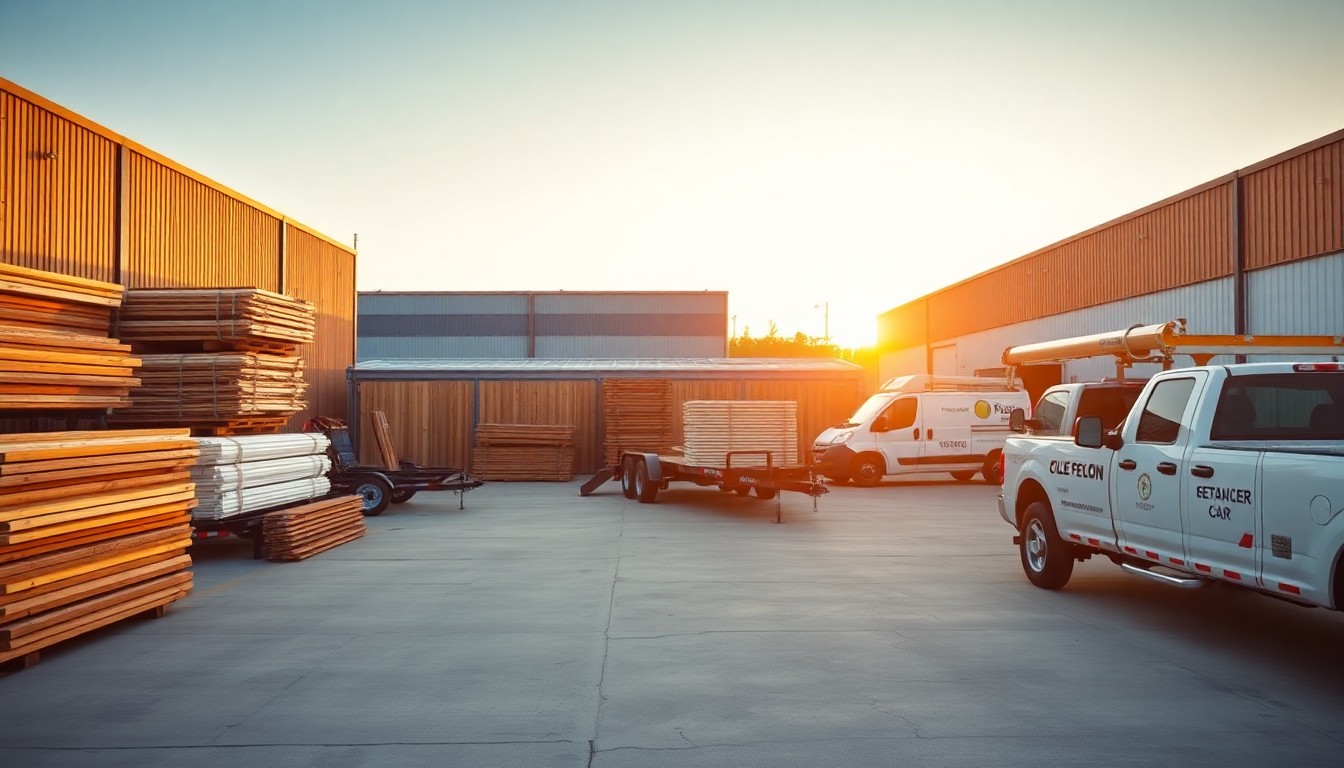
If you own a US fence installation business in 2026, the M&A market is steady-to-active. Empire Today (Charlesbank Capital Partners) anchors the large home-services consolidator tier with selective fence platform interest. Long Fence (private), Glidewell Specialties, AFC (American Fence Company), and Hercules Fence Company compete in the dedicated multi-state platform tier. Master Halco (Brookfield Asset Management) is the largest US fence-distribution wholesaler. Authority Brands (Apax Partners + Goldman Sachs Asset Management) and Neighborly Holdings (Roark Capital) absorb selective fence operators via home-services brand platforms.
What the asset is worth depends on three things: (1) commercial / industrial / security customer revenue mix (vs. residential-only), (2) fence-type diversification (chain link / wood / vinyl / ornamental aluminum or iron / security / high-security), and (3) recurring service-and-repair revenue plus modern operating system. This guide covers real multiples by profile, the named buyers transacting, and the operator-level diligence buyers will run.
What this guide covers
- Fence installation multiples 2026: 2.5x-4x SDE for single-territory owner-operator residential, 3x-5x SDE for diversified residential + commercial, 4x-5x EBITDA for small multi-territory, 5x-7x EBITDA for regional platforms, 6x-7x+ for premium scale platforms with commercial / industrial / security mix and modern operating system.
- Active buyers: Empire Today (Charlesbank Capital Partners), Long Fence (private), Glidewell Specialties (private), AFC (American Fence Company), Hercules Fence Company (private), Master Halco (Brookfield Asset Management, largest US fence wholesaler), Stephens Pipe & Steel, Neighborly Holdings (Roark Capital), Authority Brands (Apax Partners + Goldman Sachs Asset Management).
- PE sponsor activity: Charlesbank Capital Partners (Empire Today), Roark Capital (Neighborly Holdings), Apax Partners + Goldman Sachs Asset Management (Authority Brands), MidOcean Partners, Wind Point Partners, JAB Holding Company, ZS Fund, Sterling Group (industrial-services), plus multiple home-services PE funds.
- Multiple drivers: commercial / industrial / security customer revenue mix, fence-type diversification (chain link, wood, vinyl, ornamental aluminum / iron, security), recurring service-and-repair revenue, modern operating system (CRM, dispatching, online quoting), multi-territory footprint.
- Things that compress: residential-only revenue mix, single-fence-type specialization (chain-link-only or wood-only), no recurring service revenue, weak operating system, single-territory operations, owner-operator dependence, weak workers’-comp posture.
- Sellers pay nothing on CT Strategic Partners’ buyer-paid advisory.
Fence Installation Sale Multiples (2026)
| Tier / Segment | Range (2026) |
|---|---|
| Residential fence installation | 3.0x-5.0x EBITDA |
| Commercial / industrial fence | 5.0x-7.0x EBITDA (contract premium) |
| Security / high-security specialty | 5.5x-7.5x EBITDA |
| Recurring service-and-repair share above 15% | +0.5x-1.0x EBITDA |
| Active buyer pool | Empire Today, Long Fence, Glidewell, AFC, regional consolidators |
Ranges reflect 2026 buy-side observations across active capital partners and named industry consolidators. Specific transaction outcomes vary by geography, customer concentration, and deal structure.
Named M&A transactions (2021-2025)
From the CT desk
What 2026 fence installation M&A activity reveals
- •Commercial / industrial fence contractors with multi-year MSA contracts clear 5.0x-7.0x EBITDA versus 3.0x-5.0x for residential-only operators. Contract duration is the single largest valuation lever above the EBITDA threshold.
- •Empire Today (multi-product home services platform), Long Fence (regional consolidator), Glidewell Industries, AFC Industries, and 6+ regional fence platforms absorbed announced acquisitions in 2026, with strategic and PE-platform interest concentrated in $2M+ EBITDA targets.
- •Multi-type capability (chain link, wood, vinyl, ornamental aluminum / iron, security) with documented crew skill matrices drives top of the EBITDA range because the buyer-side platform thesis requires broad service capability.
- •Service-and-repair / warranty / maintenance revenue above 15% of total drives 0.5x-1.0x EBITDA premium because recurring work smooths the new-install cyclicality that buyer-side desks underwrite as risk.
Related Cluster GuideAdjacent outdoor-services sale playbook: see how how to sell a landscaping business works in 2026.
For 2026 sell a solar installation business at 2x-6x EBITDA with ITC step-down, NEM 3.0, and named buyers (Sunrun, Freedom Forever, Palmetto, ION Solar), see our reference.
| Target | Buyer | Year | What it tells us |
|---|---|---|---|
| Empire Today continued home-services platform expansion | Charlesbank Capital Partners | 2022-2025 | Large home-services platform continues selective category expansion including selective fence platform interest. |
| Neighborly Holdings home-services brand expansion | Roark Capital | 2022-2025 | Parent of 30+ home-services brands continues selective regional tuck-ins. |
| Authority Brands continued growth | Apax Partners + Goldman Sachs Asset Management | 2022-2025 | Parent of 16+ residential-services brands continues selective regional tuck-ins. |
| AFC / Long Fence / Hercules continued private growth | Private | 2022-2025 | Dedicated multi-state fence platforms continue organic + tuck-in growth. |
| Multiple regional fence installation tuck-ins | Various PE-backed and strategic platforms | 2022-2025 | PE sponsors (Charlesbank, Roark Capital, Apax Partners + Goldman Sachs Asset Management, MidOcean Partners, Wind Point Partners) continue selective regional consolidation. |
The named buyer landscape
Dedicated multi-state fence platforms
- AFC (American Fence Company), large multi-state dedicated fence platform.
- Long Fence Company (private), multi-state Mid-Atlantic-to-Southeast operator.
- Hercules Fence Company (private), large Mid-Atlantic dedicated operator.
- Glidewell Specialties (private), large regional operator.
- Stephens Pipe & Steel, Allied Fence, regional dedicated competitors.
Home-services strategic platforms (selective fence appetite)
- Empire Today (Charlesbank Capital Partners, ~$1B+ revenue), large home-services platform with selective fence platform interest.
- Neighborly Holdings (Roark Capital, ~$1.5B+ system-wide), parent of Mr. Handyman and 30+ home-services brands.
- Authority Brands (Apax Partners + Goldman Sachs Asset Management), 16+ residential-services brands.
Fence distribution wholesalers (vertical-integration buyers)
- Master Halco (Brookfield Asset Management, ~$600M+ wholesale revenue), the largest US fence-distribution wholesaler; selective installation-tier integration.
- Stephens Pipe & Steel, major fence-material distributor.
PE sponsors active in this space
- Charlesbank Capital Partners (Empire Today), Roark Capital (Neighborly Holdings), Apax Partners + Goldman Sachs Asset Management (Authority Brands), MidOcean Partners, Wind Point Partners, JAB Holding Company, ZS Fund, Sterling Group (industrial-services), plus multiple home-services PE funds.
What each buyer will pay for vs. what they reject
- Will pay premium for: commercial / industrial / security customer revenue mix (named industrial customers, named property management accounts, federal / DOD security work, hyperscaler data center perimeter security, school district security), fence-type diversification (chain link, wood, vinyl, ornamental aluminum / iron, security / high-security with razor wire / barbed wire / pivot gates), recurring service-and-repair revenue (warranty programs, maintenance contracts, gate-system service), modern operating system (CRM, dispatching, online quoting, photo-based estimating, mobile sales), multi-territory footprint, signed master service agreements (MSAs) with named commercial customers, strong workers’-comp posture.
- Will compress or reject: residential-only revenue mix without commercial accounts, single-fence-type specialization (chain-link-only or wood-only), no recurring service-and-repair revenue, weak operating system (paper-based scheduling, no CRM, no online quoting), single-territory operations, owner-operator dependence, weak workers’-comp posture, weak insurance certificates / bonding capacity.
The operator-level KPI playbook buyers will diligence
Revenue mix
- Residential install revenue.
- Commercial install revenue (property management, retail, schools, religious institutions).
- Industrial install revenue (manufacturing perimeter, data center, utility, fuel storage).
- Security / high-security install revenue (federal, DOD, military, correctional, school district).
- Service-and-repair / warranty / maintenance revenue.
- Gate-system (automatic / pedestrian / vehicular) revenue.
Fence-type mix
- Chain link revenue.
- Wood privacy / picket revenue.
- Vinyl (PVC) revenue.
- Ornamental aluminum / wrought iron revenue.
- Security / high-security revenue (razor wire, barbed wire, anti-climb).
- Specialty (chain link with privacy slats, pool fence, sound barrier) revenue.
Operations
- Crew count and average crew size.
- Jobs per crew per week.
- Average ticket per job (by fence type).
- Post-hole auger / equipment fleet.
- Drive time as % of total time.
Technology
- CRM (e.g., ServiceTitan, JobNimbus, Housecall Pro, Jobber).
- Online quoting and photo-based estimating.
- Dispatching software.
- Mobile sales / e-signature workflow.
Customer acquisition
- Customer acquisition cost (CAC).
- Top customer-acquisition channels: Google search, Angi / Yelp / HomeAdvisor / Houzz, referral, commercial accounts.
- Repeat customer percentage.
- Net Promoter Score (NPS).
Dangers and traps
1. Residential-only revenue mix
Commercial / industrial / security customers are the multiple-builder.
2. Single-fence-type specialization
Fence-type diversification (chain link / wood / vinyl / ornamental / security) unlocks broader customer mix.
3. No recurring service-and-repair revenue
Warranty / maintenance / gate-system service is a margin and stickiness builder.
4. Weak operating system
Paper-based scheduling / no CRM / no online quoting compresses.
5. Single-territory operations
Multi-territory platforms achieve premium multiples.
6. Owner-operator dependence
Build the sales / dispatcher / installation manager bench.
7. Weak workers’-comp posture
Fence installation has elevated physical risk; above-industry EMR compresses.
8. Weak insurance certificates / bonding capacity
Commercial / industrial / security customers require strong CGL / umbrella / bonding.
Our POV in 2026
Fence installation M&A is steady-to-active, driven by housing-stock turnover, security demand growth (data centers, federal / DOD, schools), commercial construction tailwinds, and PE-backed home-services rollups. Empire Today (Charlesbank Capital Partners), Long Fence, Glidewell Specialties, AFC (American Fence Company), and Hercules Fence Company anchor the dedicated platform tier. Master Halco (Brookfield Asset Management) is the largest US fence wholesaler. Neighborly Holdings (Roark Capital) and Authority Brands (Apax Partners + Goldman Sachs Asset Management) absorb selective fence operators via home-services brand platforms.
The right time to prepare is 12-18 months before going to market, build commercial / industrial / security revenue mix, diversify fence-type offerings, develop recurring service revenue, deploy modern operating system, and document workers’-comp posture.
Preparing your business for sale: 12-18 months out
- Get multi-year audited or reviewed financials.
- Build commercial / industrial / security customer revenue mix.
- Diversify fence-type offerings (chain link, wood, vinyl, ornamental aluminum / iron, security / high-security).
- Develop recurring service-and-repair / warranty / maintenance revenue.
- Add gate-system installation and service (automatic gates are a margin builder).
- Deploy modern operating system (ServiceTitan, JobNimbus, Housecall Pro, Jobber).
- Document customer acquisition channels and CAC.
- Build the sales / dispatcher / installation manager bench.
- Improve workers’-comp posture and EMR.
- Run a competitive process. Empire Today (Charlesbank Capital Partners), Long Fence (private), Glidewell Specialties (private), AFC (American Fence Company), Hercules Fence Company (private), Master Halco (Brookfield Asset Management), Neighborly Holdings (Roark Capital), Authority Brands (Apax Partners + Goldman Sachs Asset Management), plus PE sponsors directly (Charlesbank Capital Partners, Roark Capital, Apax Partners + Goldman Sachs Asset Management, MidOcean Partners, Wind Point Partners, JAB Holding Company, ZS Fund, Sterling Group).
About the Author
The vertical-specific prep sequence is covered on our fence exit prep playbook.
Christoph Totter is the founder of CT Acquisitions, a buy-side partner headquartered in Sheridan, Wyoming. We work directly with 200+ buyers, search funders, family offices, lower middle-market PE, and strategic consolidators, including direct mandates with the largest home services consolidators that other intermediaries can’t access. The buyers pay us when a deal closes, not the seller. No retainer, no exclusivity, no contract until close. Connect on LinkedIn · Get in touch
Free, No Email Required
Get a personalized valuation in 90 seconds
Answer six quick questions and we’ll give you a sector-adjusted EBITDA multiple range plus the specific factors driving your number up or down.
The five pillars of how CT Acquisitions works
Buyer pays our fee. Founders never write a check.
No engagement letter. No upfront cost. No exclusivity contract.
Search funders, family offices, lower-middle-market PE, strategics.
Confidential introductions to the right buyers. No bidding war.
Not 9-12 months. Not 18 months. Months, not years.
No Pitch · No Pressure
Ready to start a confidential conversation?
Tell us about your business. We’ll tell you what it’s likely worth, whether we have qualified buyers in our network, and what the next 60-120 days could look like. No engagement letter. No retainer. Walk at any time.
Frequently asked questions
What is the typical multiple for a fence installation business in 2026?
Single-territory owner-operator residential installers ($200-500k SDE) typically sell at 2.5x-4x SDE. Profitable independent diversified residential + commercial operators ($400k-1.5M SDE) go 3x-5x SDE. Small multi-territory regionals ($1-3M EBITDA) go 4x-5x EBITDA. Regional fence platforms ($3-10M EBITDA) go 5x-7x EBITDA. Premium scale platforms ($10M+ EBITDA, multi-state, deep commercial / industrial / security mix, modern operating system) reach 6x-7x+.
Who are the active buyers of fence installation businesses right now?
Dedicated multi-state fence platforms: AFC (American Fence Company), Long Fence Company (private, Mid-Atlantic to Southeast), Hercules Fence Company (private, Mid-Atlantic), Glidewell Specialties (private). Home-services strategic platforms: Empire Today (Charlesbank Capital Partners, ~$1B+ revenue), Neighborly Holdings (Roark Capital, ~$1.5B+ system-wide), Authority Brands (Apax Partners + Goldman Sachs Asset Management). Fence distribution wholesalers (vertical integration): Master Halco (Brookfield Asset Management, ~$600M+ wholesale revenue, the largest US fence-distribution wholesaler), Stephens Pipe & Steel. PE sponsors: Charlesbank Capital Partners, Roark Capital, Apax Partners + Goldman Sachs Asset Management, MidOcean Partners, Wind Point Partners, JAB Holding Company, ZS Fund, Sterling Group.
What hurts a fence installation business’s valuation most?
Residential-only revenue mix without commercial / industrial / security accounts, single-fence-type specialization (chain-link-only or wood-only), no recurring service-and-repair / warranty / maintenance revenue, weak operating system (paper-based scheduling, no CRM, no online quoting), single-territory operations, owner-operator dependence, weak workers’-comp posture, weak insurance certificates and bonding capacity, customer-acquisition cost concentration in a single channel.
Why is commercial / industrial / security customer mix so important?
Commercial accounts (property management, retail chains, schools, religious institutions), industrial accounts (manufacturing perimeter, data center, utility, fuel storage), and security work (federal, DOD, military, correctional, school district) provide higher-margin work, recurring service revenue, and multi-year customer relationships vs. one-time residential installs. Operators with 40%+ non-residential revenue mix achieve premium multiples. Security work is particularly attractive given data center build-out and federal infrastructure spending.
Do I have to pay a broker fee?
No. CT Strategic Partners runs a buyer-paid M&A advisory model. The seller pays nothing. The buyer pays the success fee at closing.
How long does it take to sell a fence installation business?
Once you go to market with a buyer-paid advisor, a typical process runs 4-7 months from initial outreach to closing. Add 12-18 months of preparation work before going to market, especially around revenue mix shift, fence-type diversification, recurring service revenue, and operating-system deployment.
Should I add gate-system installation before selling?
Yes, if you have 12-18 months of runway. Gate systems (automatic / pedestrian / vehicular) carry higher margins, drive recurring service revenue (gate-system maintenance), and open up industrial / security customers. If selling within 6 months, focus instead on documenting commercial / industrial customer revenue mix and recurring service revenue.
When should I start preparing if I plan to sell in 2027 or 2028?
12-18 months before going to market is the right window. Highest-leverage pre-sale work: build commercial / industrial / security customer revenue mix, diversify fence-type offerings, develop recurring service-and-repair / warranty revenue, deploy modern operating system (CRM, dispatching, online quoting), improve workers’-comp posture, build the sales / dispatcher / installation manager bench.
Related research
- How to sell a disaster restoration business
- How to sell a junk removal business
- How to sell a lawn care business
- How to sell a pest control business
- How to sell a carpet cleaning company
- How to sell a roofing business
- How to sell a plumbing business
- Which industries is PE buying most in 2026
- Private equity value creation
- Business broker alternative