How to Sell a Cold Storage Business in 2026: 8x-14x EBITDA Multiples & Named Buyers
Quick Answer

Christoph Totter · Managing Partner, CT Acquisitions
Buy-side M&A across 200+ active capital partners · Industrial & logistics M&A: cold storage, 3PL, distribution · Updated June 5, 2026
A US cold storage / refrigerated warehouse business in 2026 typically sells for roughly 8x to 14x EBITDA. Cold storage commands premium multiples versus dry warehousing because of high capex barriers, infrastructure-grade economics, and durable food-supply-chain demand. By profile: a single-facility cold storage operator ($1-3M EBITDA) goes 7x-9x EBITDA; a regional multi-facility operator ($3-10M EBITDA) goes 8x-11x; a mid-size cold storage platform ($10-30M EBITDA, multi-state, diversified end-markets) goes 9x-12x; a premium scale platform ($30M+ EBITDA, named blue-chip food customers, automated facilities, multi-state) reaches 11x-14x+ EBITDA. The dominant buyer is Lineage Logistics (private, Bay Grove Capital + Stonepeak + Government of Singapore Investment Corporation [GIC], ~$5B+ revenue, ~400 facilities globally, the largest US cold storage operator). Other active buyers include Americold Realty Trust (NYSE: COLD, ~$2.7B+ revenue, REIT-structured cold storage), United States Cold Storage (John Swire & Sons subsidiary, private), Burris Logistics (private), NewCold (PE-backed by Westport Capital + co-investors), Henningsen Cold Storage, Interstate Cold Storage, plus PE sponsors (Bay Grove Capital, Stonepeak Infrastructure Partners, GIC, Brookfield, KKR, BlackRock-backed platforms). The biggest multiple drivers are cubic-foot capacity, automation level (ASRS-automated storage and retrieval systems, conveyor automation), customer base (blue-chip food/protein/produce/foodservice customers), end-market mix (protein, seafood, fresh produce, foodservice DC, retail DC, pharmaceutical cold chain), real-estate ownership, multi-temp capability (frozen vs. refrigerated vs. fresh), and modern warehouse management system (WMS). Buyer-paid M&A advisory (CT Strategic Partners) costs the seller nothing.
Thinking about selling your business?
A 15-minute confidential call gives you a real valuation range and the buyers most likely to compete for your business. No cost, no obligation.
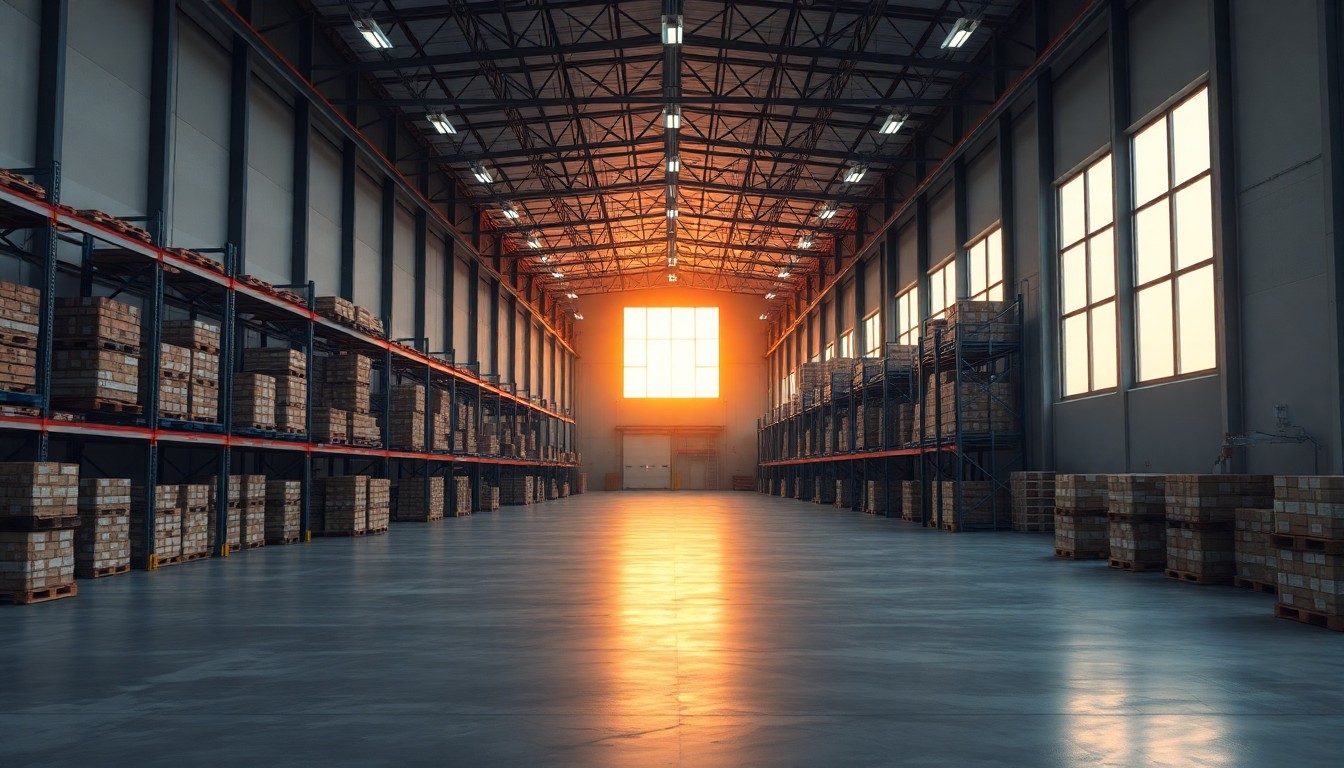
If you own a cold storage / refrigerated warehouse business in 2026, the M&A market is highly concentrated and capital-deep. Lineage Logistics (Bay Grove Capital + Stonepeak Infrastructure Partners + GIC) is the dominant private platform with ~$5B+ revenue and ~400 facilities globally. Americold Realty Trust (NYSE: COLD) operates the largest public cold storage REIT. United States Cold Storage (John Swire & Sons), Burris Logistics, NewCold, and several PE-backed regional platforms complete the buyer landscape. Cold storage trades at significantly higher multiples than dry warehousing because of high capex barriers, infrastructure-grade economics, and durable food-supply-chain demand.
What the asset is worth depends on three things: (1) capacity (cubic feet) and automation level (ASRS systems and conveyor automation are the multiple-builder), (2) customer base quality (blue-chip food/protein/produce/foodservice customers command premium), and (3) end-market mix (protein, seafood, fresh produce, foodservice DC, retail DC, pharma cold chain) plus multi-temp capability. This guide covers real multiples by profile, the named buyers transacting, and the operator-level diligence buyers will run.
What this guide covers
- Cold storage multiples 2026: 7x-9x EBITDA for single-facility, 8x-11x for regional multi-facility, 9x-12x for mid-size platforms, 11x-14x+ for premium scale platforms with automation and blue-chip food customers. Cold storage commands premium to dry warehousing due to capex barriers and infrastructure economics.
- Dominant buyer: Lineage Logistics (Bay Grove Capital + Stonepeak Infrastructure Partners + GIC, ~$5B+ revenue, ~400 facilities, largest US cold storage operator). Other active: Americold Realty Trust (NYSE: COLD, ~$2.7B+ revenue, REIT), United States Cold Storage (John Swire & Sons), Burris Logistics, NewCold (Westport Capital), Henningsen Cold Storage, Interstate Cold Storage.
- PE sponsor activity: Bay Grove Capital + Stonepeak Infrastructure Partners + GIC (Lineage), Westport Capital (NewCold), Brookfield, KKR, BlackRock-backed platforms, plus multiple infrastructure-focused PE funds.
- Multiple drivers: cubic-foot capacity, automation level (ASRS, conveyor automation), blue-chip food/protein/produce/foodservice customer base, end-market mix, multi-temp capability (frozen + refrigerated + fresh), real-estate ownership, modern WMS, food-safety certifications (BRC, AIB, SQF).
- Things that compress the multiple: low automation, weak end-market mix, single-customer concentration, old refrigeration equipment with high energy costs, weak food-safety certification, leased real estate with short remaining terms, owner-operator dependence.
- Sellers pay nothing on CT Strategic Partners’ buyer-paid advisory.
Named cold storage M&A transactions (2020-2025)
For 2026 self-storage sale roadmap (cap rate + REIT buyers) at 5%-7.5% cap rates (13x-20x NOI), REIT activity (Extra Space, Public Storage, CubeSmart), see our reference.
For 2026 self storage acquisition playbook with 5-12% cap rates, REIT vs PE buyer pool dynamics, SBA 7(a) and conventional CRE financing, see our reference guide.
CT Acquisitions · 2026 Buyer-Market Signal
What Cold Storage Buyers Underwrite in 2026
Across our buy-side conversations with PE platforms and strategic acquirers (Lineage, Americold, NewCold, etc.) in 2026:
- Pallet-position economics are underwritten, not square footage. Buyers model revenue per pallet position, occupancy stability over 24 months, and incremental margin per added pallet.
- Lease term remaining is a hard gate for many platforms. Under 10 years remaining triggers re-negotiation or buyer-led extension as an LOI condition.
- Tier-1 food customer concentration is rewarded, not penalized. Long-tenured anchor customers with 5+ year contracts drive 1-2x EBITDA premium on the multiple.
Multiple at a Glance · 2026
Cold Storage Sale Multiples
2026 EBITDA multiples by operator scale and capacity.
Source: CT Acquisitions analysis of cold storage M&A. Capex barriers and durable food-supply-chain demand drive premium multiples vs dry warehousing. Active PE platform consolidation.
Related Cluster GuideAdjacent logistics vertical: see how selling a 3PL logistics company works in 2026.
| Target | Buyer | Year | What it tells us |
|---|---|---|---|
| AGRO Merchants Group | Americold Realty Trust (NYSE: COLD) | 2020 | $1.74B major US cold storage consolidation; expanded Americold US + Europe + Australia footprint. |
| Multiple Lineage Logistics tuck-ins | Lineage Logistics (Bay Grove + Stonepeak + GIC) | 2020-2025 | Largest US cold storage operator continues aggressive M&A; crossed 400 facilities globally. |
| Americold continued M&A | Americold Realty Trust (NYSE: COLD) | 2022-2025 | Public REIT continues selective tuck-in acquisitions in attractive markets. |
| NewCold growth | Westport Capital + co-investors | 2022-2025 | PE-backed automation-focused platform continues facility development and acquisition. |
| Stonepeak co-invest in Lineage | Stonepeak Infrastructure Partners | 2020-2024 | Major infrastructure PE investment validated cold storage as infrastructure-grade asset class. |
| Regional cold storage tuck-ins | Multiple PE platforms | 2022-2025 | PE sponsors continue building regional cold storage platforms for eventual strategic exits. |
The named buyer landscape
Dominant private platform
- Lineage Logistics (Bay Grove Capital + Stonepeak Infrastructure Partners + GIC, ~$5B+ revenue, ~400 facilities globally), the largest US cold storage operator. Continues aggressive M&A. (Note: as of 2024, Lineage filed for IPO under ticker LINE on NASDAQ.)
Public REIT
- Americold Realty Trust (NYSE: COLD, ~$2.7B+ revenue), the largest public cold storage REIT, US + Europe + Australia footprint post AGRO Merchants 2020 acquisition.
Major private operators
- United States Cold Storage (John Swire & Sons subsidiary), private, multi-state.
- Burris Logistics (private), East Coast focus.
- NewCold (Westport Capital + co-investors), PE-backed, automation-focused.
- Henningsen Cold Storage, Interstate Cold Storage, Wabash Valley Produce, Cloverleaf Cold Storage (Americold subsidiary), regional private operators.
PE sponsors active in this space
- Bay Grove Capital + Stonepeak Infrastructure Partners + GIC (Lineage), Westport Capital (NewCold), Brookfield, KKR, BlackRock-backed platforms, plus multiple infrastructure-focused PE funds.
What each buyer will pay for vs. what they reject
- Will pay premium for: cubic-foot capacity at scale (1M+ cubic feet per facility), ASRS (automated storage and retrieval systems) automation, blue-chip food customer base (Tyson Foods, Pilgrim’s Pride, JBS USA, Smithfield, Cargill, Conagra, McDonald’s, Walmart, Kroger, Sysco, US Foods, etc.), multi-temp capability (frozen + refrigerated + fresh), pharma cold-chain capability, real-estate ownership (vs. lease), modern WMS (Manhattan Associates, Blue Yonder, Manhattan Active WM, Camelot 3PL Central), BRC / AIB / SQF / FDA food-safety certifications, energy-efficient refrigeration systems (CO2 cascade, ammonia low-charge).
- Will compress or reject: low automation, weak end-market mix (industrial-only cold storage without food-grade), single-customer concentration above 25%, old refrigeration equipment with high energy costs, weak food-safety certifications, leased real estate with short remaining terms, owner-operator dependence, weak WMS, EPA refrigerant compliance issues.
Refrigeration and cold storage properties for sale: who is buying and what they pay
Refrigeration and cold storage properties for sale are moving through two very different channels: raw refrigerated real estate trades as a building, while an operating cold storage business trades on EBITDA and customer relationships. Sellers who market an operating warehouse as a going concern, not just square footage, capture the named buyers profiled above and command the higher end of the range.
Most listings that read “refrigeration and cold storage properties for sale” are marketed as real estate, priced per square foot or on a cap rate, with the refrigeration systems treated as fixtures. That framing leaves money on the table. A stabilized, temperature-controlled facility with contracted tenants, blast-freeze capacity, and recurring storage plus handling revenue is an operating business, and the buyer landscape section above shows who competes for those assets when they are packaged that way.
The buyers pursuing cold storage acquisitions fall into three groups already documented on this page: the national warehouse consolidators, regional operators filling geographic gaps, and infrastructure and real estate capital chasing the asset class. Each group underwrites differently. Consolidators pay for network density and customer overlap. Regional operators pay to enter a market. Real estate capital pays for the building and the lease. Larger, contracted, recurring-revenue facilities command materially higher pricing than a single empty box, and GF Data is the reference to cite for defensible EBITDA multiples in the lower middle market rather than any headline figure attached to one deal.
If you own a refrigerated facility and want to know which of these buyers fits, the seller-side playbook lives on our sell your cold storage business page, where we map facility type, contract mix, and location to the specific acquirer profiles most likely to compete for it.
The operator-level KPI playbook buyers will diligence
Capacity and facility profile
- Cubic-foot capacity: Total, by facility, by temperature zone. 1M+ cubic feet per facility is the platform benchmark.
- Number of facilities and geographic footprint.
- Pallet positions per facility.
- Temperature zones: Deep freeze (-10°F to 0°F), freezer (10°F to 32°F), cooler (33°F to 50°F), produce-grade chill, pharma cold chain (2-8°C).
- Multi-temp capability per facility.
Automation and technology
- ASRS (automated storage and retrieval) capability.
- Conveyor automation.
- WMS (warehouse management system): Manhattan Associates, Blue Yonder JDA, Camelot 3PL Central, HighJump, SwissLog.
- EDI/API integration with customer systems.
- Mobile WMS and RF scanning.
Customer base and end-market
- Top-10 customer concentration: No single customer above 25%.
- End-market mix: Protein (beef, pork, poultry) %, seafood %, fresh produce %, foodservice DC %, retail DC %, pharma cold chain %, frozen prepared foods %.
- Blue-chip customer base: Tyson Foods, Pilgrim’s Pride, JBS USA, Smithfield, Cargill, Conagra, McDonald’s, Walmart, Kroger, Sysco, US Foods, PFG, Performance Food Group, Costco, etc.
- Customer contract structure: Multi-year contracts with documented renewal terms.
Real estate
- Owned vs. leased mix: Owned real estate is a multiple-builder; provides infrastructure-grade value separable from operations.
- Lease terms on leased facilities: Long-dated leases (10+ years) preferred.
- Building age and condition.
- Site capacity for expansion.
Refrigeration and energy
- Refrigeration system age and type: Ammonia (industrial), CO2 cascade, HFCs.
- Energy cost per cubic foot per year: Track; modern systems materially lower than legacy.
- EPA refrigerant compliance: Section 608, Section 609; documented.
- Solar / renewable energy integration.
Food safety and certifications
- BRC, AIB, SQF certifications for food-grade.
- FDA registration and FSMA compliance.
- USDA, FSIS registrations for meat/poultry.
- cGMP for pharma cold chain.
- HACCP plans and audit history.
Workforce
- Headcount per facility.
- Union vs. non-union staffing.
- OSHA compliance, workers’-comp EMR, lost-time incidents.
Dangers and traps in cold storage M&A
1. Low automation
Manual operations face structural cost disadvantage vs. ASRS-automated facilities. Capex roadmap for automation is a multiple-builder.
2. Single-customer concentration
Above 25% single-customer concentration creates churn-risk reserve.
3. Old refrigeration with high energy costs
Legacy HFC refrigeration systems face EPA phase-down (AIM Act) and energy-cost disadvantage. Document refrigeration system age and replacement plan.
4. Food-safety certification gaps
BRC, AIB, SQF certifications are non-negotiable for food-grade customers. FDA FSMA compliance, USDA registrations for protein customers.
5. Leased real estate with short remaining terms
Leases expiring within 5 years on key facilities trigger re-lease risk discount.
6. EPA refrigerant compliance and AIM Act
The American Innovation and Manufacturing Act (AIM Act) phases down HFCs through 2036. Operations on R-22, R-404A, R-507 face transition cost.
7. Owner-operator dependence
Build the operations management bench.
8. Legacy WMS
Modern WMS (Manhattan, Blue Yonder, Camelot) is non-negotiable for premium customers. Legacy systems trigger integration discount.
Our POV on cold storage M&A in 2026
Cold storage is one of the most attractive infrastructure-grade healthcare-services-adjacent M&A spaces in 2026. Lineage Logistics (Bay Grove + Stonepeak + GIC, IPO 2024) and Americold (NYSE: COLD) dominate the market with combined ~$7.7B+ revenue. PE sponsors continue building regional platforms for eventual strategic exits. Premium multiples (11-14x+ EBITDA) reward automation, blue-chip food customer base, and real-estate ownership.
Preparing your cold storage business for sale: 12-18 months out
- Get multi-year audited financials.
- Document capacity, automation, and capex roadmap.
- Build blue-chip customer relationships. Lock in multi-year contracts.
- Diversify customer concentration. No customer above 25%.
- Modernize refrigeration. AIM Act-compliant low-GWP refrigerants, energy-efficient systems.
- Confirm food-safety certifications. BRC, AIB, SQF, FDA FSMA, USDA, cGMP for pharma.
- Document real-estate ownership and lease terms.
- Modernize WMS. Manhattan Associates, Blue Yonder, Camelot.
- Build the operations management bench.
- Run a competitive process. Lineage Logistics, Americold Realty Trust (NYSE: COLD), United States Cold Storage, Burris Logistics, NewCold, plus PE sponsors directly (Bay Grove + Stonepeak + GIC, Westport Capital, Brookfield, KKR, BlackRock).
Free, No Email Required
Get a personalized valuation in 90 seconds
Answer six quick questions and we’ll give you a sector-adjusted EBITDA multiple range plus the specific factors driving your number up or down. For RV park and campground buyers specifically, our guide on how to buy a campground or RV park covers seasonality and infrastructure capex.
See also: sell my self storage business.
Curious what your business is actually worth?
A 15-minute confidential call gives you a real valuation range and tells you which buyers would compete for your business. No cost, no obligation, no pressure to sell.
The five pillars of how CT Acquisitions works
Buyer pays our fee. Founders never write a check.
No engagement letter. No upfront cost. No exclusivity contract.
Search funders, family offices, lower-middle-market PE, strategics.
Confidential introductions to the right buyers. No bidding war.
Not 9-12 months. Not 18 months. Months, not years.
No Pitch · No Pressure
Ready to start a confidential conversation?
Tell us about your business. We’ll tell you what it’s likely worth, whether we have qualified buyers in our network, and what the next 60-120 days could look like. No engagement letter. No retainer. Walk at any time.
About the Author
Christoph Totter is the founder of CT Acquisitions, a buy-side partner headquartered in Sheridan, Wyoming. We work directly with 200+ buyers, search funders, family offices, lower middle-market PE, and strategic consolidators, including direct mandates with the largest consolidators that other intermediaries cannot access. The buyers pay us when a deal closes, not the seller. No retainer, no exclusivity, no contract until close. Connect on LinkedIn · Get in touch
Frequently asked questions
Is a cold storage property sold as real estate or as a business?
It depends on how you package it. An empty or single-tenant refrigerated building usually trades as real estate on a per square foot or cap rate basis. An operating facility with contracted customers, handling revenue, and a management team trades as a going concern on EBITDA, which typically produces a higher outcome and attracts the national and regional operators rather than only property investors.
What is the typical multiple for a cold storage business in 2026?
Single-facility cold storage operators ($1-3M EBITDA) typically sell at 7x-9x EBITDA. Regional multi-facility operators ($3-10M EBITDA) go 8x-11x. Mid-size cold storage platforms ($10-30M EBITDA, multi-state, diversified end-markets) go 9x-12x. Premium scale platforms ($30M+ EBITDA, ASRS automation, blue-chip food customers, multi-state, real-estate ownership) reach 11x-14x+. Cold storage commands materially higher multiples than dry warehousing due to high capex barriers and infrastructure-grade economics.
Who are the active buyers of cold storage businesses right now?
Dominant private platform: Lineage Logistics (Bay Grove Capital + Stonepeak Infrastructure Partners + GIC, ~$5B+ revenue, ~400 facilities, the largest US cold storage operator; IPO’d 2024). Public REIT: Americold Realty Trust (NYSE: COLD, ~$2.7B+ revenue). Major private operators: United States Cold Storage (John Swire & Sons), Burris Logistics, NewCold (Westport Capital), Henningsen Cold Storage, Interstate Cold Storage. PE sponsors: Bay Grove Capital + Stonepeak Infrastructure Partners + GIC, Westport Capital, Brookfield, KKR, BlackRock.
What hurts a cold storage business’s valuation most?
Low automation (manual operations face structural cost disadvantage vs. ASRS-automated competitors), single-customer concentration above 25%, old refrigeration with high energy costs and legacy HFCs facing AIM Act phase-down, weak food-safety certifications (BRC, AIB, SQF, FDA FSMA), leased real estate with short remaining terms, owner-operator dependence, weak WMS, EPA refrigerant compliance issues.
Why does cold storage command premium multiples versus dry warehousing?
Cold storage has materially higher capex barriers (refrigeration systems cost 3-5x dry warehouse construction per cubic foot), infrastructure-grade durability (food supply chain demand is non-cyclical), and longer customer relationships (food customers don’t switch cold storage providers easily). The combination drives premium multiples (8x-14x EBITDA) versus dry warehousing (5x-8x EBITDA).
What is the AIM Act and how does it affect cold storage?
The American Innovation and Manufacturing Act (AIM Act, 2020) phases down hydrofluorocarbon (HFC) refrigerants through 2036, with major step-down milestones in 2024 and 2029. Cold storage operations running on R-22, R-404A, R-507, or other high-GWP HFCs face mandatory transitions to low-GWP refrigerants (CO2 cascade, ammonia low-charge, R-448A, R-449A) or natural refrigerants. Buyer-side diligence assesses refrigeration system age and transition capex.
Do I have to pay a broker fee?
No. CT Strategic Partners runs a buyer-paid M&A advisory model. The seller pays nothing. The buyer pays the success fee at closing.
How long does it take to sell a cold storage business?
Once you go to market with a buyer-paid advisor, a typical process runs 5-9 months from initial outreach to closing. Real-estate diligence (Phase I/II environmental, title) can extend timing. Add 12-18 months of preparation work before going to market.
When should I start preparing if I plan to sell in 2027 or 2028?
12-18 months before going to market is the right window. Highest-leverage pre-sale work: document automation capex roadmap, build blue-chip customer base with multi-year contracts, modernize refrigeration to AIM Act-compliant low-GWP systems, confirm food-safety certifications, and document real-estate ownership.
Related research
- How to sell a 3PL business
- How to sell a courier business
- How to sell an industrial distribution business
- How to sell an industrial services business
- How to sell a rigid packaging business
- How to sell a records management business
- Which industries is PE buying most in 2026
- Private equity value creation
- Business broker alternative
- Sell your business (overview)