How to Sell a Flexible Packaging Business (2026): 6x-11x EBITDA & Buyers
Quick Answer

Christoph Totter · Managing Partner, CT Acquisitions
Buy-side M&A across 200+ active capital partners · Flexible packaging M&A: ProAmpac / Sealed Air buyer pool · Updated June 7, 2026
A US flexible packaging business in 2026 typically sells for roughly 6x to 11x EBITDA. Flexible packaging (films, pouches, laminates, sachets, bags) is distinct from rigid packaging and from co-packing (contract packaging services). The category benefits from food/CPG end-market durability and sustainability tailwinds (lightweighting vs. rigid alternatives). By profile: a single-plant flexible packaging converter ($1-3M EBITDA) goes 5x-7x; a regional multi-plant operator ($3-10M EBITDA) goes 6x-8x; a mid-size flexible packaging platform ($10-30M EBITDA, multi-state, diversified end-markets) goes 7x-9x; a premium scale platform ($30M+ EBITDA, multi-state, food/beverage/healthcare blue-chip customers, sustainability positioning) reaches 8x-11x+ EBITDA. Active buyers include ProAmpac (PE-backed by Pritzker Private Capital, ~$2B+ revenue, major US flexible packaging platform), Sealed Air Corporation (NYSE: SEE, ~$5B+ revenue), Sonoco Products (NYSE: SON, ~$7B+ revenue, both rigid and flexible), Berry Global Group (NYSE: BERY, ~$13B+ revenue, both rigid and flexible films), Amcor plc (NYSE: AMCR, ~$15B+ revenue, global flexible + rigid packaging), TC Transcontinental Packaging (TSX: TCL.A), C-P Flexible Packaging (PE-backed by Astara Capital Partners), Smyth Companies (PE-backed by Crestview Partners), plus PE-backed regional roll-ups (Pritzker Private Capital, Wind Point Partners, Wynnchurch Capital, Madison Dearborn Partners). The biggest multiple drivers are end-market mix (food/beverage/healthcare/personal care premium), blue-chip CPG customer base, sustainability positioning (recyclable mono-material films, PCR content, compostable), printing/converting capability (HD flexo, digital), and modern equipment. Buyer-paid M&A advisory (CT Strategic Partners) costs the seller nothing.
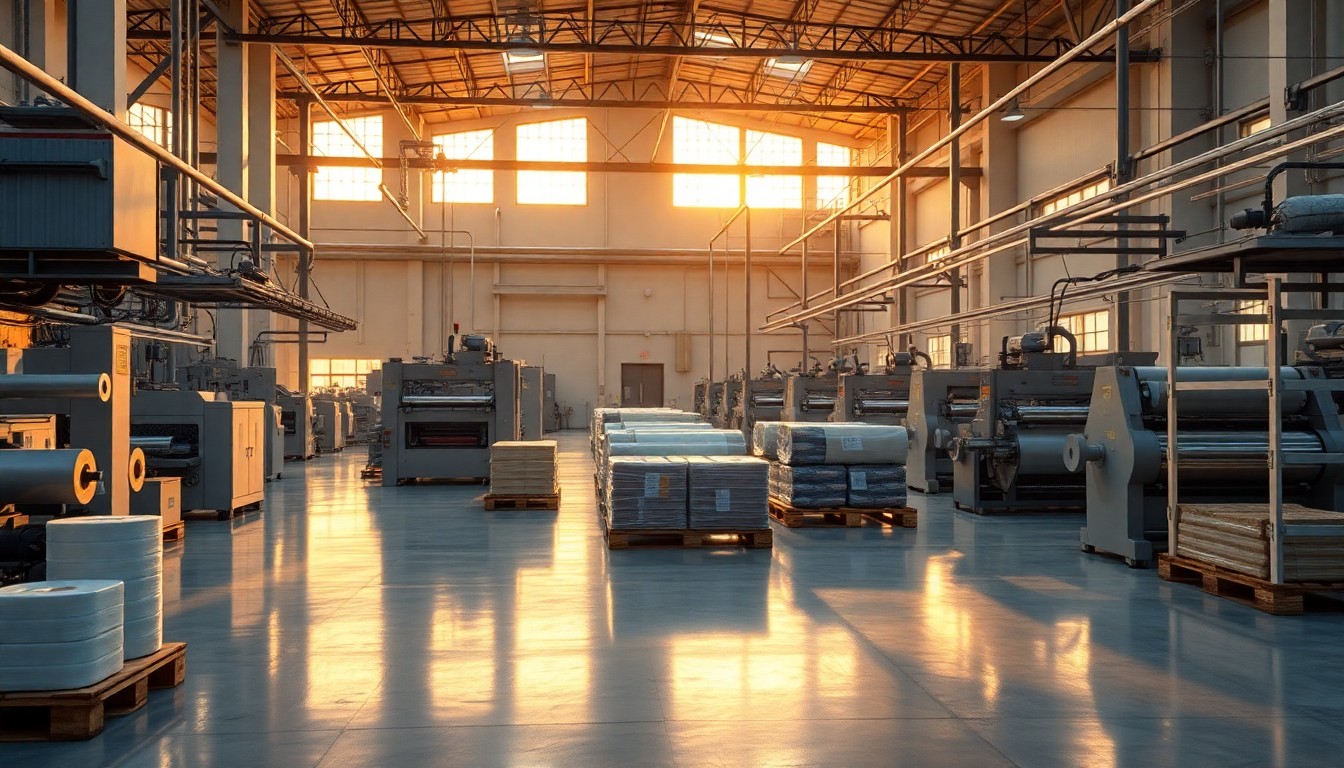
If you own a US flexible packaging business in 2026, films, pouches, laminates, sachets, bags, the M&A market is consolidated and active. ProAmpac (Pritzker Private Capital, ~$2B+ revenue) is a major US flexible packaging platform. Amcor (NYSE: AMCR), Berry Global (NYSE: BERY), Sealed Air (NYSE: SEE), and Sonoco (NYSE: SON) are the major public participants. PE-backed roll-ups (C-P Flexible/Astara, Smyth/Crestview) continue regional consolidation.
What the asset is worth depends on three things: (1) end-market mix (food/beverage/healthcare/personal care premium), (2) blue-chip CPG customer base, and (3) sustainability positioning (recyclable mono-material films, PCR content, compostable) aligned with CPG brand-owner commitments. This guide is distinct from our rigid packaging and co-packing guides.
What this guide covers
- Flexible packaging multiples 2026: 5x-7x for single-plant converter, 6x-8x for regional multi-plant, 7x-9x for mid-size platforms, 8x-11x+ for premium scale with food/beverage/healthcare focus and sustainability positioning.
- Active buyers: ProAmpac (Pritzker Private Capital, ~$2B+ revenue), Amcor plc (NYSE: AMCR, ~$15B+), Berry Global Group (NYSE: BERY, ~$13B+), Sonoco Products (NYSE: SON, ~$7B+), Sealed Air Corporation (NYSE: SEE, ~$5B+), TC Transcontinental Packaging (TSX: TCL.A), C-P Flexible Packaging (Astara Capital Partners), Smyth Companies (Crestview Partners).
- PE sponsor activity: Pritzker Private Capital (ProAmpac), Astara Capital Partners (C-P Flexible), Crestview Partners (Smyth), Wind Point Partners, Wynnchurch Capital, Madison Dearborn Partners, plus multiple industrial-packaging PE funds.
- Multiple drivers: end-market mix (food/beverage/healthcare/personal care premium), blue-chip CPG customers (P&G, Unilever, Nestlé, Kraft Heinz, etc.), sustainability positioning (recyclable mono-material films, PCR content, compostable), printing/converting capability (HD flexo, digital), modern equipment.
- Things that compress the multiple: industrial-only end-market, weak sustainability positioning, single-customer concentration, legacy equipment without capex plan, environmental compliance issues, owner-operator dependence.
- Sellers pay nothing on CT Strategic Partners’ buyer-paid advisory.
Named M&A transactions (2021-2025)
CT Acquisitions · 2026 Flexible Packaging Signal
What Flexible Packaging Buyers Pay Premium For
Across our buy-side conversations with flexible packaging acquirers in 2026:
- End-market diversification is the platform threshold. Operators serving 3+ end-markets (food/beverage, healthcare, household, industrial) trade above single-market operators because of revenue durability.
- Multi-substrate capability commands multi-turn premium. Extrusion + lamination + multi-color rotogravure / flexo capability unlocks higher-spec customer pool and platform-tier pricing.
- Sustainability / recyclability positioning is buyer-priced. Recyclable mono-material structures, compostable films, and PCR-content capability command premium because of CPG sustainability commitments.
Multiple at a Glance · 2026
Flexible Packaging Sale Multiples · 2026
By scale and capability mix.
Source: CT Acquisitions analysis. ProAmpac (Pritzker Private Capital), Sealed Air (SEE), Sonoco (SON), Berry Global (BERY), Amcor (AMCR) + PE-backed packaging platforms.
For 2026 how to sell a packaging manufacturing business with 5x-12x EBITDA by sub-segment (corrugated, flexible, rigid plastic) and named PE buyers, see our guide.
| Target | Buyer | Year | What it tells us |
|---|---|---|---|
| Multiple ProAmpac tuck-ins ($2.1B TC Transcontinental in 2023, others) | ProAmpac (Pritzker Private Capital) | 2022-2025 | Major US PE-backed flexible packaging platform continues regional consolidation. |
| C-P Flexible Packaging growth | C-P Flexible Packaging (Astara Capital Partners) | 2022-2025 | PE-backed flexible packaging platform continues regional rollups. |
| Smyth Companies expansion | Smyth Companies (Crestview Partners) | 2022-2025 | PE-backed packaging platform continues acquisitive growth. |
| Multiple Amcor tuck-ins | Amcor plc (NYSE: AMCR) | 2022-2025 | Global flexible + rigid packaging giant continues strategic M&A. |
| Berry Global flexible tuck-ins | Berry Global Group (NYSE: BERY) | 2022-2025 | Largest US plastic packaging continues tuck-in M&A across rigid and flexible. |
The named buyer landscape
Public / strategic flexible packaging buyers
- Amcor plc (NYSE: AMCR, ~$15B+ revenue), global flexible + rigid packaging.
- Berry Global Group (NYSE: BERY, ~$13B+ revenue), both flexible films and rigid.
- Sonoco Products (NYSE: SON, ~$7B+ revenue), flexible + rigid + paperboard.
- Sealed Air Corporation (NYSE: SEE, ~$5B+ revenue), protective and food packaging.
- TC Transcontinental Packaging (TSX: TCL.A), major North American flexible packaging.
PE-backed flexible packaging platforms
- ProAmpac (Pritzker Private Capital, ~$2B+ revenue), major US flexible packaging platform.
- C-P Flexible Packaging (Astara Capital Partners), PE-backed regional platform.
- Smyth Companies (Crestview Partners), PE-backed packaging platform.
- Hood Container Corporation, Inteplast Group, multiple regional operators.
PE sponsors active in this space
- Pritzker Private Capital (ProAmpac), Astara Capital Partners (C-P Flexible), Crestview Partners (Smyth), Wind Point Partners, Wynnchurch Capital, Madison Dearborn Partners, plus multiple industrial-packaging PE funds.
The operator-level KPI playbook buyers will diligence
Product mix and converting capability
- Product mix: Films (LDPE, LLDPE, HDPE, BOPP, PET, nylon), pouches (stand-up, flat, retort), laminates, sachets, bags, shrink film.
- Converting capability: Extrusion, printing (HD flexo, gravure, digital), lamination, slitting, pouch-making.
- Print capability: 8-color HD flexo, gravure, digital printing.
End-market mix and customer base
- End-market mix: Food %, beverage %, healthcare/pharma %, personal care %, household chemical %, industrial %.
- Blue-chip CPG customer base: P&G, Unilever, Nestlé, Kraft Heinz, J&J, Mondelēz, etc.
- Top-10 customer concentration.
- Customer tenure.
Sustainability positioning
- Recyclable mono-material films: All-PE, all-PP, all-PET pouches.
- PCR (post-consumer recycled) content programs.
- Compostable / bio-based films.
- APR / How2Recycle compliance.
- SBTi alignment, Scope 1/2/3 emissions documentation.
Manufacturing operations
- Machine count and capacity utilization.
- OEE (Overall Equipment Effectiveness).
- Scrap rate, first-pass yield.
- Conversion costs.
- Capex roadmap.
Dangers and traps
1. Industrial-only end-market
Food, beverage, healthcare, pharma, personal care are premium; industrial-only compresses.
2. Weak sustainability positioning
CPG brand owners increasingly require recyclable mono-material films, PCR content, and SBTi alignment.
3. Resin price pass-through
Resin is 40-60% of flexible packaging COGS. Document pass-through mechanisms; margin compression during resin spikes.
4. Single-customer concentration
Above 25% creates churn-risk reserve.
5. Legacy equipment
Modern HD flexo, gravure, digital printing capability is the platform benchmark.
6. Food-safety / FDA certification
FSSC 22000, SQF, BRC for food packaging; 21 CFR Part 11 / GMP for pharma.
7. EPR state rollout
Maine, Oregon, Colorado, California, Minnesota EPR programs create new compliance obligations.
8. Environmental compliance
Title V air permits (VOCs), water discharge, hazardous waste.
Our POV in 2026
Flexible packaging M&A is dominated by global players (Amcor, Berry Global, Sonoco, Sealed Air) plus major PE-backed platforms (ProAmpac/Pritzker, C-P Flexible/Astara, Smyth/Crestview). The category benefits from food/CPG end-market durability and sustainability tailwinds (lightweighting vs. rigid). Premium multiples require blue-chip CPG customers, sustainability positioning aligned with brand-owner commitments, and modern converting capability.
The right time to prepare is 12-18 months before going to market, diversify end-market, develop sustainability programs, build blue-chip customer relationships, modernize converting equipment.
Preparing your business for sale: 12-18 months out
- Get multi-year audited financials.
- Diversify end-market mix.
- Build blue-chip CPG customer base.
- Develop sustainability positioning (mono-material recyclable, PCR content, APR/How2Recycle compliance).
- Modernize converting equipment (HD flexo, digital printing).
- Confirm food-safety and FDA certifications.
- Document EPR compliance.
- Document capex roadmap.
- Run a competitive process. Amcor plc (NYSE: AMCR), Berry Global Group (NYSE: BERY), Sonoco Products (NYSE: SON), Sealed Air Corporation (NYSE: SEE), TC Transcontinental Packaging (TSX: TCL.A), ProAmpac (Pritzker), C-P Flexible Packaging (Astara Capital), Smyth Companies (Crestview), plus PE sponsors (Pritzker Private Capital, Astara Capital Partners, Crestview Partners, Wind Point Partners, Wynnchurch Capital, Madison Dearborn Partners).
Free, No Email Required
Get a personalized valuation in 90 seconds
Answer six quick questions and we’ll give you a sector-adjusted EBITDA multiple range plus the specific factors driving your number up or down.
The five pillars of how CT Acquisitions works
Buyer pays our fee. Founders never write a check.
No engagement letter. No upfront cost. No exclusivity contract.
Search funders, family offices, lower-middle-market PE, strategics.
Confidential introductions to the right buyers. No bidding war.
Not 9-12 months. Not 18 months. Months, not years.
No Pitch · No Pressure
Ready to start a confidential conversation?
Tell us about your business. We’ll tell you what it’s likely worth, whether we have qualified buyers in our network, and what the next 60-120 days could look like. No engagement letter. No retainer. Walk at any time.
Frequently asked questions
What is the typical multiple for a flexible packaging business in 2026?
Single-plant flexible packaging converters ($1-3M EBITDA) typically sell at 5x-7x EBITDA. Regional multi-plant operators ($3-10M EBITDA) go 6x-8x. Mid-size flexible packaging platforms ($10-30M EBITDA, multi-state, diversified end-markets) go 7x-9x. Premium scale platforms ($30M+ EBITDA, multi-state, food/beverage/healthcare blue-chip customers, sustainability positioning) reach 8x-11x+.
Who are the active buyers of flexible packaging businesses right now?
Public/strategic: Amcor plc (NYSE: AMCR, ~$15B+ revenue), Berry Global Group (NYSE: BERY, ~$13B+), Sonoco Products (NYSE: SON, ~$7B+), Sealed Air Corporation (NYSE: SEE, ~$5B+), TC Transcontinental Packaging (TSX: TCL.A). PE-backed platforms: ProAmpac (Pritzker Private Capital, ~$2B+ revenue), C-P Flexible Packaging (Astara Capital Partners), Smyth Companies (Crestview Partners). PE sponsors: Pritzker Private Capital, Astara Capital Partners, Crestview Partners, Wind Point Partners, Wynnchurch Capital, Madison Dearborn Partners.
What hurts a flexible packaging business’s valuation most?
Industrial-only end-market without food/beverage/healthcare/personal care exposure, weak sustainability positioning (CPG brand owners increasingly require recyclable mono-material films and PCR content), single-customer concentration above 25%, legacy equipment without capex plan, weak food-safety/FDA certifications (FSSC 22000, SQF, BRC), environmental compliance issues (Title V air, EPR state rollouts), and owner-operator dependence.
How is flexible packaging different from rigid packaging and co-packing?
Flexible packaging manufactures films, pouches, laminates, sachets, and bags, lightweight, formable packaging. Rigid packaging manufactures hard containers (bottles, jars, tubs, cans). Co-packing is contract packaging services (filling, labeling, kitting for brand owners). Different buyer pools, manufacturing economics, and multiples. See our separate guides for each category.
Why is sustainability positioning so important in flexible packaging?
Flexible packaging faces particular sustainability scrutiny because of recyclability challenges with multi-material laminates. CPG brand owners (Unilever, P&G, Nestlé, Kraft Heinz, etc.) have made public commitments to 100% recyclable, reusable, or compostable packaging by 2025-2030. Flexible packaging converters with recyclable mono-material film capability (all-PE, all-PP, all-PET pouches), PCR content, and APR/How2Recycle compliance achieve premium multiples; legacy multi-material laminates face structural revenue risk.
Do I have to pay a broker fee?
No. CT Strategic Partners runs a buyer-paid M&A advisory model. The seller pays nothing. The buyer pays the success fee at closing.
How long does it take to sell a flexible packaging business?
Once you go to market with a buyer-paid advisor, a typical process runs 5-9 months from initial outreach to closing. Add 12-18 months of preparation.
When should I start preparing if I plan to sell in 2027 or 2028?
12-18 months before going to market. Highest-leverage work: diversify end-market mix, build sustainability positioning (mono-material recyclable, PCR content), develop blue-chip CPG customer relationships, modernize converting equipment.
Related research
- How to sell a rigid packaging business
- How to sell a co-packing business
- How to sell a manufacturing business
- How to sell a plastic injection molding business
- How to sell an industrial distribution business
- How to sell a cold storage business
- Which industries is PE buying most in 2026
- Private equity value creation
- Business broker alternative
- Sell your business (overview)
About the Author
Owners weighing DIY versus full-service representation should read our sell-side cost breakdown.
Christoph Totter is the founder of CT Acquisitions, a buy-side partner headquartered in Sheridan, Wyoming. We work directly with 200+ buyers, search funders, family offices, lower middle-market PE, and strategic consolidators, including direct mandates with the largest home services consolidators that other intermediaries can’t access. The buyers pay us when a deal closes, not the seller. No retainer, no exclusivity, no contract until close. Connect on LinkedIn · Get in touch