
How to Avoid Getting Lowballed When Selling Your Business
Quick Answer
To avoid getting lowballed when selling your business, understand your market value by assessing financial statements and industry trends, prepare your business by addressing operational weaknesses, and negotiate confidently with multiple qualified buyers. Businesses typically sell for 2x to 4.5x SDE depending on industry, growth rate, and profitability, so establish this range before talks begin. An off-market process with vetted buyers reduces pressure to accept below-market offers and gives you leverage during negotiations.
Selling a business can be a complex and challenging process. To maximize profits, it’s crucial to understand the market value of your business and prepare it for sale accordingly.
We help you navigate this process with confidence. By understanding the intricacies of the sale process and employing effective selling tips, you can secure a fair price for your business.
According to industry insights, a strategic approach is key to avoiding lowball offers. We guide you through understanding your business’s market value, preparing it for sale, and negotiating effectively to ensure a successful transaction. Book a confidential 30-minute strategy call to discuss your options.
Key Takeaways
- Understand the market value of your business to set a realistic sale price.
- Prepare your business for sale by addressing financial and operational aspects.
- Negotiate with confidence using effective selling strategies.
- Maximize profits by employing a strategic sales approach.
- Secure a fair price by being informed and prepared.
Understand the Market Value of Your Business
Before putting your business on the market, understanding its value is paramount to negotiating a fair price. To achieve this, you need to consider several key factors that contribute to your business’s overall worth.
Assess Your Business Assets
Assessing your business assets is the first step in determining its market value. This includes evaluating your financials, such as revenue and profit margins, as well as your operational efficiency and market position. By understanding the strengths and weaknesses of your business, you can better evaluate offers and negotiate a fair price.
Your financial statements, including balance sheets and income statements, provide a snapshot of your business’s financial health. Analyze these documents to identify areas of improvement and opportunities for growth. This information will be crucial when discussing pricing strategies with potential buyers.
Analyze Industry Trends
Analyzing industry trends is another critical aspect of understanding your business’s market value. By staying informed about the latest developments and trends in your industry, you can identify opportunities and challenges that may impact your business’s worth. This knowledge will help you navigate selling negotiations with confidence.
Industry trends can influence your business’s growth potential, customer demand, and competitive landscape. By understanding these trends, you can make informed decisions about your business’s value and position it attractively for potential buyers. For more insights on the importance of business valuation, you can visit this resource.
Evaluate Comparable Sales
Evaluating comparable sales is a crucial step in determining your business’s market value. By researching recent sales of similar businesses in your industry, you can gain valuable insights into the market and identify a fair price for your business. This information will help you develop effective pricing strategies and negotiate with potential buyers.
When evaluating comparable sales, consider factors such as the size, scope, and financial performance of the businesses being compared. This will help you understand how your business stacks up against the competition and identify areas for improvement. By doing so, you’ll be better equipped to handle selling negotiations and secure a fair deal.
Prepare Your Business for Sale
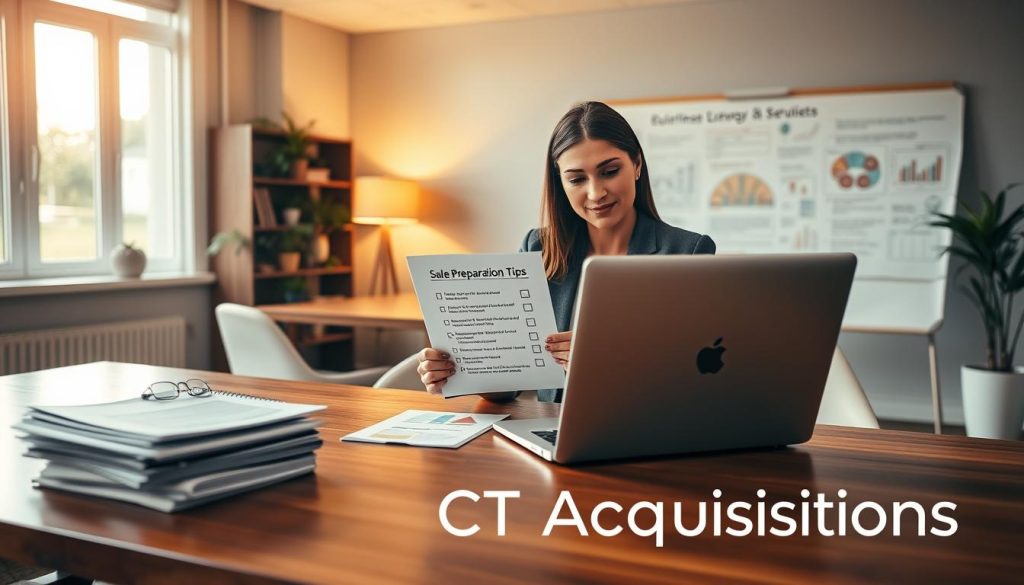
Preparing your business for sale is a multifaceted process that requires attention to detail and strategic planning. To attract potential buyers and secure a fair price, you need to present your business in its best possible light.
Organize Financial Statements
One of the critical steps in preparing your business for sale is organizing your financial statements. This includes ensuring that your balance sheet, income statement, and cash flow statement are accurate, up-to-date, and transparent. Potential buyers will scrutinize these documents, so it’s essential to have them in order.
- Ensure all financial records are accurate and up-to-date.
- Provide detailed breakdowns of revenue and expenses.
- Highlight any areas of financial improvement.
Improve Operational Efficiency
Improving operational efficiency not only makes your business more attractive to buyers but also increases its value. This can involve streamlining processes, reducing unnecessary costs, and implementing more effective management systems. By doing so, you can demonstrate to potential buyers that your business is well-run and has potential for further growth.
Operational efficiency is key to a successful sale. It shows buyers that the business is capable of running smoothly without your direct involvement.
Enhance Curb Appeal
The first impression matters, and enhancing the curb appeal of your business can make it more attractive to potential buyers. This can involve physical improvements to the business premises, updating branding, and ensuring that the overall presentation is professional and welcoming.
By focusing on these areas, you can significantly improve the marketability of your business and negotiate better prices. Effective preparation is key to a successful sale.
Set Realistic Expectations
Selling a business requires a strategic approach, starting with setting realistic expectations to avoid undervaluing your items. This foundational step ensures you’re well-prepared for the complexities of selling negotiations and can maximize profits.
Establish a Minimum Acceptable Price
Determining the minimum price you’re willing to accept is crucial. This involves a thorough assessment of your business’s financials, assets, and market position. By establishing a clear baseline, you can confidently navigate offers and counteroffers during selling negotiations.
To establish this minimum acceptable price, consider factors such as:
- Your business’s current financial performance
- Industry trends and market conditions
- The value of your assets, both tangible and intangible
- Comparable sales in your industry
Understand Buyer Psychology
Understanding the mindset and motivations of potential buyers is vital. Buyers are often driven by a combination of financial and strategic considerations. By grasping these factors, you can tailor your sales approach to align with their needs, thereby increasing the likelihood of a successful sale.
Key aspects of buyer psychology include:
- Their investment goals and return expectations
- Risk tolerance and assessment of your business’s potential
- Strategic fit with their existing portfolio or business goals
Avoid Emotional Attachment
Emotional attachment to your business can cloud your judgment, leading to unrealistic expectations about its value or the sale process. Maintaining a professional detachment allows you to make more rational decisions, ensuring you can maximize profits and achieve a fair sale.
To avoid emotional attachment, focus on:
- Objective assessments of your business’s value
- Data-driven decision-making
- Seeking advice from professionals, such as business brokers or M&A advisors
Build a Strong Selling Strategy

A well-planned selling strategy can make all the difference in securing a fair price for your business. To achieve this, you need to consider several key factors that will help you attract potential buyers and negotiate effectively.
Identify Potential Buyers
Identifying the right potential buyers is the first step in creating an effective selling strategy. This involves understanding your business’s value proposition and who would be most interested in it. You can leverage industry reports, market research, and professional networks to identify potential buyers.
Develop a Marketing Strategy
Once you have identified your potential buyers, the next step is to develop a marketing strategy that targets them effectively. This could involve using online marketplaces, industry-specific platforms, or even leveraging social media to reach a wider audience. Your marketing strategy should highlight the unique selling points of your business and appeal to the interests of potential buyers.
Leverage Professional Networks
Professional networks can play a crucial role in finding potential buyers and securing a fair price for your business. By leveraging connections with industry experts, business brokers, and other professionals, you can gain access to a network of potential buyers who are interested in businesses like yours. For more insights on dealing with lowball offers, you can refer to our detailed guide on strategies for sellers.
| Component | Benefits |
|---|---|
| Identify Potential Buyers | Increased chances of finding a buyer willing to pay a fair price |
| Develop a Marketing Strategy | Effective targeting of potential buyers, highlighting business strengths |
| Leverage Professional Networks | Access to a broader network of potential buyers, expert advice |
By building a strong selling strategy that incorporates these elements, you can significantly improve your chances of selling your business at a fair price.
Engage a Business Broker
To navigate the complex process of selling your business, consider partnering with a seasoned business broker. A business broker brings extensive knowledge and experience to the table, helping you navigate the intricacies of business sales.
Benefits of Using a Broker
Engaging a business broker can offer numerous benefits, including:
- Access to a broader market and potential buyers
- Expertise in pricing and valuation
- Skilled negotiation tactics to secure better prices
- Confidentiality and discretion throughout the process
By leveraging these benefits, you can negotiate better prices and ensure a smoother transaction.
Choosing the Right Broker
Selecting the right business broker is crucial to the success of your sale. Consider the following factors:
- Experience in your industry or with similar businesses
- A proven track record of successful sales
- Professional certifications, such as Certified Business Intermediary (CBI)
- Strong network and marketing capabilities
As noted by a business sales expert,
“A good broker can make all the difference in the sale of your business, providing valuable insights and guidance throughout the process.”
The Broker’s Role in Negotiation
A business broker plays a pivotal role in selling negotiations, using their expertise to:
- Understand buyer psychology and motivations
- Employ effective pricing tactics to maximize sale value
- Navigate complex negotiations with confidence
By understanding the broker’s role in negotiation, you can better appreciate the value they bring to the sale process, ultimately helping you achieve a more favorable outcome.
Negotiate with Confidence
Confidence is key when negotiating the sale of your business, and we’re here to guide you through the process. Negotiating with confidence means being prepared, understanding your business’s value, and being ready to respond to offers effectively.
Strategies for Effective Negotiation
To negotiate effectively, you need to have a clear understanding of your business’s strengths and weaknesses. Here are some strategies for effective negotiation:
- Know your minimum acceptable price and be prepared to justify it.
- Understand the buyer’s perspective and be ready to address their concerns.
- Be transparent about your business’s financials and operations.
By being prepared and confident, you can negotiate a fair price for your business.
Recognize Lowball Offers
A lowball offer is one that is significantly below your expected price. To recognize a lowball offer, you need to understand the market value of your business. Here are some tips to help you evaluate offers:
- Compare the offer to your business’s valuation.
- Consider the buyer’s financing and terms.
- Look for any contingencies or conditions that may affect the sale.
By being aware of these factors, you can avoid undervaluing your business and negotiate a better price.
Counteroffer Tactics
When faced with a lowball offer, you have several options. One approach is to make a counteroffer that is more in line with your expected price. Here are some counteroffer tactics to consider:
- Respond promptly to show you’re serious about the sale.
- Make a counteroffer that is reasonable and justifiable.
- Be prepared to negotiate further and find a mutually beneficial agreement.
By using these tactics, you can negotiate a fair price and ensure a successful sale.
Communicate Clearly with Buyers
Clear communication with potential buyers is crucial for a successful business sale. When you’re transparent and straightforward about your business’s value, you build trust and credibility, which can lead to better offers.
Set Clear Pricing Guidelines
Establishing a clear pricing strategy is vital. You should have a well-defined minimum acceptable price and be prepared to justify it based on your business’s financials, market conditions, and industry benchmarks. This clarity helps in maximizing profits by ensuring that you’re not underselling your business.
To set effective pricing guidelines, consider the following:
- Conduct a thorough valuation of your business.
- Research comparable sales in your industry.
- Understand the current market trends and how they impact your business’s value.
For more insights on building a robust deal flow, you can explore strategies on how to build proprietary deal flow without a huge.
Be Transparent About Business Conditions
Transparency about your business conditions is equally important. This includes being open about financial performance, operational challenges, and growth opportunities. By being forthcoming, you can mitigate risks associated with the sale and build a stronger relationship with potential buyers.
As emphasized by industry experts, “Transparency is key to building trust in business transactions.” This trust is foundational for successful selling negotiations.
To achieve transparency, focus on:
- Providing detailed financial records.
- Disclosing any operational or legal issues.
- Highlighting growth potential and competitive advantages.
By following these guidelines, you can ensure that your communication with buyers is clear, effective, and conducive to a successful sale.
Know Your Legal Obligations

Selling a business involves more than just negotiating a price; it requires a thorough understanding of your legal obligations. As you prepare to sell, it’s crucial to be aware of the legal framework that governs the transaction.
Understand Contractual Requirements
Contractual requirements are a critical aspect of selling a business. You need to understand what you are committing to when you sign a sale agreement. This includes knowing the terms and conditions that will bind you and the buyer.
We recommend that you carefully review the sale contract, paying close attention to clauses related to representations and warranties, indemnification, and dispute resolution. Understanding these elements can help you avoid potential pitfalls.
| Contractual Element | Description | Importance |
|---|---|---|
| Representations and Warranties | Statements about the business’s condition and operations | High |
| Indemnification | Provisions for compensating the buyer for potential losses | High |
| Dispute Resolution | Processes for resolving conflicts that may arise | Medium |
Navigate Disclosure Obligations
Disclosure obligations are another key legal consideration when selling a business. You are required to provide certain information to the buyer, and failing to do so can lead to legal issues. For more insights on navigating complex transactions, you can refer to resources like https://ctacquisitions.com/how-to-buy-off-market-property-without-brokers/.
We advise you to be transparent about your business’s financial condition, operations, and any other material facts. This not only helps in building trust with the buyer but also in complying with legal requirements.
By understanding your contractual requirements and navigating disclosure obligations effectively, you can ensure a smoother transaction and reduce the risk of legal disputes.
Be Patient During the Selling Process
Patience is a virtue when selling your business, as it allows you to secure a fair price. The process of selling a business can be complex and time-consuming, involving various stakeholders and due diligence procedures.
The Importance of Not Rushing
Rushing through the sale can lead to missed opportunities and unfavorable terms. By taking the time to negotiate better prices, you can ensure that you maximize your profits. It’s essential to be thorough and not rush through the process.
- Allow potential buyers to conduct thorough due diligence.
- Be prepared to address any concerns or issues that arise during the process.
- Take the time to evaluate offers carefully and consider multiple options.
Managing Buyer Expectations
Effectively managing buyer expectations is crucial to a successful sale. This involves being transparent about the business’s condition and financials, as well as being clear about your pricing tactics. By doing so, you can build trust with potential buyers and create a more efficient process.
To maximize profits, consider the following strategies:
- Be flexible and open to negotiations.
- Provide detailed financial information to support your asking price.
- Be prepared to justify your valuation with data and market analysis.
For more insights on how to get the best valuation for your business, you can visit https://ctacquisitions.com/how-to-get-acquired-by-private-equity-at-the-best-valuation/ to learn more about the process and how to prepare your business for sale.
Consider Multiple Offers

Evaluating multiple offers is a strategic move that can lead to a more successful business sale. When you receive several offers, you can compare their terms, prices, and conditions to choose the one that best aligns with your goals.
Evaluate Offers Beyond Price
While the offer price is a critical factor, it’s not the only consideration. You should evaluate other terms of the offer, such as the payment structure, closing timeline, and any contingencies.
- Consider the buyer’s experience and reputation in your industry.
- Assess the proposed deal structure, including any earn-outs or escrow arrangements.
- Review the buyer’s plans for your business and how they align with your legacy and values.
By evaluating offers beyond price, you can make a more informed decision that considers both the financial and strategic implications of the sale.
Assess Buyer Financing and Terms
Understanding the financing and terms of each offer is crucial. A higher offer price means little if the buyer is unable to secure financing or if the terms are unfavorable.
| Financing Option | Pros | Cons |
|---|---|---|
| Cash Offer | Immediate payment, less risk | May be lower than financed offers |
| Financed Offer | Potential for higher offer price | Risk of buyer default, longer timeline |
| Seller Financing | Can attract more buyers, flexible terms | Risk of buyer default, ongoing involvement |
Assessing buyer financing and terms helps you mitigate risks and ensure a smoother transaction.
By carefully considering multiple offers and evaluating their various aspects, you can negotiate a better deal and achieve a successful sale of your business.
Book a Confidential Strategy Call
To ensure a successful sale and maximize profits, consider taking the next step with a confidential strategy call. Our experts are here to guide you through the selling process, providing valuable insights and tailored advice to help you navigate complex selling negotiations.
Expert Guidance for a Successful Sale
A confidential strategy call allows you to discuss your options and develop a strategy aligned with your goals. By seeking professional guidance, you can gain a deeper understanding of the selling process and make informed decisions that drive results. For more information on effective exit strategies, you can explore resources such as real estate exit strategies.
Schedule Your Call Today
Don’t leave your sale to chance. Book your confidential 30-minute strategy call today to get personalized selling tips and create a plan that maximizes your profits. Our team is committed to helping you achieve a successful sale.
FAQ
What is the most important factor in avoiding getting lowballed when selling a business?
Understanding the market value of your business is crucial in avoiding getting lowballed. This involves assessing your business assets, analyzing industry trends, and evaluating comparable sales to determine a fair price.
How can I prepare my business for sale to attract potential buyers?
To prepare your business for sale, you should organize financial statements, improve operational efficiency, and enhance curb appeal. This will help demonstrate the value of your business to potential buyers and negotiate better prices.
What are some effective negotiation strategies when selling a business?
To negotiate effectively, you should develop strategies for effective negotiation, recognize lowball offers, and use counteroffer tactics. Being prepared and confident is key to negotiating better prices and ensuring a successful sale.
How can I set realistic expectations when selling my business?
To set realistic expectations, you should establish a minimum acceptable price, understand buyer psychology, and avoid emotional attachment. Being aware of these factors will help you negotiate with confidence and ensure a fair price.
What are the benefits of engaging a business broker when selling a business?
Engaging a business broker can provide valuable guidance on the selling process, help negotiate with buyers, and ensure a fair price. By choosing the right broker and understanding their role in negotiation, you can maximize your profits and ensure a successful sale.
How can I evaluate multiple offers when selling my business?
When evaluating multiple offers, you should consider factors beyond price, such as buyer financing and terms. This will help you negotiate better prices and ensure a successful sale.
What are some common mistakes to avoid when selling a business?
Common mistakes to avoid include undervaluing your business, being impatient, and lacking a clear selling strategy. By being aware of these potential pitfalls, you can take steps to avoid them and ensure a successful sale.
How can I ensure clear communication with potential buyers?
To ensure clear communication, you should set clear pricing guidelines and be transparent about business conditions. This will help build trust with potential buyers and negotiate better prices.
What are my legal obligations when selling a business?
You should understand contractual requirements and navigate disclosure obligations to ensure a smooth transaction and avoid potential disputes.
Related Guide: How to Sell Your Home Services Business — A step-by-step guide to selling your home services company to a private equity buyer.
Related Guide: What Is My Business Worth? — Learn how home services businesses are valued and what drives your multiple.
Want to Know What Your Business Is Worth?
Start with a free, confidential conversation.

About the Author
Christoph Totter is the founder of CT Acquisitions, a buy-side partner headquartered in Sheridan, Wyoming. We work directly with 200+ buyers — search funders, family offices, lower middle-market PE, and strategic consolidators — including direct mandates with the largest home services consolidators that other intermediaries can’t access. The buyers pay us when a deal closes, not the seller. No retainer, no exclusivity, no contract until close. Connect on LinkedIn · Get in touch