
Sell Your Winery Business in 2026: Valuation, Land vs Brand, Named Acquirers
To sell a winery in 2026, expect the price to split sharply between the vineyard land value (typically appraised separately, driven by acreage, appellation, and comparable-sales) and the winery operating/brand value (multiples on EBITDA plus inventory). Napa, Sonoma, Willamette, and Finger Lakes each carry different premium bands. Named strategic acquirers include Constellation Brands, E&J Gallo, Duckhorn, Foley Family Wines, plus regional consolidators. Distribution rights, DTC club membership size, and vineyard-plus-brand vs pure-brand structure all shape the buyer set.
Updated April 2026 · CT Acquisitions
Last updated: 2026-05-28
A winery is one of the more complicated businesses to sell, because it is several different assets wearing one label. There is the brand and the label equity, the vineyard land, the production facility, the wine aging in barrel and bottle that represents real money already spent but not yet sold, the recurring direct-to-consumer wine club, and the tasting-room hospitality that turns visitors into members. A winery is not the same thing as a vineyard. A vineyard grows grapes, while a winery makes and sells wine, which means a winery carries brand value, inventory, and a customer base that bare farmland never does. Three very different buyers compete for wineries in 2026, the strategic wine group that wants the brand and the channel, the land buyer who wants the acreage, and the lifestyle buyer who wants the whole estate, and they routinely value the same property differently. This page explains how a winery is actually valued, what each piece is worth, who the real buyers are, and how CT Acquisitions puts them in competition for your business.
Key Takeaways
- The most important thing to understand about a winery sale is that no single multiple captures the value, because a winery is part operating business and part asset holding.
- Wine has seen more mergers and acquisitions activity in recent years than at almost any point in its modern history, and the deals fall into a clear pattern of premiumization and c…
- Winery diligence is unusually broad because the buyer is examining real estate, inventory, a brand, a regulated license, and a recurring-revenue business all at once.
- These are the issues that turn a strong-looking winery into a discounted or dead deal: Distributor dependence with no DTC.
- The gap between a winery that sells near the value of its land and equipment and one that draws competing premium offers comes down to brand, channel, and the durability of the rec…
What Wineries Are Worth in 2026
The most important thing to understand about a winery sale is that no single multiple captures the value, because a winery is part operating business and part asset holding. Appraisers and buyers build the number from the parts. The vineyard land and the winery facility are valued as real estate at market. The wine aging in barrel and bottle is valued at its cost to produce, because it is inventory.
The most important thing to understand about a winery sale is that no single multiple captures the value, because a winery is part operating business and part asset holding. Appraisers and buyers build the number from the parts. The vineyard land and the winery facility are valued as real estate at market. The wine aging in barrel and bottle is valued at its cost to produce, because it is inventory the buyer can turn into future revenue. The brand, the label, and the wine club carry a premium above the hard assets, and a profitable estate with a strong direct-to-consumer channel can also be measured against EBITDA. For a well-branded, DTC-heavy winery, EBITDA multiples commonly land in the range of about 5x to 9x, with trophy names reaching higher, while revenue multiples of roughly 1x to 3x of annual sales serve as a useful cross-check. The hard assets set the floor and the brand sets the ceiling.
| Component | Typical Basis | Notes |
|---|---|---|
| Vineyard Land | Per-acre market value | Planted vineyard acreage valued by region, appellation, varietals, and vine age. Napa and Sonoma ground commands a large premium over emerging regions. Often the single largest hard asset, and sometimes sold separately from the brand. |
| Winery Facility and Equipment | Depreciated market value | The production building, crush pad, tanks, presses, barrels, bottling line, and the tasting room itself. Valued at market, not book. A buyer with its own plant may assign little value to the facility. |
| Aging Wine Inventory | Cost to produce, sometimes above | Work-in-process and finished wine in barrel and bottle is a real balance-sheet asset. Multiple vintages aging at once can be one of the largest line items. Allocated, waitlisted wines can be valued above cost. |
| Brand and Label Equity | Premium above hard assets | The name, the scores, the reputation, the appellation story. Often 10% to 30% of total enterprise value for an established estate, and far more for a trophy label with pricing power. |
| DTC Wine Club (recurring) | Premium for retention | A loyal, low-churn club is recurring, high-margin revenue that buyers pay up for. The more production sold direct rather than through distributors, the higher the margin and the multiple. |
| Going-Concern / EBITDA Premium | ~5x to 9x EBITDA | Applies to profitable, well-run estates with a strong DTC mix. Trophy names reach higher. Distressed bulk producers with thin margins and distributor dependence sit at the low end or trade closer to asset value. |
The cleanest way to think about your winery is to separate the dirt, the building, the wine, and the brand in your own head. The vineyard and facility are real estate. The wine in barrel and bottle is inventory that already cost you grapes, labor, oak, and years of carrying time, and the buyer is paying for revenue that is effectively already in the tank. The brand and the wine club are the going-concern value that lifts the number above the sum of the hard assets. A bulk producer selling cheap wine through distributors sells close to the value of its land and equipment. A premium estate that sells most of its production direct, at high margins, to a loyal club commands a brand premium that bare assets could never explain.
Margins and working capital in wine are unusual and worth understanding before a sale. Boutique wineries with a strong direct mix often run EBITDA margins in the range of roughly 20% to 35%, far better than the thin margins of bulk wine sold to distributors. But the cash cycle is brutally long. You spend on farming and production years before a wine is sold, and premium reds may age in barrel and bottle for two to four years before they ever generate a dollar. That long cash conversion is exactly why the aging inventory is a real asset on the balance sheet rather than an afterthought, and why a buyer scrutinizes it closely.
The factors that move a winery’s value up or down:
- Direct-to-consumer mix, the share of production sold through the club and tasting room rather than through distributors, which drives both margin and multiple
- Brand strength and pricing power, the scores, the reputation, and whether the wine sells above fifteen dollars and holds an allocation list
- Appellation and vineyard quality, where the land sits, the varietals, and vine age, since Napa and Sonoma ground carries a premium
- Wine club health, membership count, churn, retention, and whether the club depends on the owner personally
- Inventory depth and documentation, the library of aging vintages and how cleanly it is recorded by lot
- Owner dependency, whether the winemaking, the brand, and the club survive the founder walking away
Why Strategic Wine Groups and Lifestyle Buyers Are Buying Wineries
Wine has seen more mergers and acquisitions activity in recent years than at almost any point in its modern history, and the deals fall into a clear pattern of premiumization and consolidation. Large strategic groups are reshaping their portfolios around higher-priced wine while shedding cheap mainstream brands, and private equity has moved aggressively into Napa and Sonoma estates. For an owner, that means there is a real, well-capitalized buyer pool.
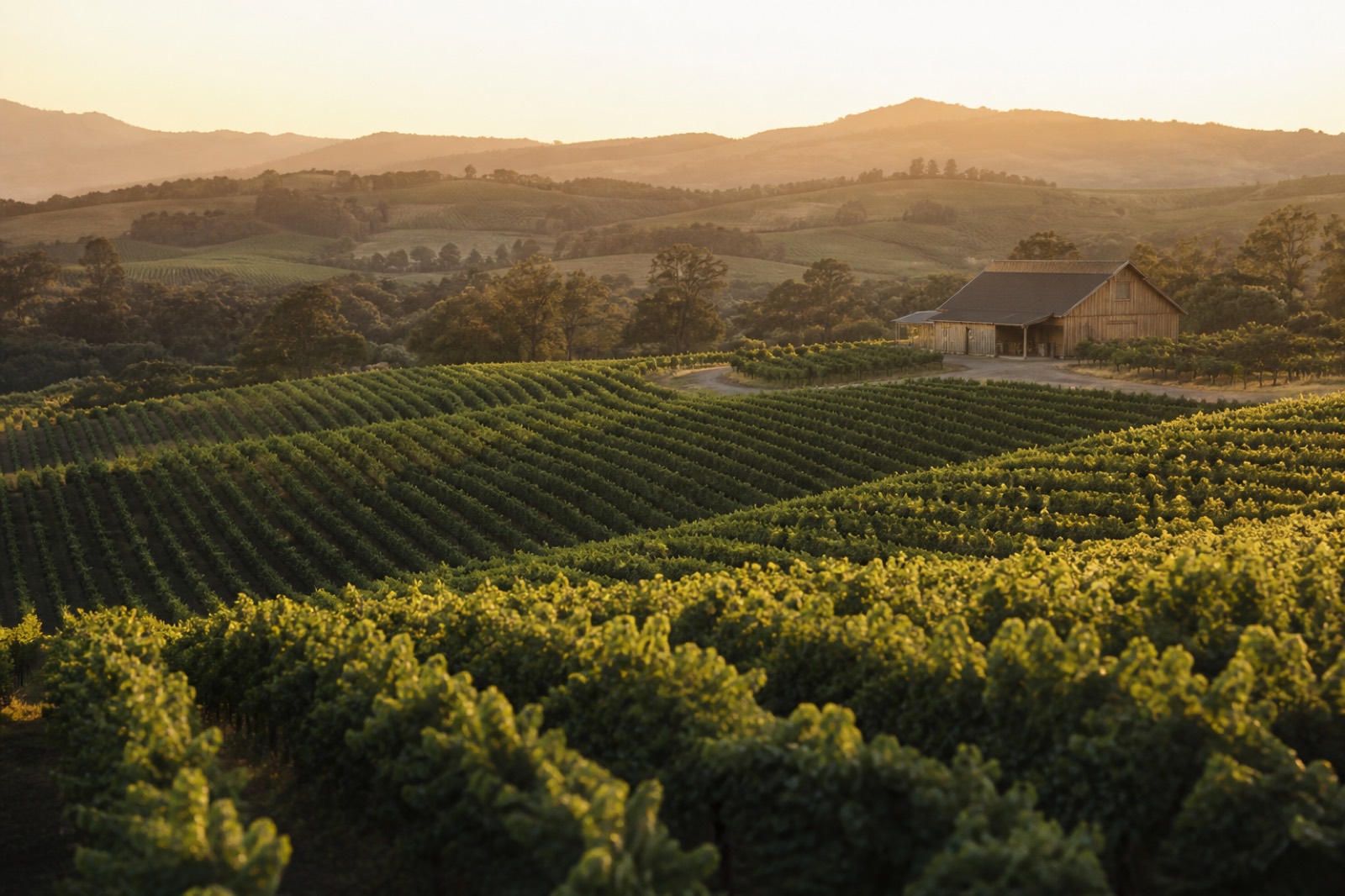
Wine has seen more mergers and acquisitions activity in recent years than at almost any point in its modern history, and the deals fall into a clear pattern of premiumization and consolidation. Large strategic groups are reshaping their portfolios around higher-priced wine while shedding cheap mainstream brands, and private equity has moved aggressively into Napa and Sonoma estates. For an owner, that means there is a real, well-capitalized buyer pool, but the buyers are selective about what they want.
The consolidation thesis is built on brand, distribution, and direct-to-consumer reach. A large group that buys a premium brand can push it through distribution and retail relationships a small winery could never access, fold the production into existing facilities, and add the brand’s wine club to a bigger DTC machine. At the same time, the industry has tilted hard toward premium. Constellation Brands divested its mainstream wine portfolio, the Woodbridge and Robert Mondavi Private Selection tier of brands, to The Wine Group in 2025 to focus on wine priced fifteen dollars and above, and E. and J. Gallo completed the purchase of more than thirty of those brands. That tells a seller exactly where the capital is flowing: premium, branded, DTC-rich wine, not cheap volume.
The named buyers and the kind of capital active in the market include:
- E. and J. Gallo Winery, the largest family-owned winery in the country, which completed the acquisition of more than thirty brands from Constellation and continues to add labels to its enormous portfolio
- The Wine Group, one of the largest U.S. wine producers, which acquired Constellation’s mainstream wine brands including Woodbridge, Meiomi, and Robert Mondavi Private Selection in 2025
- Constellation Brands, which is repositioning around premium wine above fifteen dollars and remains a strategic acquirer at the high end while shedding the low end
- Butterfly Equity, the food-and-beverage private equity firm that took The Duckhorn Portfolio private in a deal valued at roughly two billion dollars and is consolidating its brands and facilities
- GI Partners, the private equity firm that holds a majority stake in Far Niente Wine Estates, a Napa estate group with multiple wineries and vineyards
- Bacchus Capital Management, a wine-focused investment firm that provides strategic capital and makes private equity investments specifically in the U.S. wine industry
Below the strategic groups, agricultural and land buyers compete for the vineyard acreage as a real asset, and wealthy lifestyle buyers compete for the estate itself. The lifestyle buyer is often the wild card and the highest bidder, because a successful entrepreneur who wants to own a Napa winery is not constrained by what the wine earns per case. Competition among the strategic, the land, and the lifestyle buyer is what gives a seller leverage.
What these buyers pay a premium for:
- A premium, recognized brand with scores, pricing power, and an allocation list
- A high direct-to-consumer mix with a large, low-churn wine club
- Vineyard land in a prestigious appellation with quality varietals and mature vines
- A clean, well-documented library of aging inventory by vintage and lot
- Licenses, bonds, and multistate shipping permits that are current and transferable
- A brand and a club that do not depend on the founder’s personal presence
What Winery Buyers Actually Care About in Diligence
Winery diligence is unusually broad because the buyer is examining real estate, inventory, a brand, a regulated license, and a recurring-revenue business all at once. A bulk wholesale producer gets diligence focused on the land and equipment. A premium DTC estate gets diligence focused on the brand, the club, and the inventory, because that is where most of the value sits.
Winery diligence is unusually broad because the buyer is examining real estate, inventory, a brand, a regulated license, and a recurring-revenue business all at once. A bulk wholesale producer gets diligence focused on the land and equipment. A premium DTC estate gets diligence focused on the brand, the club, and the inventory, because that is where most of the value sits.
The specific items diligence digs into:
- Aging inventory by vintage and lot: a precise accounting of wine in barrel and bottle, its cost to produce, the volume of each vintage, and any allocation or futures commitments, because this is one of the largest assets and a buyer who cannot verify it will discount it
- Direct-to-consumer and wine club data: club membership counts, churn and retention rates, average order value, the split between DTC and wholesale, and how much the club depends on the owner’s personal relationships
- Brand and pricing: the price tier, scores, distribution relationships, depletion data through distributors, and whether the brand holds pricing power or discounts to move volume
- Licenses, bonds, and permits: the federal TTB basic permit and bonded winery status, state alcohol licenses, multistate direct-shipping permits, and any use permit governing events and tasting-room hours at the property
- Vineyard and facility: planted acreage by varietal and vine age, water and any irrigation rights, the condition of tanks, presses, barrels, and the bottling line, and any deferred capital spending
- Normalized earnings: owner compensation, personal expenses, and one-time items removed to arrive at the true EBITDA, plus how the long production cycle and inventory carrying cost flow through the books
The takeaway for an owner is that the cleaner your inventory records, the healthier and better-documented your wine club, and the more current your licenses and permits, the faster a winery deal moves and the less likely a buyer is to chip the price after discovering a thin club, a soft brand, or a licensing problem during diligence.
What red flags tank winery valuations?
These are the issues that turn a strong-looking winery into a discounted or dead deal: Distributor dependence with no DTC. A winery that sells almost everything through distributors at thin margins, with little or no wine club, competes on price and earns far less than a direct-selling estate, which caps the multiple near asset value.
These are the issues that turn a strong-looking winery into a discounted or dead deal:
- Distributor dependence with no DTC. A winery that sells almost everything through distributors at thin margins, with little or no wine club, competes on price and earns far less than a direct-selling estate, which caps the multiple near asset value.
- Owner-dependent brand and club. If the members joined because of the founder, the winemaker is the owner, and the brand is the owner’s personality, a buyer treats it as a job rather than a transferable business.
- Undocumented or aging-out inventory. Wine that cannot be verified by vintage and lot, or a library that is past its prime and hard to sell, gets discounted, because the buyer cannot count on turning it into revenue.
- Licensing and permit gaps. Lapsed bonds, expired shipping permits, or a use permit that limits events and tasting-room hours can stall a deal for months and shrink the value of the hospitality side.
- Falling club membership. A wine club bleeding members or showing high churn signals declining recurring revenue, and buyers reprice the premium they were paying for it.
- Vineyard or vintage risk. Smoke taint, disease, declining vine health, or a string of weak vintages undermines both the inventory value and the brand, and a buyer prices that risk in.
- Bulk-wine exposure and discounting. A brand that survives by dumping wine on the bulk market or discounting heavily has lost pricing power, which is the opposite of what premium buyers pay for.
What Separates a 4x Winery From a 9x Winery
The gap between a winery that sells near the value of its land and equipment and one that draws competing premium offers comes down to brand, channel, and the durability of the recurring revenue, not to how many cases it makes.
The gap between a winery that sells near the value of its land and equipment and one that draws competing premium offers comes down to brand, channel, and the durability of the recurring revenue, not to how many cases it makes. A bottom-of-range winery is usually a bulk or near-bulk producer selling through distributors at thin margins, with a small or owner-dependent club, a soft brand with no pricing power, and inventory that is hard to verify. It sells to whoever shows up, often a regional group looking to absorb production, at a price set mostly by the dirt and the iron.
A winery that draws premium, competing offers looks different in specific ways:
- A high direct-to-consumer mix. A large share of production sold through the tasting room and wine club at full margin, rather than discounted through distributors, which lifts both EBITDA and the multiple.
- A durable, low-churn wine club. Strong membership counts, high retention, and a club that keeps its members because of the wine and the experience, not the founder’s personal calls.
- A premium brand with pricing power. Wine priced above fifteen dollars, strong scores, an allocation list, and a reputation that lets the winery raise prices rather than discount.
- A documented inventory library. Multiple vintages aging cleanly, recorded by lot and cost, so the buyer can credit the inventory as future revenue rather than discounting it.
- Quality vineyard land and a real facility. Planted acreage in a respected appellation and a production facility a buyer can actually use, with no large deferred capital spending waiting.
- Clean licenses and a transferable operation. Current bonds, multistate shipping permits, a workable use permit, and a winemaking and hospitality team that runs without the owner.
Some of these, like the appellation your land sits in, are fixed. But much of what tanks a winery’s value is fixable in the year or two before a sale: building the direct-to-consumer mix, shoring up the club’s retention, organizing the inventory records by lot, and getting the licenses and permits current. Moving a winery from a distributor-dependent bulk seller toward a branded, direct-selling estate is the single most reliable way to move it from an asset-value sale to a competitive, brand-premium one.
How to Sell a Winery, Step by Step
To sell a winery well, you run two sales at once: a real estate sale for the land and buildings, and a business sale for the brand, the inventory and the wine club. Most problems come from treating it as only one of the two.
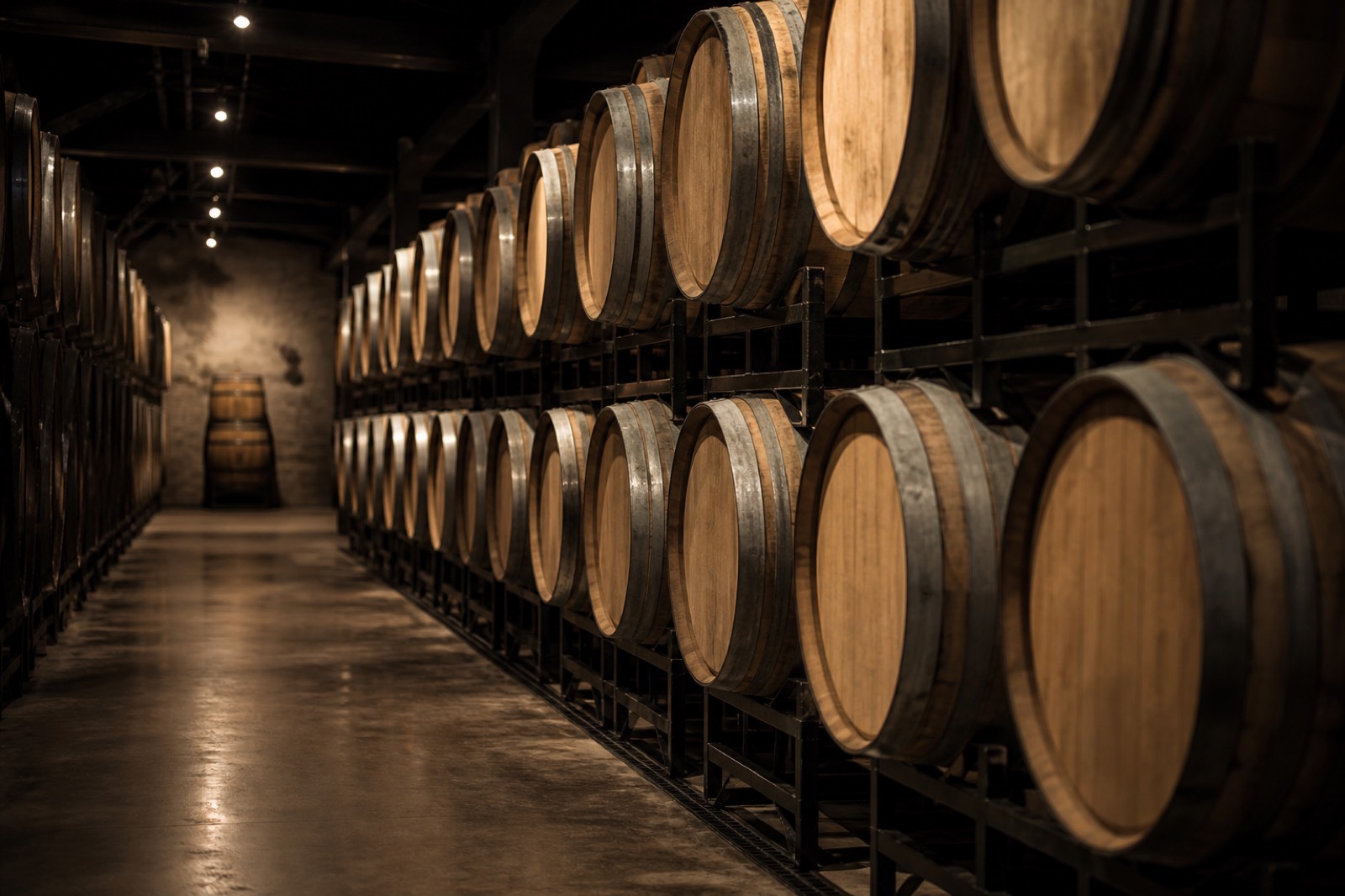
- Get two valuations. An agricultural appraiser values the vineyard, facility and water rights. A business valuation covers the brand, the club and normalized earnings. The gap between the two numbers tells you which buyer type to target.
- Decide what is for sale. Brand only, brand plus inventory, land only, or the whole estate. Strategic wine groups often want the brand and club without the dirt; lifestyle buyers want the estate.
- Fix permits before you market. Deferred maintenance and permit problems (use permits, wastewater, event limits) cost less to fix before a buyer finds them than after.
- Build the inventory schedule. List every lot by vintage, volume, cost, and bottled versus bulk. Buyers price inventory separately from the business, usually at a negotiated figure tied to cost.
- Plan the license change. Federal basic permits cannot be sold or transferred, and a change in control, even through a stock sale, ends the permit 30 days later unless the new owner applies for its own permit within that window (27 CFR 1.44). State licenses follow their own timelines, so build both into the closing date.
- Market confidentially. Club members, distributors and staff should hear about the sale from you after signing, not from a public listing.
- Staff both halves of the deal. Selling real property for a fee generally requires a real estate license, so pair a winery-experienced real estate broker with an M&A advisor who handles the operating business and the buyer list.
Once a buyer signs a purchase agreement, expect another two to three months to close. Per an InnoVint expert talk on buying and selling wineries, most deals target 60 days to close and take 60 to 90.
How CT Acquisitions Works
CT Acquisitions connects winery owners directly with qualified buyers across all three buyer types. No fishing-expedition listing, no upfront fees, no tire-kickers. Here is the process. Confidential Consultation . We learn about your winery, your brand, your vineyard and facility, your aging inventory, your wine club and DTC mix, your licenses, and your goals and timeline. Nothing is shared externally without your explicit approval.
CT Acquisitions connects winery owners directly with qualified buyers across all three buyer types. No fishing-expedition listing, no upfront fees, no tire-kickers. Here is the process.
- Confidential Consultation. We learn about your winery, your brand, your vineyard and facility, your aging inventory, your wine club and DTC mix, your licenses, and your goals and timeline. Nothing is shared externally without your explicit approval.
- Valuation and Positioning. We help you understand the value of each piece, the land, the facility, the inventory, the brand, and the recurring club revenue, and how to position the winery so the buyer type most likely to pay the most sees its strongest version. That includes whether to sell the brand and the dirt together or separately.
- Targeted Introductions. We introduce you directly to strategic wine groups and their private-equity backers, agricultural and land buyers, and qualified lifestyle and legacy buyers from our network whose interests match your brand, your region, and your price tier.
- Deal Support Through Closing. We stay involved through offer review, due diligence, and closing, including the inventory, license, permit, and wine club questions that are specific to winery deals.
CT Acquisitions operates on a success-fee-only basis. If a deal does not close, you pay nothing. Buyers pay us, not you, which keeps our interests aligned with yours from day one.
Most winery owners we work with built the brand themselves and are selling once, after years or decades of work, and the inventory, licensing, and wine club layers make a winery deal more involved than a simple real estate sale. CT Acquisitions handles the heavy lifting. We prepare a confidential summary that highlights the strengths of the business without broadcasting its identity to competitors or club members, and buyers only learn which winery it is after proving they are serious and qualified.
Why Owners Choose CT Acquisitions
- No upfront fees. Success-fee-only. Zero retainers, zero listing fees, zero monthly charges. If a deal does not close, you owe nothing.
- Complete confidentiality. Your winery is never broadcast on a public listing. Competitors, distributors, and club members stay unaware until you decide otherwise.
- The right buyers. Our network reaches all three buyer types, strategic wine groups, land buyers, and lifestyle buyers, so the right ones compete rather than selling quietly to the first group that asks.
- Asset-and-brand expertise. We understand that a winery is land, facility, aging inventory, brand, and a recurring wine club, not a single clean multiple, and we price and position each piece accordingly.
- Owner-first approach. We work on your timeline. You control every step, with no pressure to accept an offer that does not meet your goals.
“Most winery owners sell to the first strategic group that calls and never find out what a lifestyle buyer would have paid for the whole estate. The value is in the brand, the club, and the inventory, not just the dirt, and the right introduction puts every kind of buyer in competition for your business.”
, Christoph, Managing Partner, CT Acquisitions
How to Sell a Vineyard (and How It Differs From Selling a Winery)
To sell a vineyard, you price the grape-growing land as real estate first: buyers appraise it by appellation, vine age, water rights, and comparable per-acre sales, then add value for grape contracts or a brand if one exists. A bare vineyard sells closer to its land value, while a full winery with a direct-to-consumer brand commands a premium above the dirt.
The distinction matters because a vineyard and a winery are not the same asset. A vineyard is planted acreage that grows grapes, and its worth is anchored to land: appellation, soil, vine age, water rights, and recent comparable sales in the region. Napa and Sonoma acreage carries the strongest premiums. If you sell a vineyard alone, without a bonded winery, brand, or wine club, you are selling close to that appraised land value plus the value of any long-term grape supply contracts attached to the parcel.
A winery layers an operating business and a brand on top of that land. As the page notes above, the hard assets set the floor and the brand sets the ceiling. A grower who sells fruit in bulk to distributors captures land value; an estate that sells most of its production direct, at high margins, to a loyal club captures a brand premium that bare acreage could never explain. That is why two properties with identical vine counts can trade at very different numbers.
If you own vineyard land and are deciding whether to sell the acreage on its own or package it with a brand and operating history, get both valued separately before you go to market. Strategic wine groups and lifestyle buyers pay for the brand story, while land-focused buyers pay for the dirt and the water. To see how CT Acquisitions positions vineyard and winery owners for the right buyer pool, start with a confidential call.
Frequently Asked Questions
How do you sell a vineyard?
You sell a vineyard by first appraising the land as real estate, using appellation, vine age, water rights, and comparable per-acre sales in the region to set a floor. From there, any long-term grape supply contracts add value, and if the parcel comes with a bonded winery, brand, or wine club, that operating business commands a premium above the bare land. A vineyard sold on its own trades closer to its appraised acreage value, while a vineyard packaged with a direct-to-consumer brand can sell for materially more.
How is a winery valued, and is it a multiple of profit?
A winery is valued as a stack of assets plus a brand premium, not on a single clean earnings multiple. Buyers and appraisers separate the parts: the vineyard land and the winery facility at market value, the aging wine inventory at its cost to produce, the brand and label equity, and the recurring direct-to-consumer wine club. A profitable, well-branded estate with a strong DTC channel can also be measured against EBITDA, commonly in the range of about 5x to 9x and sometimes higher for trophy names, while revenue multiples of roughly 1x to 3x of annual sales serve as a sanity check. The asset value sets the floor and the brand sets the ceiling, which is why two wineries with similar production can sell for very different numbers.
Is my barrel and bottle inventory worth real money in a sale?
Yes. Wine that is aging in barrel or in bottle is a genuine balance-sheet asset, not just stock on a shelf. Each vintage represents grapes, labor, oak, and years of carrying cost already sunk into product that has not yet been sold, so buyers value work-in-process and finished inventory at its cost to produce, and sometimes above cost for allocated wines that already command a waiting list. A multi-year library of aging vintages can be one of the largest single line items in a winery deal, because the buyer is acquiring future revenue that is already in the tank. Clean, well-documented inventory records by vintage and lot are essential, because a buyer who cannot verify what is aging will discount it.
How much does the wine club and DTC channel add to the value?
A great deal. Direct-to-consumer sales, the tasting room and the wine club, carry far higher margins than wholesale, and a loyal club with low churn is recurring, predictable revenue that buyers pay a premium for. A winery that sells a large share of its production direct rather than through distributors keeps more of every dollar and controls its own pricing, and that profile can lift the EBITDA multiple above the category average. Buyers look closely at club membership counts, churn and retention, average order value, and how dependent the club is on the owner’s personal relationships. A durable, well-run club that does not need the founder to keep members is one of the most valuable things a small winery owns.
Do my alcohol licenses and permits transfer when I sell?
Not automatically, and the licensing layer is one of the slowest parts of a winery deal. A winery holds a federal TTB basic permit and bonded winery status, plus state alcohol licenses, and the buyer generally must qualify for and obtain their own approvals rather than simply taking yours, which takes time and agency review. Direct shipping permits across multiple states, distributor relationships, and any use permit governing events and tasting-room hours at the property add further layers. A buyer confirms all of it is in good standing and assignable or re-obtainable before closing, so a seller who keeps licenses, bonds, and shipping permits current and well organized removes one of the biggest sources of delay.
Should I sell the brand, the vineyard, and the facility together or separately?
It depends on the buyer. A strategic wine group often wants the brand, the inventory, and the wine club but may not want the vineyard land or even the production facility, because it can move winemaking into its own larger plant. A land or agricultural buyer may want only the vineyard acreage and care little about the label. A lifestyle buyer usually wants the whole turnkey estate, brand and dirt and tasting room together. The brand, the land, the facility, and the inventory are four separable values, and the structure that pays the most depends entirely on which buyers are at the table. CT Acquisitions helps you figure out which combination and which buyers produce the highest total number.
Who actually buys wineries in 2026?
Three buyer types compete, and they value the same winery differently. Strategic wine groups and their private-equity backers, the kind of consolidation seen as E. and J. Gallo bought brands from Constellation and as Butterfly Equity took Duckhorn private, buy for brands, distribution, and DTC channels, and they are paying up for premium, above-fifteen-dollar wine while shedding cheap mainstream labels. Agricultural and land buyers buy the vineyard acreage as a real asset. Lifestyle and legacy buyers buy the estate itself, the brand, the place, and the romance, and they frequently pay past what the numbers alone would support. CT Acquisitions reaches all three so the right buyers compete for your winery.
Ready to Find Out What Your Winery Is Worth?
Start with a confidential conversation. No commitment, no upfront cost, and no pressure. CT Acquisitions introduces you directly to qualified strategic wine groups, land buyers, and lifestyle buyers.
Start with a confidential conversation. No commitment, no upfront cost, and no pressure. CT Acquisitions introduces you directly to qualified strategic wine groups, land buyers, and lifestyle buyers.
Ready to Explore Your Options?
A 30-minute confidential conversation is all it takes.
A 30-minute confidential conversation is all it takes.