Buy a Roofing Business in 2026: 3-8x EBITDA, PE Consolidators, LOI Terms That Matter
Quick Answer
Roofing businesses trade at dramatically different multiples depending on business model: residential retail commands 5 to 7x EBITDA, commercial maintenance contracts reach 6.5 to 8.5x, storm-chasing restoration is discounted to 2.5 to 4x due to sustainability concerns, and hybrid models fall between 4.5 to 6x. Two operators with identical EBITDA can value at 3x versus 8x based purely on revenue type and sustainability, making business model assessment more critical than size in roofing acquisitions.
Updated April 2026 · Christoph Totter, CT Acquisitions
How CT Acquisitions Works
- How we are paid. No fee to you on buy-side introductions; sell-side mandates are paid on success at closing.
- Confidential. No public listing, and nothing moves without your approval. We have zero claim on you.
- Vetted buyers only, no leaks. We introduce you only to vetted buyers whose mandates fit. Your business is never publicly listed.
- Top-of-market price AND the right buyer. Our fee scales with sale price (same incentive as a banker), matched on fit, not just the highest check.
- We already know our buyers’ mandates before we pick up the phone with you.
Key takeaways
- Two operators with identical EBITDA can trade at 3x and 8x in roofing, business model matters more than size.
- Four distinct business models: residential retail, commercial flat-roof, storm-chasing, hybrid.
- Storm-chasing revenue is discounted heavily, not sustainable and carries regulatory risk (AOB exposure).
- Commercial maintenance contract revenue commands premium multiples (6-8x).
- EMR < 1.0 supports valuation; > 1.3 signals ongoing comp cost burden.
- Weather-year normalization is essential in diligence.
Table of contents
Roofing M&A is more nuanced than HVAC or pest control because roofing businesses vary enormously in quality. Two operators with identical EBITDA can trade at 3x and 8x depending on whether the revenue is sustainable retail, recurring commercial maintenance, or storm-chasing insurance restoration. The buyer’s edge is recognizing which business you’re actually looking at before you sign the LOI.
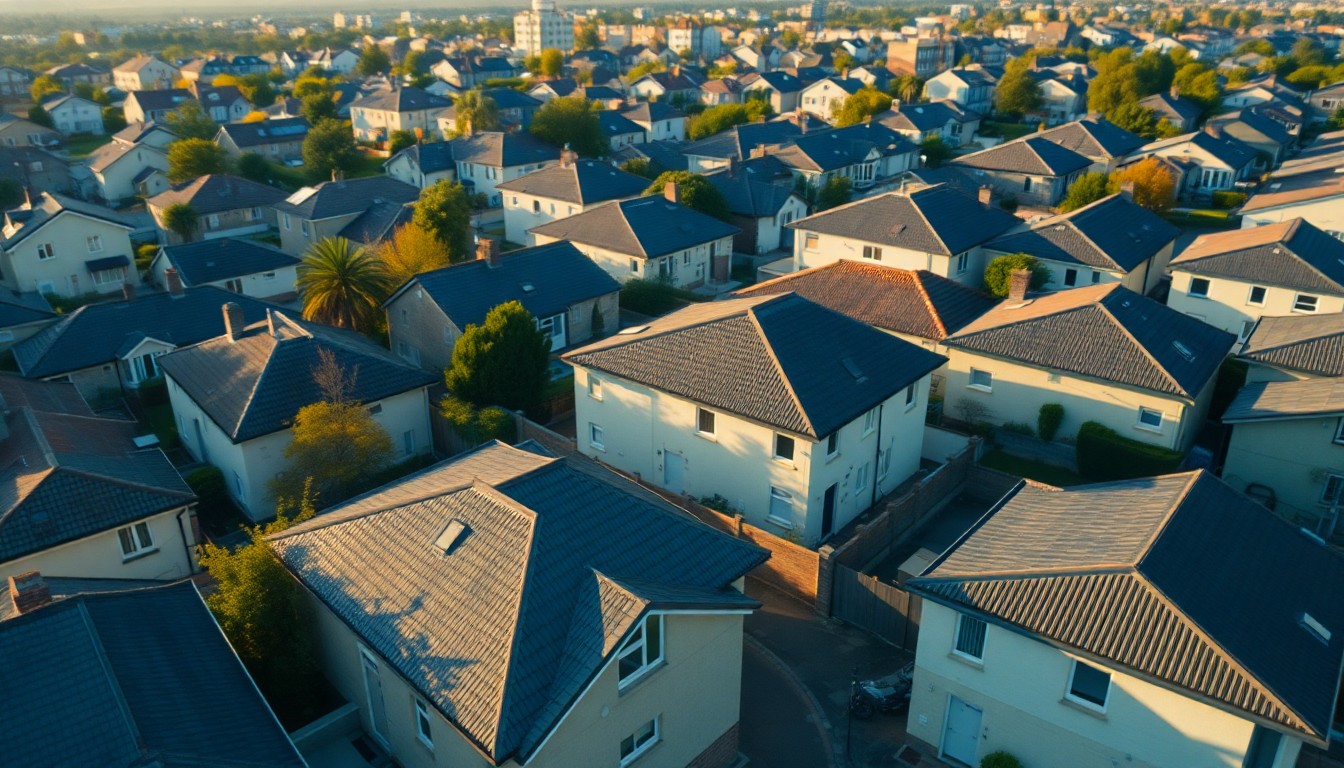
The four roofing business models
- Residential retail (insurance-light): homeowner-initiated replacement and repair, built through marketing and referrals. Valued at 5-7x for quality operators.
- Commercial flat-roof service: multi-year service contracts with property managers, industrial facilities, schools. Premium segment at 6.5-8.5x.
- Storm-chasing / insurance restoration: heavy dependence on weather events and insurance claim work. Discounted to 2.5-4x because revenue is not sustainable.
- Hybrid: combines residential retail, commercial, and some restoration. Most common profile; valued 4.5-6x.
What buyers pay in 2026
| Operator profile | Multiple |
|---|---|
| Storm-chasing / high restoration mix | 2.5-4x |
| Residential retail, founder-led | 4-5x |
| Residential retail + some commercial | 5-6.5x |
| Commercial maintenance-led with recurring contracts | 6-8x |
| Regional platform anchor | 7-9x |

The roofing-specific diligence
Revenue source decomposition
Bucket every job from the last 24 months: retail residential, commercial maintenance contract, commercial one-time, insurance restoration (weather-driven), insurance restoration (non-weather). Normalize for storm years.
Weather-year adjustment
If trailing 12 months includes major hail or hurricane events, build a 3-5 year rolling average to estimate normalized EBITDA.
Manufacturer certifications
GAF Master Elite, Owens Corning Platinum, CertainTeed Select, etc. add pricing power and credibility. Certified operators transact at 0.2-0.5 turns higher.
EMR and safety
Roofing has high workers’ comp exposure. EMR < 1.0 is valuable; > 1.3 indicates ongoing margin pressure from comp costs.
Crew retention and subcontractor model
Foremen tenure, crew turnover, W-2 vs. subcontractor mix. Heavy sub models carry misclassification risk.
Insurance claim handling practices
Public adjuster relationships, assignment-of-benefits (AOB) practices, aggressive claim strategies. Regulatory exposure in Florida and some other states. Operators with clean practices trade at premiums.
Commercial contract book analysis
For operators with commercial mix, rebuild the contract book: tenure, renewal rate, escalators, upsell revenue. >85% annual renewal is the platform-grade threshold.
Red flags that kill roofing deals
- >40% revenue from storm-chasing / insurance restoration
- Aggressive AOB practices in regulated states
- Heavy subcontractor model without IC documentation
- EMR above 1.3
- Spreadsheet-based pipeline and job management
- Unpermitted work history
- Crew turnover > 30%
The roofing buyer landscape
- National platforms: Several PE-backed roll-ups (residential + commercial)
- Regional consolidators: Active in $1-$5M EBITDA range
- Commercial specialists: Operators focused on flat-roof commercial maintenance
- Independent sponsors: Target residential retail with strong local brand
- Search funders: Typically $500K-$2M SDE, residential service-led
Deal structure
- Cash at close: 60-75%
- Earnout: 15-25% over 18-24 months, typically tied to revenue retention
- Escrow: 10% for 12-18 months
- Seller rollover: 0-10% in platform deals
How CT Acquisitions works with roofing buyers
We maintain relationships with 200+ roofing operators across residential retail, commercial maintenance, and specialty segments. For buyers with mandates in roofing: For a deeper look, see our guide on alaska. For a deeper look, see our guide on wisconsin.
- Sector-specific buy-box matching (retail vs commercial vs specialty)
- Weather-year adjusted pre-LOI valuations
- Confidential process, NDA first
- Sell side paid on success at closing; terms in writing up front
Let’s walk through your mandate.
Buying a Roofing Business the: Frequently Asked Questions
What’s a roofing business worth?
Depends on revenue mix. Commercial-maintenance-led operators trade at 6-8x EBITDA. Residential retail at 4.5-6x. Storm-chasing at 2.5-4x. A $1M EBITDA commercial-led operator typically sells for $6M-$8M.
Is storm-chasing revenue valued lower than retail?
Significantly lower. Storm-driven revenue is not sustainable, often depends on aggressive claim practices, and inflates EBITDA during storm years. Buyers normalize to a 3-5 year average and apply a discounted multiple to the storm-chasing portion. For a deeper look, see our guide on new mexico. For a deeper look, see our guide on idaho.
Should I buy a roofing business that uses subcontractors?
Proceed carefully. Heavy subcontractor models carry worker-misclassification risk (state and federal). Ensure clean IC documentation, workers’ comp coverage, and a path to W-2 conversion if needed.
How do manufacturer certifications affect valuation?
Modest premium (0.2-0.5 turns). GAF Master Elite, Owens Corning Platinum, and similar top-tier certifications signal operational quality and produce pricing power.
What’s the biggest post-close risk in roofing M&A?
Crew turnover during transition. Roofing foremen have outside options and often leave when ownership changes. Retention bonuses for named foremen (10-20% of annual comp) are essential.
Related resources
- Roofing seller hub
- Roofing business valuation
- Buying an HVAC business
- Buying a pest control business
- Deal origination for home services
Want a Specific Read on Your Roofing Business?
30 minutes, confidential, no contract, no cost. You leave with actionable data.
