
What Paperwork Do I Need to Sell My Business?
What paperwork do I need to sell my business in 2026 covers four document categories. Financial records: 3-5 years P&L, balance sheet, tax returns, TTM financials, AR/AP aging, customer-level revenue. Legal documents: articles of incorporation, operating agreements, minutes, contracts (customer, vendor, lease, employment), IP registrations, licenses and permits. HR records: employee census, compensation history, benefits documentation, key-person retention agreements. Deal contracts: NDA, LOI, definitive purchase agreement, disclosure schedules, escrow agreement, transition services agreement. Organize into a virtual data room (Datasite, Intralinks, Firmex) before buyer engagement.
Christoph Totter · Managing Partner, CT Acquisitions
20+ home services M&A transactions across HVAC, plumbing, pest control, roofing · Updated April 27, 2026
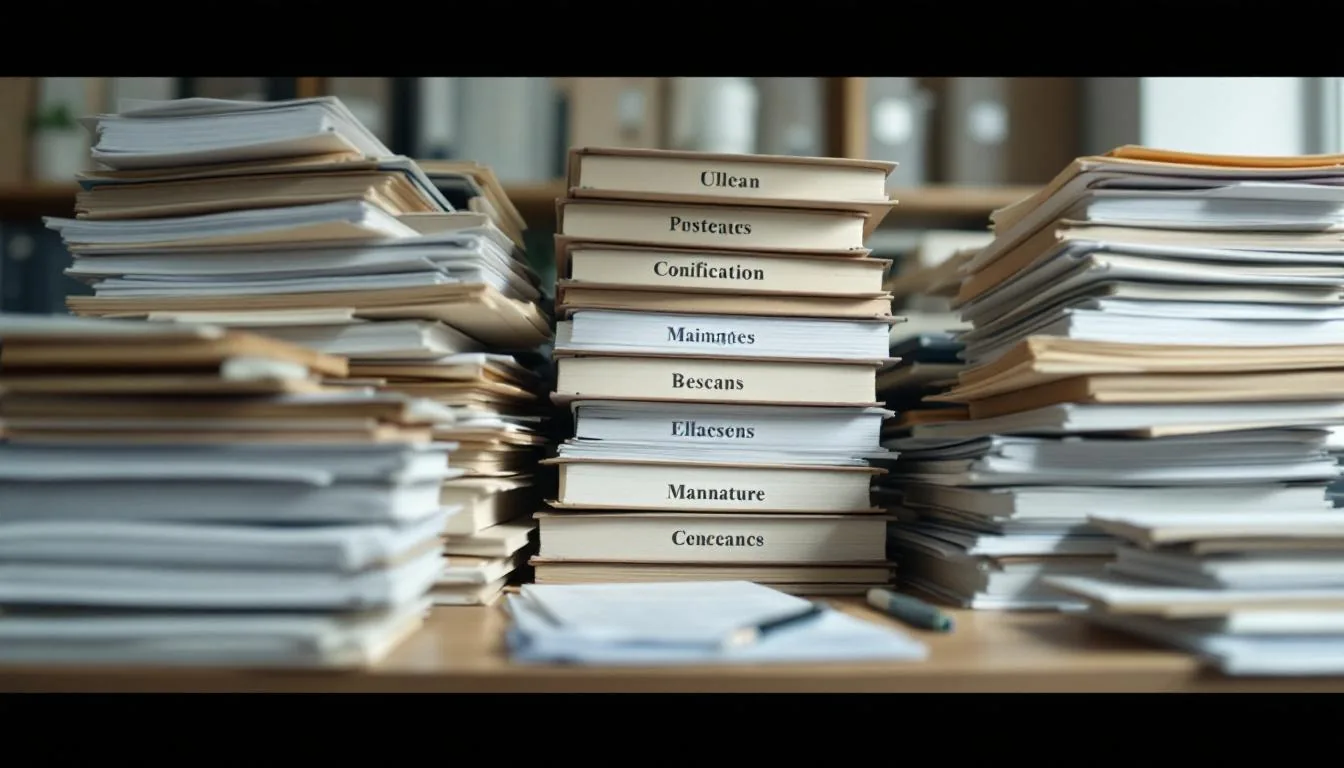
“The paperwork of a business sale splits in two: what you show a buyer about the business, and what the lawyers draft to complete the deal. Organized, the first builds confidence; the second, with good advice, makes the sale real.”
TL;DR, the 90-second brief
- Selling a business involves two broad kinds of paperwork: the documents you supply about the business, and the legal documents that complete the deal.
- Buyers will want financial records, legal and corporate documents, contracts, and operational information.
- The deal itself runs on legal documents, an NDA, a letter of intent, and the definitive purchase agreement.
- Well-organized paperwork makes due diligence smoother and builds buyer confidence.
- A seller should gather and organize documents early, ideally in a structured data room, and work with advisors on the deal documents.
Key Takeaways
- Selling a business involves two broad kinds of paperwork: documents about the business, and documents that complete the deal.
- Buyers want to see financial records, the numbers and the support behind them.
- Buyers want legal and corporate documents, the entity’s formation and ownership records.
- Buyers want to see contracts and operational information that show how the business runs.
- The deal itself runs on legal documents: an NDA, a letter of intent, and the definitive purchase agreement.
- Well-organized paperwork makes due diligence smoother and builds buyer confidence.
- A seller should gather documents early, organize them well, and work with advisors on the deal documents.
Two Kinds of Paperwork in a Business Sale
For 2026 rigid packaging sale playbook (5x-11x EBITDA) at 5x-11x EBITDA with named buyers (Berry Global, Pactiv Evergreen, Sonoco, Silgan, Crown) and substrate mix drivers, see our reference.
Before listing documents, it helps a seller to understand that the paperwork in a business sale falls into two broad categories. Seeing this distinction makes the whole picture far clearer.
The first kind is the paperwork about the business, the documents a seller provides so a buyer can understand and verify the business they’re considering buying. This is the information a buyer reviews: the financials, the legal records, the contracts, the operational details. It’s the evidence base of the sale.
The second kind is the paperwork of the deal itself, the legal documents that actually structure and complete the transaction. This is a different set of documents: the agreements that govern the sale process and, ultimately, transfer the business from seller to buyer.
These two categories serve different purposes and a seller handles them differently. The documents about the business are largely about gathering and organizing what already exists. The deal documents are largely about drafting, negotiating, and signing new agreements, with legal help. This guide takes each category in turn, so a seller knows what’s needed and how to approach it.
Financial Records: The Documents a Buyer Most Wants
Of all the paperwork about the business, the financial records are the most important, they’re what a buyer most wants to see, because the numbers are central to understanding and valuing a business.
A buyer will want to see the business’s financial statements, the records showing the business’s revenue, costs, profit, and financial position. They’ll want to see this over a meaningful period, so they can understand not just a single year but the trends and the consistency.
Buyers also typically want the supporting financial information behind the headline statements, tax returns, and the records and documentation that back up and explain the numbers. The goal, from the buyer’s side, is to understand the business’s true financial picture and to verify that it is what the seller presents.
For a seller, the practical message is to have the financial records in good order. Clean, organized, well-supported financial records do two things: they make the buyer’s review smooth, and they build buyer confidence. Messy, incomplete, or hard-to-explain financials do the opposite, they slow the process and raise doubt. Getting the financial paperwork right is one of the highest-value pieces of sale preparation.
Legal, Corporate, and Operational Documents
Beyond the financials, a buyer will want a range of other documents about the business, legal and corporate records, contracts, and operational information. Here’s the kind of paperwork involved:
Legal and Corporate Documents
A buyer will want the legal and corporate paperwork of the business, the documents relating to how the entity is formed, its ownership, its corporate records. These establish what the business legally is and who owns it.
Contracts and Agreements
A buyer will want to see the business’s important contracts, agreements with customers, suppliers, the premises lease, and other key arrangements. These show the commitments and relationships the business is built on.
Operational Information
A buyer will want operational documentation, information about how the business actually runs, its processes, its assets, and other details that help a buyer understand the workings of the business they’re considering.
Other Records the Business Holds
Depending on the business, there may be other relevant records, relating to employees, to permits or licenses, to property or equipment. A buyer’s due diligence reaches across the documents that, together, describe the whole business.
Want a specific read on your business?
CT Acquisitions is an M&A advisory firm working sell side, buy side and exit planning, with 500+ active lower-middle-market buyer relationships. We help founders get organized, financial records, a structured data room, and the right legal advisors, so the paperwork builds confidence rather than slowing the deal. Book a confidential call. Related: our walkthrough on sell my franchise.
The Deal Documents: The Paperwork of the Transaction
The second broad category is the paperwork of the deal itself, the legal documents that structure the sale process and complete the transaction. These are different from the documents about the business: they are agreements created for the deal.
Early in a process, there’s typically a non-disclosure agreement (NDA), a confidentiality agreement under which a prospective buyer agrees to keep the information they receive about the business confidential. The NDA is what allows a seller to share sensitive information with a buyer in the first place.
As a deal takes shape, there’s usually a letter of intent (LOI), a document, generally mostly non-binding, that sets out the proposed deal: the broad terms the buyer and seller intend to proceed on. The LOI frames the deal before the detailed work begins.
And at the heart of the completed transaction is the definitive purchase agreement, the detailed, legally binding contract that actually governs the sale and transfers the business. This is the central deal document, and there are typically related agreements alongside it. Crucially, these deal documents are legal documents with serious consequences, so a seller should work on them with an experienced deal lawyer. Unlike the documents about the business, which a seller mostly gathers, the deal documents are drafted, negotiated, and signed, and that’s legal work.
Why Organized Paperwork Matters So Much
It’s worth pausing on why getting the paperwork right matters so much, because it’s not just administrative tidiness; it genuinely affects how a sale goes. Related: our walkthrough on how long does it take to sell a business.
Well-organized paperwork makes due diligence smoother. Due diligence is when a buyer reviews the documents about the business in depth. A seller who can provide the requested documents promptly, completely, and in an organized way makes diligence efficient, it moves quickly and cleanly. A seller whose paperwork is scattered, incomplete, or slow to produce makes diligence painful and prolonged.
Well-organized paperwork also builds buyer confidence. When a buyer asks for documents and receives them quickly and in good order, it signals a well-run, well-documented, trustworthy business, and a credible seller. When requests are met with delay, gaps, and disorganization, it does the opposite: it makes a buyer wonder what else is messy, and can erode the confidence a deal depends on.
And good paperwork keeps the deal moving. A drawn-out, document-snagged process is more likely to lose momentum, frustrate a buyer, or surface problems. An efficient one, supported by ready paperwork, is more likely to reach a clean close. So a seller should see paperwork preparation not as a chore, but as a real contributor to a smooth, confident, successful sale.
How a Seller Gets Organized
Finally, here’s how a seller should practically get organized with the paperwork for a sale. Related: our walkthrough on do i need a business valuation.
Start early. Gathering and organizing the documents about the business takes time, and it’s far better done before a process begins than scrambled together under pressure mid-deal. A seller who prepares the paperwork early goes into a sale ready. Related: our walkthrough on how to sell your share of a business.
Gather the documents about the business. Pull together the financial records, the legal and corporate documents, the contracts, and the operational information. Identify what’s needed, locate it, and make sure it’s complete and current. If something is missing or messy, this is the time to fix it. Related: our walkthrough on 7 signs your business is actually ready to sell.
Organize it well, ideally in a data room. A data room is an organized, secure place where the documents about the business are assembled for a buyer’s review. Organizing the paperwork into a well-structured data room is how a seller makes due diligence smooth and presents the business professionally. Related: our walkthrough on sell my landscaping business.
Work with advisors on the deal documents. The deal documents, the NDA, the LOI, the purchase agreement, are legal work, so a seller handles those with an experienced deal lawyer rather than alone. The broader point: the paperwork to sell a business is substantial but entirely manageable. It’s two categories, the documents about the business, which a seller gathers and organizes, and the deal documents, which a seller handles with legal help. A seller who starts early, gets the business documents in good order, and works with the right advisors turns the paperwork from a daunting unknown into a well-handled, confidence-building part of the sale.
Conclusion
Frequently Asked Questions
What paperwork do I need to sell my business?
Two broad kinds. First, documents about the business, financial records, legal and corporate documents, key contracts, and operational information, which a buyer reviews. Second, the deal documents, an NDA, a letter of intent, and the definitive purchase agreement, which complete the transaction. Related: our walkthrough on sell my gym.
What financial records do I need to sell a business?
A buyer will want the business’s financial statements over a meaningful period, so they can see trends and consistency, plus supporting financial information such as tax returns and the records that back up the numbers. The aim is to understand and verify the true financial picture. Related: our walkthrough on sell my daycare business.
What legal documents does a buyer want to see?
A buyer will want the legal and corporate paperwork of the business, documents relating to how the entity is formed, its ownership, and its corporate records, along with the business’s important contracts, such as customer and supplier agreements and the premises lease. Related: our walkthrough on sell ecommerce business.
What are the deal documents in a business sale?
The legal documents that structure and complete the transaction: typically a non-disclosure agreement early on, a letter of intent setting out the proposed deal, and the definitive purchase agreement, the detailed, binding contract that governs the sale and transfers the business. Related: our walkthrough on sell my construction business.
What is a data room?
A data room is an organized, secure place where the documents about the business are assembled for a buyer’s review during due diligence. Organizing the paperwork into a well-structured data room is how a seller makes diligence smooth and presents the business professionally.
Do I need a lawyer for the sale paperwork?
For the deal documents, the NDA, the letter of intent, and especially the definitive purchase agreement, yes. Those are legal documents with serious consequences, drafted and negotiated rather than just gathered, so a seller should handle them with an experienced deal lawyer.
Why does organized paperwork matter when selling a business?
Well-organized paperwork makes due diligence smoother, builds buyer confidence (prompt, complete documents signal a well-run business and a credible seller), and keeps the deal moving. Disorganized paperwork slows diligence, raises doubt, and can erode the confidence a deal depends on.
When should I start gathering paperwork to sell my business?
Early, before a sale process begins. Gathering and organizing the documents about the business takes time and is far better done in advance than scrambled together under pressure mid-deal. A seller who prepares the paperwork early goes into a sale genuinely ready.
What is a non-disclosure agreement in a business sale?
A non-disclosure agreement (NDA) is a confidentiality agreement under which a prospective buyer agrees to keep the information they receive about the business confidential. It’s what allows a seller to share sensitive information with a buyer in the first place.
How do I get organized for the paperwork of a sale?
Start early, gather the documents about the business (financial records, legal and corporate documents, contracts, operational information), check that they’re complete and current, organize them into a well-structured data room, and work with an experienced deal lawyer on the deal documents.
Related Guide: Data Room Checklist for a Business Sale,
Related Guide: How Do I Prepare My Business for Due Diligence?,
Related Guide: Do I Need a Lawyer to Sell My Business?,
Related Guide: How to Clean Up Your Books Before Selling a Business,
Want a Specific Read on Your Business?
30 minutes, confidential, no contract, no cost. You leave with a read on your local buyer market and a likely valuation range.
30 N Gould St, Ste N, Sheridan, WY 82801, USA · (307) 522-0262 · Contact
