
What Is a Take-Private?
What Is A Take Private in 2026 depends on scale, sector, and recurring revenue percentage. Named PE-backed and strategic acquirers pursue this vertical actively, and multiples clear meaningful ranges depending on platform readiness and market cycle timing. This page covers the operational specifics that matter to owner-operators considering a sale.
Christoph Totter · Managing Partner, CT Acquisitions
20+ home services M&A transactions across HVAC, plumbing, pest control, roofing · Updated April 27, 2026
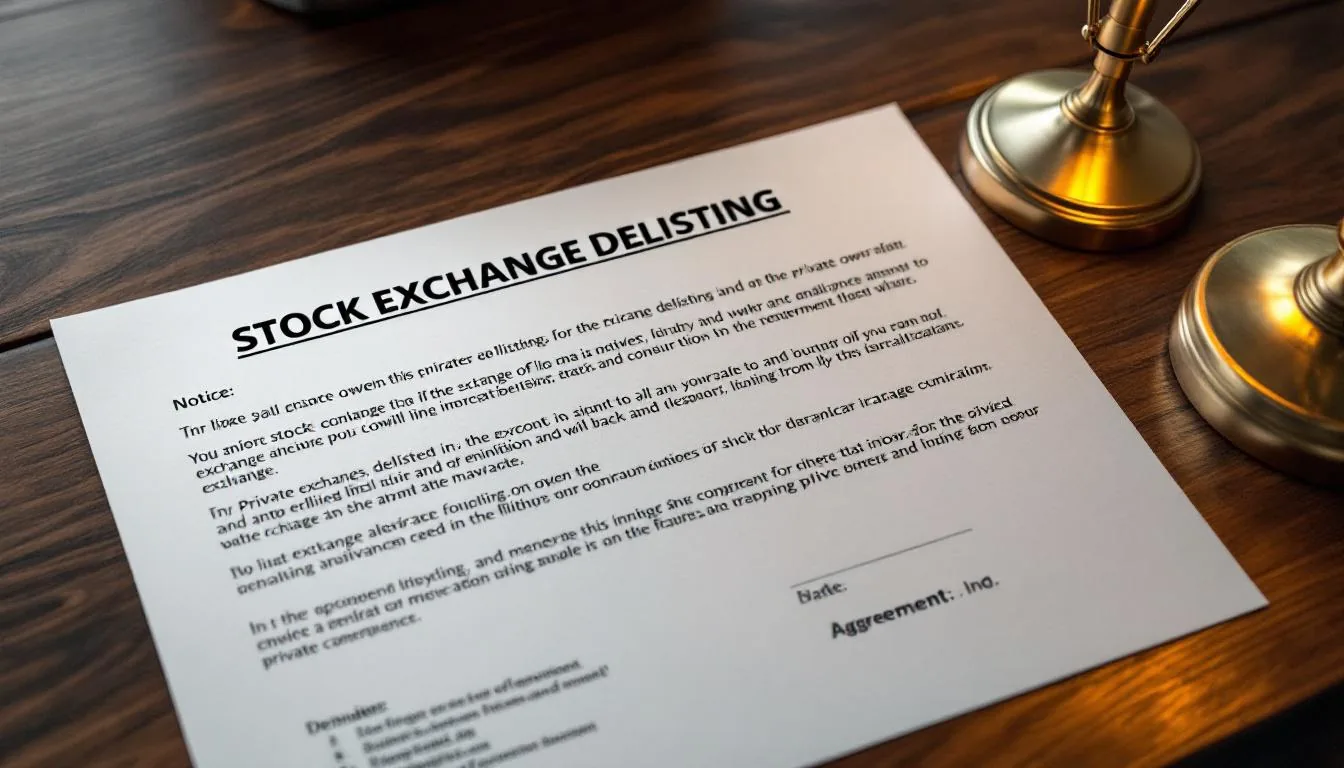
“A take-private is the IPO run in reverse. Instead of a private company going public, a public company is bought up, delisted, and returned to private hands, usually because it’s worth more, or easier to run, away from the public markets.”
TL;DR, the 90-second brief
- A take-private is a transaction in which a publicly traded company is acquired and converted into a privately held company.
- The buyer purchases all the public shares, the company is delisted from the stock exchange, and it becomes private.
- Take-privates are most often done by private-equity firms, sometimes by management, or by other large buyers.
- Companies are taken private to escape public-market pressures, restructure away from public scrutiny, or open up value.
- A take-private is, in effect, the reverse of an IPO, moving a company from public ownership back to private.
Key Takeaways
- A take-private converts a publicly traded company into a privately held one.
- The buyer purchases all the public shares, and the company is delisted from the stock exchange.
- Take-privates are most often done by private-equity firms, sometimes by management, or other large buyers.
- Companies go private to escape short-term public-market pressure, restructure quietly, or open up value.
- A take-private is effectively the reverse of an IPO.
- Take-private deals are often large transactions, frequently funded with significant debt.
- Once private, the company is freed from public-company reporting and quarterly-earnings scrutiny.
Take-Private Defined
A take-private is a transaction in which a publicly traded company, a company whose shares trade on a stock exchange, is acquired and converted into a privately held company. After a take-private, the company is no longer public: its shares no longer trade publicly, and it’s owned privately.
The mechanics center on the shares. In a take-private, a buyer purchases the company’s outstanding public shares, buying out the public shareholders. Once the buyer owns the company, it is delisted from the stock exchange, and the company becomes private.
A take-private is also commonly called a ‘going-private transaction.’ Both terms describe the same thing: a public company making the move from public ownership to private ownership through an acquisition.
How a Take-Private Works
The take-private process, at a high level, follows this path:
- A buyer, often a private-equity firm, decides to acquire a publicly traded company and take it private
- The buyer makes an offer to acquire the company, typically at a premium to its current trading price
- The company’s board evaluates the offer, often obtaining a fairness opinion
- The transaction is negotiated and a definitive agreement is reached
- The deal is put to the company’s shareholders for approval, as required for a public-company transaction
- The buyer purchases the public shares, buying out the public shareholders
- The company is delisted from the stock exchange
- The company is now privately held, owned by the buyer
Why Companies Are Taken Private
There are several reasons a public company might be taken private, and understanding them explains the logic of these deals:
Escaping Short-Term Public-Market Pressure
Public companies face constant pressure to deliver quarterly results and meet market expectations. This short-term pressure can conflict with what’s best for the business long-term. Going private frees the company from that quarterly scrutiny, allowing management to focus on the long term.
Restructuring Away From Public Scrutiny
A company that needs to make significant changes, restructuring operations, repositioning the business, taking actions that might unsettle public markets, can do so more quietly and patiently as a private company, out of the public spotlight.
Unlocking Value the Public Market Isn’t Recognizing
Sometimes a buyer believes a public company is undervalued by the market, that it’s worth more than its trading price reflects. A take-private lets the buyer acquire that perceived value and capture it under private ownership.
Eliminating Public-Company Costs and Obligations
Being public carries real costs, extensive reporting, regulatory compliance, the apparatus of public-company governance. Going private removes those costs and obligations.
Operational Freedom
As a private company, the business can be run with more flexibility and less public visibility, making decisions, investments, and changes without the constant external scrutiny that public ownership brings.
Want a specific read on your business?
CT Acquisitions is an M&A advisory firm working both sides of the table, with 200+ active lower-middle-market buyer relationships. We help private-company founders understand and capture the value of their business, without the public markets. Book a confidential call.
Book a 30-Min CallWho Does Take-Private Deals
Take-private transactions are typically large deals, and they’re carried out by buyers with the capital and capability to acquire an entire public company. The main types:
Private Equity Firms
Private-equity firms are the most common take-private buyers. A PE firm takes a public company private, owns and works to improve it under private ownership over a holding period, and aims to exit later. Take-privates are a significant part of large-scale private-equity activity.
Management (Management Buyout)
Sometimes a public company’s own management leads the take-private, a management buyout of the public company, often backed by private-equity capital. Management takes the company private to run it as owners, away from public-market pressure.
Other Large Buyers
Other large acquirers, including strategic buyers, consortiums, or major investors, can also take a public company private when they have the capital and rationale to acquire the whole company.
What Is a Take-Private Transaction?
A take-private transaction is the deal itself: a buyer, usually a private equity firm or a consortium, acquires every publicly traded share of a listed company and removes it from the stock exchange, converting it back into a privately held business. The word “transaction” points to the mechanics of the buyout rather than the outcome of private ownership.
People search for “take-private transaction” when they want the moving parts, not just the definition. In practice the transaction runs through a familiar sequence: the acquirer submits an offer at a premium to the current share price, the target’s board reviews it and negotiates terms, shareholders vote to approve, and the shares are then cancelled and delisted. Once that closes, the ticker disappears and the company answers to private owners instead of a public float.
Most take-private transactions are structured as a merger, where the target combines with an entity the buyer created for the deal, or as a tender offer, where the buyer purchases shares directly from holders. The financing side almost always mixes acquirer equity with borrowed money, which is why so many of these deals are classic leveraged buyouts. The larger the target and the more predictable its cash flow, the more debt a buyer will commit to the structure.
Take-private transactions differ from a private-company sale only in their starting point. A listed target carries public shareholders, disclosure duties, and a board fiduciary standard that a founder-owned business does not, so the process is more procedural. The economic idea is the same on both sides: a buyer sees value that the current owners are not capturing and pays a premium to control it. If you run a private company weighing a sale, the negotiating dynamics are closer than they look, and our team walks owners through them on the sell your business page.
Take-Privates and Debt Financing
Take-private transactions are often large, and they’re frequently funded with significant debt. Understanding this connects the take-private to the broader world of leveraged acquisitions.
Acquiring an entire public company requires a great deal of capital. Rather than fund the whole purchase with equity, buyers, particularly private-equity firms, typically use a substantial amount of debt to finance a take-private. The acquired company itself often carries that debt after the deal.
This makes many take-privates a form of leveraged buyout, a take-private structured with significant borrowed money. The debt amplifies the buyer’s potential return, but it also means the now-private company operates with a meaningful debt load that its cash flow must service.
This is why take-privates work best for companies with stable, strong cash flow, businesses that can comfortably support the debt used to fund the transaction. The cash-flow profile of the target is central to whether a debt-funded take-private makes sense.
Take-Private vs IPO: The Two Directions
The clearest way to understand a take-private is as the reverse of an IPO.
| Feature | Take-Private | IPO |
|---|---|---|
| Direction | Public company becomes private | Private company becomes public |
| What happens to shares | Public shares are bought out; company delisted | New shares are sold to the public; company listed |
| Result | Private ownership, off the exchange | Public ownership, traded on the exchange |
| Typical driver | Escape public pressure, open up value, restructure | Raise capital, provide liquidity, public profile |
| Public-company obligations | Removed | Acquired |
Two Directions of the Same Journey
An IPO takes a company from private to public. A take-private takes a company from public back to private. They’re the two directions of the same journey along the public/private line. A company isn’t permanently fixed on one side, over its life, it can go public and, later, be taken private (and in some cases, go public again).
What a Take-Private Means for the Stakeholders
A take-private affects different parties in different ways:
Public shareholders. In a take-private, the public shareholders are bought out, they receive payment for their shares, typically at a premium to the recent trading price. Their ownership ends; they exit the company.
Management. Management often continues to run the company under its new private ownership, and in a management-led take-private, management becomes part of the ownership. Running the company privately frees management from quarterly public-market pressure.
The company. The company itself becomes private, freed from public-company reporting and scrutiny, but, if the deal was debt-funded, now operating with a significant debt load to service. It enters a new phase under private ownership.
The buyer. The buyer, typically a PE firm, now owns the company privately, with the opportunity to improve it away from public-market pressure and aim for a future exit. The take-private is the start of the buyer’s ownership and value-creation period.
What a Take-Private Means for a Private-Company Owner
For an owner of a private company, a take-private is mostly relevant as context, it completes the picture of how companies move between public and private ownership.
The most useful insight is what it reveals about the value of being private. Take-privates happen, in large part, because private ownership has real advantages: freedom from short-term quarterly pressure, the ability to focus on the long term, operational flexibility, and no public-company reporting burden. Companies pay substantial premiums to take public companies private precisely to gain those advantages.
For a private-company owner, that’s a reframe worth holding onto. The advantages that buyers pay billions to obtain in a take-private, long-term focus, flexibility, freedom from public scrutiny, are advantages a private business already has. Being private is not a lesser state; it’s a state that large public companies actively pursue.
And it underlines a broader point: for the vast majority of private lower-middle-market businesses, going public was never the right goal in the first place. The public markets carry costs and pressures that take-private deals exist to escape. A well-run private company, sold (when the time comes) through a competitive process to the right private buyer, captures value without ever needing the public markets, and without ever needing to be taken back from them.
Conclusion
Frequently Asked Questions
What is a take-private transaction?
A take-private transaction is a deal in which a buyer, typically a private equity firm or investor group, acquires all of a public company’s outstanding shares and delists it from the stock exchange, turning it back into a privately held business. It is usually structured as a merger or tender offer and often funded partly with debt as a leveraged buyout.
What is a take-private?
A take-private is a transaction in which a publicly traded company is acquired and converted into a privately held company. A buyer purchases the public shares, the company is delisted from the stock exchange, and it becomes privately owned. It’s also called a going-private transaction.
How does a take-private work?
A buyer (often a PE firm) offers to acquire a public company, typically at a premium to its trading price. The board evaluates the offer, the deal is negotiated and approved by shareholders, the buyer purchases the public shares, the company is delisted, and it becomes private.
Why are companies taken private?
To escape short-term public-market pressure (quarterly-earnings scrutiny), restructure away from public scrutiny, open up value the public market isn’t recognizing, eliminate public-company costs and reporting obligations, and gain the operational freedom of private ownership.
Who does take-private deals?
Most commonly private-equity firms, which take a public company private, improve it under private ownership, and aim to exit later. Sometimes a company’s own management leads a take-private (a management buyout), often PE-backed. Other large buyers can also do take-privates.
Is a take-private the same as an IPO?
It’s the reverse. An IPO takes a private company public; a take-private takes a public company private. They’re the two directions of the same journey along the public/private line.
Are take-privates funded with debt?
Often, yes. Take-privates are typically large deals, and buyers, particularly PE firms, frequently use significant debt to fund them. This makes many take-privates a form of leveraged buyout, with the acquired company carrying the debt afterward.
What happens to public shareholders in a take-private?
Public shareholders are bought out, they receive payment for their shares, typically at a premium to the recent trading price. Their ownership ends and they exit the company when it goes private.
What happens to a company after a take-private?
The company becomes private, freed from public-company reporting and quarterly scrutiny. If the deal was debt-funded, it operates with a significant debt load its cash flow must service. It enters a new phase under private ownership, typically a PE firm’s.
What’s a going-private transaction?
A going-private transaction is another name for a take-private, a deal in which a publicly traded company is acquired and converted to private ownership. Both terms describe the same thing.
What kind of company suits a take-private?
Because take-privates are often debt-funded, they work best for companies with stable, strong cash flow, businesses that can comfortably support the debt used to finance the transaction. The target’s cash-flow profile is central to whether a take-private makes sense.
Does management stay after a take-private?
Often, yes. Management commonly continues to run the company under private ownership, freed from quarterly public-market pressure. In a management-led take-private, management also becomes part of the ownership.
What does a take-private mean for a private-company owner?
It reveals the value of being private. Buyers pay substantial premiums to take public companies private, for long-term focus, flexibility, and freedom from public scrutiny. Those are advantages a private business already has; being private is a state large public companies actively pursue.
Related Guide: What Is a Reverse Merger?,
Related Guide: What Is a Tender Offer?,
Related Guide: What Is a Leveraged Buyout?,
Related Guide: What Is a Management Buyout?,
Want a Specific Read on Your Business?
30 minutes, confidential, no contract, no cost. You leave with a read on your local buyer market and a likely valuation range.
Owner-readers considering a sale can start with sell-side prep playbook for the practical sequence.
Buy-side readers can register through the proprietary buy-side network for direct-to-owner opportunities.
30 N Gould St, Ste N, Sheridan, WY 82801, USA · (307) 487-7149 · Contact