
What Is a Term Sheet? The 2026 Founder’s Guide to M&A Term Sheets
Christoph Totter · Managing Partner, CT Acquisitions
20+ home services M&A transactions across HVAC, plumbing, pest control, roofing · Updated April 27, 2026
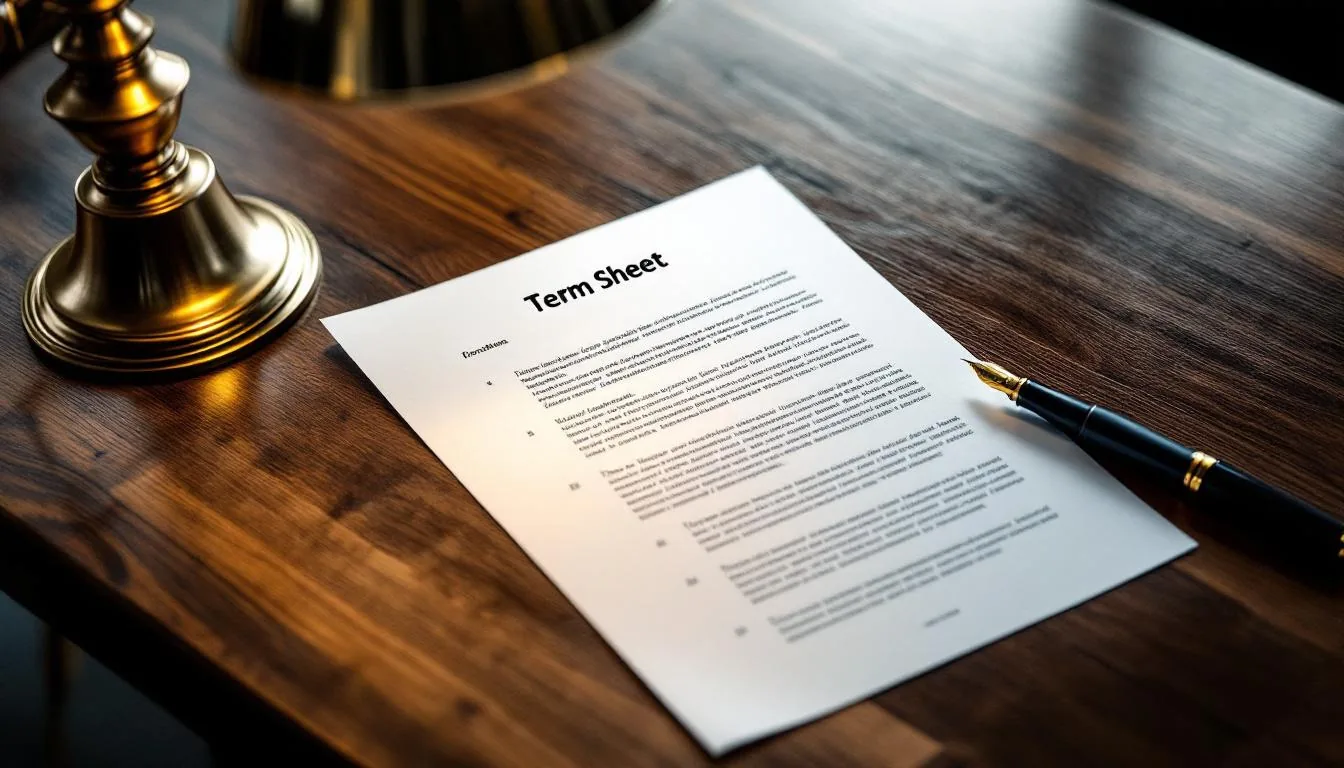
“A term sheet is the deal in outline. It’s where both sides agree, on a page or two, what the deal actually is, before the lawyers spend months turning that outline into a binding contract.”
TL;DR, the 90-second brief
- A term sheet is a document that outlines the key terms of a proposed deal before the definitive agreement is drafted.
- It’s mostly non-binding, it sets out the proposed framework, not a final, enforceable contract.
- A term sheet typically covers price, structure, key conditions, and the major deal terms in summary form.
- In M&A, the term sheet is closely related to the letter of intent (LOI), and often the two terms are used interchangeably.
- A term sheet aligns both sides on the deal’s framework before the time and cost of negotiating the full agreement.
Key Takeaways
- A term sheet outlines the key terms of a proposed deal before the definitive agreement is drafted.
- It is mostly non-binding, it sets out the proposed framework, not an enforceable final contract.
- A term sheet typically covers price, deal structure, key conditions, and major terms in summary.
- Certain provisions, like confidentiality and exclusivity, are often binding even within a non-binding term sheet.
- In M&A, the term sheet and the letter of intent (LOI) are closely related and often used interchangeably.
- A term sheet aligns both sides on the framework before the cost of negotiating the full agreement.
- Getting the key terms right in the term sheet matters, they tend to carry through to the final deal.
Term Sheet Defined
A term sheet is a document that outlines the key terms and conditions of a proposed business transaction. It presents the deal in summary form, the proposed price, the structure, the major terms, laying out the framework that the parties have agreed to pursue.
The defining feature of a term sheet is that it comes before the definitive agreement. It’s not the final, binding contract. It’s the outline that both sides agree on first, so that everyone is aligned on what the deal is before the long, detailed work of negotiating the full agreement begins.
A term sheet is usually short, often just a page or a few pages. It’s meant to capture the essence of the deal clearly and concisely, not to cover every detail. The details come later, in the definitive agreement; the term sheet establishes the framework.
What a Term Sheet Covers
While every term sheet is tailored to its deal, an M&A term sheet typically covers the major terms in summary form:
- Price, the proposed purchase price or valuation
- Deal structure, the proposed form of the transaction (such as asset sale vs stock sale) and the consideration mix
- Key conditions, the major conditions that would need to be satisfied for the deal to proceed
- Due diligence, the contemplated diligence process and timeline
- Exclusivity, whether the seller commits to deal only with this buyer for a period
- Confidentiality, the parties’ confidentiality obligations
- Timeline, the proposed timing toward a definitive agreement and closing
- Other major terms, the significant deal points the parties want established upfront
What’s Binding in a Term Sheet
A crucial point to understand about a term sheet is what is and isn’t legally binding.
A term sheet is mostly non-binding. It outlines the proposed terms of a deal, but it generally does not create a binding, enforceable obligation to actually complete the transaction. On the core deal, the price, the agreement to buy and sell, a term sheet is an outline of intent, not a contract. Either party can typically still walk away.
However, a term sheet is usually not entirely non-binding. Certain specific provisions within it are commonly binding even when the rest is not. The most typical binding provisions are confidentiality (both parties are bound to protect the information shared) and exclusivity (the seller is bound, for a defined period, not to negotiate with other buyers).
This mixed nature is important. When you sign a term sheet, you’re not making a binding commitment to do the deal, but you may be making a binding commitment on confidentiality and, critically, on exclusivity. Understanding which provisions of a term sheet are binding is essential before signing one.
Want a specific read on your business?
CT Acquisitions is an M&A advisory firm working sell side, buy side and exit planning, with 500+ active lower-middle-market buyer relationships. We help founders read, understand, and negotiate term sheets so the framework that gets locked in protects their interests. Book a confidential call.
Term Sheet vs Letter of Intent
In M&A, the term sheet is closely related to, and often used interchangeably with, the letter of intent (LOI). Understanding the relationship helps avoid confusion.
Both a term sheet and a letter of intent serve the same fundamental purpose: outlining the key terms of a proposed deal before the definitive agreement, and establishing the framework the parties have agreed to pursue. Both are mostly non-binding on the deal itself, while typically containing some binding provisions like exclusivity and confidentiality.
The difference is more about form and convention than substance. A ‘letter of intent’ is often formatted as a letter, written in a more narrative style. A ‘term sheet’ is often formatted as a list or summary of terms, a more bullet-point, structured presentation. Some practitioners use one term, some the other, and in many M&A contexts they’re treated as essentially the same document.
The practical takeaway: don’t get hung up on the label. Whether a deal calls its pre-agreement document a ‘term sheet’ or a ‘letter of intent,’ the substance is the same, a mostly-non-binding outline of the key terms, with binding exclusivity and confidentiality, that frames the deal before the definitive agreement. What matters is the content, not the name.
| Feature | Term Sheet | Letter of Intent (LOI) |
|---|---|---|
| Purpose | Outline key terms before the definitive agreement | Same, outline key terms before the definitive agreement |
| Format | Often a list / summary of terms | Often formatted as a letter |
| Binding on the deal | Mostly non-binding | Mostly non-binding |
| Binding provisions | Often confidentiality, exclusivity | Often confidentiality, exclusivity |
| In M&A practice | Frequently used interchangeably with LOI | Frequently used interchangeably with term sheet |
Where the Term Sheet Fits in a Deal
The term sheet sits at a specific, important point in the deal process:
- A buyer and seller engage, and the buyer develops interest in a transaction
- The parties negotiate the key terms of the proposed deal at a high level
- A term sheet is drafted, capturing the agreed framework, price, structure, major terms
- Both parties sign the term sheet, aligning on the deal’s framework
- With the framework set, due diligence proceeds and the definitive agreement is negotiated
- The definitive agreement, the full, binding contract, is drafted, negotiated, and signed
- The deal closes
Why a Term Sheet Matters
A term sheet might seem like a preliminary formality, but it plays a genuinely important role in a deal.
It aligns both sides before the expensive work begins. Negotiating a full definitive agreement takes months and significant legal cost. A term sheet ensures that, before that investment, both parties actually agree on what the deal is. There’s no point spending months drafting a contract if the two sides have fundamentally different ideas about the price or structure.
It frames the deal. The terms agreed in the term sheet become the framework that the definitive agreement is built on. The major points, price, structure, key terms, established in the term sheet typically carry through to the final deal.
This is why the term sheet, despite being mostly non-binding and short, deserves real attention. The terms you agree in the term sheet tend to stick. Negotiating the key terms carefully at the term-sheet stage, when you still have full leverage, before exclusivity and before the deal builds momentum, is far more effective than trying to change them later. A term sheet is preliminary, but it’s not unimportant.
How to Read and Use a Term Sheet Well
Practical guidance for handling a term sheet, especially as a seller:
- Take it seriously, the terms in the term sheet tend to carry through to the final deal
- Negotiate the key terms carefully now, price, structure, major points, while your leverage is highest
- Understand what’s binding, especially exclusivity, which constrains you once signed
- Don’t be lulled by ‘non-binding’, the binding provisions, and the framework-setting effect, are real
- Settle the major points before signing, they’re hard to change after the term sheet locks the framework
- Don’t get distracted by the label, ‘term sheet’ or ‘LOI,’ the substance is what matters
- Use experienced M&A counsel, to review the term sheet and negotiate the binding provisions within it
Conclusion
Frequently Asked Questions
What is a term sheet?
A term sheet is a document that outlines the key terms and conditions of a proposed business transaction, the proposed price, structure, and major terms in summary form. It establishes the framework of the deal before the definitive, binding agreement is drafted.
Is a term sheet binding?
Mostly non-binding. A term sheet outlines the proposed deal but generally doesn’t create a binding obligation to complete the transaction. However, certain provisions within it, typically confidentiality and exclusivity, are often binding even when the rest is not.
What does a term sheet cover?
An M&A term sheet typically covers the proposed price, deal structure (such as asset vs stock sale and the consideration mix), key conditions, the due diligence process, exclusivity, confidentiality, the timeline, and other major deal terms in summary form.
What’s the difference between a term sheet and a letter of intent?
They serve the same purpose, outlining key terms before the definitive agreement, and in M&A are often used interchangeably. The difference is mainly form: a term sheet is often a list of terms, a letter of intent is often formatted as a letter. The substance is essentially the same.
What parts of a term sheet are binding?
While a term sheet is mostly non-binding on the deal itself, certain provisions are commonly binding, most typically confidentiality (protecting shared information) and exclusivity (the seller committing, for a period, not to negotiate with other buyers).
When is a term sheet used in a deal?
The term sheet comes after the parties negotiate the key terms at a high level, and before the definitive agreement. Both parties sign the term sheet to align on the deal’s framework, then due diligence and definitive-agreement negotiation proceed.
Why does a term sheet matter if it’s non-binding?
Because it frames the deal. The terms agreed in the term sheet become the framework the definitive agreement is built on, and the major points tend to carry through to the final deal. It also aligns both sides before the expensive work of negotiating the full contract.
Should I negotiate hard on a term sheet?
Yes. The terms agreed in the term sheet tend to stick, and your leverage is highest at the term-sheet stage, before exclusivity locks in and before the deal builds momentum. Negotiating the key terms carefully now is far more effective than trying to change them later.
Is a term sheet a contract?
Not in the full sense. A term sheet is mostly non-binding on the deal itself, it’s an outline of intent, not the final enforceable contract. The binding contract is the definitive agreement that comes later. But a term sheet often contains some binding provisions, like exclusivity.
Can I walk away after signing a term sheet?
Generally yes, on the core deal, because a term sheet is mostly non-binding, either party can typically still walk away. But you remain bound by any binding provisions, such as confidentiality and an exclusivity commitment, for their stated duration.
How long is a term sheet?
A term sheet is usually short, often a page or a few pages. It’s meant to capture the essence of the deal concisely. The detailed provisions come later in the definitive agreement; the term sheet just establishes the framework.
Do I need a lawyer to review a term sheet?
Yes, experienced M&A counsel should review any term sheet. Even though it’s mostly non-binding, the term sheet sets the framework the whole deal builds on, and contains binding provisions like exclusivity. Getting the key terms right at this stage is important.
Related Guide: What Is an Indication of Interest?,
Related Guide: What Is a Non-Binding Offer?,
Related Guide: What Is an Exclusivity Period?,
Related Guide: How to Respond to a Letter of Intent,
Want a Specific Read on Your Business?
30 minutes, confidential, no contract, no cost. You leave with a read on your local buyer market and a likely valuation range.
30 N Gould St, Ste N, Sheridan, WY 82801, USA · (307) 522-0262 · Contact