
What Is M&A Deal Sourcing?
M&A deal sourcing is the work buyers do to find companies they might acquire, before any valuation, negotiation or diligence can start. Private equity firms, search funds, family offices and strategic acquirers all run some version of it, through intermediaries, direct outreach to owners, referrals and data tools. This guide explains the channels, the tools, and what deal sourcing means for a founder who gets an unsolicited call.
Christoph Totter · Managing Partner, CT Acquisitions
20+ lower middle market M&A transactions · Updated April 27, 2026
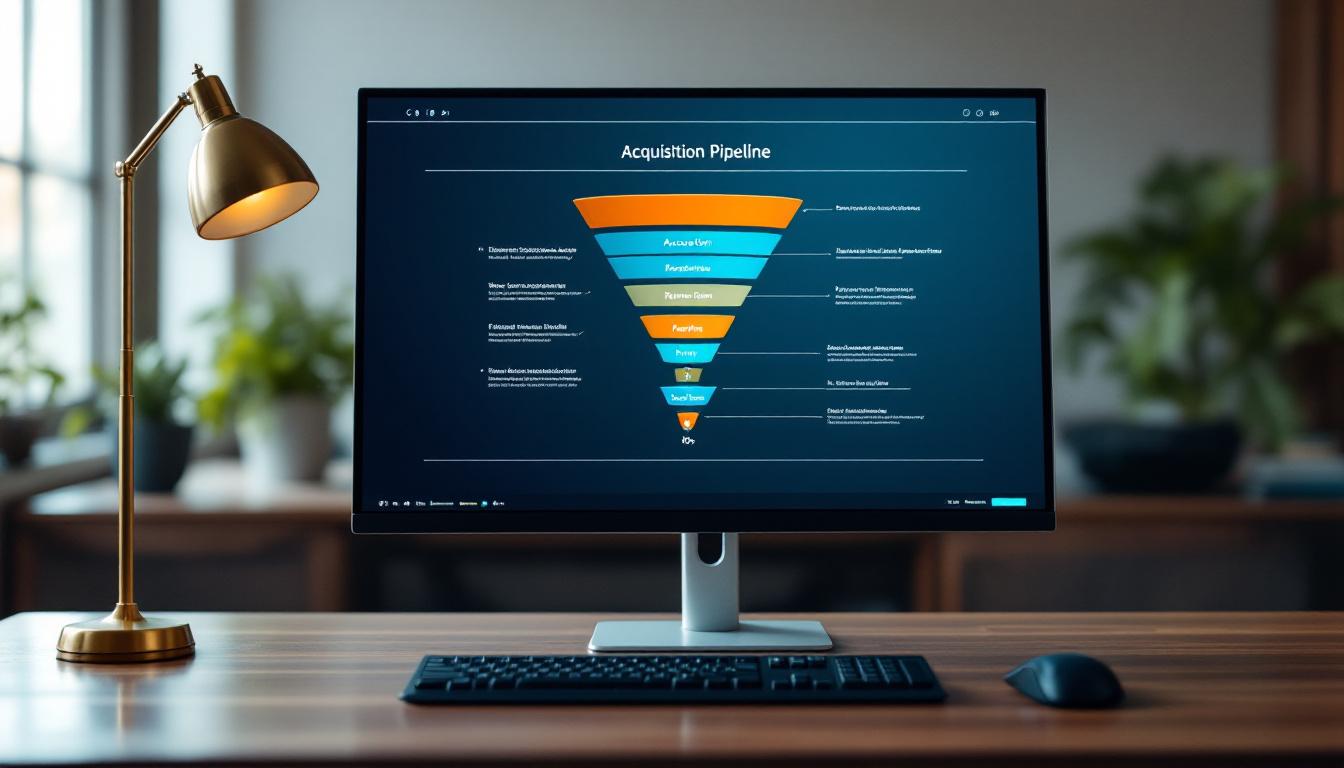
“Deal sourcing is the front of the funnel, and the whole funnel depends on it. The best acquirers win not by outbidding everyone on the same deals, but by finding the deals others never see.”
TL;DR, the 90-second brief
- Deal sourcing is the process by which a buyer finds and originates acquisition opportunities.
- It’s the front end of every acquisition, no deal happens without first being sourced.
- Deal sourcing channels include intermediaries (brokers, investment bankers), direct outreach, networks and referrals, and inbound interest.
- ‘Proprietary’ deal flow, opportunities a buyer finds off-market, before competition, is the most prized.
- For a seller, understanding deal sourcing reveals how buyers find businesses, and why a competitive process matters.
Key Takeaways
- Deal sourcing is the process of finding and originating acquisition opportunities.
- It’s the front end of every acquisition, no deal happens without being sourced first.
- Main channels: intermediaries (brokers, bankers), direct outreach, networks and referrals, inbound interest.
- ‘Proprietary’ deal flow, off-market opportunities found before competition, is the most prized.
- Strong deal sourcing is one of the most important capabilities a buyer can have.
- For sellers, deal sourcing explains how buyers find businesses and why competition matters.
- A seller approached through a buyer’s proprietary sourcing should still run a competitive process.
Deal Sourcing Defined
Deal sourcing, also called deal origination, is how an acquirer finds and develops potential acquisition targets. In M&A it covers deals brought by brokers and investment bankers, proprietary deals found through direct outreach to owners, and referrals from accountants, lawyers and industry contacts. Strong sourcing fills a buyer’s pipeline with companies that fit its criteria.
Buyers who want the four-channel playbook with cost-per-deal economics can see our breakdown of how PE firms source deals in 2026.
Deal sourcing is the process by which a buyer finds, originates, and develops potential acquisition opportunities. It’s how acquirers, private-equity firms, search funds, independent sponsors, strategic buyers, identify the businesses they might buy.
Deal sourcing is the front end of the M&A process. Before any acquisition can be evaluated, negotiated, diligenced, or closed, the opportunity has to be found. Deal sourcing is that finding. It’s the activity that fills a buyer’s pipeline with prospects.
Deal sourcing is sometimes also called deal origination or deal flow generation. Whatever the term, it describes the same thing: the work of identifying acquisition opportunities and getting them into a buyer’s pipeline.
Why Deal Sourcing Is So Important to Buyers
For a buyer, deal sourcing is often the single most important capability, and for good reason.
It’s the front of the funnel, and the whole funnel depends on it. A buyer can be brilliant at diligence, valuation, structuring, and operating businesses, but none of that matters if they can’t find good businesses to buy in the first place. Deal sourcing feeds everything downstream. Weak sourcing starves the entire acquisition effort.
It’s also where competitive advantage is built. Most buyers can evaluate and finance a deal once they find it. What separates the best acquirers is their ability to find better deals, and especially to find deals others aren’t seeing. A buyer who consistently sources strong opportunities has a structural advantage over one who only competes for the deals everyone else is looking at.
And deal sourcing is hard, ongoing work. Good acquisition opportunities don’t simply appear. Sourcing them requires sustained effort, building relationships, doing outreach, maintaining a presence, and working the channels consistently. The buyers with the best deal flow are usually the ones who invest the most in sourcing.
The Main Deal Sourcing Channels
Buyers source deals through several distinct channels, and most serious acquirers use a combination of all of them.
Intermediaries: Brokers and Investment Bankers
Business brokers and M&A advisors represent sellers and bring businesses to market. A large share of deal flow comes through these intermediaries, buyers who maintain strong relationships with brokers and bankers see more opportunities. Intermediated deals are typically competitive, since the intermediary’s job is to run a process.
Direct Outreach
Buyers proactively contact business owners directly, through targeted outreach to companies that fit their acquisition criteria. Direct outreach aims to find businesses before they’re formally on the market, generating proprietary opportunities.
Networks and Referrals
Relationships are a powerful sourcing channel. Accountants, lawyers, wealth advisors, industry contacts, and other deal professionals refer opportunities to buyers they know and trust. A strong network produces a steady stream of referrals.
Inbound Interest
Established, visible buyers attract inbound opportunities, owners and intermediaries approach them directly. A strong reputation and presence generate inbound deal flow over time.
Industry Presence and Research
Buyers focused on a specific industry source deals through deep industry knowledge, knowing the players, attending the events, and identifying targets through research.
Want a specific read on your business?
CT Acquisitions is an M&A advisory firm that works both sides of the table, with 500+ active buyer relationships. If you’ve been approached off-market, we help founders create the competition that protects their value. Book a confidential call.
Become a Vetted Partner & Get Deal FlowM&A Deal Sourcing Tools, Data and Outsourced Firms
Most buyers no longer source deals with a spreadsheet and a phone alone. A modern M&A deal sourcing stack has four layers, and each has well-known providers. The examples below describe what each company says it offers on its own website; they are not endorsements.
| Layer | What it does | Examples |
|---|---|---|
| Private company data | Finds founder-owned companies that match an acquisition thesis by industry, size and location | Grata, SourceScrub, PitchBook |
| Relationship CRM | Tracks owners, intermediaries and referral sources so no conversation is lost | Affinity, DealCloud |
| Deal marketplaces and networks | Connects buyers with intermediaries who are marketing companies | Axial, Intralinks deal network |
| Outsourced origination | Runs owner outreach and screening on a buyer’s behalf | CapTarget, SourceCo |
Tools only fill the top of the funnel. A sourcing program works when the buyer defines a tight buy box, reaches owners with a specific reason to talk, and follows up for months, since many owners are not ready the first time they hear from a buyer. The best acquirers measure their pipeline in stages: companies identified, owners contacted, conversations held, financials received, letters of intent signed and deals closed.
CT Acquisitions works both sides of this process. No fee to you on buy-side introductions; sell-side mandates are paid on success at closing. On the sell side, we run confidential sales for owners, paid on success at closing, so an owner who gets an unsolicited approach can test it against the right group of buyers before agreeing to anything.
Proprietary vs Intermediated Deal Flow
One of the most important distinctions in deal sourcing is between proprietary and intermediated deal flow, and understanding it matters for both buyers and sellers.
| Feature | Proprietary Deal Flow | Intermediated Deal Flow |
|---|---|---|
| Source | Found directly by the buyer, off-market | Brought to market by a broker or banker |
| Competition | Little or none initially | Competitive, a process is run |
| How it’s sourced | Direct outreach, networks, research | Relationships with intermediaries |
| Buyer’s advantage | Can move before competition arrives | Must compete with other buyers |
| Effort to generate | High, requires sustained sourcing work | Lower, relies on intermediary relationships |
| Prized by | Buyers, it’s the most valued deal flow | , |
Why Buyers Prize Proprietary Deal Flow
Proprietary deal flow, opportunities a buyer finds off-market, before a competitive process exists, is the most prized kind of deal flow for buyers. The reason is competition: an off-market opportunity may let a buyer engage, negotiate, and even transact with less competition, potentially at a more favorable price. Intermediated deals, by contrast, are competitive by design. Buyers invest heavily in proprietary sourcing precisely to find deals before everyone else does.
How Buyers Build a Deal Sourcing Engine
Serious acquirers don’t leave deal sourcing to chance, they build a deliberate, ongoing sourcing engine. The components typically include:
- Clear acquisition criteria, defining exactly what businesses the buyer is looking for, so sourcing is focused
- Intermediary relationships, actively maintained relationships with brokers and investment bankers
- A direct outreach program, systematic, targeted contact with owners of businesses that fit the criteria
- A referral network, relationships with accountants, lawyers, advisors, and industry contacts who refer deals
- Industry presence, visibility and knowledge in the buyer’s target industries
- A pipeline and tracking system, a way to manage and follow up on the opportunities being sourced
- Consistency, sourcing as a sustained, ongoing effort, not an occasional one
Deal Sourcing Across Buyer Types
Different types of buyer approach deal sourcing somewhat differently.
Private-equity firms typically run sophisticated sourcing operations, dedicated business-development professionals, broad intermediary relationships, and systematic outreach, because consistent deal flow is essential to deploying their capital.
Search funds are, in a sense, deal-sourcing vehicles, the searcher’s primary job during the search phase is sourcing the one business they’ll acquire. Sourcing is the central activity of a search fund’s early life.
Independent sponsors must source deals to have anything to raise capital for, sourcing is the first step of their deal-by-deal model.
Strategic acquirers source deals through industry knowledge and relationships, often focusing on specific competitors, adjacent companies, or capabilities they want.
What all serious buyers share is the recognition that deal sourcing is foundational, and that the best deal flow goes to the buyers who invest the most in generating it.
What Deal Sourcing Means for a Seller
Deal sourcing is usually discussed from the buyer’s side, but it has real implications for sellers, and understanding it helps an owner make better decisions.
First, it explains how buyers find businesses. If you own a business, buyers are out there sourcing, through intermediaries, direct outreach, networks, and research. You may well be approached directly by a buyer’s proprietary sourcing effort, even if you’ve never put your business on the market.
Second, it reveals why a direct, unsolicited approach should be handled carefully. When a buyer reaches you through their proprietary sourcing, an off-market approach, that buyer is, by design, trying to engage with you before competition exists. From the buyer’s perspective, that’s the point: proprietary deal flow can mean a more favorable price because there’s no competitive process.
That’s the key takeaway for a seller. An off-market approach can be flattering and convenient, but it puts you in exactly the position the buyer wants, negotiating alone, with no competition. Even when you’re approached directly, the way to protect your value is to run a competitive process: bring in other buyers, create competition, and don’t let a single off-market approach become a single-buyer negotiation. Understanding deal sourcing helps a seller see why.
The Connection Between Deal Sourcing and Price
There’s a direct line between deal sourcing and the price a business sells for, and it runs in opposite directions for buyers and sellers.
For buyers, proprietary sourcing is partly about price. Finding a deal off-market, before competition, can mean acquiring a business at a more favorable price than the same business would command in a competitive auction. That’s a core reason buyers invest so heavily in proprietary deal sourcing.
For sellers, the implication is the mirror image. If a buyer’s proprietary sourcing can mean a lower price, then the seller’s protection against that is competition. A business sold through a competitive process, multiple buyers, real bidding, typically commands a higher price than the same business sold quietly to a single off-market acquirer.
This is the practical lesson. Buyers source proprietarily because it can help their price. Sellers should run competitive processes because that helps theirs. An owner who understands deal sourcing understands why an unsolicited off-market approach, however appealing, is rarely the way to maximize value, and why creating competition is.
Frequently Asked Questions
What is deal sourcing?
Deal sourcing is the process by which a buyer finds, originates, and develops potential acquisition opportunities. It’s how acquirers identify the businesses they might buy, the front end of the entire M&A process.
Why is deal sourcing important?
Because it’s the front of the funnel, and the whole funnel depends on it. A buyer can be excellent at diligence, valuation, and operating businesses, but none of that matters without good businesses to buy. Strong sourcing is often a buyer’s single most important capability.
What are the main deal sourcing channels?
Intermediaries (business brokers and investment bankers), direct outreach to business owners, networks and referrals (from accountants, lawyers, advisors, and industry contacts), inbound interest, and industry presence and research.
What is proprietary deal flow?
Proprietary deal flow is acquisition opportunities a buyer finds directly and off-market, before a competitive process exists. It’s the most prized kind of deal flow because it can let a buyer engage and transact with less competition, potentially at a more favorable price.
What’s the difference between proprietary and intermediated deal flow?
Proprietary deal flow is found directly by the buyer, off-market, with little initial competition. Intermediated deal flow is brought to market by a broker or banker and is competitive by design. Buyers prize proprietary flow; intermediated deals involve competing with other buyers.
Why do buyers prize proprietary deal flow?
Because of competition, or the lack of it. An off-market opportunity may let a buyer engage, negotiate, and transact before a competitive process exists, potentially at a more favorable price. Buyers invest heavily in proprietary sourcing to find deals before everyone else.
How do buyers build deal flow?
Through a deliberate sourcing engine: clear acquisition criteria, maintained intermediary relationships, a systematic direct-outreach program, a referral network, industry presence, a pipeline tracking system, and consistency, sustained, ongoing sourcing effort.
Is deal sourcing the same as deal origination?
Yes. Deal sourcing, deal origination, and deal flow generation all describe the same thing, the work of identifying acquisition opportunities and getting them into a buyer’s pipeline.
How does deal sourcing affect a seller?
It explains how buyers find businesses, including yours. You may be approached directly through a buyer’s proprietary sourcing even without putting your business on the market. Understanding this helps a seller handle off-market approaches wisely.
Should I sell to a buyer who approached me off-market?
Be cautious. An off-market approach puts you exactly where the buyer wants you, negotiating alone, with no competition, which can mean a lower price. Even when approached directly, the way to protect your value is to run a competitive process with other buyers.
How is deal sourcing connected to price?
Directly. For buyers, proprietary sourcing can mean acquiring a business at a more favorable price by avoiding competition. For sellers, the mirror image holds: a competitive process typically commands a higher price than a quiet off-market sale to a single buyer.
Do all buyers do deal sourcing?
Yes, every type of acquirer must source deals. Private-equity firms run sophisticated sourcing operations, search funds are essentially deal-sourcing vehicles during their search phase, independent sponsors must source to have deals to fund, and strategic acquirers source through industry knowledge.
What tools do buyers use for M&A deal sourcing?
Buyers typically combine a private company database such as Grata, SourceScrub or PitchBook to find targets, a relationship CRM such as Affinity or DealCloud to track owners and intermediaries, and deal networks such as Axial to see companies that intermediaries are marketing. Some also hire outsourced origination firms to run owner outreach for them.
What is outsourced deal sourcing?
Outsourced deal sourcing means a buyer pays a third party to find and qualify acquisition targets on its behalf. The provider builds target lists, contacts owners, screens for fit and hands over interested sellers. Private equity firms, family offices and search funders use it to add pipeline without hiring a full in-house origination team.
Related Guide: How to Source Business Acquisition Deals,
Related Guide: Deal Flow Guide,
Related Guide: Why Off-Market Deals Often Get Better Prices,
Related Guide: What Is an Indication of Interest?,
Want a Specific Read on Your Business?
30 minutes, confidential. No fee to you on buy-side introductions; sell-side mandates are paid on success at closing. You leave with a read on your local buyer market and a likely valuation range.
A step-by-step of how buy-side sourcing actually runs is on origination for investors guide.
30 N Gould St, Ste N, Sheridan, WY 82801, USA · (307) 522-0262 · Contact