How to Sell an Industrial Piping Business (2026): Multiples, Buyers, & Playbook
Quick Answer

Christoph Totter · Managing Partner, CT Acquisitions
Buy-side M&A across 200+ active capital partners · Industrial services M&A: mechanical, piping, fabrication · Updated June 6, 2026
A US industrial piping business in 2026 typically sells for roughly 5x to 10x EBITDA, varying heavily by industrial vs. commercial mechanical mix, piping specialization (process / power / chemical / pharmaceutical / semiconductor / cryogenic / high-purity), fabrication shop ownership, certifications (ASME B31.1 / B31.3, AWS, NCPWB), and named customer roster. Industrial piping (process / mechanical) is one of the steadier specialty-contractor consolidations because of asset-heavy fabrication economics, industrial maintenance recurring revenue, and continued PE / strategic interest in mechanical-contracting platforms. By profile: a small mechanical / piping contractor ($300k-1M SDE) goes 3x-5x SDE; a profitable mid-size mechanical contractor with industrial mix ($1-4M EBITDA) goes 4x-6x EBITDA; a regional industrial piping contractor with named industrial customers ($4-15M EBITDA) goes 5x-8x EBITDA; a regional process-piping platform with fabrication shop ownership and high-purity / pharmaceutical / semiconductor capability ($15-50M EBITDA) reaches 7x-10x+. Active buyers include EMCOR Group (NYSE: EME, ~$14B+ revenue, the largest US mechanical / electrical contractor with deep industrial-services exposure), Comfort Systems USA (NYSE: FIX, ~$5B+ revenue, large national mechanical platform with industrial / data center exposure), API Group (NYSE: APG, ~$7B+ revenue, large specialty services with mechanical exposure), MasTec (NYSE: MTZ, ~$11B+ revenue, infrastructure construction with mechanical / pipeline exposure), Limbach Holdings (NASDAQ: LMB, ~$500M+ revenue, mechanical-systems consolidator), Centuri Group (formerly Southwest Gas Holdings subsidiary, utility-construction services), DBI / David Brown Industries (PE-backed industrial services), Apache Industrial Services (private, large industrial-services with piping capability), plus PE sponsors (Wynnchurch Capital, Sterling Group, Court Square Capital Partners, Arsenal Capital Partners, Aurora Capital Partners, J.F. Lehman & Company on infrastructure-services, Lindsay Goldberg, MidOcean Partners). The biggest multiple drivers are industrial customer mix (refinery / chemical / pharmaceutical / semiconductor / power / data center cooling-water and chilled-water systems), piping certifications breadth (ASME B31.1 / B31.3, AWS, NCPWB), fabrication shop ownership with named industrial customers, EHS track record (OSHA EMR), and named industrial MSA backlog. Buyer-paid M&A advisory (CT Strategic Partners) costs the seller nothing.
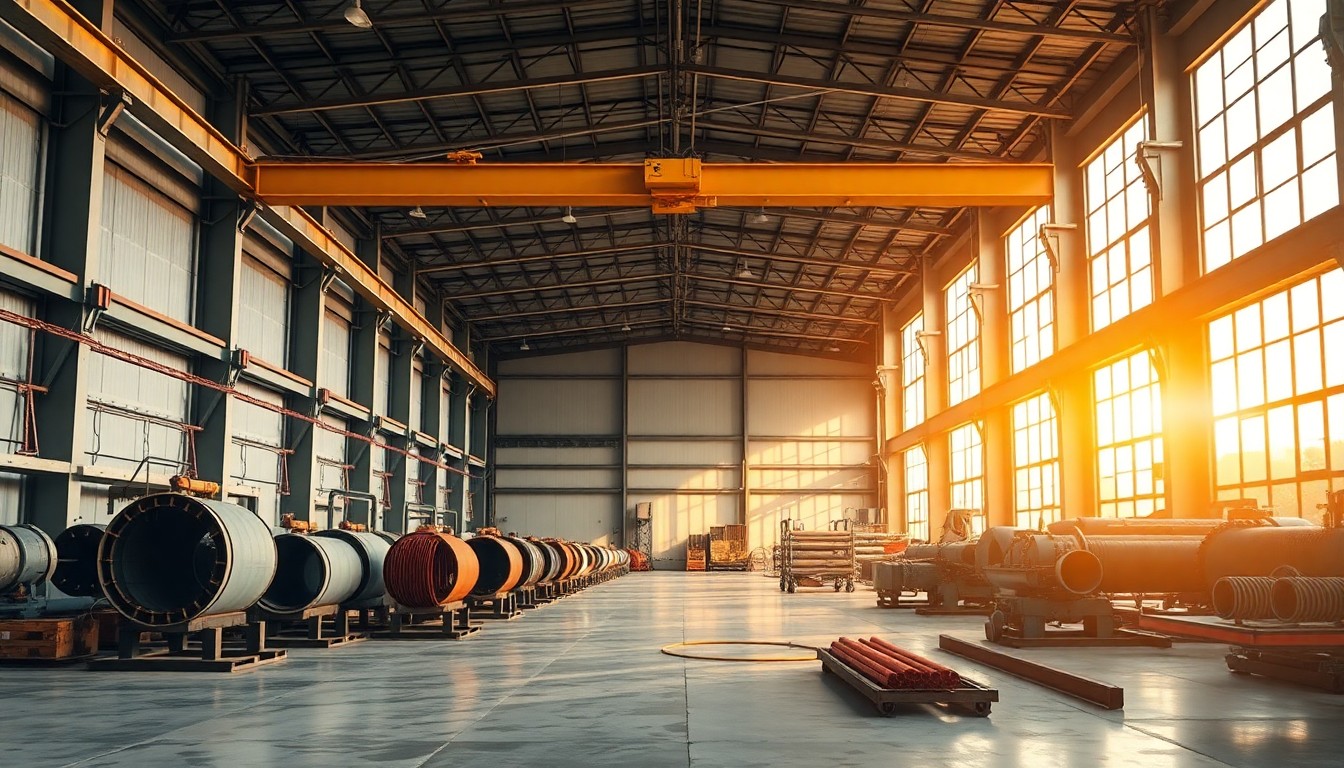
If you own a US industrial piping business in 2026, the M&A market is steady-to-active. EMCOR Group (NYSE: EME, ~$14B+ revenue) is the largest US mechanical / electrical contractor with deep industrial-services exposure. Comfort Systems USA (NYSE: FIX, ~$5B+ revenue) is the largest national pure-play mechanical platform with growing industrial / data center exposure. API Group (NYSE: APG, ~$7B+ revenue), MasTec (NYSE: MTZ, ~$11B+ revenue), and Limbach Holdings (NASDAQ: LMB, ~$500M+ revenue) compete in the public-mechanical-consolidator tier. Apache Industrial Services and DBI / David Brown Industries anchor the PE-backed / dedicated industrial-piping tier.
What the asset is worth depends on three things: (1) industrial customer mix (refinery / chemical / pharmaceutical / semiconductor / power / data center cooling-water and chilled-water systems is the multiple-builder), (2) piping certifications breadth (ASME B31.1 / B31.3, AWS, NCPWB), and (3) fabrication shop ownership plus EHS track record and named industrial MSA backlog. This guide covers real multiples by profile, the named buyers transacting, and the operator-level diligence buyers will run.
What this guide covers
- Industrial piping multiples 2026: 3x-5x SDE for small mechanical / piping contractor, 4x-6x EBITDA for mid-size with industrial mix, 5x-8x EBITDA for regional with named industrial customers, 7x-10x+ for premium regional process-piping platform with fabrication shop ownership and high-purity / pharmaceutical / semiconductor capability.
- Active buyers: EMCOR Group (NYSE: EME, ~$14B+ revenue, largest US mechanical / electrical contractor), Comfort Systems USA (NYSE: FIX, ~$5B+ revenue, large national mechanical platform), API Group (NYSE: APG, ~$7B+ revenue), MasTec (NYSE: MTZ, ~$11B+ revenue), Limbach Holdings (NASDAQ: LMB, ~$500M+ revenue), Centuri Group, DBI / David Brown Industries (PE-backed), Apache Industrial Services (private).
- PE sponsor activity: Wynnchurch Capital, Sterling Group, Court Square Capital Partners, Arsenal Capital Partners, Aurora Capital Partners, J.F. Lehman & Company (infrastructure-services), Lindsay Goldberg, MidOcean Partners, plus multiple mechanical-contracting and industrial-services PE funds.
- Multiple drivers: industrial customer mix (refinery, chemical, pharmaceutical, semiconductor, power, data center cooling-water and chilled-water), piping certifications breadth (ASME B31.1 / B31.3, AWS, NCPWB), fabrication shop ownership with named industrial customers, EHS track record (OSHA EMR), named industrial MSA backlog, high-purity / pharmaceutical / semiconductor capability.
- Things that compress: commercial-construction-only revenue mix, narrow piping certifications, no fabrication shop ownership, weak EHS / elevated EMR, weak customer roster (no named industrial MSAs), owner-operator dependence, single-territory operations.
- Sellers pay nothing on CT Strategic Partners’ buyer-paid advisory.
Named M&A transactions (2021-2025)
CT Acquisitions · 2026 Industrial Piping Signal
What Industrial Piping Buyers Pay Premium For
Across our buy-side conversations with industrial piping acquirers in 2026:
- Specialty certs unlock platform tier. ASME B31 + NBIC + R-stamp + NDE/NDT certifications gate semiconductor / pharma / power-gen end-market access.
- Owned fabrication shop earns separate premium. Operators with owned + certified fab shop trade 1x-2x EBITDA above field-only operators.
- End-market diversification matters as much as scale. Operators with semiconductor / pharma / power-gen exposure trade above pure chemical or mining peers.
Multiple at a Glance · 2026
Industrial Piping Sale Multiples · 2026
By specialization and scale.
Source: CT Acquisitions analysis of industrial piping M&A. EMCOR (EME), Comfort Systems USA (FIX), APi Group (APG) + PE-backed industrial services platforms. Specialty acquirers for semiconductor / pharma piping.
| Target | Buyer | Year | What it tells us |
|---|---|---|---|
| Comfort Systems USA continued industrial / data center expansion | Comfort Systems USA (NYSE: FIX) | 2022-2025 | Large national mechanical platform continues industrial / data center expansion via tuck-ins. |
| EMCOR continued industrial-services expansion | EMCOR Group (NYSE: EME) | 2022-2025 | Largest US mechanical / electrical contractor continues industrial-services tuck-ins. |
| MasTec Clean Energy & Infrastructure segment growth | MasTec (NYSE: MTZ) | 2022-2025 | Infrastructure construction with mechanical / pipeline capability scaled for data center and clean-energy build-out. |
| Limbach Holdings selective tuck-ins | Limbach Holdings (NASDAQ: LMB) | 2022-2025 | Mechanical-systems consolidator continues growing industrial exposure via tuck-ins. |
| Multiple regional industrial-piping tuck-ins | Various PE-backed platforms | 2022-2025 | PE sponsors (Wynnchurch Capital, Sterling Group, Court Square Capital Partners, Arsenal Capital Partners, Aurora Capital Partners, J.F. Lehman & Company, Lindsay Goldberg, MidOcean Partners) continue selective regional consolidation. |
The named buyer landscape
Public mechanical / industrial-services consolidators (the dominant capital)
- EMCOR Group (NYSE: EME, ~$14B+ revenue) — the largest US mechanical / electrical contractor with deep industrial-services exposure.
- Comfort Systems USA (NYSE: FIX, ~$5B+ revenue) — large national mechanical platform with growing industrial / data center exposure.
- API Group (NYSE: APG, ~$7B+ revenue) — large specialty-services with mechanical and life-safety exposure.
- MasTec (NYSE: MTZ, ~$11B+ revenue) — infrastructure construction with mechanical / pipeline exposure.
- Limbach Holdings (NASDAQ: LMB, ~$500M+ revenue) — mechanical-systems consolidator with growing industrial exposure.
PE-backed and private dedicated platforms
- Apache Industrial Services (private) — large industrial-services platform with piping capability.
- DBI / David Brown Industries (PE-backed) — industrial services.
- Centuri Group (formerly Southwest Gas Holdings subsidiary) — utility-construction services.
- Atlantic Plant Maintenance — PE-backed industrial maintenance with piping.
- Brandsafway Industries (Brookfield Asset Management) — scaffolding + access + insulation + coatings, with selective piping integration interest.
PE sponsors active in this space
- Wynnchurch Capital, Sterling Group, Court Square Capital Partners, Arsenal Capital Partners, Aurora Capital Partners, J.F. Lehman & Company (infrastructure-services), Lindsay Goldberg, MidOcean Partners, plus multiple mechanical-contracting and industrial-services PE funds.
What each buyer will pay for vs. what they reject
- Will pay premium for: industrial customer mix (refinery, chemical, pharmaceutical, semiconductor reshoring under CHIPS Act, power, data center cooling-water and chilled-water systems), broad piping certifications (ASME B31.1 power piping, B31.3 process piping, AWS welding, NCPWB National Certified Pipe Welding Bureau), owned fabrication shop with named industrial customers, strong EHS track record (OSHA EMR below 0.9, low recordable incident rate), named industrial MSA backlog (refinery turnarounds, plant maintenance contracts, pharmaceutical fit-out projects, semiconductor CHIPS Act projects, data center mechanical commissioning), high-purity / pharmaceutical / semiconductor capability, modular / pre-fab capability, BIM / VDC integration, multi-state platform scale.
- Will compress or reject: commercial-construction-only revenue mix, narrow piping certifications, no fabrication shop ownership, weak EHS history / elevated EMR, weak customer roster (no named industrial MSAs), owner-operator dependence, single-territory operations, weak workers’-comp posture, weak insurance certificates and bonding capacity.
The operator-level KPI playbook buyers will diligence
Customer and revenue mix
- Industrial customer revenue mix (refinery, chemical, pharmaceutical, semiconductor, power, data center).
- Commercial construction revenue mix.
- Industrial maintenance / turnaround revenue mix.
- MSA backlog with named industrial customers.
- Fabrication shop revenue (vs. field-only).
Piping specialization
- Process piping revenue (ASME B31.3).
- Power piping revenue (ASME B31.1).
- Chemical / petrochemical piping revenue.
- Pharmaceutical / high-purity piping revenue.
- Semiconductor / ultra-high-purity piping revenue.
- Cryogenic / liquid-nitrogen / oxygen piping revenue.
- Data center cooling-water / chilled-water piping revenue.
Certifications
- ASME B31.1 (Power Piping).
- ASME B31.3 (Process Piping).
- AWS welding certifications.
- NCPWB (National Certified Pipe Welding Bureau).
- National Board R-stamp (repair).
- U-stamp / U2-stamp (pressure vessels).
Fabrication shop
- Shop square footage and capacity.
- Owned vs. leased fabrication shop.
- Overhead crane capacity.
- Pipe-spool fabrication capacity.
- Modular / pre-fab capability.
- BIM / VDC integration.
Workforce and EHS
- Welder count and AWS / NCPWB certification status.
- Foreman / superintendent count and tenure.
- OSHA EMR (target below 0.9).
- Recordable incident rate.
- Union vs. open-shop classification.
Dangers and traps
1. Commercial-construction-only revenue mix
Industrial customers (refinery, chemical, pharmaceutical, semiconductor, power, data center) are the multiple-builder.
2. Narrow piping certifications
ASME B31.1 + B31.3 + AWS + NCPWB breadth unlocks industrial customer access.
3. No fabrication shop ownership
Owned shop is a margin and balance-sheet advantage.
4. Weak EHS / elevated OSHA EMR
Above-industry EMR is a hard compressor and an industrial-customer disqualifier.
5. Weak customer roster
Named industrial customer MSA backlog is the credibility floor for premium multiples.
6. Owner-operator dependence
Build the foreman / engineering / sales bench.
7. Single-territory operations
Multi-state platforms achieve premium multiples.
8. No modular / pre-fab capability
Modular / pre-fab and BIM / VDC integration are the new floor for premium industrial work.
Our POV in 2026
Industrial piping M&A is anchored by EMCOR Group (NYSE: EME, ~$14B+ revenue, the largest US mechanical / electrical contractor), Comfort Systems USA (NYSE: FIX, ~$5B+ revenue), API Group (NYSE: APG, ~$7B+ revenue), MasTec (NYSE: MTZ, ~$11B+ revenue), and Limbach Holdings (NASDAQ: LMB). Apache Industrial Services, DBI / David Brown Industries, Centuri Group, and Atlantic Plant Maintenance compete in the PE-backed / dedicated industrial-piping tier. Refinery turnaround capex, pharmaceutical fit-outs, semiconductor reshoring (CHIPS Act, IRA), and data center build-out are sustaining premium industrial demand.
The right time to prepare is 12-18 months before going to market — build industrial customer mix, broaden piping certifications (ASME B31.1 / B31.3, AWS, NCPWB), develop high-purity / pharmaceutical / semiconductor capability, deploy modular / pre-fab and BIM / VDC, and improve EHS posture.
Preparing your business for sale: 12-18 months out
- Get multi-year audited or reviewed financials with WIP schedule.
- Build industrial customer revenue mix (refinery, chemical, pharmaceutical, semiconductor, power, data center).
- Broaden piping certifications (ASME B31.1, ASME B31.3, AWS welding, NCPWB).
- Develop high-purity / pharmaceutical / semiconductor capability.
- Deploy modular / pre-fab capability and BIM / VDC integration.
- Drive OSHA EMR below 0.9; document recordable incident rate.
- Lock in MSAs with named industrial customers.
- Build the foreman / engineering / sales bench.
- Resolve union vs. open-shop classification clarity by region.
- Run a competitive process. EMCOR Group (NYSE: EME), Comfort Systems USA (NYSE: FIX), API Group (NYSE: APG), MasTec (NYSE: MTZ), Limbach Holdings (NASDAQ: LMB), Centuri Group, DBI / David Brown Industries, Apache Industrial Services, plus PE sponsors directly (Wynnchurch Capital, Sterling Group, Court Square Capital Partners, Arsenal Capital Partners, Aurora Capital Partners, J.F. Lehman & Company, Lindsay Goldberg, MidOcean Partners).
About the Author
Christoph Totter is the founder of CT Acquisitions, a buy-side partner headquartered in Sheridan, Wyoming. We work directly with 200+ buyers, search funders, family offices, lower middle-market PE, and strategic consolidators, including direct mandates with the largest home services consolidators that other intermediaries can’t access. The buyers pay us when a deal closes, not the seller. No retainer, no exclusivity, no contract until close. Connect on LinkedIn · Get in touch
Free, No Email Required
Get a personalized valuation in 90 seconds
Answer six quick questions and we’ll give you a sector-adjusted EBITDA multiple range plus the specific factors driving your number up or down. See also: sell your industrial supply business.
The five pillars of how CT Acquisitions works
Buyer pays our fee. Founders never write a check.
No engagement letter. No upfront cost. No exclusivity contract.
Search funders, family offices, lower-middle-market PE, strategics.
Confidential introductions to the right buyers. No bidding war.
Not 9-12 months. Not 18 months. Months, not years.
No Pitch · No Pressure
Ready to start a confidential conversation?
Tell us about your business. We’ll tell you what it’s likely worth, whether we have qualified buyers in our network, and what the next 60-120 days could look like. No engagement letter. No retainer. Walk at any time.
Frequently asked questions
What is the typical multiple for an industrial piping business in 2026?
Small mechanical / piping contractors ($300k-1M SDE) typically sell at 3x-5x SDE. Mid-size mechanical contractors with industrial mix ($1-4M EBITDA) go 4x-6x EBITDA. Regional industrial piping contractors with named industrial customers ($4-15M EBITDA) go 5x-8x EBITDA. Premium regional process-piping platforms with fabrication shop ownership and high-purity / pharmaceutical / semiconductor capability ($15-50M EBITDA) reach 7x-10x+.
Who are the active buyers of industrial piping businesses right now?
Public mechanical / industrial-services consolidators: EMCOR Group (NYSE: EME, ~$14B+ revenue, the largest US mechanical / electrical contractor), Comfort Systems USA (NYSE: FIX, ~$5B+ revenue), API Group (NYSE: APG, ~$7B+ revenue), MasTec (NYSE: MTZ, ~$11B+ revenue), Limbach Holdings (NASDAQ: LMB, ~$500M+ revenue). PE-backed and private dedicated platforms: Apache Industrial Services (private), DBI / David Brown Industries (PE-backed), Centuri Group, Atlantic Plant Maintenance, Brandsafway Industries (Brookfield Asset Management). PE sponsors: Wynnchurch Capital, Sterling Group, Court Square Capital Partners, Arsenal Capital Partners, Aurora Capital Partners, J.F. Lehman & Company, Lindsay Goldberg, MidOcean Partners.
What hurts an industrial piping business’s valuation most?
Commercial-construction-only revenue mix (industrial customers are the multiple-builder), narrow piping certifications (missing ASME B31.1 / B31.3 / AWS / NCPWB), no fabrication shop ownership, weak EHS history with above-industry OSHA EMR (above 0.9), weak customer roster (no named industrial MSAs), owner-operator dependence, single-territory operations, weak workers’-comp posture, weak insurance certificates and bonding capacity.
Why is high-purity / pharmaceutical / semiconductor capability so important?
High-purity piping (electropolished stainless steel, BPE / Bioprocessing Equipment standard, ultra-high-purity for semiconductor fabs under CHIPS Act / IRA) commands premium pricing and is gated by certifications + welder skill + cleanroom fabrication capability. Operators with high-purity / pharmaceutical / semiconductor capability achieve premium multiples vs. process-piping-only competitors because CHIPS Act semiconductor reshoring projects and pharmaceutical fit-out work are sustaining premium demand through 2030.
Do I have to pay a broker fee?
No. CT Strategic Partners runs a buyer-paid M&A advisory model. The seller pays nothing. The buyer pays the success fee at closing.
How long does it take to sell an industrial piping business?
Once you go to market with a buyer-paid advisor, a typical process runs 5-9 months from initial outreach to closing. Add 12-18 months of preparation work before going to market — especially around industrial customer mix, piping certifications breadth, fabrication shop ownership, and EHS metrics.
Should I pursue ASME and NCPWB certifications before selling?
Yes — if you don’t already have ASME B31.1 + B31.3 + AWS + NCPWB. Certification breadth is non-negotiable for industrial customers and a clear multiple-builder. Drive certification breadth during pre-sale preparation.
When should I start preparing if I plan to sell in 2027 or 2028?
12-18 months before going to market is the right window. Highest-leverage pre-sale work: build industrial customer revenue mix, broaden piping certifications (ASME B31.1 / B31.3, AWS, NCPWB), develop high-purity / pharmaceutical / semiconductor capability, deploy modular / pre-fab and BIM / VDC integration, drive OSHA EMR below 0.9, lock in MSAs with named industrial customers.
Related research
- How to sell a scaffolding business
- How to sell a crane and rigging business
- How to sell an oilfield services business
- How to sell a demolition and excavation business
- How to sell an industrial services business
- How to sell a metal fabrication business
- How to sell an HVAC business
- How to sell a plumbing business
- Which industries is PE buying most in 2026
- Private equity value creation
- Business broker alternative