How to Sell a Funeral Home Business (2026): Multiples, Buyers, & Operator Playbook
Quick Answer
Christoph Totter · Managing Partner, CT Acquisitions
M&A advisory across 500+ active capital partners · Specialty services M&A: funeral homes, death care, cemeteries · Updated June 6, 2026
When you sell a funeral home or death-care business in the US in 2026, it typically trades for roughly 4x to 9x EBITDA, varying by call volume, cremation rate vs. burial rate (cremation is now ~60%+ of US dispositions and rising), preneed contract backlog, real estate ownership, multi-location footprint, and cemetery / crematorium integration. Death care is one of the most durable consolidation themes because of demographic tailwinds (aging baby-boomer cohort), preneed backlog economics, real-estate-heavy balance sheets, and continued PE / strategic interest. By profile: a single-location independent funeral home (200-400 calls/year, $200-500k SDE) goes 3x-5x SDE; a profitable diversified single-location funeral home with crematorium (400-800 calls/year, $500k-1.5M SDE) goes 4x-6x SDE / 4x-6x EBITDA; a small multi-location regional ($1.5-5M EBITDA) goes 5x-7x EBITDA; a regional death-care platform with multi-location funeral + cemetery integration ($5-20M EBITDA) goes 6x-8x EBITDA; a premium scale regional / multi-state platform ($20M+ EBITDA, deep preneed backlog, integrated cemetery / crematorium / funeral) reaches 7x-9x+. Active buyers include Service Corporation International (NYSE: SCI, ~$4B+ revenue, ~1,500+ funeral homes and ~470+ cemeteries, the largest US death-care company by far, ~16% US market share), Carriage Services (NYSE: CSV, ~$400M+ revenue, ~170+ funeral homes, ~30+ cemeteries), StoneMor (Axar Capital Management, ~250+ cemeteries and funeral homes), Foundation Partners Group (Access Holdings, ~250+ locations including the Tulip / Solace direct-cremation brand), Park Lawn Corporation (TSX: PLC, ~$300M+ revenue, ~270+ funeral homes and cemeteries, large Canadian + US operator), NorthStar Memorial Group (private), Pinnacle Mortuary Services (PE-backed), plus PE sponsors (Access Holdings on Foundation Partners, Axar Capital Management on StoneMor, Audax Group, MidOcean Partners, Court Square Capital Partners, Sterling Group on industrial-services, Roark Capital, Apax Partners + Goldman Sachs Asset Management). The biggest multiple drivers are call volume, average revenue per call, cremation rate and crematorium ownership, preneed contract backlog ($ value), real estate ownership (vs. leased facilities), cemetery integration, and modern direct-cremation infrastructure (the fastest-growing US death-care segment). No fee to you on buy-side introductions; sell-side mandates are paid on success at closing.

If you own a US funeral home or death-care business in 2026, the M&A market is one of the most durable consolidations. Service Corporation International (NYSE: SCI, ~$4B+ revenue, ~1,500+ funeral homes, ~470+ cemeteries, ~16% US market share) is by far the largest US death-care company. Carriage Services (NYSE: CSV, ~$400M+ revenue, ~170+ funeral homes) is the next-largest public operator. Park Lawn Corporation (TSX: PLC, ~$300M+ revenue, ~270+ locations) is the large Canadian + US operator. StoneMor (Axar Capital Management) and Foundation Partners Group (Access Holdings) anchor the PE-backed platform tier.
What the asset is worth depends on three things: (1) call volume, average revenue per call, and cremation rate vs. burial rate (cremation is now ~60%+ of US dispositions and rising), (2) preneed contract backlog ($ value of prearranged services already paid for), and (3) real estate ownership, cemetery integration, and direct-cremation infrastructure. This guide covers real multiples by profile, the named buyers transacting, and the operator-level diligence buyers will run.
What this guide covers
- Death-care multiples 2026: 3x-5x SDE for single-location independent (200-400 calls/year), 4x-6x SDE / EBITDA for diversified single-location with crematorium (400-800 calls/year), 5x-7x EBITDA for small multi-location regional, 6x-8x EBITDA for regional platforms with funeral + cemetery integration, 7x-9x+ for premium scale regional / multi-state platforms.
- Active buyers: Service Corporation International (NYSE: SCI, ~$4B+ revenue, ~1,500+ funeral homes, ~470+ cemeteries, ~16% US market share, the largest), Carriage Services (NYSE: CSV, ~$400M+ revenue, ~170+ funeral homes), StoneMor (Axar Capital Management, ~250+ cemeteries + funeral homes), Foundation Partners Group (Access Holdings, ~250+ locations including Tulip / Solace direct-cremation brand), Park Lawn Corporation (TSX: PLC, ~$300M+ revenue, ~270+ locations), NorthStar Memorial Group (private), Pinnacle Mortuary Services (PE-backed).
- PE sponsor activity: Access Holdings (Foundation Partners Group), Axar Capital Management (StoneMor), Audax Group, MidOcean Partners, Court Square Capital Partners, Sterling Group, Roark Capital, Apax Partners + Goldman Sachs Asset Management.
- Multiple drivers: call volume, average revenue per call, cremation rate and crematorium ownership, preneed contract backlog ($ value), real estate ownership (vs. leased), cemetery integration, modern direct-cremation infrastructure (the fastest-growing segment), multi-location scale.
- Things that compress: declining call volume, no crematorium ownership in cremation-heavy markets, weak preneed backlog, leased real estate, no cemetery integration, owner-operator dependence, weak digital / online arrangement infrastructure, weak community / faith-community ties.
- No fee to you on buy-side introductions; sell-side mandates are paid on success at closing.
At a glance
To sell a funeral home in 2026, expect roughly 4x to 9x EBITDA, from 3x-5x SDE for a single-location independent to 7x-9x+ for a premium multi-state platform. Start preparing 12-18 months out:
- Get multi-year audited or reviewed financials.
- Build the preneed contract backlog and preneed trust fund balance.
- Secure crematorium ownership in cremation-heavy markets.
- Document real estate ownership and market value.
- Build the licensed funeral director, embalmer and apprentice bench.
- Run a competitive process across strategic buyers (SCI, Carriage Services, Park Lawn) and PE-backed platforms.
Named M&A transactions (2021-2025)
CT Acquisitions · 2026 Death Care Signal
What Funeral Home Buyers Pay Premium For
Across our buy-side conversations with death-care consolidators in 2026:
- Cremation rate trajectory is buyer-modeled. US cremation rate now 60%+ and rising; operators with cremation infrastructure trade above burial-only peers.
- Owned cemetery + crematory unlocks premium tier. Vertically integrated operators command 1x-2x EBITDA premium because of ancillary revenue and capex moat.
- Preneed contract backlog is buyer-discounted. Strong preneed book lifts buyer model; weak conversion + low backlog caps offers.
Multiple at a Glance · 2026
Funeral Home Sale Multiples · 2026
By scale and asset profile.
Source: CT Acquisitions analysis of death-care M&A. Service Corporation International (SCI), StoneMor (Axar), Foundation Partners + regional consolidators.
Related Cluster GuideFor the adjacent senior-services vertical companion on how to sell a medical practice, see our reference.
| Target | Buyer | Year | What it tells us |
|---|---|---|---|
| Service Corporation International continued consolidation | Service Corporation International (NYSE: SCI) | 2022-2025 | Largest US death-care company by far continues selective regional tuck-ins. |
| Carriage Services capital allocation / selective tuck-ins | Carriage Services (NYSE: CSV) | 2022-2025 | Second-largest public US operator continues selective regional tuck-ins. |
| Park Lawn Corporation US growth | Park Lawn Corporation (TSX: PLC) | 2022-2025 | Canadian + US operator continues US expansion via regional tuck-ins. |
| Foundation Partners Tulip / Solace direct-cremation expansion | Access Holdings | 2022-2025 | Foundation Partners Group continues platform growth including direct-cremation brand expansion. |
| Multiple regional death-care tuck-ins | Various PE-backed platforms | 2022-2025 | PE sponsors (Access Holdings, Axar Capital Management, Audax Group, MidOcean Partners, Court Square Capital Partners) continue selective regional consolidation. |
How to sell a funeral home: the buyers and what drives price
To sell a funeral home, you position it in front of the small group of national consolidators and PE-backed platforms that already buy death care businesses, then compete them so the price reflects your call volume, prearranged backlog, and real estate rather than a single lowball offer.
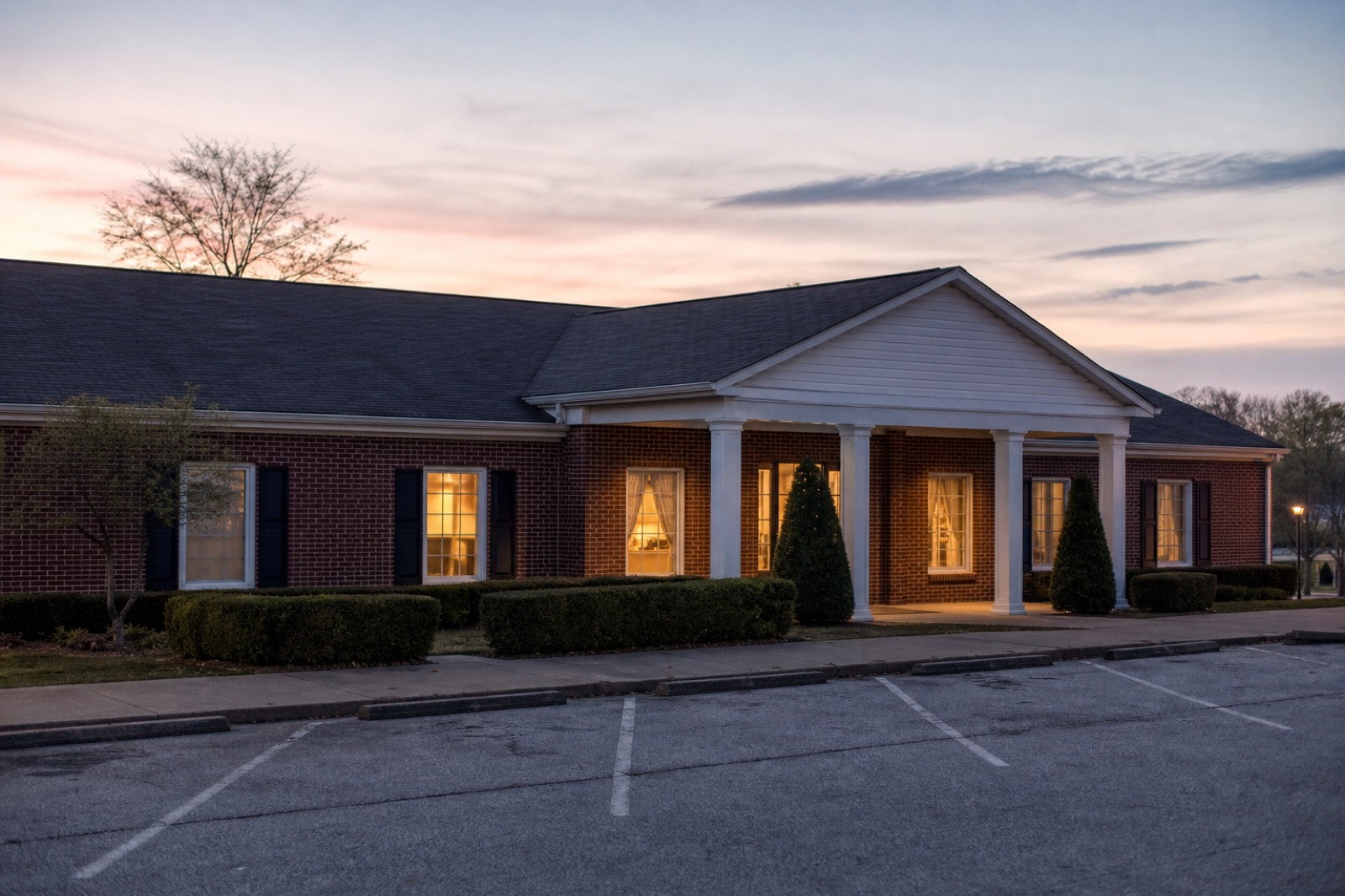
The buyer universe for a funeral home is narrow and well defined, which works in your favor when you run a process. On the public side you have Service Corporation International (NYSE: SCI), Carriage Services (NYSE: CSV), and Park Lawn Corporation (TSX: PLC). On the sponsor-backed side sit Foundation Partners Group (Access Holdings), StoneMor (Axar Capital Management), NorthStar Memorial Group, and Pinnacle Mortuary Services. Access Holdings, Audax Group, MidOcean Partners, Court Square Capital Partners, and Roark Capital are among the sponsors funding tuck-ins in the space. When you sell to just one of these directly, you are negotiating against a professional buyer with no competing bid to discipline the offer.
Price on a funeral home turns on a few concrete things these buyers diligence. Annual call volume and its trend, the size and funding of your prearranged (preneed) backlog, whether you own the real estate and prep facilities, market share in a defined service area, and how much of the value walks out the door if you leave. A single-location operator dependent on the owner’s name will trade materially below a multi-location business with a deep preneed book and owned real estate. Cremation mix and pricing power matter too, since the direct-cremation brands like Tulip and Solace show where the consolidators are placing bets.
The right sequence is to normalize your financials, document call volume and preneed, and approach several of these buyers at once so they bid against each other. That competitive tension, not any single relationship, is what lifts the number. For a full walk-through of the sale process built for funeral home owners, see our sell your funeral home guide.
The named buyer landscape
Public consolidators (the dominant capital)
- Service Corporation International (NYSE: SCI, ~$4B+ revenue, ~1,500+ funeral homes, ~470+ cemeteries, ~16% US market share), by far the largest US death-care company.
- Carriage Services (NYSE: CSV, ~$400M+ revenue, ~170+ funeral homes, ~30+ cemeteries), second-largest public US operator.
- Park Lawn Corporation (TSX: PLC, ~$300M+ revenue, ~270+ funeral homes and cemeteries), large Canadian + US operator with growing US footprint.
PE-backed platforms (the most aggressive consolidators)
- StoneMor (Axar Capital Management, ~250+ cemeteries and funeral homes), cemetery-heavy platform.
- Foundation Partners Group (Access Holdings, ~250+ locations), includes the Tulip / Solace direct-cremation brand.
- NorthStar Memorial Group (private), large regional operator.
- Pinnacle Mortuary Services (PE-backed), growing regional platform.
PE sponsors active in this space
- Access Holdings (Foundation Partners Group), Axar Capital Management (StoneMor), Audax Group, MidOcean Partners, Court Square Capital Partners, Sterling Group, Roark Capital, Apax Partners + Goldman Sachs Asset Management, plus multiple consumer-services and real-estate-heavy PE funds.
What each buyer will pay for vs. what they reject
- Will pay premium for: high call volume (600+ calls per location per year is excellent), strong average revenue per call ($6,000+ traditional / $2,500+ direct-cremation), owned crematorium in cremation-heavy markets, deep preneed contract backlog ($ value of prearranged services already paid for), owned real estate (vs. leased facilities), cemetery integration (funeral + burial in same brand drives 30%+ revenue uplift), modern direct-cremation infrastructure (Tulip / Solace-style brand with online arrangement, transparent pricing, expedited logistics), strong community / faith-community ties, multi-location scale.
- Will compress or reject: declining call volume year-over-year, no crematorium ownership in cremation-heavy markets, weak preneed backlog (under $500k per location), leased real estate, no cemetery integration, owner-operator dependence (single licensed funeral director), weak digital / online arrangement infrastructure, weak community / faith-community ties, deferred maintenance on facilities.
Funeral homes for sale: what listing prices tell sellers and buyers
Most funeral homes that change hands never appear on a public listing. Consolidators and PE-backed platforms buy many of them through direct approaches and advisor-run processes, so the listings you do see skew toward smaller single-location firms. BizBuySell reports a median asking price of $650,000 for established funeral homes on its marketplace, with listings ranging from under $500,000 to well over $1,280,000.
For a seller, that tells you two things. Asking prices on main-street listings sit well below what multi-location operators with owned real estate trade for in a competitive process. And a public listing is a weak way to sell a funeral home with a strong preneed book, because the buyers who pay for that book, the national consolidators and platforms named above, rarely shop listing sites.
For a buyer, a funeral home purchase has steps most business purchases do not. In most states the funeral board licenses the establishment and requires a licensed funeral director in charge, so the buyer needs one on staff or under contract at closing. Preneed contracts and the trust or insurance funds behind them transfer with the business, and state regulators oversee those trust balances, so reconcile every contract to its funding before you sign. Real estate is often bought with the business or leased from the seller, which changes how a lender sizes the loan. The SBA 7(a) program caps loans at $5 million per the SBA, which covers most single-location deals.
Families notice ownership changes. Buyers who keep the funeral home name, the directors families already know, and a stable price list through the first year keep more of the call volume they paid for.
The operator-level KPI playbook buyers will diligence

Call volume and revenue
- Call volume per location (annual).
- Average revenue per call (traditional / cremation / direct-cremation).
- Cremation rate vs. burial rate (US trending ~60%+ cremation).
- Revenue per service product line (casket, urn, embalming, transportation, memorial service).
- Cemetery / merchandise / preneed revenue mix.
Preneed backlog
- Total preneed contract backlog ($ value).
- Preneed contract count.
- Preneed trust fund balance (separate from contract backlog).
- Annual preneed sales velocity.
- Preneed-to-atneed conversion rate.
Facilities and real estate
- Owned vs. leased real estate.
- Property appraisal / market value.
- Facility age and capacity.
- Owned crematorium (yes/no, capacity).
- Cemetery integration (acres, available inventory).
Direct-cremation infrastructure
- Direct-cremation brand or online arrangement platform.
- Online arrangement adoption rate.
- Average revenue per direct-cremation call.
- Direct-cremation as % of total calls.
Workforce and licensure
- Licensed funeral director count and tenure.
- Embalmer count.
- Apprentice count and pipeline.
- Operator / driver count.
Dangers and traps
1. Declining call volume year-over-year
Call volume is the foundational metric; consistent decline is a hard compressor.
2. No crematorium ownership in cremation-heavy markets
Outsourced cremation in 60%+ cremation markets is a margin and control issue.
3. Weak preneed backlog
Preneed backlog is the recurring-revenue equivalent in death care.
4. Leased real estate
Owned real estate is a meaningful balance-sheet and multiple driver.
5. No cemetery integration
Funeral + cemetery integration drives 30%+ revenue uplift.
6. Owner-operator dependence
Single licensed funeral director dependency is a hard diligence issue.
7. Weak digital / online arrangement infrastructure
Direct-cremation segment is fastest-growing; online arrangement is the new floor.
8. Weak community / faith-community ties
Local trust drives call volume; weak ties compress.
Our POV in 2026
Death-care M&A is one of the most durable consolidations, anchored by Service Corporation International (NYSE: SCI, ~$4B+ revenue, ~16% US market share, by far the largest US death-care company), Carriage Services (NYSE: CSV, ~$400M+ revenue), Park Lawn Corporation (TSX: PLC, ~$300M+ revenue), and PE-backed platforms StoneMor (Axar Capital Management), Foundation Partners Group (Access Holdings, includes Tulip / Solace direct-cremation brand), and NorthStar Memorial Group. Demographic tailwinds (aging baby-boomer cohort) and direct-cremation segment growth are sustaining sustained M&A demand.
The right time to prepare is 12-18 months before going to market, build preneed backlog, ensure crematorium ownership in cremation-heavy markets, integrate cemetery operations if available, deploy modern direct-cremation / online arrangement infrastructure, and document real estate ownership.
Preparing your business for sale: 12-18 months out
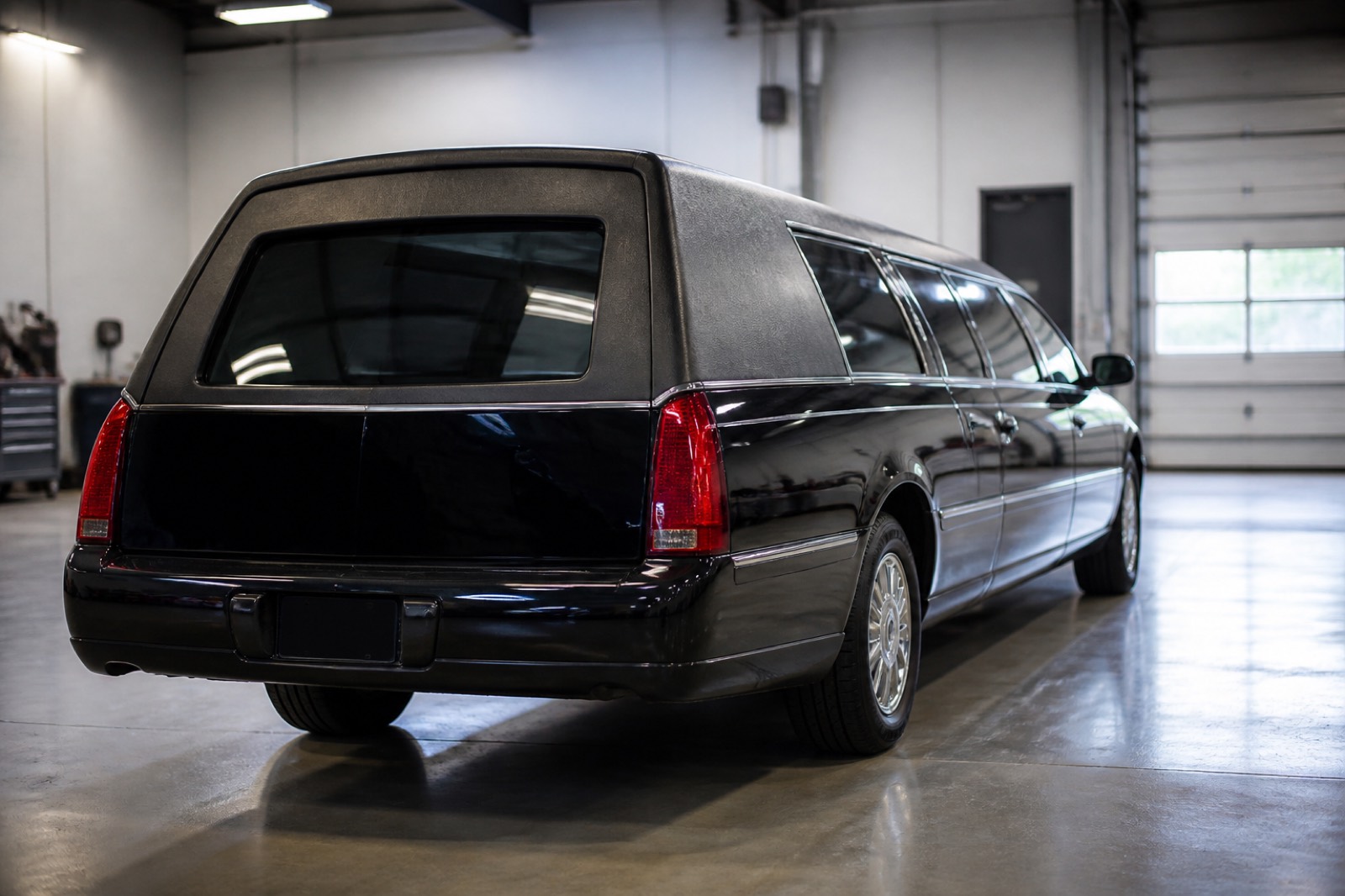
- Get multi-year audited or reviewed financials.
- Build preneed contract backlog and preneed trust fund balance.
- Ensure crematorium ownership in cremation-heavy markets.
- Integrate cemetery operations if available (drives 30%+ revenue uplift).
- Deploy modern direct-cremation / online arrangement infrastructure.
- Document real estate ownership and market value.
- Build the licensed funeral director / embalmer / apprentice bench.
- Document community / faith-community ties and referral sources.
- Improve average revenue per call discipline (traditional + cremation + direct-cremation mix).
- Run a competitive process. Service Corporation International (NYSE: SCI), Carriage Services (NYSE: CSV), Park Lawn Corporation (TSX: PLC), StoneMor (Axar Capital Management), Foundation Partners Group (Access Holdings), NorthStar Memorial Group, Pinnacle Mortuary Services, plus PE sponsors directly (Access Holdings, Axar Capital Management, Audax Group, MidOcean Partners, Court Square Capital Partners, Sterling Group, Roark Capital, Apax Partners + Goldman Sachs Asset Management).
About the Author
Christoph Totter is the founder of CT Acquisitions, an M&A advisory firm working both sides of the table, headquartered in Sheridan, Wyoming. We work directly with 500+ buyers, search funders, family offices, lower middle-market PE, and strategic consolidators, including direct mandates with the largest home services consolidators that other intermediaries can’t access. No fee to you on buy-side introductions; sell-side mandates are paid on success at closing. Connect on LinkedIn · Get in touch
Free, No Email Required
Get a personalized valuation in 90 seconds
Answer six quick questions and we’ll give you a sector-adjusted EBITDA multiple range plus the specific factors driving your number up or down.
Open the Valuation Tool →The five pillars of how CT Acquisitions works
Sell side for owners, buy side for acquirers, plus exit planning.
No fee on buy-side introductions. Sell side paid on success.
Search funders, family offices, lower-middle-market PE, strategics.
Introductions to the right buyers only. No public listing.
You see exactly how we are paid before any work starts.
No Pitch · No Pressure
Ready to start a confidential conversation?
Tell us about your business. We’ll tell you what it’s likely worth, whether we have qualified buyers in our network, and what the next steps could look like. Terms are agreed in writing before any work starts.
Start a Confidential Conversation →Frequently asked questions
Who buys funeral homes when you sell?
The active buyers are national consolidators including Service Corporation International, Carriage Services, and Park Lawn Corporation, plus PE-backed platforms such as Foundation Partners Group (Access Holdings), StoneMor (Axar Capital Management), NorthStar Memorial Group, and Pinnacle Mortuary Services. Approaching several at once is what protects your price.
How do I sell a funeral home?
To sell a funeral home, run a confidential process with the consolidators and PE-backed deathcare platforms actively acquiring in the sector. Funeral homes are valued on call volume, market share, preneed backlog, real estate, and reputation, typically at 4x to 9x EBITDA. Owned real estate and a strong preneed book often add meaningfully to the headline operating multiple.
What is the typical multiple for a funeral home / death-care business in 2026?
Single-location independent funeral homes (200-400 calls/year, $200-500k SDE) typically sell at 3x-5x SDE. Diversified single-location funeral homes with crematorium (400-800 calls/year, $500k-1.5M SDE) go 4x-6x SDE / 4x-6x EBITDA. Small multi-location regionals ($1.5-5M EBITDA) go 5x-7x EBITDA. Regional death-care platforms with multi-location funeral + cemetery integration ($5-20M EBITDA) go 6x-8x EBITDA. Premium scale regional / multi-state platforms with deep preneed backlog and integrated cemetery / crematorium / funeral ($20M+ EBITDA) reach 7x-9x+.
Who are the active buyers of funeral homes / death-care businesses right now?
Public consolidators: Service Corporation International (NYSE: SCI, ~$4B+ revenue, ~1,500+ funeral homes, ~470+ cemeteries, ~16% US market share, by far the largest), Carriage Services (NYSE: CSV, ~$400M+ revenue, ~170+ funeral homes), Park Lawn Corporation (TSX: PLC, ~$300M+ revenue, ~270+ locations). PE-backed platforms: StoneMor (Axar Capital Management, ~250+ cemeteries + funeral homes), Foundation Partners Group (Access Holdings, ~250+ locations, includes Tulip / Solace direct-cremation brand), NorthStar Memorial Group (private), Pinnacle Mortuary Services. PE sponsors: Access Holdings, Axar Capital Management, Audax Group, MidOcean Partners, Court Square Capital Partners, Sterling Group, Roark Capital, Apax Partners + Goldman Sachs Asset Management.
What hurts a funeral home / death-care business’s valuation most?
Declining call volume year-over-year, no crematorium ownership in cremation-heavy markets (US trending ~60%+ cremation), weak preneed contract backlog (under $500k per location), leased real estate (vs. owned), no cemetery integration, owner-operator dependence (single licensed funeral director), weak digital / online arrangement infrastructure (the direct-cremation segment requires it), weak community / faith-community ties, and deferred maintenance on facilities.
Why is preneed backlog so important?
Preneed contracts (prearranged funeral services paid for in advance, with funds held in trust until atneed) are the recurring-revenue equivalent in death care. They lock in future call volume and revenue at today’s prices, hedge demographic risk, and create a moat against competitor encroachment. Operators with deep preneed backlogs ($1M+ per location) achieve premium multiples because the future revenue is contractually committed and the trust funds compound between contract date and atneed.
Do I have to pay a broker fee?
It depends on the mandate. CT Strategic Partners works both sides of the table and is not a business broker. When a buyer from our network approaches you through a buy-side search, you pay no fee; when you hire us to run a sell-side process, we are paid on success at closing, with terms agreed in writing before any work starts.
How long does it take to sell a funeral home / death-care business?
Once you go to market with an M&A advisor, a typical process runs 5-9 months from initial outreach to closing. Add 12-18 months of preparation work before going to market, especially around preneed backlog, real estate documentation, cemetery integration, and direct-cremation infrastructure.
Should I add direct-cremation before selling?
Yes, if you have 12-18 months of runway. Direct cremation is the fastest-growing US death-care segment (cremation is ~60%+ of dispositions and rising). Modern direct-cremation infrastructure (online arrangement, transparent pricing, expedited logistics) protects market share in cremation-heavy markets. If selling within 6 months, focus instead on documenting call volume, preneed backlog, crematorium ownership, and real estate value.
When should I start preparing if I plan to sell in 2027 or 2028?
12-18 months before going to market is the right window. Highest-leverage pre-sale work: build preneed contract backlog and trust fund balance, ensure crematorium ownership in cremation-heavy markets, integrate cemetery operations if available, deploy modern direct-cremation / online arrangement infrastructure, document real estate ownership and market value, build the licensed funeral director / embalmer / apprentice bench.
How profitable is owning a funeral home?
Profit depends mostly on call volume, average revenue per call, and whether you own the real estate and crematory. NFDA’s 2023 General Price List Study put the national median cost of a funeral with viewing and burial at $8,300, and with viewing and cremation at $6,280. A single-location firm doing 200 to 400 calls a year typically earns $200K to $500K of SDE, per the CT Acquisitions death-care analysis on this page.
What happens to preneed contracts when a funeral home is sold?
Preneed contracts stay with the funeral home, so the buyer takes on the duty to perform them at the prices already agreed. The money behind them sits in a state-regulated trust or in insurance policies, not in the operating account. Buyers reconcile every contract to its funding during diligence, and a shortfall between trust balances and the expected cost of service is usually deducted from the price.
Can I sell my funeral home to a family-owned buyer instead of a consolidator?
Yes. Neighboring independent funeral homes and regional family-owned groups buy firms that fit their service area, and some owners prefer them to keep local ownership and the family name. They may pay less than a national consolidator or PE-backed platform and often rely on seller financing or SBA loans. Running both buyer types in one process shows you the real trade-off between price and legacy.
Related research
- How to sell an assisted living business
- How to sell a hospice business
- How to sell a home care business
- How to sell a veterinary practice
- How to sell a dental practice
- How to sell an urgent care business
- How to sell a physical therapy business
- Which industries is PE buying most in 2026
- Private equity value creation
- Business broker alternative