How to Sell an Oilfield Services Business (2026): Multiples, Named Buyers, & Playbook
Quick Answer

Christoph Totter · Managing Partner, CT Acquisitions
Buy-side M&A across 200+ active capital partners · Energy services M&A: oilfield, midstream, energy infrastructure · Updated June 6, 2026
A US oilfield services (OFS) business in 2026 typically sells for roughly 3x to 7x EBITDA, with the multiple varying dramatically by service line, basin exposure (Permian premium vs. depleted basins), customer mix, equipment age, and operating leverage. OFS multiples have compressed materially from the 2014 peak (when many service lines traded at 8-12x EBITDA) due to oil price volatility, ESG/energy-transition pressure, and capital discipline among E&P operators. By profile: a single-basin small OFS company at $1-3M EBITDA goes 3x-5x; a profitable regional OFS operator with diversified service lines ($3-10M EBITDA) goes 4x-6x; a mid-size OFS platform ($10-30M EBITDA, multi-basin) goes 5x-7x; a premium scale OFS platform ($30M+ EBITDA, named E&P customer base in Permian + Eagle Ford + Bakken + Marcellus, modern fleet) reaches 6x-7x+ EBITDA. Active buyers include Halliburton (NYSE: HAL, ~$23B+ revenue, the largest US OFS company), SLB (NYSE: SLB, formerly Schlumberger, ~$35B+ revenue), Baker Hughes (NASDAQ: BKR, ~$26B+ revenue), ChampionX (NASDAQ: CHX, production chemicals + artificial lift), Liberty Energy (NYSE: LBRT, frac), ProPetro Holding (NYSE: PUMP, frac), Patterson-UTI Energy (NASDAQ: PTEN, drilling + completion), Helmerich & Payne (NYSE: HP, drilling), Nine Energy Service (NYSE: NINE), TechnipFMC (NYSE: FTI), Weatherford International (NASDAQ: WFRD), plus PE sponsors (Quantum Capital Partners, EnCap Investments, NGP, ArcLight Capital Partners, Apollo Global Management, KKR, BlackRock). The biggest multiple drivers are basin exposure (Permian + Eagle Ford + Haynesville premium vs. depleted/dry-gas basins), service-line economics (pressure pumping is capital-intensive low-margin; wireline + cementing + completion tools premium), E&P customer concentration and credit quality, modern fleet (especially e-frac fleets), and ESG/methane-reduction positioning. Buyer-paid M&A advisory (CT Strategic Partners) costs the seller nothing.
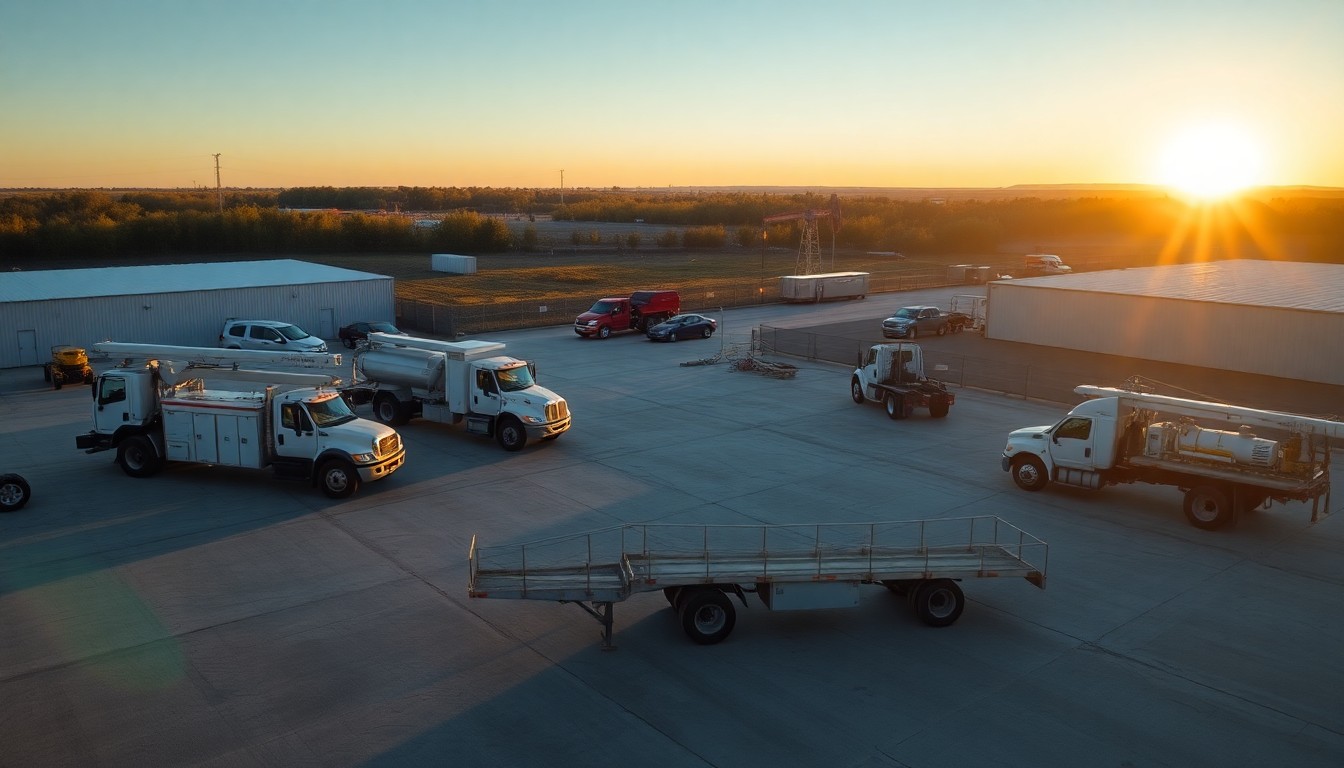
If you own a US oilfield services business in 2026, the M&A market has been through a multi-year compression cycle. Multiples are well below the 2014 peak due to oil price volatility, ESG pressure, and E&P capital discipline. Halliburton (NYSE: HAL, ~$23B+ revenue), SLB (NYSE: SLB, ~$35B+ revenue), and Baker Hughes (NASDAQ: BKR, ~$26B+ revenue) dominate. ChampionX, Liberty Energy (NYSE: LBRT), ProPetro (NYSE: PUMP), Patterson-UTI (NASDAQ: PTEN), Helmerich & Payne (NYSE: HP), Weatherford (NASDAQ: WFRD), and PE-backed regional operators compete.
What the asset is worth depends on three things: (1) basin exposure (Permian + Eagle Ford + Haynesville premium; depleted basins compress), (2) service-line economics (pressure pumping is low-margin capital-intensive vs. wireline + cementing + completion tools), and (3) E&P customer concentration and modern fleet positioning (especially e-frac, ESG/methane-reduction). This guide covers real multiples by profile, the named buyers transacting, and the operator-level diligence buyers will run.
What this guide covers
- OFS multiples 2026: 3x-5x for single-basin small company, 4x-6x for regional diversified, 5x-7x for mid-size multi-basin platform, 6x-7x+ for premium scale with Permian + named E&P customer base. Materially compressed from 2014 peak.
- Active buyers: Halliburton (NYSE: HAL, ~$23B+ revenue), SLB (NYSE: SLB, ~$35B+ revenue), Baker Hughes (NASDAQ: BKR, ~$26B+ revenue), ChampionX (NASDAQ: CHX, production chemicals + artificial lift), Liberty Energy (NYSE: LBRT, frac), ProPetro Holding (NYSE: PUMP, frac), Patterson-UTI Energy (NASDAQ: PTEN, drilling + completion), Helmerich & Payne (NYSE: HP, drilling), Nine Energy Service (NYSE: NINE), TechnipFMC (NYSE: FTI), Weatherford International (NASDAQ: WFRD).
- PE sponsor activity: Quantum Capital Partners, EnCap Investments, NGP Energy Capital Management, ArcLight Capital Partners, Apollo Global Management, KKR, BlackRock Energy & Infrastructure.
- Multiple drivers: basin exposure (Permian + Eagle Ford + Haynesville premium), service-line economics (wireline + cementing + completion tools premium to pressure pumping), E&P customer concentration and credit quality, modern fleet (especially e-frac), ESG/methane-reduction positioning.
- Things that compress: depleted basin exposure, pressure-pumping-heavy revenue mix, weak E&P customer credit, aging diesel fleet, no ESG positioning, single-basin operations, equipment-utilization gaps.
- Sellers pay nothing on CT Strategic Partners’ buyer-paid advisory.
Named M&A transactions (2021-2025)
For 2026 reserves-based NAV + EBITDAX multiples with basin-specific multiples and decline curve / hedge book transfer mechanics, see our reference guide.
CT Acquisitions · 2026 Buyer-Market Signal
What OFS Buyers Underwrite in 2026
Across our buy-side conversations with oilfield services acquirers in 2026:
- Permian premium remains material. Permian-exposed OFS businesses trade at 1x-2x EBITDA premium vs Eagle Ford / Bakken / Mid-Con / Marcellus operators.
- Equipment fleet age and utilization rate drive multiple. Modern fleet under 5 years average age with 70%+ utilization commands platform-tier pricing.
- Specialty service lines (wireline, completions) outperform commodity (frac). Specialty / value-add services trade 2x-3x EBITDA above commodity pumping.
Multiple at a Glance · 2026
Oilfield Services Sale Multiples · 2026
By service line and basin exposure.
Source: CT Acquisitions analysis of oilfield services M&A. Halliburton (HAL), SLB, ChampionX, ProPetro, Patterson-UTI + PE-backed OFS platforms.
Related Cluster GuideAdjacent industrial vertical: see how how to sell a machine shop works in 2026.
| Target | Buyer | Year | What it tells us |
|---|---|---|---|
| Patterson-UTI + NexTier Oilfield Solutions merger | Patterson-UTI Energy (NASDAQ: PTEN) | 2023 | $5.4B all-stock merger; created the second-largest US frac + drilling + completion platform. |
| Halliburton continued operations | Halliburton (NYSE: HAL) | 2022-2025 | Largest US OFS company continues selective M&A and technology investments. |
| ChampionX continued growth | ChampionX (NASDAQ: CHX) | 2022-2025 | Production chemicals + artificial lift specialist continues integration. |
| E-frac fleet build-out across operators | Industry-wide | 2022-2025 | Major OFS operators continue investing in electric pressure pumping fleets for ESG/cost positioning. |
| Permian Basin focus | Most major OFS operators | 2022-2025 | Most major OFS operators have concentrated investment and operations in the Permian Basin. |
| EPA OOOOb/c methane rules finalized | EPA regulatory | 2024 | Final EPA rules on methane emissions from oil and gas operations create new compliance obligations and capital cycle. |
The named buyer landscape
Big Three global OFS giants
- SLB (NYSE: SLB, formerly Schlumberger, ~$35B+ global revenue), the largest global OFS company.
- Baker Hughes (NASDAQ: BKR, ~$26B+ global revenue), integrated OFS + LNG equipment.
- Halliburton (NYSE: HAL, ~$23B+ revenue), the largest US OFS company.
Frac / pressure pumping specialists
- Liberty Energy (NYSE: LBRT, ~$4.5B+ revenue), pure-play pressure pumping + frac.
- ProPetro Holding (NYSE: PUMP, ~$1.5B+ revenue), Permian frac specialist.
- Patterson-UTI Energy (NASDAQ: PTEN, ~$5B+ revenue), drilling + completion services + frac.
- NexTier Oilfield Solutions (now part of Patterson-UTI post 2023 merger).
Drilling specialists
- Helmerich & Payne (NYSE: HP), US land drilling leader.
- Patterson-UTI Energy (NASDAQ: PTEN), drilling + completion.
- Independence Contract Drilling (NYSE: ICD), Precision Drilling (NYSE: PDS), smaller drillers.
Production chemicals + specialty
- ChampionX (NASDAQ: CHX), production chemicals + artificial lift specialist.
- Nine Energy Service (NYSE: NINE), completion tools + cementing.
- TechnipFMC (NYSE: FTI), subsea + surface technology.
- Weatherford International (NASDAQ: WFRD), completion + production solutions.
PE sponsors active in this space
- Quantum Capital Partners, EnCap Investments, NGP Energy Capital Management, ArcLight Capital Partners, Apollo Global Management, KKR, BlackRock Energy & Infrastructure, plus multiple energy-focused PE funds.
What each buyer will pay for vs. what they reject
- Will pay premium for: Permian Basin exposure (60%+ of US OFS deal flow), Eagle Ford + Haynesville secondary premium, modern e-frac fleet (electric pressure pumping reduces diesel emissions), wireline + cementing + completion tools service-line economics, named E&P customer base (Exxon, Chevron, Conoco, EOG Resources, Pioneer, Continental Resources, Devon, Diamondback, Permian Resources, etc.), ESG/methane-reduction positioning, equipment utilization above 70%, multi-basin diversification.
- Will compress or reject: depleted basin exposure (Bakken decline, dry-gas basins), pressure-pumping-heavy revenue mix (capital-intensive low-margin), aging diesel-only fleet, single-basin operations, weak E&P customer credit, equipment utilization below 50%, ESG/methane compliance issues, weak HSE record (Total Recordable Incident Rate above industry average).
The operator-level KPI playbook buyers will diligence
Service-line mix
- Pressure pumping / frac: Capital-intensive, low-margin, but high-revenue.
- Wireline (cased-hole + open-hole logging).
- Cementing.
- Completion tools (frac plugs, packers, etc.).
- Drilling services.
- Production services (rod lift, ESP, gas lift, plunger lift, chemicals).
- Coiled tubing.
- Workover / well intervention.
- Snubbing.
- Pipe and threading services.
Basin exposure
- Permian Basin: The premium US basin; 60%+ of OFS deal flow.
- Eagle Ford, Haynesville: Secondary premium.
- Bakken, DJ Basin, Powder River, Niobrara: Smaller.
- Appalachia (Marcellus + Utica): Dry gas, compressed economics.
- Mid-Continent, Anadarko, SCOOP/STACK: Variable.
- Gulf of Mexico: Specialty deepwater services.
Customer base and credit
- Top-10 E&P customer concentration.
- E&P credit quality (investment-grade majors vs. private E&Ps).
- Multi-year master service agreements (MSAs).
- Day-rate vs. activity-based pricing.
Equipment and utilization
- Fleet count and equipment age.
- E-frac fleet count (premium for electric pressure pumping vs. diesel).
- Utilization rate by equipment class.
- Capex roadmap and equipment replacement cycle.
HSE and compliance
- Total Recordable Incident Rate (TRIR): Industry average ~0.5; below 0.3 is premium.
- OSHA compliance and citation history.
- EPA methane compliance: 2024 OOOOb/c rules.
- State environmental permits.
Dangers and traps
1. Depleted basin exposure
Bakken decline, dry-gas Appalachia, depleted Bakken/Niobrara compress.
2. Pressure-pumping-heavy revenue mix
Frac is capital-intensive low-margin; over-exposure to frac compresses.
3. Aging diesel-only fleet
ESG/methane regulations and customer preferences favor e-frac and lower-emissions equipment.
4. Single-basin operations
Multi-basin diversification is the multiple-builder.
5. Weak E&P customer credit
Private E&P credit concentration is real bankruptcy/collection risk.
6. Equipment utilization below 50%
OFS economics require high equipment utilization.
7. ESG/methane compliance gaps
2024 EPA OOOOb/c methane rules are tightening; non-compliance is real diligence risk.
8. Weak HSE record
TRIR above industry average ~0.5 compresses; major customers require TRIR below 0.3 for premier supplier status.
Our POV in 2026
Oilfield services M&A has been through a multi-year compression cycle. Multiples are materially below the 2014 peak. Halliburton (NYSE: HAL), SLB (NYSE: SLB), and Baker Hughes (NASDAQ: BKR) dominate the global market. ChampionX (NASDAQ: CHX), Liberty Energy (NYSE: LBRT), ProPetro (NYSE: PUMP), Patterson-UTI (NASDAQ: PTEN), Helmerich & Payne (NYSE: HP), and Weatherford (NASDAQ: WFRD) compete in specialty segments. PE sponsors (Quantum, EnCap, NGP, ArcLight, Apollo, KKR, BlackRock) continue selective acquisitions in Permian-anchored platforms.
The right time to prepare is 12-18 months before going to market, build Permian basin exposure, modernize fleet to e-frac where applicable, document ESG/methane compliance, lock in named E&P MSAs.
Preparing your business for sale: 12-18 months out
- Get multi-year audited financials.
- Build Permian Basin exposure if not present.
- Modernize fleet to e-frac where applicable (electric pressure pumping).
- Document ESG/methane compliance (2024 EPA OOOOb/c rules).
- Lock in named E&P MSAs with investment-grade customers (Exxon, Chevron, ConocoPhillips, EOG Resources, Pioneer, Continental Resources).
- Document equipment utilization and capex roadmap.
- Improve HSE record (TRIR below 0.3).
- Build the operations bench.
- Run a competitive process. Halliburton (NYSE: HAL), SLB (NYSE: SLB), Baker Hughes (NASDAQ: BKR), ChampionX (NASDAQ: CHX), Liberty Energy (NYSE: LBRT), ProPetro Holding (NYSE: PUMP), Patterson-UTI Energy (NASDAQ: PTEN), Helmerich & Payne (NYSE: HP), Nine Energy Service (NYSE: NINE), Weatherford International (NASDAQ: WFRD), plus PE sponsors (Quantum Capital Partners, EnCap Investments, NGP Energy Capital Management, ArcLight Capital Partners, Apollo Global Management, KKR, BlackRock Energy & Infrastructure).
About the Author
Christoph Totter is the founder of CT Acquisitions, a buy-side partner headquartered in Sheridan, Wyoming. We work directly with 200+ buyers, search funders, family offices, lower middle-market PE, and strategic consolidators, including direct mandates with the largest home services consolidators that other intermediaries can’t access. The buyers pay us when a deal closes, not the seller. No retainer, no exclusivity, no contract until close. Connect on LinkedIn · Get in touch
Free, No Email Required
Get a personalized valuation in 90 seconds
Answer six quick questions and we’ll give you a sector-adjusted EBITDA multiple range plus the specific factors driving your number up or down.
The five pillars of how CT Acquisitions works
Buyer pays our fee. Founders never write a check.
No engagement letter. No upfront cost. No exclusivity contract.
Search funders, family offices, lower-middle-market PE, strategics.
Confidential introductions to the right buyers. No bidding war.
Not 9-12 months. Not 18 months. Months, not years.
No Pitch · No Pressure
Ready to start a confidential conversation?
Tell us about your business. We’ll tell you what it’s likely worth, whether we have qualified buyers in our network, and what the next 60-120 days could look like. No engagement letter. No retainer. Walk at any time.
Frequently asked questions
What is the typical multiple for an oilfield services business in 2026?
Single-basin small OFS companies ($1-3M EBITDA) typically sell at 3x-5x EBITDA. Regional OFS operators with diversified service lines ($3-10M EBITDA) go 4x-6x. Mid-size multi-basin OFS platforms ($10-30M EBITDA) go 5x-7x. Premium scale platforms ($30M+ EBITDA, named E&P customer base in Permian + Eagle Ford + Bakken + Marcellus, modern fleet) reach 6x-7x+. These multiples are materially compressed from the 2014 peak (when many service lines traded at 8-12x EBITDA) due to oil price volatility, ESG pressure, and E&P capital discipline.
Who are the active buyers of oilfield services businesses right now?
Big Three global OFS: SLB (NYSE: SLB, formerly Schlumberger, ~$35B+ global revenue), Baker Hughes (NASDAQ: BKR, ~$26B+), Halliburton (NYSE: HAL, ~$23B+, largest US OFS company). Frac specialists: Liberty Energy (NYSE: LBRT, ~$4.5B+), ProPetro Holding (NYSE: PUMP, ~$1.5B+ Permian focus), Patterson-UTI Energy (NASDAQ: PTEN, ~$5B+ drilling + completion + frac post NexTier 2023 merger). Drilling: Helmerich & Payne (NYSE: HP). Specialty: ChampionX (NASDAQ: CHX, production chemicals + artificial lift), Nine Energy Service (NYSE: NINE), TechnipFMC (NYSE: FTI), Weatherford International (NASDAQ: WFRD). PE sponsors: Quantum Capital Partners, EnCap Investments, NGP Energy Capital Management, ArcLight Capital Partners, Apollo Global Management, KKR, BlackRock Energy & Infrastructure.
What hurts an oilfield services business’s valuation most?
Depleted basin exposure (Bakken decline, dry-gas Appalachia), pressure-pumping-heavy revenue mix (capital-intensive low-margin), aging diesel-only fleet (ESG/methane regulations and customer preferences favor e-frac), single-basin operations, weak E&P customer credit quality (private E&P bankruptcy risk), equipment utilization below 50%, ESG/methane compliance gaps (2024 EPA OOOOb/c rules), and weak HSE record (TRIR above industry average ~0.5).
Why is Permian Basin exposure so important?
The Permian Basin generates 60%+ of US OFS deal flow because of high rig count, attractive well economics, named investment-grade E&P customer concentration (Exxon, Chevron, ConocoPhillips, EOG Resources, Pioneer, Continental Resources, Devon, Diamondback, Permian Resources), and ongoing capital investment. OFS operators with material Permian exposure achieve premium multiples; non-Permian-only operators compress materially. Eagle Ford and Haynesville are secondary premium basins.
What is e-frac and why does it matter?
E-frac (electric pressure pumping) replaces diesel-engine pressure pumping with electric motors typically powered by natural gas turbines or grid electricity. E-frac reduces diesel emissions, lowers fuel costs, and aligns with ESG/methane-reduction targets. Major E&P customers increasingly favor e-frac fleets for premium positioning. OFS operators with modern e-frac fleets achieve premium multiples vs. legacy diesel-only fleets. Liberty Energy, ProPetro, and Halliburton have invested heavily in e-frac capacity.
Do I have to pay a broker fee?
No. CT Strategic Partners runs a buyer-paid M&A advisory model. The seller pays nothing. The buyer pays the success fee at closing. See also: sell your industrial services business.
How long does it take to sell an oilfield services business?
Once you go to market with a buyer-paid advisor, a typical process runs 5-9 months from initial outreach to closing. Equipment diligence and customer concentration analysis extend timing. Add 12-18 months of preparation work before going to market.
When should I start preparing if I plan to sell in 2027 or 2028?
12-18 months before going to market is the right window. Highest-leverage work: build Permian Basin exposure, modernize fleet to e-frac where applicable, document ESG/methane compliance (2024 EPA OOOOb/c rules), lock in named E&P MSAs with investment-grade customers, improve HSE record (TRIR below 0.3).
Related research
- How to sell a fuel distribution business
- How to sell a propane distribution business
- How to sell an industrial services business
- How to sell an environmental services company
- How to sell a trucking company
- How to sell an EV charging business
- Which industries is PE buying most in 2026
- Private equity value creation
- Business broker alternative
- Sell your business (overview)