How to Sell a Fuel Distribution Business (2026): 5x-9x EBITDA & Buyers
Quick Answer

Christoph Totter · Managing Partner, CT Acquisitions
Buy-side M&A across 200+ active capital partners · Fuel distribution M&A: World Kinect / Mansfield / Pilot buyer pool · Updated June 7, 2026
Fuel Distribution Business Model in 2026: A US wholesale fuel distribution business in 2026 typically sells for roughly 5x to 9x EBITDA. Fuel distribution is a margin-on-volume business with low absolute margins (typically 5-15 cents per gallon) but durable customer relationships in commercial, industrial, and fleet markets. By profile: a single-terminal regional fuel distributor ($1-3M EBITDA) goes 4x-6x; a multi-terminal regional operator ($3-10M EBITDA) goes 5x-7x; a mid-size fuel distribution platform ($10-30M EBITDA, multi-state, diversified customer mix) goes 6x-8x; a premium scale platform ($30M+ EBITDA, multi-state, named commercial/fleet customers, marine/aviation specialty) reaches 7x-9x+ EBITDA. Active buyers include World Kinect Corporation (NYSE: INT, formerly World Fuel Services, ~$45B+ revenue, the largest US fuel distribution platform), Mansfield Energy (private, multi-state fleet fueling specialist), Sun Coast Resources (private, Texas/Gulf Coast), PAPCO Inc. (private), Pilot Company / Pilot Flying J (Berkshire Hathaway subsidiary, $20B+ travel center + wholesale fuel), Boyett Petroleum, plus PE-backed regional roll-ups (Sumitomo Corporation of Americas, Apollo Global Management, ArcLight Capital Partners). The biggest multiple drivers are customer-base diversification (commercial, industrial, fleet, marine, aviation), name-brand supply agreements (BP, Chevron, ExxonMobil, Marathon, Phillips 66, Shell), bulk plant ownership, route density, and biofuel/renewable diesel positioning. Buyer-paid M&A advisory (CT Strategic Partners) costs the seller nothing.
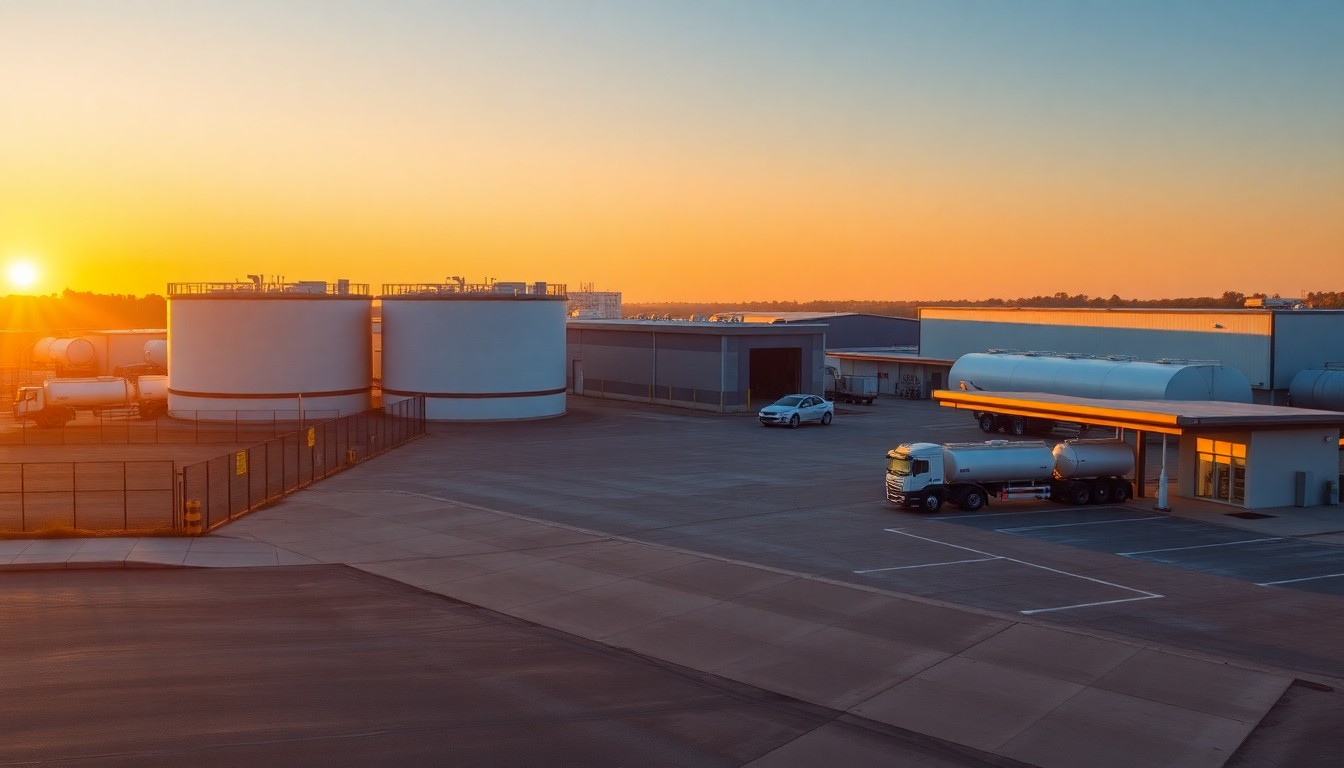
If you own a US wholesale fuel distribution business in 2026, the M&A market is consolidated. World Kinect Corporation (NYSE: INT, formerly World Fuel Services, $45B+ revenue) is the largest US fuel distribution platform. Mansfield Energy is the largest dedicated commercial fleet fueling specialist. Sun Coast Resources, PAPCO, Boyett Petroleum, and regional fuel distributors compete. Pilot Company / Pilot Flying J (Berkshire Hathaway subsidiary) operates the largest US travel center network with wholesale fuel exposure.
What the asset is worth depends on three things: (1) customer-base diversification across commercial, industrial, fleet, marine, and aviation, (2) name-brand supplier agreements (BP, Chevron, ExxonMobil, Marathon, Phillips 66, Shell), and (3) bulk plant ownership plus route density. This guide covers real multiples by profile, the named buyers transacting, and the operator-level diligence buyers will run.
What this guide covers
- Fuel distribution multiples 2026: 4x-6x EBITDA for single-terminal regional, 5x-7x for multi-terminal regional, 6x-8x for mid-size multi-state, 7x-9x+ for premium scale with marine/aviation/specialty exposure.
- Active buyers: World Kinect Corporation (NYSE: INT, formerly World Fuel Services, ~$45B+ revenue, largest US fuel distribution platform), Mansfield Energy (private, fleet fueling specialist), Sun Coast Resources, PAPCO Inc., Pilot Company / Pilot Flying J (Berkshire Hathaway subsidiary), Boyett Petroleum.
- PE sponsor activity: Sumitomo Corporation of Americas, Apollo Global Management, ArcLight Capital Partners, plus multiple energy-distribution PE funds.
- Multiple drivers: customer-base diversification, name-brand supplier agreements (BP, Chevron, ExxonMobil, Marathon, Phillips 66, Shell), bulk plant ownership, route density, marine/aviation specialty exposure, biofuel/renewable diesel positioning.
- Things that compress the multiple: single-customer concentration, single-supplier concentration, weak bulk plant footprint, environmental liability on legacy bulk plants, weak DOT/PHMSA compliance, owner-operator dependence.
- Sellers pay nothing on CT Strategic Partners’ buyer-paid advisory.
Named M&A transactions (2021-2025)
CT Acquisitions · 2026 Fuel Distribution Signal
What Fuel Distribution Buyers Pay Premium For
Across our buy-side conversations with fuel distribution acquirers in 2026:
- Customer concentration above 25% triggers earnout. Diversified commercial / industrial / municipal / agricultural mix commands top-of-range pricing; single-customer dependency caps multiples.
- Commodity pass-through capability is buyer-priced. Operators with automated commodity-cost pass-through in customer agreements trade above operators absorbing diesel / gasoline price volatility.
- Route density drives crew utilization. Gallons per route, stops per route, and recurring delivery account % are the buyer-priced operational metrics. Thin density caps multiples regardless of headline scale.
Multiple at a Glance · 2026
Fuel Distribution Sale Multiples · 2026
By scale and customer diversification.
Source: CT Acquisitions analysis. World Kinect (NYSE: WKC), Mansfield Energy, Pilot Company + PE-backed energy distribution platforms.
For 2026 how to sell a food service distribution business with 6x-11x EBITDA multiples and named buyers (Sysco, US Foods, PFG, Gordon), see our reference guide.
For 2026 wholesale multiples by category with 0.3x-0.8x revenue or 4x-8x EBITDA ranges and inventory-turn / margin math, see our reference guide.
For 2026 industrial distribution multiples by specialty and PE consolidator data, see our distribution EBITDA multiples guide.
For 2026 MRO multiples and named PE consolidator buyers, see our how to sell an industrial supply distributor guide.
| Target | Buyer | Year | What it tells us |
|---|---|---|---|
| World Fuel Services rebrand to World Kinect | NYSE: INT | 2023 | Strategic rebrand reflecting energy transition positioning; continues fuel distribution scale. |
| Multiple Mansfield Energy regional tuck-ins | Mansfield Energy (private) | 2022-2025 | Largest US commercial fleet fueling specialist continues regional consolidation. |
| Sun Coast Resources growth | Sun Coast Resources (private) | 2022-2025 | Texas/Gulf Coast fuel distributor continues regional rollups. |
| Pilot Company continued travel center expansion | Berkshire Hathaway / Pilot Company | 2022-2025 | Berkshire-owned largest US travel center network continues network growth. |
| Regional fuel distribution roll-ups | PE-backed (Sumitomo, Apollo, ArcLight) | 2022-2025 | PE sponsors continue regional fuel distribution platform building. |
How to sell diesel: the fuel distribution M&A and acquisitions map
To sell diesel, you sell the fuel distribution business that moves it: the customer contracts, the terminal and rack access, the delivery fleet, and the recurring gallons. Buyers do not purchase diesel by the load. They acquire the distributor that supplies it, and the named acquirers below are the ones writing checks right now.
The question “how to sell diesel” almost always means selling a wholesale or branded diesel distribution operation, not a single tanker load. Your buyer pool starts with strategic consolidators. World Kinect Corporation (NYSE: INT), Pilot Company under Berkshire Hathaway, Mansfield Energy, and Sun Coast Resources are the platforms most active in diesel and fuel distribution M&A, and each has run regional tuck-ins and roll-ups across 2022 to 2025. Below those sit private-equity sponsors including Apollo Global Management, ArcLight Capital Partners, and Sumitomo Corporation of Americas, who back the buy-and-build vehicles doing the rolling up.
What decides which of these acquirers engages, and at what price, is the shape of your gallons. Larger multi-terminal distributors with recurring commercial and fleet-fueling contracts command materially higher multiples than single-location resellers with spot volume, because the strategic buyer is paying for locked-in demand and rack position, not for a one-time fuel sale. Contract tenure, DEF and lubricant attach, and route density are the levers that pull you up the range.
Which recently-acquired diesel distributors set your comp depends on your terminal footprint and customer mix. A regional single-terminal operator is priced against Mansfield and Sun Coast tuck-ins; a multi-state platform is priced against World Kinect and PE-sponsored roll-ups. We map your business to the right buyer tier before we take it to market. For a diesel or fuel distribution seller mandate, start at our sell your fuel distribution business page.
The named buyer landscape
National public/strategic fuel distributors
- World Kinect Corporation (NYSE: INT, formerly World Fuel Services, ~$45B+ revenue), the largest US fuel distribution platform.
- Pilot Company / Pilot Flying J (Berkshire Hathaway subsidiary, ~$20B+ revenue), largest US travel center network with wholesale fuel.
Major private fuel distributors
- Mansfield Energy (private), commercial fleet fueling specialist.
- Sun Coast Resources (private), Texas/Gulf Coast.
- PAPCO Inc. (private), Mid-Atlantic.
- Boyett Petroleum (private), The Petroleum Group, multiple regional operators.
PE sponsors active in this space
- Sumitomo Corporation of Americas, Apollo Global Management, ArcLight Capital Partners, plus multiple energy-distribution PE funds.
The operator-level KPI playbook buyers will diligence
Customer base and end-market mix
- End-market mix: Commercial fleet %, industrial %, marine %, aviation %, agricultural %, government/municipal %.
- Customer concentration: Top-10 and top-1.
- Customer-base tenure.
- Multi-year fleet fueling contracts.
Supply and brand
- Name-brand supplier agreements: BP, Chevron, ExxonMobil, Marathon Petroleum, Phillips 66, Shell, Sunoco, Valero.
- Single-supplier concentration.
- Branded vs. unbranded supply mix.
Operations and infrastructure
- Bulk plant count, capacity, ownership.
- Truck count and fleet age.
- Cardlock / commercial fueling station count.
- Marine fueling capacity (barge, dockside).
- Aviation fueling capacity (jet-A FBO contracts).
Regulatory and compliance
- DOT / PHMSA hazmat compliance for fuel transportation.
- EPA UST (Underground Storage Tank) compliance.
- State weights-and-measures.
- RFS / RINs / LCFS biofuel compliance.
Dangers and traps
1. Single-customer or single-supplier concentration
Above 20% concentration on either side creates real risk.
2. Legacy bulk plant environmental liability
USTs, soil/groundwater contamination history are real diligence concerns; Phase I/II environmental assessments mandatory.
3. Weak biofuel/renewable diesel positioning
California LCFS, federal RFS, and renewable diesel adoption are reshaping the fuel distribution landscape.
4. DOT / PHMSA compliance gaps
Hazmat transportation compliance is non-negotiable.
5. Commodity / margin volatility
Fuel distribution is margin-on-volume; document margin trends and hedging.
6. EV transition impact on commercial fleet
Commercial EV fleet transition reduces diesel/gasoline demand long-term in certain end-markets.
7. Marine/aviation specialty regulation
Marine bunkering and aviation jet-A have specialty regulatory requirements.
8. Owner-operator dependence
Build the operations bench.
Our POV in 2026
Fuel distribution is dominated by World Kinect (NYSE: INT) at scale, with Mansfield Energy specialized in fleet fueling, and major regional operators (Sun Coast Resources, PAPCO, Boyett, etc.). Premium multiples require customer-base diversification, marine/aviation specialty exposure, and biofuel/renewable diesel positioning. PE-backed roll-ups continue regional consolidation.
The right time to prepare is 12-18 months before going to market, diversify customer base, lock in supply agreements, resolve environmental compliance, develop biofuel positioning. Route-based business buyers should also see our walkthrough on how to buy a vending machine route.
Preparing your business for sale: 12-18 months out
- Get multi-year audited financials.
- Diversify customer-base and end-market mix.
- Lock in name-brand supply agreements.
- Conduct Phase I/II environmental assessments on bulk plants and resolve issues.
- Confirm DOT/PHMSA, EPA UST, weights-and-measures compliance.
- Develop RFS/RINs/LCFS biofuel position.
- Document marine/aviation specialty if applicable.
- Build the operations bench.
- Run a competitive process. World Kinect Corporation (NYSE: INT), Pilot Company (Berkshire Hathaway), Mansfield Energy, Sun Coast Resources, PAPCO Inc., Boyett Petroleum, plus PE sponsors (Sumitomo Corporation of Americas, Apollo Global Management, ArcLight Capital Partners).
Free, No Email Required
Get a personalized valuation in 90 seconds
Answer six quick questions and we’ll give you a sector-adjusted EBITDA multiple range plus the specific factors driving your number up or down. For the fuel-station and convenience-store sector, our guide on how to buy a gas station covers underground tank and franchise considerations.
The five pillars of how CT Acquisitions works
Buyer pays our fee. Founders never write a check.
No engagement letter. No upfront cost. No exclusivity contract.
Search funders, family offices, lower-middle-market PE, strategics.
Confidential introductions to the right buyers. No bidding war.
Not 9-12 months. Not 18 months. Months, not years.
No Pitch · No Pressure
Ready to start a confidential conversation?
Tell us about your business. We’ll tell you what it’s likely worth, whether we have qualified buyers in our network, and what the next 60-120 days could look like. No engagement letter. No retainer. Walk at any time. Route-density economics are covered in detail in how to buy a route-based business.
Frequently asked questions
How do I sell diesel to the biggest buyers?
You sell the distribution business, not the fuel. Strategic acquirers like World Kinect, Pilot Company, Mansfield Energy, and Sun Coast Resources buy distributors for their contracted gallons, terminal access, and delivery fleet, then feed diesel through their own supply. Position your recurring commercial and fleet contracts first, since that recurring volume is what these buyers pay a premium for.
What is the typical multiple for a fuel distribution business in 2026?
Single-terminal regional fuel distributors ($1-3M EBITDA) typically sell at 4x-6x EBITDA. Multi-terminal regional operators ($3-10M EBITDA) go 5x-7x. Mid-size fuel distribution platforms ($10-30M EBITDA) go 6x-8x. Premium scale platforms ($30M+ EBITDA, multi-state, named commercial/fleet customers, marine/aviation specialty exposure) reach 7x-9x+.
Who are the active buyers of fuel distribution businesses right now?
Largest: World Kinect Corporation (NYSE: INT, formerly World Fuel Services, ~$45B+ revenue, largest US fuel distribution platform). Other major: Pilot Company / Pilot Flying J (Berkshire Hathaway subsidiary, ~$20B+ revenue travel center + wholesale fuel). Specialty: Mansfield Energy (commercial fleet fueling specialist), Sun Coast Resources (Texas/Gulf Coast), PAPCO Inc. (Mid-Atlantic), Boyett Petroleum. PE sponsors: Sumitomo Corporation of Americas, Apollo Global Management, ArcLight Capital Partners.
What hurts a fuel distribution business’s valuation most?
Single-customer or single-supplier concentration above 20%, legacy bulk plant environmental liability (USTs, soil/groundwater contamination), DOT/PHMSA compliance gaps, weak biofuel/renewable diesel positioning, EV transition exposure on commercial fleet end-markets, weak marine/aviation specialty regulatory compliance, and commodity margin volatility without hedging.
How does the EV transition affect fuel distribution multiples?
Commercial EV fleet transition (Class 4-8 vehicles, last-mile delivery, school buses) is a real long-term headwind for diesel/gasoline volume. However, marine, aviation, off-highway, agricultural, and industrial end-markets face slower electrification. Fuel distributors with diversified end-markets and biofuel/renewable diesel positioning (LCFS, RFS-aligned) command premium multiples. Pure on-highway commercial diesel exposure compresses.
What is the RFS / RINs / LCFS biofuel compliance?
The federal Renewable Fuel Standard (RFS) requires blending biofuels into transportation fuel. Renewable Identification Numbers (RINs) are the credits used to demonstrate compliance. California’s Low Carbon Fuel Standard (LCFS) and Oregon’s CFP are state-level programs with their own credit markets. Fuel distributors with RFS / RINs / LCFS compliance and renewable diesel positioning capture credit-revenue upside and align with energy transition.
Do I have to pay a broker fee?
No. CT Strategic Partners runs a buyer-paid M&A advisory model. The seller pays nothing. The buyer pays the success fee at closing.
How long does it take to sell a fuel distribution business?
Once you go to market with a buyer-paid advisor, a typical process runs 6-9 months from initial outreach to closing. Bulk plant environmental diligence (Phase I/II ESAs) extends timing. Add 12-18 months of preparation.
When should I start preparing if I plan to sell in 2027 or 2028?
12-18 months before going to market. Highest-leverage work: diversify customer base, resolve environmental compliance on bulk plants, lock in supply agreements, develop biofuel/renewable diesel positioning, document marine/aviation specialty exposure.
Related research
- How to sell a propane distribution business
- How to sell a fleet maintenance business
- How to sell a 3PL business
- How to sell a last-mile delivery business
- How to sell an environmental services company
- How to sell a courier business
- Which industries is PE buying most in 2026
- Private equity value creation
- Business broker alternative
- Sell your business (overview)
About the Author
Owners weighing DIY versus full-service representation should read our sell-side cost breakdown.
Christoph Totter is the founder of CT Acquisitions, a buy-side partner headquartered in Sheridan, Wyoming. We work directly with 200+ buyers, search funders, family offices, lower middle-market PE, and strategic consolidators, including direct mandates with the largest home services consolidators that other intermediaries can’t access. The buyers pay us when a deal closes, not the seller. No retainer, no exclusivity, no contract until close. Connect on LinkedIn · Get in touch