Selling a Beverage Distribution Business in 2026: Multiples, Named Buyers, and the Operator Playbook
Quick Answer
A US beverage distribution business in 2026 typically sells for roughly 7x to 13x EBITDA. Beverage distribution is unusual because of state franchise laws (in beer) and three-tier laws (in alcohol) that create territory monopolies and durable franchise rights worth significant value. By segment: beer distribution (state-protected franchises) goes 8x-13x EBITDA; wine and spirits distribution goes 7x-11x; non-alcoholic beverage (soft drink franchises, coffee, water) goes 7x-10x. The largest US beverage distributors include Reyes Holdings (private, ~$30B+ revenue, the largest US beverage distributor with Reyes Beverage Group, Martin Brower, Reinhart, etc.), Andrews Distributing (Texas), Hensley Beverage Company (Arizona), Ben E. Keith Beer Distributors, plus the wine/spirits side: Southern Glazer’s Wine & Spirits (private, ~$26B+ revenue, the largest US wine/spirits distributor), Republic National Distributing Company / RNDC (private, ~$13B+ revenue), Breakthru Beverage Group, Johnson Brothers Liquor Company. Non-alcoholic: Reyes Coca-Cola Bottling, Coca-Cola Consolidated (NASDAQ: COKE), Swire Coca-Cola. Active acquirers: the large privates continue regional rollups; PE participation is limited by franchise transfer-of-control rules. The biggest multiple drivers are state-protected franchise rights (beer franchise rights have durable monopoly value), brand portfolio (Bud, Coors, Miller for beer; Diageo, Pernod Ricard, Bacardi, Constellation, E&J Gallo for spirits), route density, on-premise vs. off-premise mix, and warehouse modernization. Buyer-paid M&A advisory (CT Strategic Partners) costs the seller nothing.
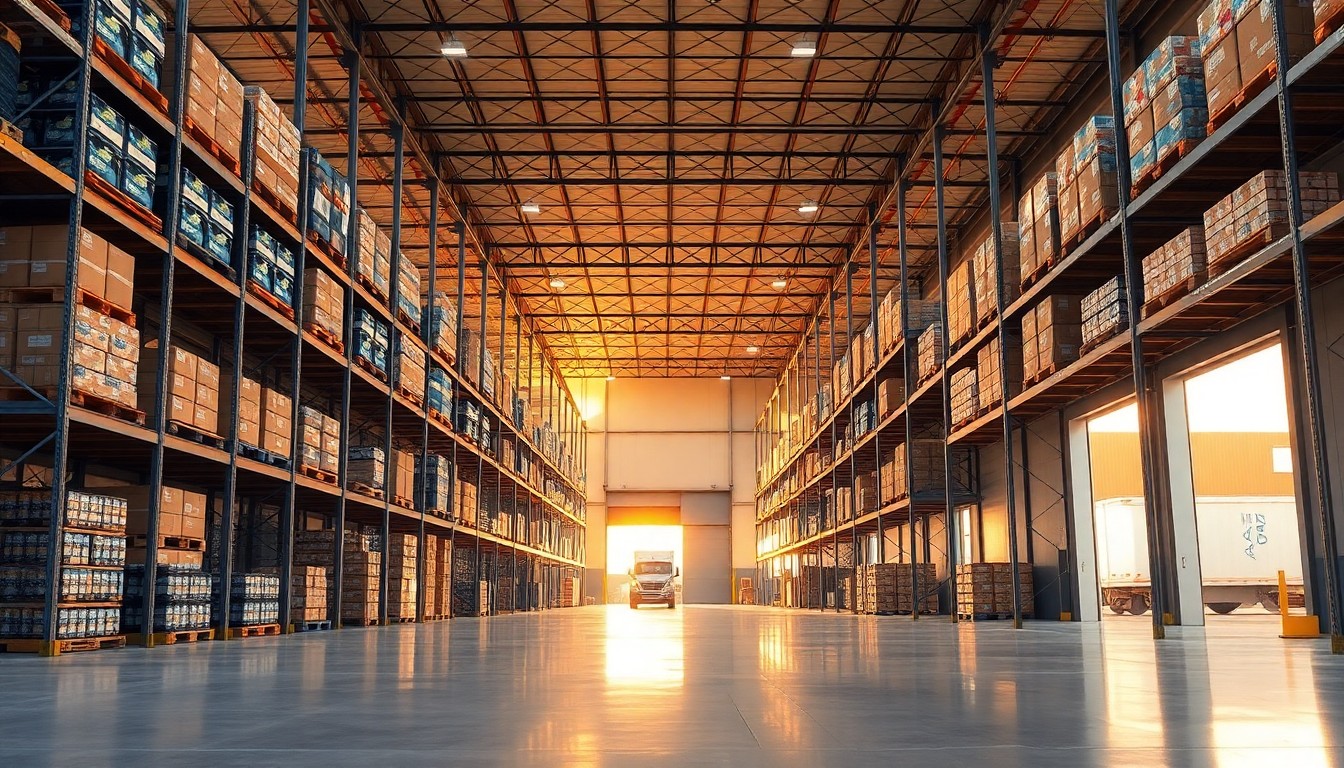
If you own a US beverage distribution business in 2026, beer, wine/spirits, or non-alcoholic, the M&A market is unique because of state franchise laws (in beer) and three-tier alcohol distribution laws that create territory-protected monopolies. Reyes Holdings (~$30B+ revenue) is the largest US beer distributor. Southern Glazer’s Wine & Spirits (~$26B+ revenue) and RNDC (~$13B+ revenue) dominate wine/spirits distribution.
What the asset is worth depends on three things: (1) state-protected franchise rights (beer franchise rights have durable monopoly value), (2) brand portfolio quality (Bud, Coors, Miller, Yuengling for beer; Diageo, Pernod Ricard, Bacardi, Constellation, E&J Gallo for spirits), and (3) on-premise (bar/restaurant) vs. off-premise (retail) mix plus route density. This guide covers real multiples by segment, the named buyers transacting, and the operator-level diligence buyers will run.
What this guide covers
- Beverage distribution multiples 2026 by segment: beer 8x-13x (state-protected franchises), wine/spirits 7x-11x, non-alcoholic 7x-10x.
- Active buyers (beer): Reyes Holdings (~$30B+ revenue), Andrews Distributing (Texas), Hensley Beverage Company (Arizona), Ben E. Keith Beer Distributors, plus regional family-owned distributors.
- Active buyers (wine/spirits): Southern Glazer’s Wine & Spirits (~$26B+ revenue), Republic National Distributing Company / RNDC (~$13B+ revenue), Breakthru Beverage Group, Johnson Brothers Liquor Company.
- Non-alcoholic: Reyes Coca-Cola Bottling, Coca-Cola Consolidated (NASDAQ: COKE), Swire Coca-Cola.
- Multiple drivers: state-protected franchise rights (durable monopoly value), brand portfolio quality, on-premise vs. off-premise mix, route density, warehouse modernization.
- Things that compress the multiple: weak brand portfolio, single-brand concentration, on-premise concentration without off-premise diversification, owner-operator dependence, franchise-transfer-of-control complexity.
- Sellers pay nothing on CT Strategic Partners’ buyer-paid advisory.
Named M&A transactions (2021-2025)
| Target | Buyer | Year | What it tells us |
|---|---|---|---|
| Reinhart FoodService (and Reyes Beverage Group continued growth) | Reyes Holdings (combined platform) | 2019-2025 | Reyes Holdings continues building both foodservice and beverage distribution at scale. |
| Southern Glazer’s continued growth | Private (Southern Glazer’s) | 2022-2025 | Largest US wine/spirits distributor continues regional consolidation. |
| RNDC mergers | Republic National Distributing Co | 2018-2025 | Major wine/spirits consolidator continues platform building. |
| Coca-Cola Consolidated (COKE) bottler territory expansion | Coca-Cola Consolidated (NASDAQ: COKE) | 2022-2025 | Largest publicly-traded Coca-Cola bottler continues territory consolidation. |
| Regional beer distributor rollups | Multiple state-protected operators | 2022-2025 | State franchise laws limit consolidation pace but regional rollups continue. |
The named buyer landscape
Beer distribution (state-franchise-protected)
- Reyes Holdings / Reyes Beverage Group (private, ~$30B+ combined), the largest US beer distributor.
- Andrews Distributing (private, Texas), major regional.
- Hensley Beverage Company (private, Arizona).
- Ben E. Keith Beer Distributors (private, Texas/Southwest).
- Plus hundreds of state-protected family-owned beer distributors that consolidate slowly.
Wine and spirits distribution
- Southern Glazer’s Wine & Spirits (private, ~$26B+ revenue), the largest US wine/spirits distributor.
- Republic National Distributing Company / RNDC (private, ~$13B+ revenue).
- Breakthru Beverage Group (private, ~$7B+ revenue).
- Johnson Brothers Liquor Company (private).
Non-alcoholic beverage
- Coca-Cola Consolidated (NASDAQ: COKE, ~$7B+ revenue), the largest publicly-traded Coca-Cola bottler.
- Reyes Coca-Cola Bottling (Reyes Holdings subsidiary).
- Swire Coca-Cola, West Coast Coca-Cola bottler.
The operator-level KPI playbook buyers will diligence
Franchise rights and brand portfolio
- State-protected beer franchise rights: Document territory and brand rights. Most states protect distributor franchises under state law.
- Brand portfolio: Bud, Coors, Miller, Yuengling (beer); Diageo, Pernod Ricard, Bacardi, Constellation, E&J Gallo (spirits).
- Top-brand revenue percentage.
- Single-brand concentration.
Customer mix (on-premise vs. off-premise)
- On-premise (bars, restaurants): Higher margin, lower volume per stop.
- Off-premise (grocery, convenience, package stores): Higher volume, lower margin per stop.
- Chain restaurant percentage.
- Independent retailer percentage.
Operations
- Routes and route density.
- Drops per route, revenue per stop, miles per drop.
- Cooler / refrigerated warehouse capacity.
- WMS and route optimization.
- Fleet age and reefer-equipment status.
Regulatory compliance
- State Alcoholic Beverage Control (ABC) licensing.
- Three-tier compliance.
- Federal TTB (Tax and Trade Bureau) compliance.
- Tied-house and trade-practice law compliance.
Dangers and traps
1. Single-brand concentration
Heavy dependence on one supplier brand (e.g., 60%+ Anheuser-Busch) is a structural risk if supplier consolidates territories.
2. Franchise transfer-of-control rules
State franchise laws often require supplier consent for change-of-control. Document supplier relationships and consent requirements early.
3. Three-tier alcohol distribution law changes
Direct-to-consumer alcohol delivery and three-tier reform create regulatory uncertainty.
4. Owner-operator dependence
Family-owned distributors often have key owner relationships; build management bench.
5. On-premise concentration without off-premise diversification
Post-COVID on-premise volatility makes off-premise diversification valuable.
6. Weak brand portfolio (slow-growth brands)
Top brands (Bud Light, Modelo, Diageo top SKUs) carry the platform.
7. Regulatory compliance gaps
TTB / state ABC compliance gaps are deal-killers.
8. Fleet and warehouse modernization
Aging refrigerated warehouses and fleet face capex requirements.
Our POV in 2026
Beverage distribution is structurally different from other distribution categories because of state franchise laws (beer) and three-tier alcohol distribution laws that create territory-protected monopolies. This creates durable franchise rights worth significant value at exit. Reyes Holdings dominates beer; Southern Glazer’s and RNDC dominate wine/spirits. PE participation is limited by franchise transfer-of-control rules.
The right time to prepare is 12-18 months before going to market, lock in supplier franchise agreements, document brand-portfolio strength, modernize warehouse operations. For passive-cashflow vending acquisitions, our guide on how to buy a vending machine route covers location contracts and machine valuation.
Preparing your business for sale: 12-18 months out
- Get multi-year audited financials.
- Document state-protected franchise rights and supplier agreements.
- Confirm transfer-of-control supplier consent requirements.
- Build off-premise diversification.
- Modernize warehouse and route operations.
- Confirm TTB / state ABC compliance cleanliness.
- Build the management bench.
- Document capex plan for fleet and warehouse.
- Run a competitive process. Reyes Holdings, Andrews Distributing, Hensley Beverage, Ben E. Keith (beer); Southern Glazer’s, RNDC, Breakthru Beverage, Johnson Brothers (wine/spirits); Reyes Coca-Cola, Coca-Cola Consolidated, Swire (non-alcoholic).
Free, No Email Required
Get a personalized valuation in 90 seconds
Answer six quick questions and we’ll give you a sector-adjusted EBITDA multiple range plus the specific factors driving your number up or down. Our walkthrough on how to buy a winery or vineyard covers land valuation, brand, and seasonal cash flow patterns.
The five pillars of how CT Acquisitions works
Buyer pays our fee. Founders never write a check.
No engagement letter. No upfront cost. No exclusivity contract.
Search funders, family offices, lower-middle-market PE, strategics.
Confidential introductions to the right buyers. No bidding war.
Not 9-12 months. Not 18 months. Months, not years.
No Pitch · No Pressure
Ready to start a confidential conversation?
Tell us about your business. We’ll tell you what it’s likely worth, whether we have qualified buyers in our network, and what the next 60-120 days could look like. No engagement letter. No retainer. Walk at any time.
Frequently asked questions
What is the typical multiple for a beverage distribution business in 2026?
Beer distribution (state-protected franchises): 8x-13x EBITDA, with premium scale at 11x-13x+. Wine and spirits distribution: 7x-11x. Non-alcoholic beverage distribution (soft drinks, water, coffee): 7x-10x. Premium reflects state franchise law protection and durable territory rights.
Who are the active buyers of beverage distribution businesses right now?
Beer: Reyes Holdings (private, ~$30B+ revenue), Andrews Distributing (Texas), Hensley Beverage Company (Arizona), Ben E. Keith Beer Distributors. Wine/spirits: Southern Glazer’s Wine & Spirits (~$26B+ revenue), Republic National Distributing Company / RNDC (~$13B+ revenue), Breakthru Beverage Group, Johnson Brothers Liquor Company. Non-alcoholic: Reyes Coca-Cola Bottling, Coca-Cola Consolidated (NASDAQ: COKE), Swire Coca-Cola.
What hurts a beverage distribution business’s valuation most?
Single-brand concentration (60%+ from one supplier), franchise transfer-of-control complexity, three-tier alcohol distribution regulatory changes, owner-operator dependence, on-premise concentration without off-premise diversification, weak brand portfolio, regulatory compliance gaps (TTB, state ABC), and aging warehouse/fleet without capex plan.
Why are beer distribution multiples higher than other distribution categories?
State beer franchise laws create territory-protected monopolies that prevent suppliers from terminating distributor franchises without cause. These protected franchise rights have durable monopoly value that competitors cannot replicate. Premium beer distributors with top brands (Bud, Coors, Miller, Yuengling) and protected territories command 8x-13x EBITDA, materially higher than commodity distribution.
What is the three-tier alcohol distribution system?
US alcohol distribution operates under a three-tier system (producer, distributor, retailer) established post-Prohibition. State laws prohibit producers from selling directly to retailers or consumers in most cases, requiring licensed distributors. This creates the franchise-protection economics that drive beer distribution multiples and limits the buyer pool to other licensed distributors.
Do I have to pay a broker fee?
No. CT Strategic Partners runs a buyer-paid M&A advisory model. The seller pays nothing. The buyer pays the success fee at closing.
How long does it take to sell a beverage distribution business?
Once you go to market with a buyer-paid advisor, a typical process runs 6-10 months from initial outreach to closing, with supplier consent and state ABC license transfer extending the timeline. Add 12-18 months of preparation.
When should I start preparing if I plan to sell in 2027 or 2028?
12-18 months before going to market. Highest-leverage work: document franchise rights, confirm supplier consent requirements, build off-premise diversification, modernize operations.
Related research
- How to sell a food service distribution business
- How to sell a cold storage business
- How to sell an industrial distribution business
- How to sell a 3PL business
- How to sell a fleet maintenance business
- How to sell a rigid packaging business
- Which industries is PE buying most in 2026
- Private equity value creation
- Business broker alternative
- Sell your business (overview)

About the Author
Owners weighing DIY versus full-service representation should read our broker economics for sellers.
Christoph Totter is the founder of CT Acquisitions, a buy-side partner headquartered in Sheridan, Wyoming. We work directly with 200+ buyers, search funders, family offices, lower middle-market PE, and strategic consolidators, including direct mandates with the largest home services consolidators that other intermediaries can’t access. The buyers pay us when a deal closes, not the seller. No retainer, no exclusivity, no contract until close. Connect on LinkedIn · Get in touch