How to Sell a Water Treatment Business in 2026: 4-9x EBITDA and the Named Buyer Set
Selling a water treatment business in 2026 clears 4-9x EBITDA depending on residential vs commercial mix, recurring service revenue percentage, and geographic reach. Named consolidators include Culligan (BDT & MSD Partners), Pentair, EcoWater (Marmon Holdings / Berkshire), Watts Water Technologies, and PE-backed regional platforms. Recurring service revenue percentage is the single number that decides whether you clear the top of the band.
Quick Answer

Christoph Totter · Managing Partner, CT Acquisitions
Buy-side M&A across 200+ active capital partners · Water treatment M&A: Culligan / Pentair / EcoWater / Watts · Updated June 18, 2026
A US water treatment business in 2026 typically sells for roughly 4x to 9x EBITDA, with single-site residential-only installers on the lower end and multi-site commercial+residential platforms with recurring service revenue on the higher end. By profile: a single-location residential installer at $300-700k SDE goes 3x-5x SDE; a profitable residential or commercial single-site with recurring salt/filter service ($500k-1.5M SDE) goes 4x-6x SDE; a small multi-site or regional residential +commercial platform ($1.5-4M EBITDA) goes 5x-7x EBITDA; a regional water treatment platform with strong commercial industrial water revenue ($4-10M+ EBITDA) goes 6x-9x EBITDA. Active buyers include Culligan International (BDT & MSD Partners, the largest US water treatment platform with extensive franchise and corporate network, acquired Worldwide Water Treatment in 2024-2025), Pentair (NYSE: PNR, residential and commercial water treatment platform), EcoWater Systems (Marmon Group / Berkshire Hathaway, residential water treatment), Kinetico (Axel Johnson, residential water treatment), Watts Water Technologies (NYSE: WTS, commercial water solutions), A.O. Smith (NYSE: AOS, residential water solutions including water heaters and treatment), HALO Water Systems, BWT AG (European with US presence), plus PE-backed regional consolidators (Riverside Company, Webster Capital, NexPhase Capital, ABRY Partners, and multiple specialty industrial PE funds). The biggest multiple drivers are recurring service revenue percentage (salt delivery, filter replacement, system service contracts), commercial vs. residential mix (commercial industrial water generally premium to residential), customer base size and tenure, equipment-line manufacturer relationships (Culligan, EcoWater, Kinetico, Pentair, Watts), modern operating system (Water Conditioner Pros, RJ Water, ServiceTitan, FieldEdge), and water-quality-specific certifications (WQA Certified Water Specialist, master plumber, state-specific). Buyer-paid M&A advisory (CT Strategic Partners) costs the seller nothing.
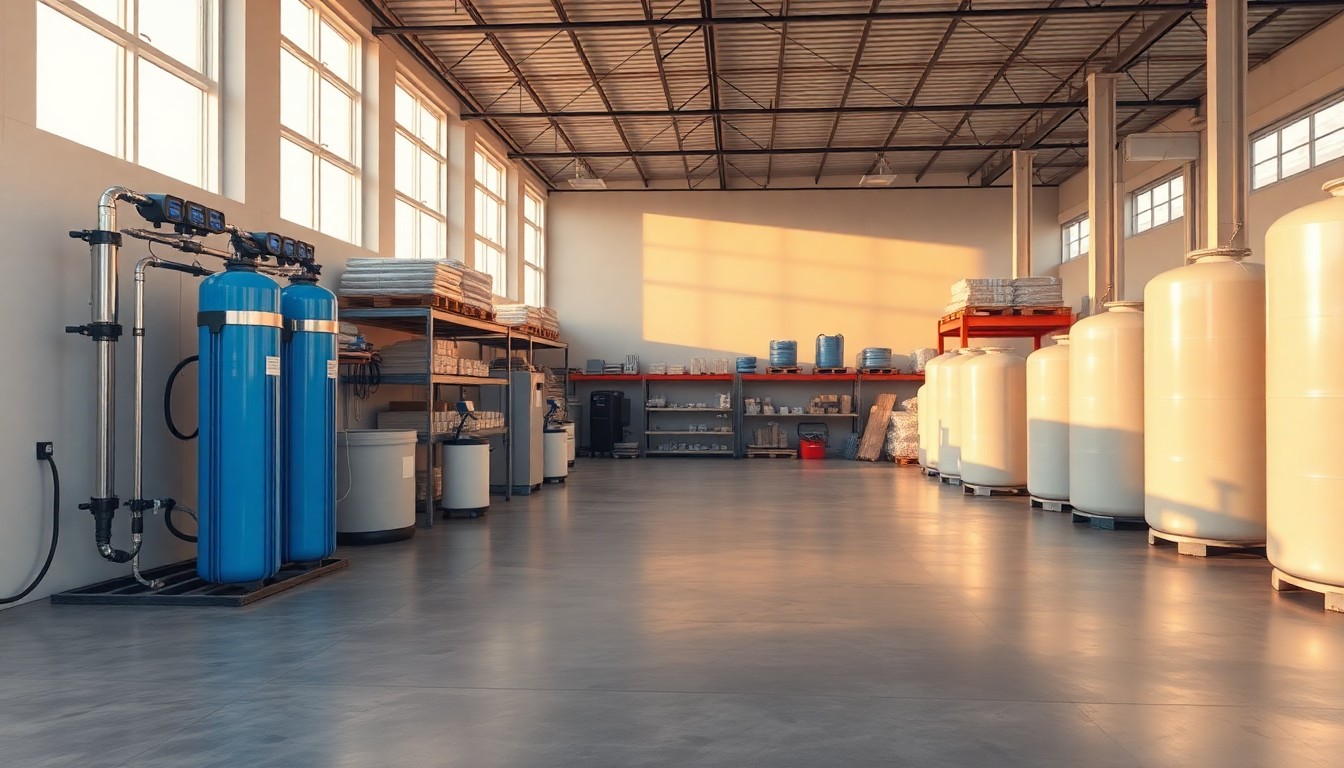
If you own a water treatment business in 2026, whether that is a residential softener / reverse osmosis installer, a commercial industrial water treatment contractor, or a multi-site platform, the M&A market is active and capital-deep. Culligan International is the national platform leader under BDT & MSD Partners, Pentair / EcoWater / Kinetico / Watts / A.O. Smith are the strategic giants, and PE sponsors continue to back regional consolidators.
What the asset is worth depends on three things: (1) recurring service revenue percentage (salt delivery contracts, filter replacement programs, system service contracts), (2) commercial vs. residential mix (commercial industrial water typically premium), and (3) equipment-line manufacturer relationships and certifications. This guide covers real multiples by profile, the named buyers transacting, and the operator-level diligence buyers will run.
What this guide covers
- Water treatment multiples 2026: 3x-5x SDE for single-location residential installers, 4x-6x SDE for profitable single-site with recurring service revenue, 5x-7x EBITDA for small multi-site or regional residential+commercial, 6x-9x EBITDA for regional platforms with strong commercial industrial water.
- Active buyers: Culligan International (BDT & MSD Partners), Pentair (NYSE: PNR), EcoWater Systems (Marmon Group / Berkshire Hathaway), Kinetico (Axel Johnson), Watts Water Technologies (NYSE: WTS), A.O. Smith (NYSE: AOS), HALO Water Systems, BWT AG.
- PE sponsor activity: Riverside Company, Webster Capital, NexPhase Capital, ABRY Partners, plus multiple specialty industrial PE funds. Culligan’s acquisition of Worldwide Water Treatment 2024-2025 reaffirmed the consolidation thesis.
- Multiple drivers: recurring service revenue percentage, commercial industrial water mix, equipment-line manufacturer relationships, customer base size and tenure, WQA Certified Water Specialist certifications, master plumber licensing, modern operating system (Water Conditioner Pros, RJ Water, ServiceTitan, FieldEdge).
- Things that compress the multiple: residential-only with no recurring service revenue, no commercial industrial water revenue, single-manufacturer concentration, owner-technician dependence, legacy operating systems, lease portfolio risk, weak documentation of customer-base recurring revenue.
- Sellers pay nothing on CT Strategic Partners’ buyer-paid advisory.
Water Treatment Business Sale Multiples (2026)
| Tier / Segment | Range (2026) |
|---|---|
| Single-location residential installer ($300K-$1M) | 4.0x-5.0x EBITDA |
| Multi-location residential ($1M-$5M revenue) | 5.0x-6.5x EBITDA |
| Commercial + residential platform ($5M+ revenue) | 7.0x-9.0x EBITDA |
| Recurring service revenue above 50% premium | +1.0x-2.0x EBITDA |
| Active buyer pool | Culligan (BDT/Advent), Pentair (NYSE: PNR), EcoWater (Marmon), Watts (NYSE: WTS) |
Ranges reflect 2026 buy-side observations across active capital partners and named industry consolidators. Specific transaction outcomes vary by geography, customer concentration, and deal structure.
Named water treatment M&A transactions (2022-2025)
From the CT desk
What 2026 water treatment business M&A activity reveals
- •Active 2026 buyers: Culligan International (BDT Capital Partners + Advent International), Pentair (NYSE: PNR, $4.1B revenue, water treatment + pool segments), EcoWater Systems (Marmon Group / Berkshire Hathaway), Watts Water Technologies (NYSE: WTS, $1.9B revenue), Aquasana, RainSoft, plus 6+ regional water-treatment consolidators.
- •Recurring service revenue (filter swaps, salt deliveries, RO membrane replacements, system inspections, monitoring) above 50% of total drives 1x-2x EBITDA premium. Document customer base by service-contract status and renewal rate; auto-pay enrollment above 70% commands additional premium.
- •Distributor agreements with named manufacturers drive defensible margin profile. Multi-brand capability commands premium over single-brand operators because customer-base diversification reduces brand-discontinuation risk (e.g., a Culligan-only dealer is more vulnerable to brand-strategy changes than a multi-brand operator).
- •Single-location residential installer ($300K-$1M revenue) clears 4x-5x EBITDA. Multi-location residential ($1M-$5M revenue) clears 5x-6.5x EBITDA. Commercial + residential platform with recurring service revenue ($5M+ revenue) clears 7x-9x EBITDA. Commercial-only operators (industrial water treatment, point-of-use cooler-rental) command distinct premium.
Related Cluster GuideFor the adjacent water-services companion on how to sell a septic business, see our reference.
| Target | Buyer | Year | What it tells us |
|---|---|---|---|
| Worldwide Water Treatment | Culligan International (BDT & MSD Partners) | 2024-2025 | National platform M&A; reaffirmed consolidation thesis at scale. |
| Multiple Culligan franchise tuck-ins | Culligan International | 2022-2025 | Culligan continues franchise-to-corporate conversions and tuck-in M&A. |
| Pentair regional tuck-ins | Pentair (NYSE: PNR) | 2023-2025 | Strategic continues commercial water treatment platform expansion. |
| EcoWater dealer network growth | Marmon Group / Berkshire Hathaway | 2023-2025 | EcoWater continues dealer-network expansion under Berkshire ownership. |
| Watts Water acquisitions | Watts Water Technologies (NYSE: WTS) | 2022-2025 | Strategic continues commercial water solutions M&A. |
| Regional consolidator tuck-ins | PE-backed (Riverside, Webster, NexPhase, ABRY) | 2022-2025 | PE sponsors continue regional water treatment rollups. |
The named buyer landscape
National strategic and platform buyers
- Culligan International (BDT & MSD Partners), the largest US water treatment platform with extensive franchise and corporate network. Acquired Worldwide Water Treatment in 2024-2025.
- Pentair (NYSE: PNR, ~$4B+ revenue), residential and commercial water treatment platform; selective acquirer.
- EcoWater Systems (Marmon Group / Berkshire Hathaway), residential water treatment, dealer-network model.
- Kinetico (Axel Johnson), residential water treatment.
- Watts Water Technologies (NYSE: WTS, ~$2.2B+ revenue), commercial water solutions.
- A.O. Smith (NYSE: AOS, ~$3.9B+ revenue), residential water solutions including water heaters and treatment.
- HALO Water Systems, BWT AG (European with US presence), 3M Purification, Marlo Inc., specialty water treatment manufacturers and platforms.
PE-backed regional consolidators
- Multiple PE-backed regional water treatment platforms across the US, ranging from single-state operators to multi-state regional consolidators.
PE sponsors active in this space
- Riverside Company, Webster Capital, NexPhase Capital, ABRY Partners, plus multiple specialty industrial PE funds.
What each buyer will pay for vs. what they reject
- Will pay premium for: recurring service revenue (salt delivery contracts, filter replacement programs, system service contracts, equipment rental), commercial industrial water revenue mix, manufacturer dealer/franchise relationships (Culligan, EcoWater, Kinetico, Pentair, Watts), WQA Certified Water Specialist certifications, master plumber licensing, modern operating system (Water Conditioner Pros, RJ Water, ServiceTitan, FieldEdge), trained-tech bench depth.
- Will compress or reject: residential-only revenue without recurring service component, single-manufacturer concentration, owner-technician dependence, legacy paper-based systems, lease portfolio risk, weak documentation of customer-base recurring revenue, environmental compliance gaps (regenerant brine discharge, water testing requirements).
The operator-level KPI playbook buyers will diligence
Revenue mix and recurring service
- One-time installation vs. recurring revenue mix: Recurring service revenue is the multiple-builder; 40%+ recurring is the platform benchmark.
- Recurring categories: Salt delivery contracts, filter replacement programs, system service contracts, equipment rental, water testing.
- Average annual revenue per recurring customer.
- Recurring customer retention rate.
- Commercial vs. residential mix.
Customer base
- Total active customer count.
- Average customer tenure.
- Customer churn rate.
- Commercial customer concentration: No single commercial customer above 20% of revenue.
Service-line mix
- Residential: Water softeners, reverse osmosis, whole-house filtration, drinking-water filtration, UV systems, iron/sulfur removal.
- Commercial: Industrial water treatment, cooling tower water, boiler feedwater, RO/DI for manufacturing, food/beverage water quality, healthcare water systems.
- Service revenue: Salt delivery, filter replacement, regeneration, repair.
Equipment-line / dealer relationships
- Manufacturer dealer status: Culligan franchise, EcoWater dealer, Kinetico dealer, Pentair, Watts, A.O. Smith, BWT.
- Equipment-line diversification: Multiple manufacturer relationships reduce concentration risk.
- Co-op marketing programs: Documented and current.
Regulatory and certifications
- WQA certifications: Certified Water Specialist (CWS), Master Water Specialist (MWS).
- Master plumber license: State-specific requirements.
- State and local plumbing licensing.
- NSF/ANSI 44, 58, 53 product certifications for installed equipment.
- Brine discharge permits and environmental compliance.
Operating system
- Field service management: Water Conditioner Pros, RJ Water, ServiceTitan, FieldEdge, Successware21, Service Fusion.
- Recurring billing automation: Salt delivery routes, filter replacement reminders, system service contracts.
- Customer portal and engagement.
Dangers and traps in water treatment M&A
1. Residential-only mix without recurring service revenue
One-time installation revenue without recurring service component is the lowest-multiple profile. Build out salt delivery, filter replacement, and service contracts.
2. Single-manufacturer concentration
If you are a Culligan franchise with 90% Culligan equipment revenue, the buyer pool narrows to Culligan-friendly buyers and the concentration risk gets modeled.
3. Brine discharge compliance
Water softener regeneration discharges brine; state and municipal regulations on brine discharge vary. Document compliance.
4. Owner-installer dependence
If the owner is the lead installer or commercial specialist, build the technician bench.
5. Lease portfolio risk on equipment rentals
Equipment-rental customers (especially commercial) create durable revenue but also potential dispute exposure. Document rental contracts and aging.
6. Legacy operating systems
Modern field service management (Water Conditioner Pros, RJ Water, ServiceTitan, FieldEdge) integrates routing, recurring billing, and CRM. Legacy systems compress multiples.
7. Commercial customer concentration
Single commercial customer above 20% of revenue is a concentration risk.
8. Permit and licensing exposure
State plumbing licensing requirements vary; document compliance.
Our POV on water treatment M&A in 2026
- Single-location residential installers sell at 3x-5x SDE. Buyer pool is regional consolidators and equipment-line manufacturers doing franchise conversions.
- Profitable single-site with recurring service go 4x-6x SDE; recurring revenue percentage is the multiple-driver.
- Small multi-site or regional residential+commercial platforms ($1.5-4M EBITDA) go 5x-7x.
- Regional platforms with commercial industrial water revenue ($4-10M+ EBITDA) go 6x-9x EBITDA. Commercial industrial water (cooling tower, boiler feedwater, food/beverage, healthcare) is the premium segment.
The right time to prepare is 12-18 months before going to market, build recurring service revenue, develop the commercial segment, lock in manufacturer dealer relationships, modernize operating system, build the technician bench.
Preparing your water treatment business for sale: 12-18 months out
- Get multi-year audited or reviewed financials. Track recurring vs. one-time revenue, commercial vs. residential.
- Build recurring service revenue. Salt delivery, filter replacement, service contracts, target 40%+ recurring.
- Develop the commercial industrial water segment. Cooling tower, boiler feedwater, food/beverage, healthcare.
- Document customer base and retention. Active customers, tenure, churn, average annual spend.
- Confirm manufacturer dealer relationships. Culligan, EcoWater, Kinetico, Pentair, Watts, A.O. Smith.
- Confirm certifications and licensing. WQA CWS/MWS, master plumber, NSF/ANSI product certifications, brine discharge.
- Modernize the operating system. Water Conditioner Pros, RJ Water, ServiceTitan, or FieldEdge.
- Build the technician bench. Reduce owner-installer dependence.
- Document add-backs and KPIs.
- Run a competitive process. Culligan, Pentair, EcoWater, Kinetico, Watts, A.O. Smith, plus PE sponsors (Riverside, Webster, NexPhase, ABRY).
Free, No Email Required
Get a personalized valuation in 90 seconds
Answer six quick questions and we’ll give you a sector-adjusted EBITDA multiple range plus the specific factors driving your number up or down.
The five pillars of how CT Acquisitions works
Buyer pays our fee. Founders never write a check.
No engagement letter. No upfront cost. No exclusivity contract.
Search funders, family offices, lower-middle-market PE, strategics.
Confidential introductions to the right buyers. No bidding war.
Not 9-12 months. Not 18 months. Months, not years.
No Pitch · No Pressure
Ready to start a confidential conversation?
Tell us about your business. We’ll tell you what it’s likely worth, whether we have qualified buyers in our network, and what the next 60-120 days could look like. No engagement letter. No retainer. Walk at any time.
Frequently asked questions
What is the typical multiple for a water treatment business in 2026?
Single-location residential installers typically sell at 3x-5x SDE. Profitable single-site with recurring service revenue go 4x-6x SDE. Small multi-site or regional residential+commercial platforms ($1.5-4M EBITDA) go 5x-7x EBITDA. Regional platforms with commercial industrial water revenue ($4-10M+ EBITDA) reach 6x-9x EBITDA.
Who are the active buyers of water treatment businesses right now?
National strategic / platform buyers: Culligan International (BDT & MSD Partners, the largest US water treatment platform), Pentair (NYSE: PNR), EcoWater Systems (Marmon Group / Berkshire Hathaway), Kinetico (Axel Johnson), Watts Water Technologies (NYSE: WTS), A.O. Smith (NYSE: AOS), HALO Water Systems, BWT AG. PE sponsors: Riverside Company, Webster Capital, NexPhase Capital, ABRY Partners.
What hurts a water treatment business’s valuation most?
Residential-only revenue without recurring service component, no commercial industrial water revenue, single-manufacturer concentration, owner-technician dependence, legacy operating systems, lease portfolio risk, weak documentation of customer-base recurring revenue, brine discharge compliance gaps, and commercial customer concentration above 20%.
Why is recurring service revenue so important?
Recurring service revenue (salt delivery contracts, filter replacement programs, system service contracts, equipment rental) is the multiple-builder. It demonstrates customer retention, predictable cash flow, and operational maturity. 40%+ recurring service revenue is the platform benchmark for premium multiples.
How important is commercial industrial water exposure?
Significant. Commercial industrial water (cooling tower water, boiler feedwater, food/beverage RO/DI, healthcare water systems) typically commands a premium to residential because contracts are longer-dated, customer relationships are stickier, and per-customer revenue is higher. Multi-state commercial industrial water platforms achieve the highest multiples in the sector.
Do I have to pay a broker fee?
No. CT Strategic Partners runs a buyer-paid M&A advisory model. The seller pays nothing. The buyer pays the success fee at closing.
How long does it take to sell a water treatment business?
Once you go to market with a buyer-paid advisor, a typical process runs 4-7 months from initial outreach to closing. Add 12-18 months of preparation work before going to market.
When should I start preparing if I plan to sell in 2027 or 2028?
12-18 months before going to market is the right window. Highest-leverage work: build recurring service revenue, develop the commercial segment, lock in manufacturer dealer relationships, modernize operating system, build the technician bench.
Related research
- Which industries is PE buying most in 2026
- Private equity value creation
- Business broker alternative
- Sell your business (overview)
- How to sell an HVAC business to PE
- How to sell a plumbing business
- How to sell a solar installation business
- How to sell an environmental services company
- How PE roll-ups open up value in home services
- Strategic buyer vs financial buyer
About the Author
Owners weighing DIY versus full-service representation should read our broker cost benchmark.
Christoph Totter is the founder of CT Acquisitions, a buy-side partner headquartered in Sheridan, Wyoming. We work directly with 200+ buyers, search funders, family offices, lower middle-market PE, and strategic consolidators, including direct mandates with the largest home services consolidators that other intermediaries can’t access. The buyers pay us when a deal closes, not the seller. No retainer, no exclusivity, no contract until close. Connect on LinkedIn · Get in touch