How to Sell an Auto Collision Repair Business (2026): Multiples & MSO Buyers
Quick Answer

Christoph Totter · Managing Partner, CT Acquisitions
Buy-side M&A across 200+ active capital partners · Auto collision / body shop M&A: MSO consolidation · Updated June 6, 2026
A US auto collision repair business in 2026 typically sells for roughly 3x to 9x EBITDA, with the multiple varying dramatically by shop count, DRP (direct repair program) status with named insurance carriers, OEM certifications, and operating infrastructure. By profile: a single-shop independent at $300-700k SDE goes 2.5x-4.5x SDE; a profitable single-shop with strong insurance DRPs and OEM certifications at $500k-1.5M SDE goes 3.5x-6x SDE; a small multi-shop group (2-5 locations, $1-3M EBITDA) goes 4x-7x EBITDA; a regional multi-site collision MSO (5-20 locations, $3-10M EBITDA) goes 5x-8x EBITDA; a premium scale platform (20+ locations, $10M+ EBITDA, multi-state DRP relationships, multiple OEM certifications including Tesla/Rivian, modern operating system, parts-procurement scale) goes 7x-9x+. Active buyers include Caliber Collision (Hellman & Friedman + OMERS, ~1,800+ centers, the largest US MSO), Gerber Collision & Glass / Boyd Group (TSX: BYD, ~900+ locations US+Canada), Crash Champions (Clearlake Capital, 700+ locations after Service King acquisition 2022 + ongoing rollup), Joe Hudson’s Collision Center (PE-backed, ~150 locations primarily southeast), Classic Collision (Driven Brands subsidiary, ~270+ locations), CARSTAR (Driven Brands franchise platform, 700+ franchise/corporate locations), plus PE-backed regional consolidators (FCSN/Fix Auto USA, Cooper’s Collision, Mike’s Auto Body) and PE sponsors directly (Clearlake Capital, Hellman & Friedman, OMERS, Lindsay Goldberg, Roark Capital). The biggest multiple drivers are DRP relationships with named carriers (State Farm Select Service, GEICO ARX, Allstate Good Hands, Progressive PRO, USAA Stars Network), OEM certifications (especially Tesla, Rivian, GM, Ford, Honda, Mercedes-Benz, BMW, Subaru), cycle time, severity per RO (repair order), and modern operating system (CCC ONE, Mitchell Cloud Estimating, AudaExplore). Buyer-paid M&A advisory (CT Strategic Partners) costs the seller nothing.
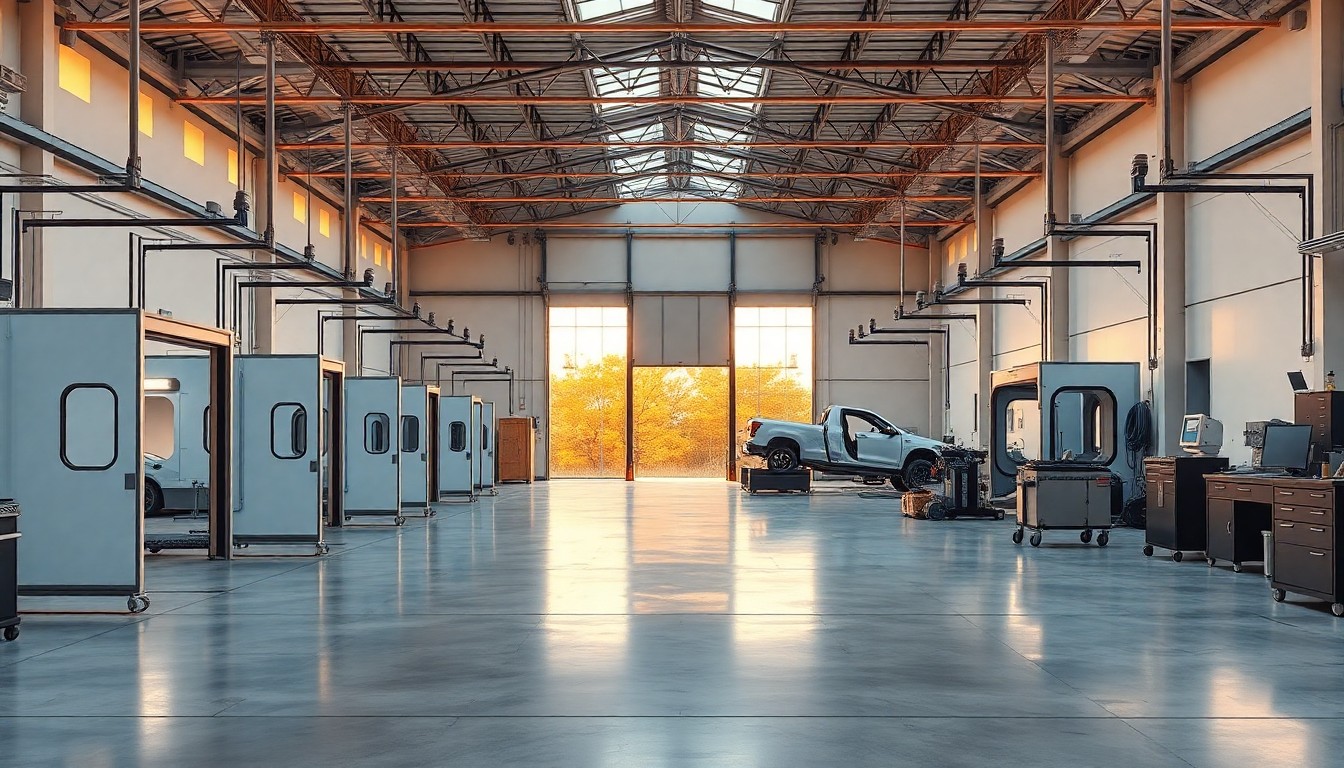
If you own an auto collision repair business in 2026, whether that is a single-shop independent, a small multi-shop group, or a regional collision MSO, the M&A market is mature, capital-deep, and consolidating. Caliber Collision (Hellman & Friedman + OMERS) is the runaway national leader with 1,800+ centers, Boyd Group (TSX: BYD) operates Gerber across US and Canada with 900+ locations, Crash Champions (Clearlake Capital) crossed 700+ locations after the 2022 Service King acquisition and continues rolling up, and Classic Collision + CARSTAR sit under Driven Brands. The recurring-revenue economics of insurance-DRP-driven repair work make profitable collision centers a structurally attractive PE consolidation target.
What the asset is worth depends on three things: (1) DRP relationships with named insurance carriers (State Farm, GEICO, Allstate, Progressive, USAA), (2) OEM certifications, especially Tesla, Rivian, GM, Ford, Honda, Mercedes-Benz, BMW, Subaru, and the equipment investment that supports them, and (3) operating KPIs: cycle time, severity per RO, gross profit per RO, and rental-car-day metrics. This guide gives you real multiples by profile, the named buyers transacting, and the operator-level diligence buyers will run.
What this guide covers
- Collision multiples 2026: 2.5x-4.5x SDE for single-shop independents, 3.5x-6x SDE for profitable single-shops with strong DRPs/OEM certs, 4x-7x EBITDA for small multi-shop groups, 5x-8x EBITDA for regional MSOs, 7x-9x+ for premium scale platforms (20+ locations, multi-state DRPs, OEM cert portfolio incl. Tesla/Rivian).
- Active buyers: Caliber Collision (Hellman & Friedman + OMERS, ~1,800+ centers), Boyd Group / Gerber (TSX: BYD, 900+ locations), Crash Champions (Clearlake Capital, 700+ post Service King), Joe Hudson’s (PE-backed, ~150), Classic Collision (Driven Brands, ~270+), CARSTAR (Driven Brands franchise, 700+ locations).
- PE sponsor activity: Clearlake Capital, Hellman & Friedman, OMERS, Lindsay Goldberg, Roark Capital, plus PE-backed regional consolidators (FCSN/Fix Auto USA, Cooper’s Collision, Mike’s Auto Body).
- Multiple drivers: DRP relationships with named carriers (State Farm Select Service, GEICO ARX, Allstate Good Hands, Progressive PRO, USAA Stars Network), OEM certifications (Tesla/Rivian/GM/Ford/Honda/MB/BMW/Subaru), cycle time, severity per RO, gross profit per RO, modern operating system (CCC ONE, Mitchell, AudaExplore).
- Things that compress the multiple: single-DRP concentration, no OEM certifications, legacy estimating/ops systems, high cycle time, weak parts procurement scale, owner-technician dependence, lease-portfolio exposure on shop real estate, insurance-only revenue with no retail/wholesale balance.
- Sellers pay nothing on CT Strategic Partners’ buyer-paid advisory.
Named collision repair M&A transactions (2021-2025)
CT Acquisitions · 2026 Collision Repair Signal
What Collision Buyers Pay Premium For
Across our buy-side conversations with collision MSO acquirers in 2026:
- DRP carrier diversification drives multi-turn premium. Multiple Direct Repair Program agreements (State Farm, GEICO, Allstate, Progressive, USAA) trade above single-carrier dependency.
- OEM certification depth gates platform pricing. Multi-OEM aluminum / EV / luxury certifications (Tesla, F-150, Audi, Porsche) open up platform-tier valuations and complex-job pricing.
- Cycle time is the operational moat. Sub-7-day average repair cycle time drives DRP referral priority and rent capacity utilization, the buyer-priced operating metric.
Multiple at a Glance · 2026
Auto Collision Repair Sale Multiples · 2026
By scale and DRP / OEM cert mix.
Source: CT Acquisitions analysis. Caliber Collision (Hellman & Friedman / Leonard Green), Gerber Collision (Boyd Group), Crash Champions (Clearlake Capital), Service King + PE-backed MSOs.
Related Cluster GuideAdjacent automotive vertical: see how how to sell an auto repair shop works in 2026.
For 2026 PE platforms acquiring auto repair shops with named buyers across mechanical, tire, collision, and quick-lube, see our guide.
The transactions below are public or widely-disclosed deals. They show a deeply capitalized buyer pool:
| Target | Buyer | Year | What it tells us |
|---|---|---|---|
| Service King (~330 locations) | Crash Champions (Clearlake Capital) | 2022 | PE-backed Crash Champions consolidated Service King to create the #3 MSO, ~700+ locations. |
| Multiple Caliber tuck-ins (1,800+ portfolio) | Caliber Collision (Hellman & Friedman + OMERS) | 2021-2025 | Largest US collision MSO continues aggressive tuck-in M&A and greenfield development. |
| Boyd Group (Gerber Collision & Glass) | Public-market consolidation (TSX: BYD) | 2021-2025 | Public-market collision platform with 900+ US and Canada locations; continues tuck-in M&A. |
| Classic Collision tuck-ins | Driven Brands (NASDAQ: DRVN) | 2021-2025 | Driven Brands’ US collision platform crossed 270+ locations. |
| Joe Hudson’s Collision expansion | PE-backed (regional) | 2022-2025 | Southeast-focused PE-backed MSO continues to add locations. |
| FCSN / Fix Auto USA expansion | PE-backed franchise platform | 2023-2025 | Franchise consolidator continues to add locations across the US. |
The named buyer landscape
National MSOs (the primary buyer pool)
- Caliber Collision (Hellman & Friedman + OMERS), ~1,800+ centers, the largest US collision MSO. Continues aggressive tuck-in M&A and greenfield development.
- Boyd Group / Gerber Collision & Glass (TSX: BYD), ~900+ locations US + Canada. Public-market platform.
- Crash Champions (Clearlake Capital), 700+ locations after the 2022 Service King consolidation. Active acquirer.
- Joe Hudson’s Collision Center (PE-backed), ~150 locations primarily southeast.
- Classic Collision (Driven Brands subsidiary, NASDAQ: DRVN), ~270+ locations.
- CARSTAR (Driven Brands franchise platform), 700+ franchise + corporate locations.
Regional / PE-backed roll-ups
- FCSN / Fix Auto USA, franchise platform.
- Cooper’s Collision, Mike’s Auto Body, ABRA Auto Body (legacy now consolidated), plus multiple regional MSOs.
PE sponsors active in this space
- Clearlake Capital, Crash Champions.
- Hellman & Friedman + OMERS, Caliber Collision.
- Roark Capital, Driven Brands (parent of CARSTAR + Classic Collision).
- Lindsay Goldberg, Audax Group, multiple other PE funds with collision or collision-adjacent investments.
What each buyer will pay for vs. what they reject
- Will pay premium for: broad DRP portfolio with named carriers (State Farm Select Service, GEICO ARX, Allstate Good Hands, Progressive PRO, USAA Stars Network), OEM certifications (especially Tesla, Rivian, GM, Ford, Honda, Mercedes-Benz, BMW, Subaru), strong cycle time and severity-per-RO metrics, modern operating system (CCC ONE, Mitchell, AudaExplore), multi-shop platforms with parts-procurement scale, real estate diversification (owned + leased mix), trained-tech bench depth.
- Will compress or reject: single-DRP concentration, no OEM certifications, legacy estimating/operations systems, weak cycle time and high severity, owner-technician dependence, single-state regulatory exposure, lease-portfolio exposure on shop real estate (short-dated or expiring leases), insurance-only revenue with no retail/wholesale balance, environmental compliance findings, paint-booth or air-permit issues.
The operator-level KPI playbook buyers will diligence
Insurance DRP relationships
- DRP portfolio: Document every DRP relationship with named carriers. Premium MSOs maintain Select Service / ARX / Good Hands / PRO / Stars Network status with multiple carriers.
- DRP revenue percentage: 60-85% DRP revenue is typical; track the mix of DRP vs. retail/non-DRP work.
- DRP performance scores: Cycle time, severity, CSI (customer satisfaction index), rental days, supplements per RO. Carriers track these and rank shops accordingly.
- Carrier concentration: No single carrier above 35% of revenue is the platform benchmark.
OEM certifications
- OEM cert portfolio: Tesla, Rivian, GM, Ford, Honda, Mercedes-Benz, BMW, Subaru, Hyundai, Kia, Toyota. Each cert requires specific equipment and training investment.
- Aluminum repair capability: Ford F-150 aluminum requires dedicated aluminum bays and tools.
- EV repair capability: Tesla, Rivian, Lucid, GM EV, Ford EV certifications require high-voltage training and dedicated workspace.
- Equipment investment: Track equipment age and replacement timeline; OEM equipment is expensive but is a multiple-builder.
Operating KPIs
- Cycle time (touch-time + key-to-key): 5-10 days key-to-key is platform-benchmark; below 8 days is excellent.
- Severity per RO: Average severity $3,500-$5,500+ depending on mix; trending up with vehicle complexity.
- Touch-time per labor hour: Track production efficiency.
- RO closure rate: Closed ROs per month vs. opened.
- Supplements per RO: Lower is better; benchmark 1.0-1.5 supplements per RO.
- CSI score: Track customer satisfaction; carriers tie DRP status to CSI.
Parts procurement
- Parts gross margin: OEM parts margin tighter than aftermarket; track mix and margin by parts type.
- Parts mix: OEM, aftermarket, LKQ recycled, refurbished. Insurance steering on parts type matters.
- Parts procurement scale: Multi-shop platforms get rebate scale; document agreements with parts vendors (LKQ, Keystone, IAA, etc.).
Operating system
- Estimating / management system: CCC ONE (the dominant US platform), Mitchell Cloud Estimating, AudaExplore. Modern systems integrate with carrier DRPs.
- Production management: Documented workflow, bay utilization, scheduling.
- Reporting and dashboards: KPI reporting per shop, per tech, per carrier.
Real estate and lease portfolio
- Owned vs. leased mix: Many MSO buyers prefer leased (operating asset). Owned can be sale-leaseback financed.
- Lease terms: Long-dated leases (5-10+ years remaining) preferred. Month-to-month or expiring leases get discounted.
- Real estate condition: Paint booths, environmental compliance, air permits, water discharge, hazardous waste.
Workforce
- Technician count and tenure: Trained body techs, painters, estimators. Industry shortage is real.
- I-CAR certification: Track Gold Class status (Pro Level certification) and individual tech certifications.
- Apprenticeship programs: Documented pipeline-development programs are diligence wins.
Dangers and traps in collision repair M&A
1. Single-DRP concentration
If a single insurance carrier represents 50%+ of revenue, buyers model the carrier-concentration risk as a multiple compressor. Geico, State Farm, Allstate, Progressive, and USAA each have different DRP performance models; diversification matters.
2. No OEM certifications in a complex-vehicle market
Vehicles are increasingly complex (aluminum F-150, EV battery packs, ADAS calibration, structural aluminum/carbon). Shops without OEM certifications lose access to high-severity work. Tesla and Rivian certifications are particularly valuable.
3. ADAS calibration capability
Advanced driver-assistance systems (ADAS) calibration is a growing requirement after collision repair. Static + dynamic calibration equipment investment + scan-tool capability are real moats. Sub-letting calibration to third parties works but compresses margin.
4. Owner-technician or owner-estimator dependence
If the owner is the lead tech, painter, or estimator handling 50%+ of customer/carrier relationships, that is a structural risk. Build the bench before going to market.
5. Environmental and air-permit compliance
Paint booths require state and local air-permit compliance. Hazardous waste manifests, water discharge permits, EPA paint VOC compliance. Findings or open matters trigger diligence holds and price adjustments.
6. Lease portfolio risk
Short-dated leases (less than 24-36 months remaining) on key locations get a buyer-side discount. Lock in long-dated leases with renewal options pre-sale.
7. Legacy estimating systems
If you are still on an older Mitchell or non-CCC system, expect integration friction. CCC ONE is the platform standard.
8. Insurance-only revenue without retail balance
Carrier-driven revenue is structurally important but carrier-rate pressure is real. Some retail and wholesale work (fleet, dealer, used-car prep) diversifies and supports margin.
9. Workforce concentration
If 60%+ of techs are over 50 with no apprenticeship pipeline, buyers model the labor risk. Industry shortage is real.
10. Subletting subletting (the “shop within a shop” dynamic)
Sublet glass, calibration, mechanical, document all sublet relationships, vendor terms, and margins.
Our POV on collision repair M&A in 2026
The honest read on the market: collision repair is a mature consolidation play with deeply-capitalized PE and public buyers. The top-5 MSOs (Caliber, Gerber/Boyd, Crash Champions, CARSTAR, Classic Collision) account for thousands of locations and the consolidation is far from done.
- If you are a single-shop independent ($300-700k SDE), multiples are 2.5x-4.5x SDE. Buyer pool is regional MSOs and the national consolidators doing geographic tuck-ins.
- If you are a profitable single-shop with strong DRPs and OEM certs ($500k-1.5M SDE), multiples improve to 3.5x-6x SDE. A real competitive process matters.
- If you are a small multi-shop group (2-5 locations, $1-3M EBITDA), you are in the tuck-in sweet spot. Multiples 4x-7x EBITDA.
- If you are a regional collision MSO (5-20 locations, $3-10M EBITDA), the national MSOs and PE sponsors will pay 5x-8x EBITDA in a real auction.
- If you are a premium scale platform (20+ locations, multi-state DRPs, OEM cert portfolio including Tesla/Rivian, $10M+ EBITDA), you are a strategic target. 7x-9x+ achievable.
The right time to prepare is 12-18 months before going to market, build the OEM cert portfolio, diversify DRPs, modernize the operating system, document KPIs, and lock in long-dated leases.
Preparing your collision repair business for sale: 12-18 months out
- Get multi-year audited or reviewed financials. Track revenue and gross profit by carrier, by RO type (insurance vs. retail), and by location.
- Build the OEM cert portfolio. Tesla, Rivian, GM, Ford, Honda, Mercedes-Benz, BMW, Subaru certs are multiple-builders. Invest in equipment and training.
- Diversify DRP relationships. Pursue multiple carrier DRPs; document performance scores.
- Add ADAS calibration capability. In-house static + dynamic calibration is a margin and capability multiple-builder.
- Document KPIs cleanly. Cycle time, severity per RO, supplements per RO, CSI by carrier, RO closure rate, parts margin.
- Modernize the operating system. CCC ONE if not already.
- Lock in long-dated leases. 5-10+ years on key locations.
- Resolve environmental and permit compliance. Air permits, hazardous waste, water discharge, paint VOC.
- Build the technician bench. I-CAR Gold Class shop, apprenticeship pipeline, retention programs.
- Run a competitive process. Caliber, Boyd/Gerber, Crash Champions, Joe Hudson’s, Classic Collision (Driven), CARSTAR, plus PE sponsors directly (Clearlake, H&F, Lindsay Goldberg, Audax), a real auction is worth 1-2 turns of EBITDA.
Free, No Email Required
Get a personalized valuation in 90 seconds
Answer six quick questions and we’ll give you a sector-adjusted EBITDA multiple range plus the specific factors driving your number up or down.
The five pillars of how CT Acquisitions works
Buyer pays our fee. Founders never write a check.
No engagement letter. No upfront cost. No exclusivity contract.
Search funders, family offices, lower-middle-market PE, strategics.
Confidential introductions to the right buyers. No bidding war.
Not 9-12 months. Not 18 months. Months, not years.
No Pitch · No Pressure
Ready to start a confidential conversation?
Tell us about your business. We’ll tell you what it’s likely worth, whether we have qualified buyers in our network, and what the next 60-120 days could look like. No engagement letter. No retainer. Walk at any time.
Frequently asked questions
What is the typical multiple for an auto collision repair business in 2026?
Single-shop independents typically sell at 2.5x-4.5x SDE. Profitable single-shops with strong DRP relationships and OEM certifications go 3.5x-6x SDE. Small multi-shop groups (2-5 locations, $1-3M EBITDA) go 4x-7x EBITDA. Regional MSOs (5-20 locations, $3-10M EBITDA) go 5x-8x EBITDA. Premium scale platforms (20+ locations, multi-state DRPs, OEM cert portfolio including Tesla/Rivian, $10M+ EBITDA) reach 7x-9x+.
Who are the active buyers of collision repair businesses right now?
National MSOs: Caliber Collision (Hellman & Friedman + OMERS, ~1,800+ centers), Boyd Group / Gerber Collision & Glass (TSX: BYD, 900+ locations US + Canada), Crash Champions (Clearlake Capital, 700+ post Service King 2022), Joe Hudson’s Collision Center (PE-backed, ~150), Classic Collision (Driven Brands subsidiary, NASDAQ: DRVN, ~270+), CARSTAR (Driven Brands franchise platform, 700+ locations). Regional/PE-backed: FCSN / Fix Auto USA franchise, Cooper’s Collision, Mike’s Auto Body.
What hurts a collision repair business’s valuation most?
Single-DRP concentration (any single carrier above 50% of revenue), no OEM certifications, no ADAS calibration capability, legacy estimating/operations systems, owner-technician dependence, lease-portfolio exposure on key shops, insurance-only revenue without retail/wholesale balance, environmental or air-permit compliance findings, and workforce concentration without apprenticeship pipeline.
Why are OEM certifications so important?
Modern vehicles use aluminum, composite, EV battery, and ADAS systems that require manufacturer-certified equipment, training, and procedures. OEM-certified shops can repair complex / high-severity vehicles that uncertified shops cannot. Tesla, Rivian, GM EV, Ford, Honda, Mercedes-Benz, and BMW certifications materially expand revenue capture and lift the multiple.
What is the difference between a single-shop SDE and a multi-shop EBITDA multiple?
Single-shop owner-operator businesses are typically valued on SDE (seller’s discretionary earnings, which includes owner compensation). Multi-shop platforms with management in place are valued on EBITDA (which deducts a market-rate manager salary). The transition from SDE to EBITDA multiples typically occurs around 2-3 locations or $1M+ in EBITDA with real management in place.
Do I have to pay a broker fee?
No. CT Strategic Partners runs a buyer-paid M&A advisory model. The seller pays nothing. The buyer pays the success fee at closing.
How long does it take to sell a collision repair business?
Once you go to market with a buyer-paid advisor, a typical process runs 4-8 months from initial outreach to closing. Add 12-18 months of preparation work before going to market (OEM cert build-out, DRP diversification, KPI documentation, lease lock-ins, environmental compliance, technician bench development).
When should I start preparing if I plan to sell in 2027 or 2028?
12-18 months before going to market is the right window. That gives time to build the OEM cert portfolio, diversify DRP relationships, add ADAS calibration capability, document operating KPIs, lock in long-dated leases, resolve environmental compliance, and build the technician bench.
Related research
- Which industries is PE buying most in 2026
- Private equity value creation
- Business broker alternative
- Sell your business (overview)
- How to sell a MedSpa
- How to sell a dermatology practice
- How to sell an imaging center
- How to sell a clinical laboratory
- Strategic buyer vs financial buyer
- How PE roll-ups open up value in home services
About the Author
Christoph Totter is the founder of CT Acquisitions, a buy-side partner headquartered in Sheridan, Wyoming. We work directly with 200+ buyers, search funders, family offices, lower middle-market PE, and strategic consolidators, including direct mandates with the largest home services consolidators that other intermediaries can’t access. The buyers pay us when a deal closes, not the seller. No retainer, no exclusivity, no contract until close. Connect on LinkedIn · Get in touch