How to Sell a Lawn Care Business in 2026
Quick Answer
A lawn care or landscaping business in 2026 typically sells for 2.5x to 5x SDE (Seller’s Discretionary Earnings) if it’s owner-operated, or 4x to 6.5x EBITDA if it has a management team and significant commercial-maintenance contract revenue. The biggest multiple driver is the percentage of revenue under recurring maintenance contracts, operators with 60%+ commercial-contract revenue clear the upper end. Most lawn care business sales close in 90 to 180 days when matched to the right buyer.
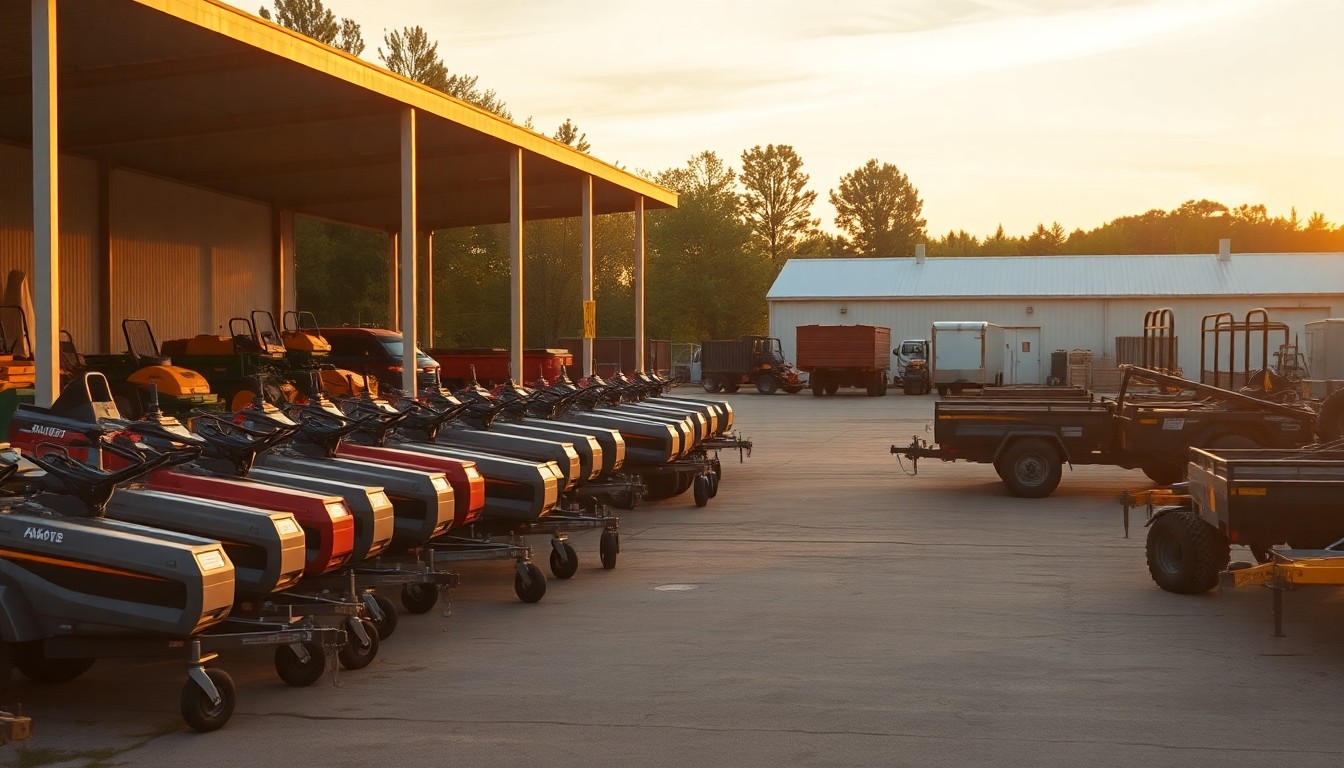
Selling a lawn care business is one of the more predictable transactions in the home-services M&A space, but the multiple range is wide because buyers price two very different things. An owner-operated residential mow-and-blow operation with no contracts trades on SDE at the low end. A commercial landscape-maintenance company with multi-year contracts, a route structure, and a management team trades on EBITDA at the high end. Knowing which one you have, and what you can do to move toward the high end, is the difference between a 2.5x deal and a 6x deal.
This guide covers what lawn care and landscaping owners need to know about selling: realistic multiples by business type, the buyer pools active in 2026, what drives the multiple up, and the process from first conversation to close. We’re CT Acquisitions, a buy-side M&A advisory firm. Sellers pay nothing, the buyer pays our fee at closing. For the broader picture on landscaping valuations, see our landscaping vertical hub.
What this guide covers
- Owner-operated residential lawn care: typical multiples 2.5x to 4.0x SDE
- Lawn care with some commercial contracts: 3.5x to 5.0x SDE or 3.5x to 5.0x EBITDA
- Commercial landscape maintenance (contract-heavy, management team): 4.5x to 6.5x EBITDA
- Biggest multiple driver: percentage of revenue under recurring maintenance contracts
- Active buyers: PE-backed landscaping platforms, regional landscaping consolidators, individual operators using SBA financing
- Free valuation: our 90-second tool applies landscaping-specific adjustments
What lawn care buyers actually pay for in 2026
Lawn care and landscaping valuations span 2.5x SDE to 6.5x EBITDA because the buyer math is fundamentally different across business types:
Owner-operated residential lawn care
Typical multiples: 2.5x to 4.0x SDE. The owner is a working owner, the customer base is residential, revenue is largely transactional (mow-and-blow, seasonal cleanups, occasional bigger jobs). The buyer pool is mostly individual operators using SBA 7(a) financing. Multiples land at the upper end (3.5x-4.0x) when: the route is dense and geographically tight, the equipment is recent and well-maintained, the owner is willing to do a 6-month transition, and there’s a stable crew that stays.
Lawn care with a meaningful commercial-contract base
Typical multiples: 3.5x to 5.0x SDE, or 3.5x to 5.0x EBITDA if there’s a management layer. The business has some recurring commercial maintenance contracts (HOAs, commercial properties, municipal work) alongside residential. The recurring revenue makes the cash flow more predictable, which buyers pay for. PE-backed landscaping platforms start getting interested at this tier.
Commercial landscape maintenance (contract-heavy, management team)
Typical multiples: 4.5x to 6.5x EBITDA. The business runs primarily on multi-year commercial maintenance contracts, has area managers and crew leaders, documented routes, and a fleet. This is what PE-backed landscaping consolidators (and there are a dozen-plus in the market) actively acquire. Multiples land at the upper end (5.5x+) when: contract retention is high (90%+ annual renewal), EBITDA margins are above 12%, the customer base is diversified (no single property over 10% of revenue), and there’s a clear path for the buyer to expand the route density 2-3x.
How we know this: these ranges and dynamics come from the lawn care and landscaping businesses we’ve worked with and the buyer mandates in our network of 200+ active capital partners. They’re starting points, not guarantees, your actual outcome depends on the specifics of your business.
The three buyer pools for lawn care businesses
1. Individual operator-buyers
Individuals buying a lawn care business to run themselves, typically funded with SBA 7(a) loans plus 10-20% buyer equity. Best fit for businesses with $150K-$1M of SDE. Search timeline: 6-15 months from listing to close. Buyer concerns: route density, equipment condition, crew retention, seasonal cash flow management, and seller transition support.
2. Regional landscaping consolidators
Mid-size landscaping companies (50-300 employees) acquiring smaller operators to add routes and density in their existing territory. Often the strongest buyer pool for businesses with commercial contracts because they understand the operational realities and can integrate routes efficiently. Often pay below-PE-platform multiples but close fast (30-90 days) and require less seller transition.
3. PE-backed landscaping platforms
PE firms backing national landscaping rollups acquire commercial-maintenance companies in the $1M-$15M EBITDA range as platform or add-on acquisitions. Pay competitive multiples (5x+ EBITDA for the right commercial-contract business) but require: professional financial reporting, multi-year contract base, area-manager structure, and a scaling thesis.
How to prepare a lawn care business for sale
- Build the commercial-contract base. Every percentage point of revenue you can shift from transactional residential to multi-year commercial maintenance contracts increases the multiple. The goal: get to 50%+ contract revenue. This is a 12-24 month project, not a 90-day one.
- Tighten the route geography. Buyers value dense routes because they’re more profitable per drive-mile. Prune unprofitable outlying customers; concentrate.
- Document the operations. Route schedules, equipment maintenance logs, crew procedures, customer agreements. The buyer needs to run the business without the owner’s memory.
- Address crew retention. Lawn care depends on reliable crews, and crew turnover is a top diligence concern. Pre-list, identify your 2-4 key employees (crew leaders, operations manager) and put them on retention agreements with stay bonuses payable at sale.
- Clean the financials. Get on accrual accounting. Document EBITDA add-backs (owner’s above-market salary, personal vehicles in the fleet, personal expenses). Get a 2-3 year financial review.
- Diversify customer concentration. If one HOA or one commercial property is over 15% of revenue, that’s a buyer concern. Diversify before listing.
What kills lawn care deals in diligence
- High customer concentration (one property over 20% of revenue)
- Reliance on the owner for sales and customer relationships
- Aged or poorly-maintained equipment that needs imminent replacement
- Crew turnover or undocumented worker classification (1099 vs W-2)
- Equipment ownership confusion (leased vs owned equipment, equipment loans not disclosed)
- Seasonal revenue volatility without a snow-removal or other winter revenue stream
- Customer agreements that are month-to-month with no contractual term
The process: first conversation to close
For lawn care businesses sold off-market to PE-backed or regional consolidator buyers, the process compresses to roughly 90-180 days:
- Days 1-14: initial conversation, valuation, buyer-fit assessment
- Days 14-30: first buyer introductions (sequential, confidential)
- Days 30-60: LOI negotiation
- Days 60-150: diligence (financials, route analysis, equipment inspection, customer agreements, crew retention) and definitive agreement
- Days 120-180: closing
Traditional broker listings for lawn care businesses typically take 9-18 months because the public-listing buyer pool is large but unqualified. The buyer-paid alternative skips the marketing phase by going straight to pre-qualified buyers. See our broker alternative guide for the full breakdown.
Landscaping-Specific Valuation
What’s your lawn care business worth?
Get a sector-adjusted multiple range using current 2026 landscaping transactions. We apply landscaping-specific adjustments for commercial-contract percentage, route density, recurring revenue, and crew stability.
The five pillars of how CT Acquisitions works
Buyer pays our fee. Founders never write a check.
No engagement letter. No upfront cost. No exclusivity contract.
Search funders, family offices, lower-middle-market PE, strategics.
Confidential introductions to the right buyers. No bidding war.
Not 9-12 months. Not 18 months. Months, not years.
No Pitch · No Pressure
Considering selling your lawn care business?
Tell us about your business, residential vs commercial mix, route area, size. We’ll discuss what it’s worth, which buyers fit, and what to expect. No engagement letter, no retainer, no obligation.
Frequently asked questions
How much is my lawn care business worth?
Owner-operated residential lawn care typically sells for 2.5x to 4.0x SDE. Lawn care with some commercial contracts: 3.5x to 5.0x SDE or EBITDA. Commercial landscape maintenance with a management team and multi-year contracts: 4.5x to 6.5x EBITDA. The biggest multiple driver is the percentage of revenue under recurring maintenance contracts. Use our free valuation tool for a sector-adjusted estimate.
How long does it take to sell a lawn care business?
Traditional broker-listed lawn care businesses typically take 9-18 months. Off-market sales to PE-backed landscaping platforms or regional consolidators typically take 90-180 days. The faster timeline is structurally possible because the buyer is pre-qualified and motivated to acquire businesses in your route area and size range.
Should I sell my lawn care business to a PE platform or another landscaping company?
Depends on size and structure. For owner-operated residential operations under $500K SDE, individual operator-buyers (using SBA financing) or regional consolidators often work best. For commercial-maintenance companies with $1M+ EBITDA, PE-backed landscaping platforms typically pay higher multiples and offer cleaner exits. Regional consolidators close faster but may pay slightly less.
What’s the difference between SDE and EBITDA for a lawn care business?
SDE (Seller’s Discretionary Earnings) adds back the owner’s salary and personal expenses, and is used for owner-operated businesses where the owner does the work. EBITDA assumes a hired management team is in place, and is used for larger businesses with a management layer. SDE multiples are typically lower than EBITDA multiples for the same business value because SDE is a larger number. Owner-operated lawn care uses SDE; commercial-maintenance companies with managers use EBITDA.
Can I sell my lawn care business if it’s seasonal?
Yes, but buyers will discount businesses with steep seasonal revenue swings and no winter revenue stream. If your business has a snow-removal arm, ice management, or other winter work, that smooths the cash flow and reduces the discount. Adding a winter revenue stream 12-24 months before listing can meaningfully improve the multiple.
What happens to my crew when I sell?
Most buyers want to retain the crew, the crew is part of what makes the business valuable. Crew retention is a top diligence concern, so structure stay bonuses for your key crew leaders and operations manager pre-listing. Buyers will ask for proof these people will stay; without it, they’ll discount the price or kill the deal.
Do I need to keep working after I sell my lawn care business?
Typical seller transition: 3-12 months as a consultant or part-time involvement to introduce customers, transfer route knowledge, and ensure crew stability. Owner-operated businesses where everything runs through the owner typically require longer transitions; businesses with strong crew leaders and operations managers can transition faster.
Should I use a business broker to sell my lawn care business?
For owner-operated residential operations, traditional brokers work but charge 8-15% commissions. For commercial-maintenance companies, working with a buyer-paid sell-side advisor that has PE-backed landscaping platform relationships often produces better outcomes (higher multiples, faster close, no seller fee). Some sellers also sell directly to known regional consolidators with just a transactional attorney.
Related research
- Free Business Valuation Tool, your business is worth in 90 seconds
- The Business Broker Alternative Guide (national pillar)
- Business Brokers by State, with a free alternative
- The Complete Guide to Selling Your Business in 2026
- What’s My Business Worth? Founder’s Valuation Guide
- Who Buys These Companies? Buyer Types Explained
- How to Sell to Private Equity, A Founder’s Walkthrough
- Owner’s Pre-Exit Checklist, 90 Days Before You List
- CT Commentary, Founder & M&A Insights