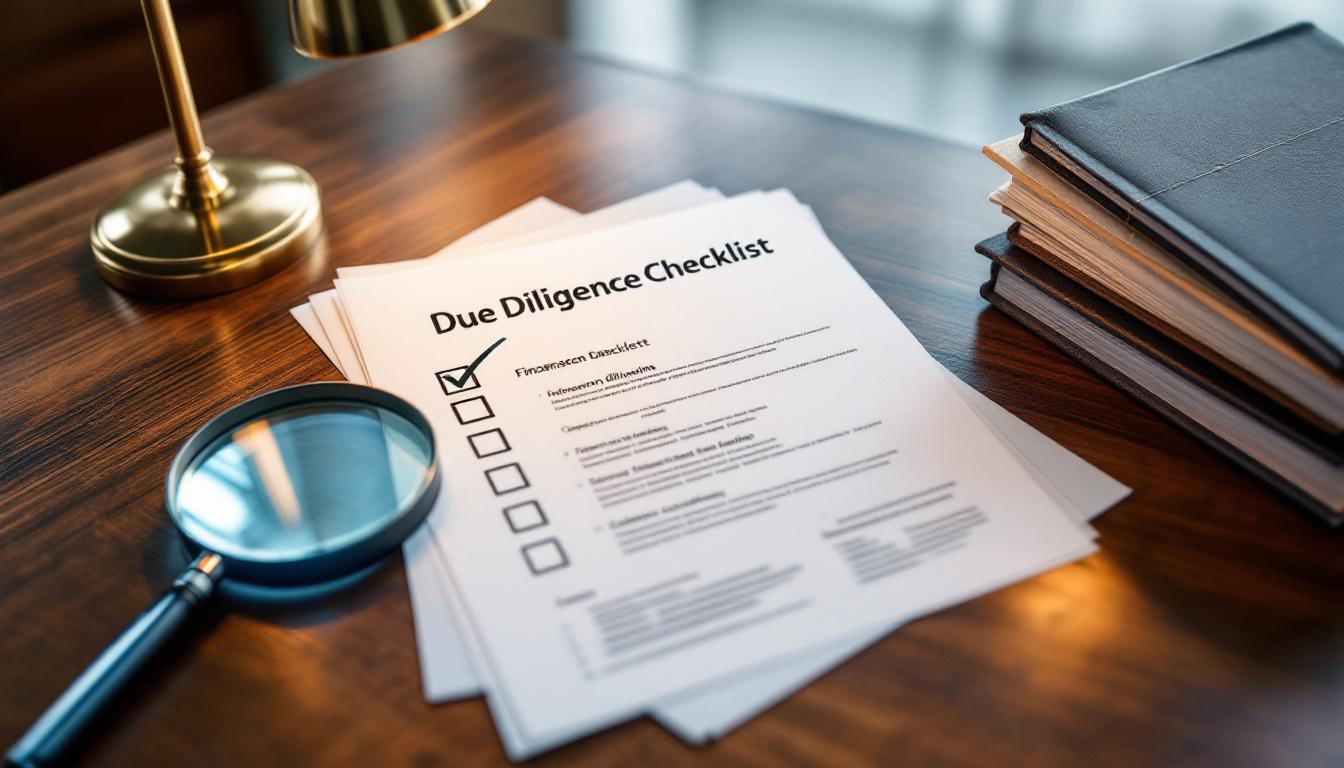
The Financial Cleanup You Must Do Before Selling Your Business
Quick Answer
Before selling your business, you must organize and update your financial statements, eliminate unnecessary expenses, and optimize accounts receivable to accurately reflect your company’s true financial health. Buyers and lenders rely on clean, accurate tax returns and P&Ls to determine valuation and approve deals, making financial cleanup essential to maximizing your asking price and ensuring a smooth transaction. This process directly impacts how attractive your business appears to potential buyers and can mean the difference between a successful sale and a lost opportunity.
When preparing to sell your business, having accurate and up-to-date financial records is crucial. Your Business Broker will rely on your company’s tax returns and P&Ls to prepare the Market Value Analysis, making it essential to perform a thorough pre-sale financial planning process.
We guide you through organizing and updating your financial statements, eliminating unnecessary expenses, and optimizing your accounts receivable. By doing so, you can maximize your business’s value and ensure a smooth transaction. To discuss your options with our experts, you can book a confidential 30-minute strategy call.
Key Takeaways
- Organize and update your financial statements to reflect your business’s true value.
- Eliminate unnecessary expenses to maximize profitability.
- Optimize your accounts receivable to improve cash flow.
- Ensure accurate and up-to-date financial records for a smooth transaction.
- Consider exit strategies to align with your business goals.
Understand the Importance of Financial Cleanup

A thorough financial cleanup is the foundation for a successful business sale. Your company’s financial statements play a pivotal role in establishing the asking price for your business, Buyer Due Diligence, and lender approval. These financial statements can make the difference between a successful transaction and a lost opportunity.
What Is Financial Cleanup?
Financial cleanup is the process of reviewing, organizing, and correcting your financial records to make them accurate and complete. This process involves business financial optimization to ensure that your financial statements reflect the true financial health of your business.
By optimizing your financial statements, you can demonstrate the true financial health of your business and maximize its value. This is crucial for sellers because it directly impacts the business valuation and the attractiveness of your business to potential buyers.
Why It Matters for Sellers
For sellers, financial cleanup is essential because it directly affects how potential buyers perceive your business. A clean and organized financial record can significantly enhance the credibility of your business, making it more attractive to buyers.
- Enhances credibility
- Increases attractiveness to potential buyers
- Facilitates a smoother due diligence process
Impact on Business Valuation
The financial cleanup process has a direct impact on maximizing business value. By ensuring that your financial records are accurate and complete, you can achieve a more accurate business valuation. This is critical when you’re looking to sell your business, as it directly influences the sale price.
To learn more about how to get acquired by private equity at the best valuation, you can visit this resource for valuable insights.
Analyze Your Financial Statements

A comprehensive review of your financial statements is essential for understanding your business’s financial health. This process involves examining three critical documents: your profit and loss statement, balance sheet, and cash flow statement.
Reviewing Profit and Loss Statements
Start with your profit and loss statement, which shows your revenue and expenses over a specific period. This statement helps you understand your business’s profitability and identify areas where costs can be optimized. Ensure that all income and expenses are accurately recorded and accounted for.
Balance Sheet Assessment
Next, update your balance sheet, which provides a snapshot of your business’s financial position at a specific date. It lists your assets, liabilities, and equity, giving you a clear picture of your business’s financial standing. Reviewing your balance sheet helps you identify any discrepancies or areas that need adjustment.
Cash Flow Analysis
Finally, prepare your cash flow statement, which tracks the inflows and outflows of cash in your business. This statement is crucial for understanding your business’s liquidity and ability to meet financial obligations. Analyzing your cash flow helps you identify potential cash flow issues and make informed decisions.
By thoroughly analyzing these financial statements, you can identify areas for improvement, demonstrate the financial health of your business to potential buyers, and increase the attractiveness of your business for sale. For more detailed guidance on preparing your financials, you can refer to resources like 6 ways to clean up your financials before considering a business.
Eliminate Unnecessary Expenses

As you prepare to sell your business, eliminating unnecessary expenses is crucial for maximizing its value. This process involves a thorough review of your financial statements to identify areas where you can cut costs without compromising the quality of your products or services.
Identifying Extraneous Costs
To start, you need to scrutinize your expense reports and financial statements to pinpoint extraneous costs. These could be subscriptions you no longer use, redundant services, or inefficient processes that are costing you more than they should. By identifying these areas, you can make informed decisions about where to cut back.
Simplifying Operational Expenses
Simplifying your operational expenses is about making your business more efficient. This can involve renegotiating contracts with suppliers, adopting more cost-effective technologies, or simplifying your operational processes. The goal is to reduce waste and improve your bottom line. By doing so, you not only make your business more attractive to potential buyers but also increase its overall value.
Tools for Expense Tracking
Utilizing the right tools for expense tracking is essential for maintaining a lean operation. There are various software solutions available that can help you monitor your expenses in real-time, categorize your spending, and identify trends. By leveraging these tools, you can gain a clearer picture of your financial situation and make more informed decisions.
When preparing your finances for a business sale, or conducting a thorough “sell my business financial review,” it’s vital to ensure that your expense structure is optimized. This not only enhances your business’s appeal to potential buyers but also ensures that you’re getting the best possible valuation.
Optimize Your Accounts Receivable
As you prepare to sell your business, ensuring your accounts receivable are in order is vital for a smooth transaction. Optimizing this aspect of your financial records not only demonstrates the financial health of your business but also makes it more attractive to potential buyers.
Improving Collection Processes
To improve your collection processes, you should first review your current invoicing system. Ensure that invoices are sent out promptly and that they are accurate. Consider implementing an automated system to track invoices and follow up on overdue payments. This can significantly reduce the time spent on collections and improve your cash flow.
Some key strategies to enhance your collection processes include:
- Clearly stating payment terms on invoices
- Offering multiple payment options for customers
- Regularly reviewing accounts receivable aging reports
- Following up with customers on overdue payments
Assessing Credit Policies
Assessing your credit policies is crucial in managing your accounts receivable effectively. You need to strike a balance between being lenient enough to attract customers and being strict enough to minimize risk. Review your credit limits and terms to ensure they are appropriate for your business model.
Consider the following when assessing your credit policies:
- Evaluate the creditworthiness of new customers before extending credit
- Regularly review and adjust credit limits as necessary
- Implement a system to monitor and address late payments
Reducing Bad Debt
Reducing bad debt is essential for maintaining a healthy accounts receivable balance. This involves identifying potential risks and taking proactive measures to mitigate them. By improving your credit control and having a strong collection process in place, you can minimize the risk of bad debt.
For more insights on preparing your business for sale, you can refer to our guide on a buyer’s guide to business acquisition. This resource provides valuable information on how to position your business attractively for potential buyers.
Manage Liabilities Effectively

To maximize your business’s value, you need to manage your liabilities effectively. This involves understanding the full scope of your financial obligations and taking strategic steps to optimize them.
Reviewing Outstanding Debts
The first step in managing liabilities is to identify all the money your business owes. This includes loans, credit lines, vendor bills, and tax obligations. Create a comprehensive list of every creditor and the corresponding debt amount.
Review the types of debts your company has based on your business structure. For instance, if you have a loan, note whether it’s short-term or long-term, and if it’s secured or unsecured. Understanding the nature of your debts will help you prioritize them effectively.
Prioritizing Payments
Not all debts are created equal. Some may have more significant implications for your business than others. Prioritize debts based on their urgency and potential impact on your business operations.
- High-priority debts: These include tax obligations, secured loans, and debts with severe penalties for late payment.
- Lower-priority debts: These might include unsecured loans or credit lines with more flexible repayment terms.
Negotiating with Creditors
Once you’ve prioritized your debts, consider negotiating with your creditors. This can help you secure better terms, such as lower interest rates or extended payment periods.
Effective negotiation can reduce your financial obligations and make your business more attractive to potential buyers. Be prepared to provide financial documentation and a clear plan for debt repayment.
By managing your liabilities effectively, you can enhance your business’s financial health and increase its appeal to potential buyers. This is a critical aspect of pre-sale financial planning and can significantly impact the success of your business sale.
Get Your Tax Records in Order
To maximize your business’s value, it’s essential to get your tax records organized. This process involves ensuring accurate tax filing, reviewing past tax returns, and understanding potential tax liabilities. By doing so, you can demonstrate the financial health of your business and avoid any potential issues during the sale process.
Importance of Accurate Tax Filing
Accurate tax filing is crucial for several reasons. Firstly, it ensures compliance with tax laws and regulations, thereby avoiding any legal issues that could complicate the sale of your business. Secondly, it provides a clear picture of your business’s financial performance, which is essential for potential buyers. Accurate tax returns can significantly impact the valuation of your business, as they provide a transparent view of your financial situation.
To achieve accurate tax filing, it’s vital to review your past tax returns. This review helps identify any discrepancies or areas of concern that need to be addressed. It’s also an opportunity to correct any past errors or omissions, ensuring that your tax records are up-to-date and accurate.
Reviewing Past Tax Returns
Reviewing your past three years of tax returns is particularly important, as these documents are typically used to determine the value of your business. Ensure that these returns are accurate and reflect the true financial performance of your business. Any inconsistencies or inaccuracies could raise red flags for potential buyers, potentially derailing the sale process.
| Year | Tax Return Status | Notes |
|---|---|---|
| 2021 | Filed | No issues |
| 2022 | Filed | Minor adjustments needed |
| 2023 | Filed | Accurate and complete |
Understanding Potential Tax Liabilities
Understanding potential tax liabilities is also crucial. This involves identifying any outstanding tax obligations or potential tax exposures that could impact the sale of your business. By understanding these liabilities, you can take steps to mitigate them, thereby reducing the risk associated with the sale of your business.
For more insights on analyzing financial deals, you can visit CTA Acquisitions, which provides valuable information on financial analysis.
By getting your tax records in order, you can ensure a smoother transaction when selling your business. This process not only helps in maximizing your business’s value but also demonstrates your commitment to transparency and financial integrity.
Clean Up Your Balance Sheet
A clean balance sheet is crucial for presenting your business in the best possible light to potential buyers. Your balance sheet provides a snapshot of your company’s financial health at a given time, including all assets and liabilities. Ensuring that this snapshot is accurate and reflects the true financial position of your business is vital for a successful sale.
Removing Non-Essential Assets
One of the key steps in cleaning up your balance sheet is to remove non-essential assets. These are assets that are not necessary for the operation of your business. Examples might include personal assets that have been commingled with business assets or investments that are not related to your core operations.
- Identify assets that are not critical to your business operations.
- Consider selling or transferring these assets to another entity.
- Ensure that the proceeds from the sale of these assets are properly accounted for.
By removing non-essential assets, you can make your business more attractive to potential buyers, as it simplifies the financial picture and focuses on the core operations.
Ensuring Accurate Asset Valuation
Accurate asset valuation is another critical aspect of cleaning up your balance sheet. Assets should be valued at their current market value rather than their historical cost. This may involve revaluing assets such as property, equipment, and investments.
| Asset Type | Historical Cost | Current Market Value |
|---|---|---|
| Property | $100,000 | $150,000 |
| Equipment | $50,000 | $30,000 |
| Investments | $20,000 | $25,000 |
As shown in the table above, the current market value of assets can differ significantly from their historical cost. Ensuring that your balance sheet reflects these current values will provide a more accurate picture of your business’s financial health.
By cleaning up your balance sheet through removing non-essential assets and ensuring accurate asset valuation, you can demonstrate the true financial health of your business and make it more attractive to potential buyers.
Prepare for Due Diligence
As you prepare to sell your business, a critical step is to get ready for due diligence, a process that scrutinizes your company’s financial health and operational integrity. This phase is crucial because it directly impacts the sale’s success and the business valuation for sale.
Key Documents to Gather
To ensure a smooth due diligence process, it’s essential to have all necessary financial documents organized and readily available. This includes:
- Financial statements (balance sheets, income statements, cash flow statements)
- Tax returns for the past few years
- Accounts receivable and payable records
- Inventory reports
- Details of any outstanding debts or liabilities
Having these documents in order not only speeds up the due diligence process but also demonstrates your professionalism and transparency, making your business more attractive to potential buyers looking to sell my business financial review.
Anticipating Buyer Questions
Buyers will likely have questions regarding your financial statements and business operations. Anticipating these questions can help you prepare and provide clear, concise answers. Common areas of inquiry include:
- Revenue streams and profit margins
- Major expenses and cost structures
- Customer concentration and sales contracts
- Employee contracts and compensation packages
Addressing Financial Red Flags
Any financial irregularities or red flags can deter potential buyers. It’s crucial to address these issues proactively. Common red flags include: For specialty financial-services acquisitions, our guide on how to buy an existing bank covers the regulatory and capital-stack mechanics.
| Red Flag | Action to Take |
|---|---|
| Inconsistent financial reporting | Review and reconcile financial statements |
| High accounts receivable or payable | Implement efficient collection processes and negotiate with creditors |
| Unusual or non-recurring expenses | Identify and justify these expenses to potential buyers |
By preparing for due diligence, gathering key documents, anticipating buyer questions, and addressing financial red flags, you can ensure a smoother transaction and maximize the value of your business during the business valuation for sale process.
Schedule a Confidential Strategy Call
Now that you’ve taken the crucial steps to prepare your business for sale, it’s time to discuss your options with our experts. A financial cleanup before selling a business is essential to maximize its value, and business financial optimization is key to a successful transaction.
Expert Guidance for a Smooth Sale
Our team is dedicated to helping you navigate the complexities of the sale process. By scheduling a confidential 30-minute strategy call, you’ll gain valuable insights into optimizing your business’s financial performance and preparing it for a successful sale.
Book Your Call Today
To book your call, simply reach out to us through our website or give us a call. Our team will work with you to schedule a time that suits your schedule.
What to Expect
During your consultation, we’ll discuss your business goals, review your financial performance, and outline the next steps to achieve a successful sale. Our experts will provide you with personalized guidance and support to ensure you’re well-prepared for the sale process.
FAQ
What is financial cleanup, and why is it necessary before selling my business?
Financial cleanup is the process of reviewing, organizing, and correcting your financial records to make them accurate and complete. It’s necessary to maximize the value of your business, demonstrate its financial health, and ensure a smooth transaction.
How do I analyze my financial statements for a business sale?
To analyze your financial statements, review your profit and loss statements, balance sheet, and cash flow statements to ensure accuracy, identify areas for improvement, and demonstrate the financial health of your business to potential buyers.
What are the benefits of eliminating unnecessary expenses before selling my business?
Eliminating unnecessary expenses streamlines operational expenses, reduces waste, and improves your bottom line, making your business more attractive to potential buyers and increasing its saleability.
How can I optimize my accounts receivable to maximize business value?
Optimizing your accounts receivable involves improving collection processes, assessing credit policies, and reducing bad debt to ensure that your A/R is accurate and up-to-date, making your business more attractive to potential buyers.
What steps should I take to manage my liabilities effectively before selling my business?
To manage your liabilities effectively, review your outstanding debts, prioritize payments, and negotiate with creditors to reduce your financial obligations and make your business more attractive to potential buyers.
Why is it essential to get my tax records in order before selling my business?
Getting your tax records in order ensures accurate tax filing, helps you understand potential tax liabilities, and demonstrates the financial health of your business, avoiding any potential issues during the sale process.
How do I clean up my balance sheet to maximize business value?
Cleaning up your balance sheet involves removing non-essential assets and ensuring accurate asset valuation to demonstrate the true financial health of your business and make it more attractive to potential buyers.
What preparations should I make for due diligence when selling my business?
To prepare for due diligence, gather key documents, anticipate buyer questions, and address financial red flags to ensure a smooth transaction and maximize the value of your business.
How can a confidential strategy call help me prepare for a business sale?
A confidential strategy call with our experts allows you to discuss your options, understand the process, and ensure that you maximize the value of your business, achieving a successful transaction.
What is business financial optimization, and how does it impact the sale of my business?
Business financial optimization is the process of reviewing and improving your financial statements to demonstrate the true financial health of your business. It directly impacts the business valuation and attractiveness to potential buyers, maximizing the value of your business.
How does pre-sale financial planning help in maximizing business value?
Pre-sale financial planning involves organizing and updating your financial statements, eliminating unnecessary expenses, and optimizing your accounts receivable to demonstrate the financial health of your business and maximize its value.
What is the importance of financial readiness for business sale?
Financial readiness is crucial for a successful business sale as it ensures that your financial statements are accurate, complete, and demonstrate the true financial health of your business, making it more attractive to potential buyers.
Related Guide: How to Sell Your Home Services Business, A step-by-step guide to selling your home services company to a private equity buyer.
Related Guide: What Is My Business Worth?, Learn how home services businesses are valued and what drives your multiple.
Want to Know What Your Business Is Worth?
Start with a free, confidential conversation.

About the Author
Christoph Totter is the founder of CT Acquisitions, an M&A advisory firm working both sides of the table, headquartered in Sheridan, Wyoming. We work directly with 500+ buyers, search funders, family offices, lower middle-market PE, and strategic consolidators, including direct mandates with the largest home services consolidators that other intermediaries can’t access. No fee to you on buy-side introductions; sell-side mandates are paid on success at closing. Connect on LinkedIn · Get in touch