
How Independent Sponsors Structure Deals That Actually Close
Quick Answer
Independent sponsors structure deals to close by securing deal-specific capital commitments upfront, carefully aligning investor returns with seller economics through preferred equity structures or earnout mechanisms, and building governance frameworks that give investors confidence in execution. Key structuring elements include establishing clear sponsor promote schedules, defining investor liquidation preferences, and managing debt structures that satisfy both lenders and equity investors. Success depends on sponsors demonstrating realistic financial projections, maintaining sponsor skin-in-the-game (typically 10-25% equity), and ensuring alignment between sponsor incentives and investor downside protection throughout the deal lifecycle.
Looking to acquire in this space?
CT Acquisitions sources proprietary, off-market deals for serious buyers. Tell us your mandate and we will bring you businesses that fit. No cost to explore.
Independent sponsors, also known as fundless sponsors, have become a significant force in middle-market private equity. They raise equity and debt on a deal-by-deal basis, requiring precision about economics, structure, and potential risks. For a deeper look, see our guide on how independent sponsors buy businesses and what it means for you.
To succeed, independent sponsors must be precise about deal structuring methods and transaction models. This involves understanding the intricacies of deal structuring, from closing fees to governance structures.
By understanding these elements, you can better navigate the complexities of deal-making. We invite you to book a confidential 15-minute strategy call to discuss your options.
Key Takeaways
- Understand the importance of precision in deal structuring
- Learn about different deal structuring methods and transaction models
- Discover how to navigate the complexities of deal-making
- Identify key elements that make a deal successful
- Explore the role of governance structures in deal-making
Understanding Independent Sponsors and Their Role in Private Equity
In the private equity landscape, independent sponsors play a crucial role in facilitating deal-making without a pre-existing capital pool. They act as intermediaries between investment opportunities and potential investors, leveraging their expertise to structure deals effectively.
To understand the significance of independent sponsors, it’s essential to delve into their definition and key characteristics.
Definition of Independent Sponsors
Independent sponsors are professionals who identify and execute investment opportunities without having a pre-existing pool of capital. They are known for their flexibility and ability to act quickly, making them attractive partners in private equity transactions.
These sponsors typically operate on a deal-by-deal basis, raising capital for each specific investment opportunity. This approach allows them to be highly selective and focused on the most promising deals.
- They identify potential investment opportunities.
- They structure deals that are attractive to investors.
- They raise capital for specific transactions.
Key Characteristics of Independent Sponsors
Independent sponsors are characterized by their agility and strategic deal structuring capabilities. They are adept at navigating complex investment landscapes and finding creative solutions to deal-making challenges.
Some key characteristics include:
- Flexibility: The ability to adapt quickly to changing market conditions.
- Expertise: Deep knowledge of the private equity market and deal structuring.
- Network: Established connections with potential investors and other stakeholders.
By understanding the role and characteristics of independent sponsors, we can better appreciate their value in the private equity ecosystem. Their ability to structure deals effectively and raise capital on a deal-by-deal basis makes them invaluable partners in investment transactions.
The Deal Structure Explained
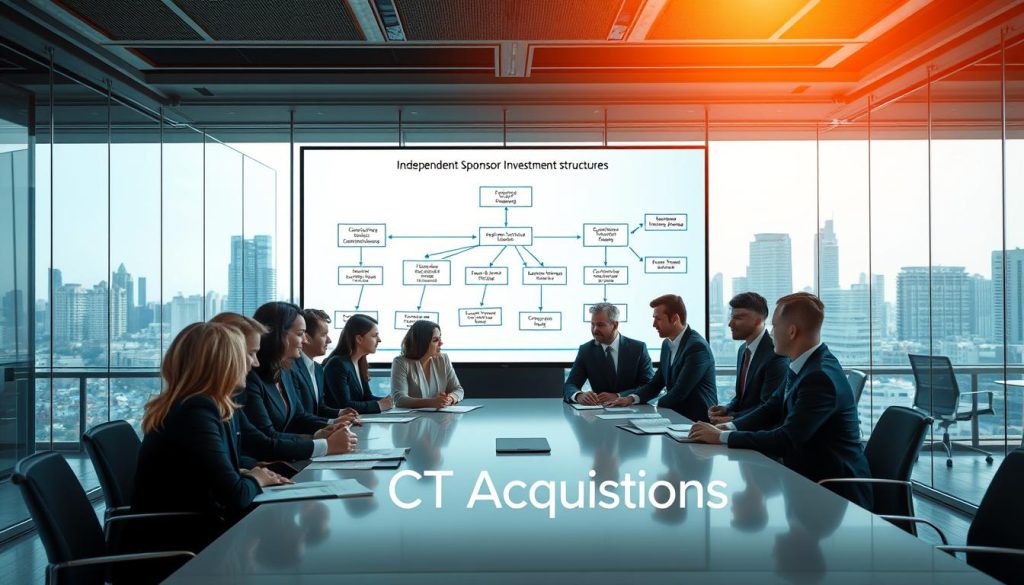
Independent sponsors must navigate complex deal structures to create investment opportunities that attract investors and yield strong returns. The deal structure includes various components such as closing fees, management fees, carried interest, and governance structures.
Common Types of Deal Structures
There are several common types of deal structures that independent sponsors use. These include:
- Closing Fees: Fees paid upon the completion of a deal, typically used to cover transaction costs.
- Management Fees: Ongoing fees paid to the sponsor for managing the investment, usually a percentage of the total investment size.
- Carried Interest: A share of the profits earned by the sponsor, typically distributed after investors have received their initial investment back.
- Governance Structures: Frameworks that outline decision-making processes and oversight responsibilities.
Factors Influencing Deal Structure
The choice of deal structure depends on several factors, including:
- Type of Investment: Different investments may require different structures to optimize returns and manage risk.
- Investor Preferences: Understanding what investors are looking for in a deal structure is crucial for attracting capital.
- Sponsor’s Track Record: A sponsor’s experience and success history can influence the deal structure, with more experienced sponsors potentially negotiating more favorable terms.
By carefully considering these factors, independent sponsors can structure deals that are both attractive to investors and profitable for themselves. Effective deal structuring is key to successful investment strategies in the competitive landscape of private equity.
Capital Raising Techniques Used by Independent Sponsors
To structure deals that close, independent sponsors must first master the art of capital raising. This involves a combination of building strong relationships with potential investors, developing a compelling investment thesis, and demonstrating a deep understanding of the market dynamics.
Finding the Right Investors
Identifying and securing funding from the right investors is crucial for independent sponsors. This process begins with curating a list of potential investors whose investment goals and risk tolerance align with the sponsor’s deal thesis. Independent sponsors must also leverage their professional networks and industry connections to gain introductions to potential investors.
“The key to successful capital raising lies in understanding the needs and preferences of your investors,” notes a seasoned independent sponsor. “By aligning your investment strategy with their goals, you can build a strong foundation for a successful partnership.”
Strategies for Effective Fundraising
Effective fundraising strategies are multifaceted and involve several key components. First, independent sponsors must develop a clear and compelling investment thesis that highlights the potential for growth and return on investment. Second, they must demonstrate a track record of successful deal-making and a deep understanding of the market.
- Building strong relationships with investors through regular communication and transparency.
- Utilizing data and market research to support investment decisions.
- Showcasing a robust deal pipeline and a clear strategy for value creation.
By employing these strategies, independent sponsors can increase their chances of securing the capital needed to close deals. As the landscape of private equity continues to evolve, the ability to adapt and innovate in capital raising will remain a critical factor in the success of independent sponsors.
The Importance of Due Diligence in Deal-Making

For independent sponsors, due diligence is more than just a precaution – it’s a strategic advantage. “The devil is in the details,” as the saying goes, and thorough due diligence can make all the difference between a successful deal and a costly mistake.
Due diligence is a critical phase in the deal-making process, involving a comprehensive review of the target company’s financials, operations, and potential risks. By conducting rigorous due diligence, independent sponsors can make informed investment decisions and mitigate potential risks.
Comprehensive Financial Analysis
A thorough financial analysis is essential to understanding the target company’s current financial health and potential for future growth. This involves reviewing financial statements, assessing revenue streams, and identifying potential financial risks. As we discussed in our previous sections, effective deal sourcing strategies are crucial for independent sponsors.
Some key aspects of comprehensive financial analysis include:
- Reviewing historical financial performance
- Assessing the quality of earnings
- Evaluating the company’s capital structure
Evaluating Operational Risks
In addition to financial analysis, due diligence also involves evaluating operational risks, such as the company’s management structure, operational efficiency, and potential for improvement. This includes assessing the company’s:
- Management team and organizational structure
- Operational processes and systems
- Supply chain and vendor relationships
By conducting thorough due diligence, independent sponsors can gain a deeper understanding of the target company’s strengths and weaknesses, ultimately making more informed investment decisions.
“Due diligence is not just about avoiding risks; it’s about identifying opportunities to create value.”
Negotiation Tactics for Successful Outcomes
Independent sponsors must master negotiation tactics to secure favorable deal terms. Effective negotiation is the backbone of any successful deal, enabling sponsors to navigate complex transactions with confidence.
Building Rapport with Stakeholders
Building strong rapport with stakeholders is crucial in negotiation. This involves understanding their needs, concerns, and motivations. By establishing a connection, independent sponsors can create a collaborative environment that fosters mutually beneficial agreements.
To build rapport, sponsors should focus on:
- Active listening to understand the other party’s perspective
- Empathy to acknowledge and address concerns
- Transparency to build trust
For instance, when negotiating with sellers, understanding their goals and priorities can help sponsors tailor their approach to meet both parties’ needs. You can explore more about effective deal-making strategies on our page about mid-market M&A origination.
Handling Objections and Concerns
Handling objections effectively is a critical negotiation skill. Independent sponsors must be prepared to address concerns with data-driven insights and creative solutions. This not only helps in overcoming obstacles but also in strengthening the deal’s foundation.
Some common objections and how to handle them include:
| Objection | Handling Strategy |
|---|---|
| Valuation concerns | Provide detailed financial analysis and comparable market data |
| Risk aversion | Offer risk mitigation strategies and contingency plans |
| Deal structure issues | Propose flexible financing structures, such as financing structures for independent sponsors, to meet the parties’ needs |
By employing these negotiation tactics, independent sponsors can enhance their ability to close deals successfully. It’s about being prepared, flexible, and focused on creating value for all parties involved.
What Makes a Deal Attractive for Investors

A deal’s attractiveness is often determined by its potential for value creation and risk mitigation. Independent sponsors must structure deals in a way that resonates with investors, showcasing a clear understanding of the market and the potential for growth.
“The ability to create value and mitigate risk is paramount in making a deal attractive to investors,” as noted by industry experts. This involves a deep understanding of the market, the ability to identify opportunities, and the capacity to manage risks effectively.
Value Creation Opportunities
Value creation is a critical component of any attractive deal. Independent sponsors can create value through various means, including operational improvements, strategic repositioning, and financial engineering. For instance, by streamlining operations, reducing costs, and improving efficiency, sponsors can significantly enhance a company’s value.
To learn more about how independent sponsors operate, you can visit Morgan and Westfield’s resource page, which provides insights into the basics of independent, fundless sponsors in M&A.
- Operational improvements
- Strategic repositioning
- Financial engineering
By focusing on these areas, independent sponsors can create a compelling value proposition that attracts investors.
Risk Mitigation Strategies
Risk mitigation is equally important in making a deal attractive. This involves identifying potential risks and implementing measures to address them. Effective risk mitigation strategies can include diversifying revenue streams, hedging against market volatility, and implementing robust governance structures.
As experienced independent sponsors, we understand that a well-structured deal is one that balances risk and reward. By employing robust risk mitigation strategies, sponsors can provide investors with the confidence they need to invest.
In conclusion, making a deal attractive to investors requires a combination of value creation opportunities and effective risk mitigation strategies. By focusing on these key areas, independent sponsors can structure deals that are both compelling and successful.
Legal Considerations in Structuring Deals
When structuring deals, independent sponsors must navigate a complex legal landscape. This involves not only understanding the legal requirements but also anticipating potential legal issues that could impact the deal’s success.
Key Contracts and Agreements
The foundation of any deal lies in the contracts and agreements that outline the terms and conditions of the investment. Independent sponsors must ensure that these documents are drafted carefully to protect their interests and those of their investors.
- Shareholder agreements that define the rights and obligations of shareholders.
- Subscription agreements that outline the terms of the investment.
- Other legal documents that are critical to the deal’s structure.
These contracts are not just legal formalities; they are crucial in establishing a clear understanding among all parties involved. By having robust and well-drafted agreements, independent sponsors can mitigate risks and ensure a smoother deal execution.
Regulatory Compliance Issues
Regulatory compliance is another critical aspect of deal structuring. Independent sponsors must be aware of and comply with various laws and regulations that govern their investments. Failure to do so can result in significant penalties and reputational damage.
| Regulatory Area | Key Considerations | Impact on Deal Structuring |
|---|---|---|
| Securities Laws | Disclosure requirements, registration processes. | Affects how investments are structured and communicated. |
| Tax Laws | Tax implications of deal structures, potential tax liabilities. | Influences the choice of deal structure to optimize tax efficiency. |
| Antitrust Laws | Merger control regulations, competition law compliance. | Determines whether a deal can proceed without antitrust issues. |
By understanding and addressing these regulatory compliance issues, independent sponsors can structure deals that are not only attractive to investors but also compliant with relevant laws. This proactive approach to regulatory compliance is essential for the long-term success of independent sponsor deal frameworks and independent sponsor acquisition strategies.
Create a Value Proposition
In the competitive landscape of private equity, independent sponsors must craft a compelling value proposition to stand out. A well-crafted value proposition not only differentiates independent sponsors from their peers but also resonates with potential investors, ultimately driving investment decisions.
Articulating Unique Selling Points
To create an effective value proposition, independent sponsors must clearly articulate their unique selling points. This involves highlighting their expertise in deal-making, their network of industry contacts, and their ability to add value to portfolio companies. By emphasizing these strengths, independent sponsors can demonstrate their competitive advantage and attract investors looking for a trusted partner.
Some key areas to focus on when articulating unique selling points include:
- Investment strategy and thesis
- Deal sourcing capabilities
- Operational expertise and value-add services
- Track record of successful investments
Differentiating from Other Sponsors
Differentiating from other sponsors is crucial in a crowded market. Independent sponsors can achieve this by showcasing their unique perspective and approach to investing. This might involve highlighting their focus on specific industries, their commitment to sustainability, or their innovative use of technology in deal-making.
To effectively differentiate themselves, independent sponsors should:
- Conduct a thorough analysis of their competitive landscape
- Identify areas where they can add unique value
- Communicate their differentiation clearly to investors
By creating a strong value proposition and differentiating themselves from other sponsors, independent sponsors can improve their chances of securing investments and achieving their strategic objectives. This involves not only articulating their unique strengths but also demonstrating a deep understanding of the market and their place within it.
Ultimately, a compelling value proposition is key to attracting investors and driving the success of independent sponsors. By focusing on their unique selling points and differentiating themselves from other sponsors, independent sponsors can establish a strong reputation in the market and achieve their investment goals.
Post-Deal Integration Strategies
Successful deal-making doesn’t end with the closing; it extends into the post-deal integration phase, where value is truly realized. As independent sponsors, we understand that the post-deal integration process is critical for achieving the desired investment outcomes.
Smooth Transition Strategies
Ensuring a smooth transition involves several key steps. First, we align the acquired company’s operations, culture, and strategy with our investment thesis. This includes implementing operational improvements, integrating systems and processes, and managing change effectively.
- Conduct thorough due diligence to identify potential integration challenges.
- Develop a comprehensive integration plan with clear milestones and timelines.
- Communicate effectively with stakeholders, including employees, customers, and suppliers.
By taking a proactive and structured approach to integration, we can minimize disruptions and ensure a seamless transition.
Performance Metrics for Success
Tracking performance metrics is essential to monitor progress, identify areas for improvement, and make adjustments as needed. We focus on key performance indicators (KPIs) that are aligned with our investment objectives.
| KPI | Description | Target |
|---|---|---|
| Revenue Growth | Increase in revenue post-acquisition | 15% YoY |
| Cost Savings | Reduction in operational costs | 10% within 6 months |
| Customer Retention | Percentage of customers retained post-acquisition | 85% |
By closely monitoring these metrics, we can assess the effectiveness of our post-deal integration strategies and make data-driven decisions to optimize performance.
For more insights on how to maximize value in private equity deals, you can explore our guide on how to get acquired by private equity at the best.
Next Steps: Book Your Strategy Call
As we have explored the intricacies of independent sponsor deal frameworks and strategies, it’s clear that structuring deals effectively is crucial for success in the competitive world of private equity. By understanding the key elements of independent sponsor acquisition strategies and how to structure deals for independent sponsors, you can significantly enhance your investment approach.
Benefits of a Strategy Call
A confidential 15-minute strategy call with an experienced advisor can provide valuable insights into optimizing your deal structuring capabilities. We can help you identify potential blind spots, explore new strategies, and develop a tailored approach to structuring deals for independent sponsors.
Scheduling Your Confidential Call
To take the next step in enhancing your investment strategies, we invite you to schedule a confidential call. This call is an opportunity to discuss your specific challenges and gain expert guidance on implementing effective independent sponsor deal frameworks. By doing so, you can proactively improve your overall performance and achieve greater success in your investments.

About the Author
Christoph Totter is the founder of CT Acquisitions, a buy-side partner headquartered in Sheridan, Wyoming. We work directly with 200+ buyers, search funders, family offices, lower middle-market PE, and strategic consolidators, including direct mandates with the largest consolidators that other intermediaries cannot access. The buyers pay us when a deal closes, not the seller. No retainer, no exclusivity, no contract until close. Connect on LinkedIn · Get in touch
FAQ
What is the role of independent sponsors in private equity?
Independent sponsors play a crucial role in private equity, acting as the bridge between investment opportunities and capital. They identify and execute investment opportunities on a deal-by-deal basis, requiring a strategic approach to raising equity and debt.
How do independent sponsors structure deals to ensure success?
Independent sponsors structure deals by being precise about economics, structure, and potential risks. They use various deal structuring methods, including closing fees, management fees, and carried interest, to align the interests of sponsors and investors.
What are the key elements of a successful deal structure?
The key elements of a successful deal structure include a clear understanding of the investment thesis, a well-defined governance structure, and a robust risk mitigation strategy. Independent sponsors must also be able to articulate a compelling value proposition to attract investors.
How do independent sponsors raise capital for their deals?
Independent sponsors raise capital by building strong relationships with potential investors, developing a compelling investment thesis, and demonstrating a deep understanding of the market and its dynamics. They also leverage their networks and use data to support their investment decisions.
What is the importance of due diligence in deal-making?
Due diligence is essential for independent sponsors to assess the viability and potential of an investment opportunity. It involves a thorough financial analysis and evaluation of operational risks to make informed investment decisions and mitigate potential risks.
How do independent sponsors negotiate successful outcomes?
Independent sponsors negotiate successful outcomes by building strong rapport with stakeholders, understanding their needs and concerns, and handling objections and concerns in a constructive manner. They also use data and evidence to support their proposed deal structure and terms.
What makes a deal attractive to investors?
A deal is attractive to investors if it offers compelling value creation opportunities and demonstrates a clear understanding of how to mitigate potential risks. Independent sponsors must be able to articulate a clear investment thesis and demonstrate a robust risk mitigation strategy.
What are the legal considerations in structuring deals?
The legal considerations in structuring deals include the negotiation and drafting of key contracts and agreements, such as shareholder agreements and subscription agreements. Independent sponsors must also ensure regulatory compliance to avoid significant penalties and reputational damage.
How do independent sponsors create a compelling value proposition?
Independent sponsors create a compelling value proposition by articulating unique selling points that highlight their strengths, investment approach, and value-added services. They must also differentiate themselves from other sponsors by demonstrating a unique perspective, expertise, or network.
What are the key post-deal integration strategies?
The key post-deal integration strategies include ensuring a smooth transition by aligning the acquired company’s operations, culture, and strategy with that of the investor’s vision. Independent sponsors must also track performance metrics to monitor progress and identify areas for improvement.
How can independent sponsors enhance their deal structuring capabilities?
Independent sponsors can enhance their deal structuring capabilities by booking a strategy call to discuss specific challenges, explore new strategies, and gain insights from experienced professionals. This can help them develop a tailored approach to deal structuring and improve their overall performance.
Related Guide: How to Sell Your Home Services Business, A step-by-step guide to selling your home services company to a private equity buyer.
Related Guide: How to Increase Your Business’s Value, Proven strategies to grow your company’s value before a sale.
Want to Know What Your Business Is Worth?
Start with a free, confidential conversation.
Want more deal flow in this sector?
We run targeted, confidential outreach to owners and bring acquirers proprietary deals that never hit the open market. Tell us what you are looking for.
More on lower middle market M&A
Related Guide
2026 LMM Buyer Demand Report, Aggregated buy-box data from 76 active U.S. LMM buyers.
Related Guide
Buyer Archetypes, Five buyer archetypes that buy LMM businesses.
Related Guide
Letter of Intent (LOI) Guide, The 9 essential terms before you sign.